Lahontan Valley Wetlands Access
For many hunters, the thought of Nevada conjures images of vast sagebrush flats and towering mountain ranges, home to mule deer and elk. But for those in the know, the Lahontan Valley Wetlands present an entirely different, yet equally captivating, hunting experience. This comprehensive guide is here to shed light on how to access these unique desert marshes, navigate their specific rules, and make the most of your waterfowl hunting adventures in an often-overlooked corner of the Silver State.
The Unique Appeal of Lahontan Valley Wetlands for Hunters
Nevada's Lahontan Valley, particularly around Fallon, is a truly remarkable place. It’s a vast, dynamic system of marshes, open water, and irrigated agricultural lands in the middle of an arid landscape. For hunters, it represents a critical stopover point and wintering ground for millions of migratory birds on the Pacific Flyway. This makes it a prime destination, especially for waterfowl enthusiasts, but its diverse ecosystems also offer other hunting opportunities that might surprise you.
A Waterfowl Oasis in the Desert
Imagine setting up your decoys with the sun rising over an expanse of cattails and open water, the air alive with the sounds of whistling wings and quacking ducks. That's the daily reality for many hunters in the Lahontan Valley Wetlands. These wetlands are not just a collection of puddles; they are a vital, complex ecosystem fed by the Carson River, sustained by careful water management, and teeming with life. Species like mallards, pintails, green-winged teal, wigeon, and various diving ducks use these marshes extensively, offering incredible diversity for the shotgunner.
The sheer volume of birds that pass through or reside here during the hunting season is astounding. It’s a testament to the importance of these managed wetlands in a state otherwise defined by its dry expanses. Hunters often find themselves sharing blinds not just with fellow waterfowl enthusiasts, but with shorebirds, raptors, and countless other species, making every outing an immersive wildlife experience. It's truly a special place that demands respect and careful stewardship.
Beyond the Ducks and Geese: Other Opportunities
While waterfowl undeniably steal the show, the Lahontan Valley Wetlands and the surrounding agricultural zones also offer a surprising array of other hunting opportunities. Upland birds, particularly pheasants, can thrive in the dense cover adjacent to the water, especially in the managed agricultural fields. The interface between marsh and dry ground creates perfect pheasant habitat, drawing hunters looking for a different challenge.
Furthermore, the same factors that attract birds—water, cover, and food—also draw small game and predators. Cottontail rabbits are often found along the edges of the marshes and in brushy areas, providing an additional target for small game hunters. Coyotes, ever present in the Nevada landscape, are also drawn to these areas by the abundance of prey, offering year-round hunting for those interested in predator management. This diversity means that a trip to the Lahontan Valley can often be a multi-species affair, though waterfowl typically remain the primary focus.
Understanding Access Points and Zones
Hunting in the Lahontan Valley Wetlands isn't as simple as just pulling off the highway and setting up a blind. It’s a mosaic of different land management agencies, each with its own rules, access points, and permitting requirements. Understanding this complex system is crucial for a successful and legal hunt. It can feel a bit like navigating a bureaucratic maze at first, but with a little homework, you'll be well on your way.
Navigating the Complexities of Public Access
The Lahontan Valley Wetlands are comprised of a patchwork of federal, state, and private lands. The most prominent federal presence is the Stillwater National Wildlife Refuge Complex, managed by the U.S. Fish and Wildlife Service. Adjacent to this are state-managed areas, particularly the Mason Valley and Stillwater Wildlife Management Areas, overseen by the Nevada Department of Wildlife (NDOW). Beyond these, there's private agricultural land, often leased or with specific access rules. Knowing which agency manages the specific piece of ground you're eyeing is the first, critical step.
This layered ownership means that a map showing land boundaries is your most valuable tool. Tools like Using onX Layers for Nevada Public Land or GoHunt's mapping features can be invaluable here, clearly delineating public and private ground, as well as indicating the specific managing agency. Don't assume that if it looks like public land, it is. Always verify. This careful approach not only keeps you legal but also helps you find those less-pressured spots that often hold more birds. Remember, a successful hunt starts long before you ever leave your truck.
Permitting and Registration Requirements
Unlike hunting general public lands across Nevada, many of the prime waterfowl areas within the Lahontan Valley Wetlands require specific permits or registration beyond your standard Nevada hunting license and waterfowl stamps. For instance, the Stillwater National Wildlife Refuge typically implements a daily check-in and check-out system, often with limited entry through a lottery or first-come, first-served basis, especially on weekends and opening days. These systems are designed to manage hunting pressure and provide an equitable opportunity for all.
State Wildlife Management Areas, like Mason Valley or the Stillwater WMA, might also have their own specific regulations regarding daily permits, designated hunting blinds, or limited access dates. It's absolutely essential to consult the specific rules for the area you plan to hunt well in advance. These details can often be found on the NDOW website or the U.S. Fish and Wildlife Service site for the refuge. Missing a simple registration step can ruin your hunt, or worse, result in a citation. Always do your homework on Nevada Waterfowl Season Framework and specific area rules.
Vehicle Access and Designated Routes
The sprawling nature of the Lahontan Valley Wetlands means that vehicle access is a primary concern. While some areas have well-maintained gravel roads leading to established parking lots and boat launches, others are accessed via less-traveled dirt roads that can quickly become impassable with rain or snow. It's not uncommon to encounter muddy sections that demand four-wheel drive and a healthy dose of caution. Always be prepared for Remote Road Conditions Across Nevada.
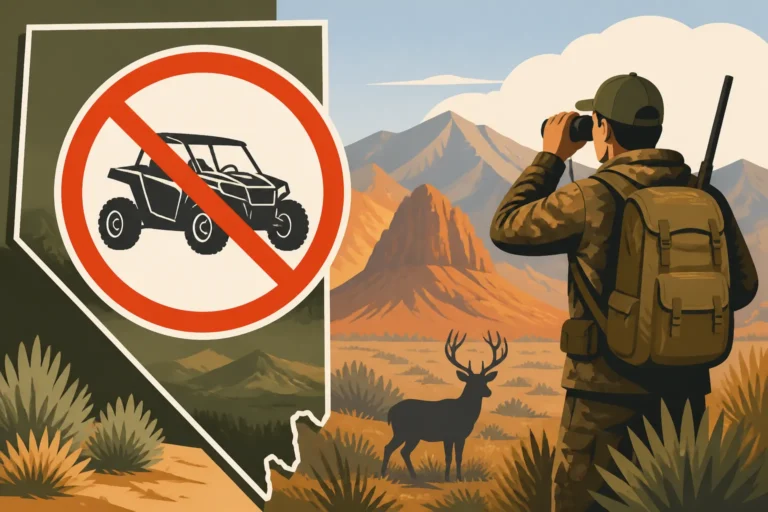
Many areas, especially within the National Wildlife Refuge and certain WMAs, have designated motorized travel routes. Driving off these marked roads, even to retrieve game, is often strictly prohibited to protect sensitive wetland habitat. Heed all signs and barriers. Motorized Travel Rules on Nevada Public Land are in place for a reason. Having a detailed map, ideally with GPS capabilities, that shows these designated routes is non-negotiable. It's easy to get turned around in the flat, featureless terrain, and straying from marked paths can not only damage habitat but also lead to serious fines.
Key Areas Within the Lahontan Valley Complex
The Lahontan Valley Wetlands are not a monolithic entity. Instead, they are a collection of distinct management areas, each with its own character, rules, and hunting opportunities. Understanding these individual components will help you pinpoint the best locations for your specific hunting style and target species. From federal refuges to state-managed lands and areas with unique military considerations, knowing the lay of the land is paramount.
Stillwater National Wildlife Refuge and Its Hunt Areas
The Stillwater National Wildlife Refuge is arguably the crown jewel of the Lahontan Valley Wetlands for migratory birds. It encompasses vast tracts of marshland, mudflats, and open water, providing critical habitat for millions of waterfowl and shorebirds. Hunting within the refuge is highly regulated, typically occurring in designated hunt areas that might change slightly from year to year based on water conditions and bird concentrations. These areas are often accessible by foot or small boats/kayaks, requiring hunters to be prepared for a decent hike or paddle to their chosen spot.
Access to Stillwater hunt units often involves a daily lottery system or a first-come, first-served basis, especially during peak seasons. Hunters usually check in before dawn, receive their assignment, and then head out. The experience here is truly unique, offering a chance to hunt some of the densest concentrations of waterfowl in Nevada. However, success often depends on scouting, understanding bird movements, and being ready to adapt to dynamic water levels. For deep dives into specific access, check Stillwater Wildlife Management Area Access.
Fallon Naval Air Station and Special Access Considerations
Adjacent to some of the prime hunting grounds in the Lahontan Valley lies the Fallon Naval Air Station (NAS). This creates unique and critical considerations for hunters. While some portions of the base might be open to hunting under specific, stringent regulations, the majority is restricted or has very specific protocols for entry and use. It is absolutely vital that hunters respect all military boundaries, signage, and directives. Ignorance of these boundaries is not an excuse for trespassing, and the consequences can be severe.
Always consult the base's specific hunting regulations, often published separately from NDOW's general regulations, if you even consider hunting near or on NAS Fallon land. These rules can cover everything from permitted weapons and ammunition to daily access times and designated hunting areas. The best practice is often to focus on clearly designated public access areas outside of military control, ensuring you avoid any potential conflicts or safety hazards. Reading a Land Ownership Layer Correctly is crucial here to prevent unintended incursions.
State Wildlife Management Areas (WMAs) in the Region
Beyond the federal refuge, Nevada Department of Wildlife (NDOW) manages several State Wildlife Management Areas (WMAs) in the Lahontan Valley that offer excellent hunting. These often include the Mason Valley WMA and parts of the Stillwater WMA that fall under state jurisdiction. These areas tend to be more diverse in habitat, including marsh, agricultural fields, and riparian zones, which can offer varied hunting experiences for both waterfowl and upland birds like pheasant.
WMAs generally operate under NDOW's statewide regulations, though some might have localized rules for specific activities or seasons. They often feature improved access roads, designated parking, and sometimes even established blinds or boat launches. While still popular, they can sometimes offer a slightly less regulated experience than the federal refuge, depending on the day and specific unit. Always check the NDOW website for current WMA maps and special regulations, as these are subject to change.
Planning Your Hunt in the Wetlands
Hunting the Lahontan Valley Wetlands is a different beast than chasing deer in the mountains. It requires specific gear, a keen understanding of the wetland environment, and a strong emphasis on safety. Without proper planning, a promising day can quickly turn into a cold, wet, or frustrating one. Let's talk about what it takes to make your wetland hunt a success.
Essential Gear for Wetland Hunting
When you head into the Lahontan Valley Wetlands, your gear list will look quite a bit different from a typical upland or big game hunt. Waterproof everything is the mantra. Waders, ideally chest waders, are absolutely non-negotiable, as you'll be wading through varying depths of mud and water. A reliable waterfowl jacket that's waterproof and provides insulation for those chilly pre-dawn hours is also a must. Layering is key, as temperatures can swing dramatically from morning to midday.
Beyond clothing, a sturdy decoy bag, multiple decoys (ducks and geese, depending on your target), and a reliable shotgun are obvious. Consider a small, stable boat or kayak if you plan to access deeper water or need to ferry a large spread of decoys. A headlamp with a red-light option for early morning hikes is vital, as is a warm thermos of coffee or soup. Don't forget your hunting license, state and federal waterfowl stamps, and any required permits. A solid pair of binoculars can also help identify incoming birds and scout distant areas.
Reading the Landscape: Water Levels and Habitat
The success of your Lahontan Valley hunt hinges significantly on understanding water levels and how they shape bird behavior. Water levels can fluctuate dramatically due to irrigation demands, precipitation, and management efforts, often changing week to week or even day by day. Areas that were open water one week might be dry the next, or vice versa. This dynamic environment means that static scouting from weeks prior might not be entirely accurate.
Birds will concentrate where food and cover are most accessible, which directly correlates with water depth. Puddle ducks often prefer shallower water where they can dabble for food, while diving ducks need deeper pools. Pay attention to emergent vegetation like cattails and bulrushes, as these provide crucial cover for birds to rest and hide. Tools like onX Hunt can give you a historical look at water levels, but recent ground reconnaissance or calls to the managing agencies can provide the most current information. Observing how the wind impacts the water and bird movement is also critical for setting up an effective spread.
Safety Considerations and Regulations
Safety in the wetlands encompasses several critical aspects. First and foremost, water safety. If you're using a boat, wear a life vest. Be aware of changing weather conditions that can quickly make open water dangerous. The cold temperatures, especially early in the season, pose a hypothermia risk if you get wet. Always let someone know your hunting plan, including your exact location and expected return time. Carrying a fully charged cell phone (though service can be spotty) or a satellite messenger is a wise precaution.
Beyond water, hunting with a shotgun requires strict adherence to safe gun handling practices. Be mindful of other hunters, especially in crowded public areas. Nevada Legal Shooting Hours for Big Game will apply here for waterfowl as well, meaning you cannot shoot before or after designated times. Understanding and respecting all specific area regulations, such as minimum distances from roads or blinds, is also paramount. These rules are in place not just for safety, but to ensure fair chase and a sustainable hunting resource.
Maximizing Your Success and Respecting the Resource
Hunting the Lahontan Valley Wetlands is a rewarding endeavor, but it's one that calls for dedication, respect for the environment, and continuous learning. To truly excel and contribute positively to the hunting community, it's about more than just pulling the trigger. It's about preparation, ethical practice, and being a good steward of this unique desert oasis.
Scouting and Pre-Season Preparation
Successful waterfowl hunting in the Lahontan Valley begins long before opening day. Pre-season scouting is absolutely vital. Drive the access roads, observe water levels, look for concentrations of birds, and identify potential setup locations. Pay attention to where birds are feeding and resting. If you have access to a small boat or kayak, exploring some of the quieter channels and backwaters can reveal hidden gems. This kind of active reconnaissance will give you a significant advantage.
Beyond physical scouting, leverage digital tools. onX Hunt or GoHunt can help you visualize the terrain, identify public land boundaries, and even show historical water patterns. Don't forget to check Where Nevada Publishes Harvest Data for previous seasons; while not a guarantee, it can provide insights into which units tend to hold more birds or offer higher success rates. The more information you gather, the better equipped you'll be to make informed decisions when the season arrives.
Ethical Hunting Practices and Conservation
Hunting in a sensitive ecosystem like the Lahontan Valley Wetlands places a greater responsibility on hunters to practice ethical hunting and conservation. This means adhering strictly to bag limits, retrieving all downed birds, and making every effort to minimize disturbance to the habitat. Picking up spent shotgun shells, avoiding unnecessary damage to vegetation, and keeping noise levels reasonable all contribute to a more sustainable and enjoyable experience for everyone.
The Lahontan Valley Wetlands are also a designated birding hotspot, drawing wildlife watchers and photographers. Hunters should be mindful of these other users of the resource, sharing the landscape respectfully. Remember, conservation efforts, largely funded by hunters through license and stamp purchases, are what sustain these incredible wetlands. By being a responsible and ethical hunter, you contribute directly to the health and future of this vital ecosystem and the myriad species it supports.
Navigating Crowds and Shared Spaces
Given the popularity and limited access of some prime spots in the Lahontan Valley, hunters often find themselves sharing the marsh with others. This means patience, courtesy, and effective communication are paramount. Arriving early, securing your chosen spot, and respecting the space of other hunters are unwritten rules that keep the peace and ensure a positive experience for all. Avoiding sky-busting (shooting at birds outside of ethical range) is especially important to prevent disturbing other hunters' setups.
Consider venturing into less accessible areas if you prefer solitude, though this often requires more effort in terms of hiking or paddling. If you encounter other hunters, a friendly wave or brief conversation can go a long way. Understanding and respecting the general etiquette of waterfowl hunting in shared spaces will make the experience much more enjoyable for everyone involved and help to foster a positive image of hunters as responsible outdoor enthusiasts.
Disclaimer
This article is for general informational purposes only and does not constitute professional advice. Laws, prices and regulations vary by location and change over time. Consult a qualified professional for guidance on your specific situation.