Carrying Extra Fuel on a Nevada Hunt
Carrying extra fuel safely in Nevada ensures hunters avoid becoming stranded in remote backcountry regions far from services.
Close the distance.
Archery, muzzleloader, and firearm techniques — calling, stand placement, still-hunting, spot-and-stalk, and the weapon rules that change at the state line.
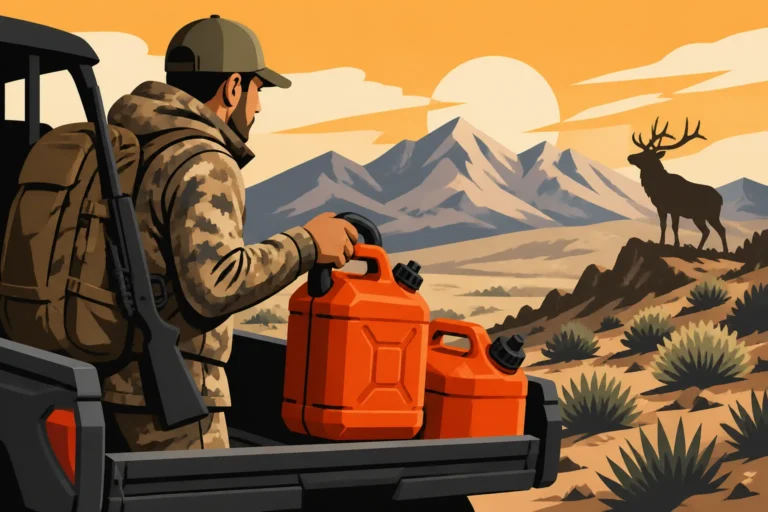
Carrying extra fuel safely in Nevada ensures hunters avoid becoming stranded in remote backcountry regions far from services.
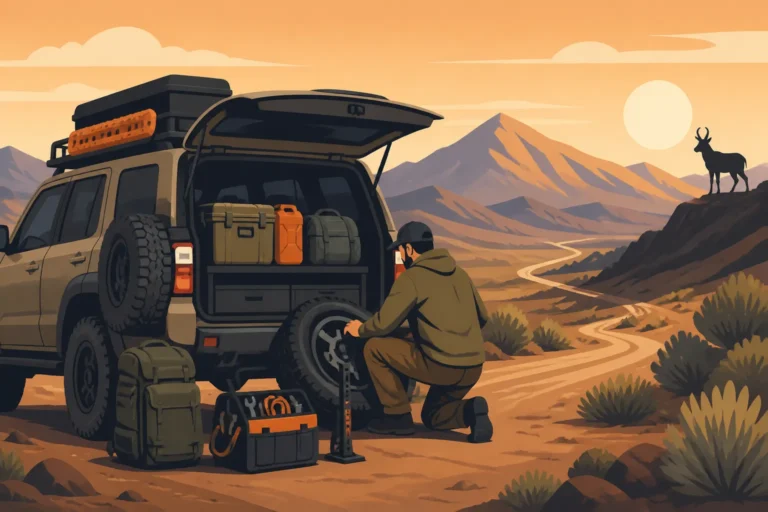
Vehicle preparation for remote Nevada roads helps hunters survive harsh backcountry terrain and extreme weather conditions safely.
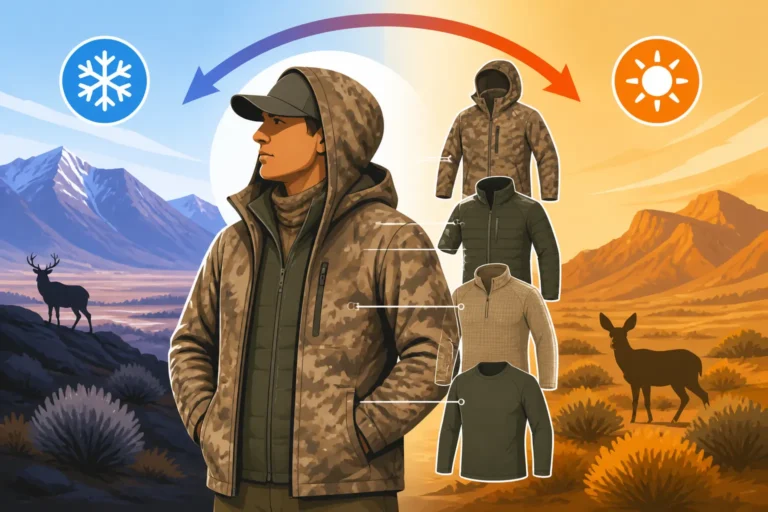
Nevada big game hunters facing extreme temperature swings learn how proper layering manages moisture and prevents dangerous hypothermia.
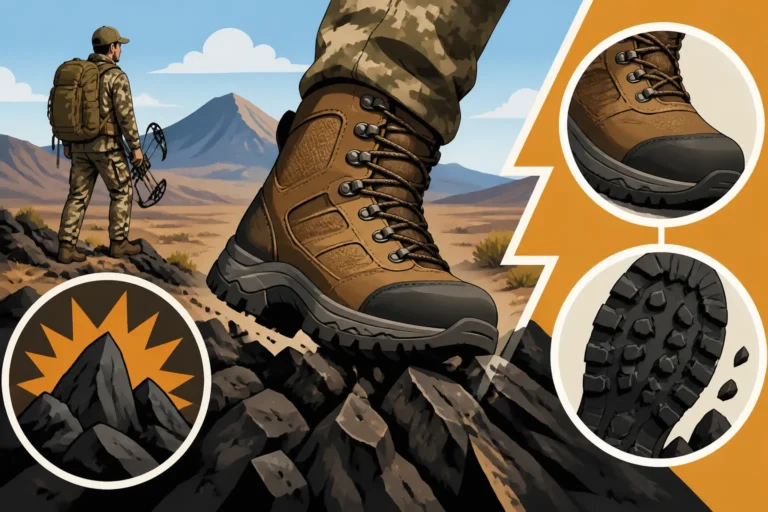
Hunting boots for Nevada volcanic rock require thick rubber rands, durable sole compounds, and 2.8mm full-grain leather.
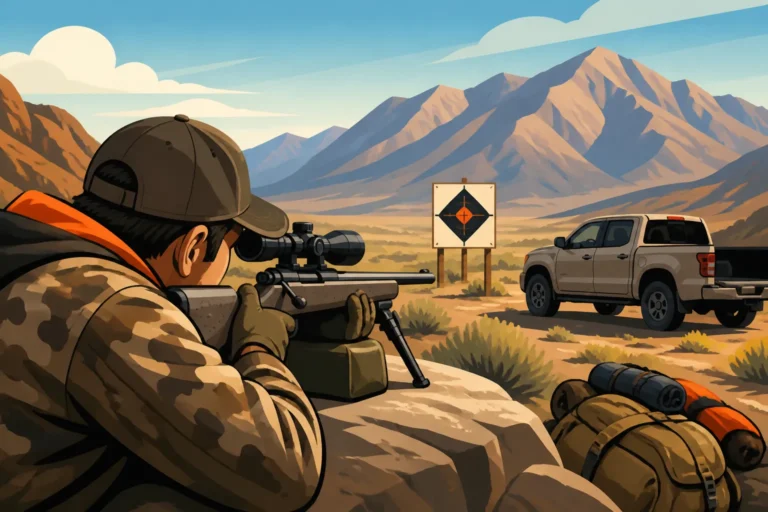
Re-confirming a rifle zero after driving Nevada backroads explains how vehicle vibrations and elevation changes shift impact points.
A pre-season practice routine prepares hunters physically and mentally for Nevada terrain, steep climbs, and shooting under pressure.
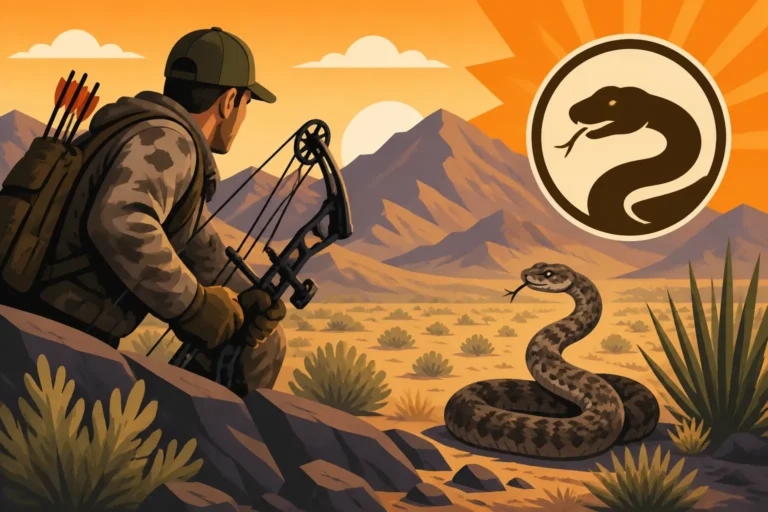
Nevada rattlesnake habits during August archery hunts, including dangerous species and peak activity times near water sources.
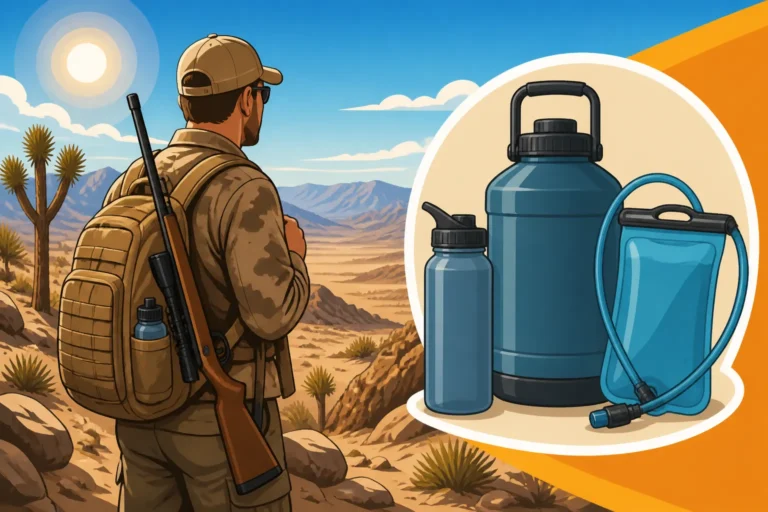
Nevada desert hunters learn how to calculate exact daily water needs for surviving high temperatures and extreme aridity safely.
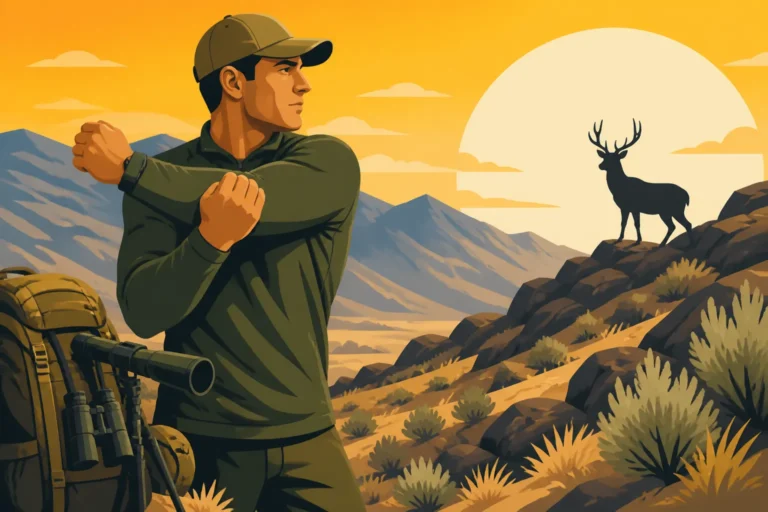
Nevada big game hunters build physical endurance for long glassing days through specific core and cardiovascular conditioning strategies.
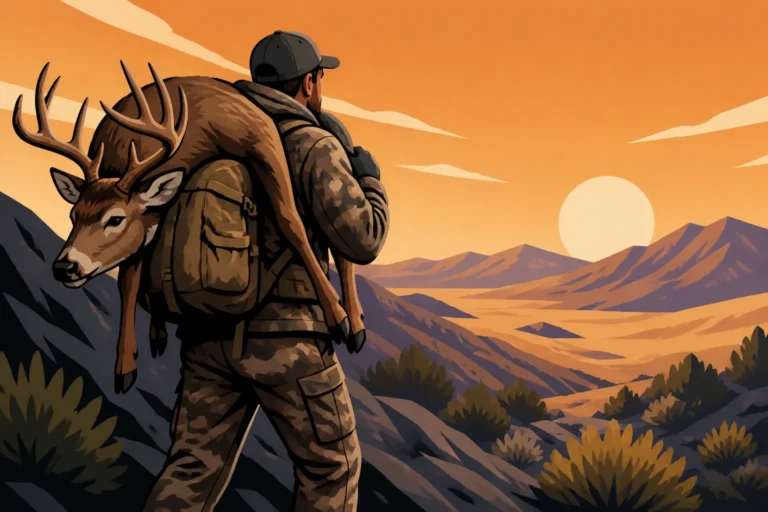
Strategies and physical preparation for packing an 80 to 100 pound mule deer load across steep Nevada backcountry terrain.