Whether You Get a Refund If You Fail to Draw
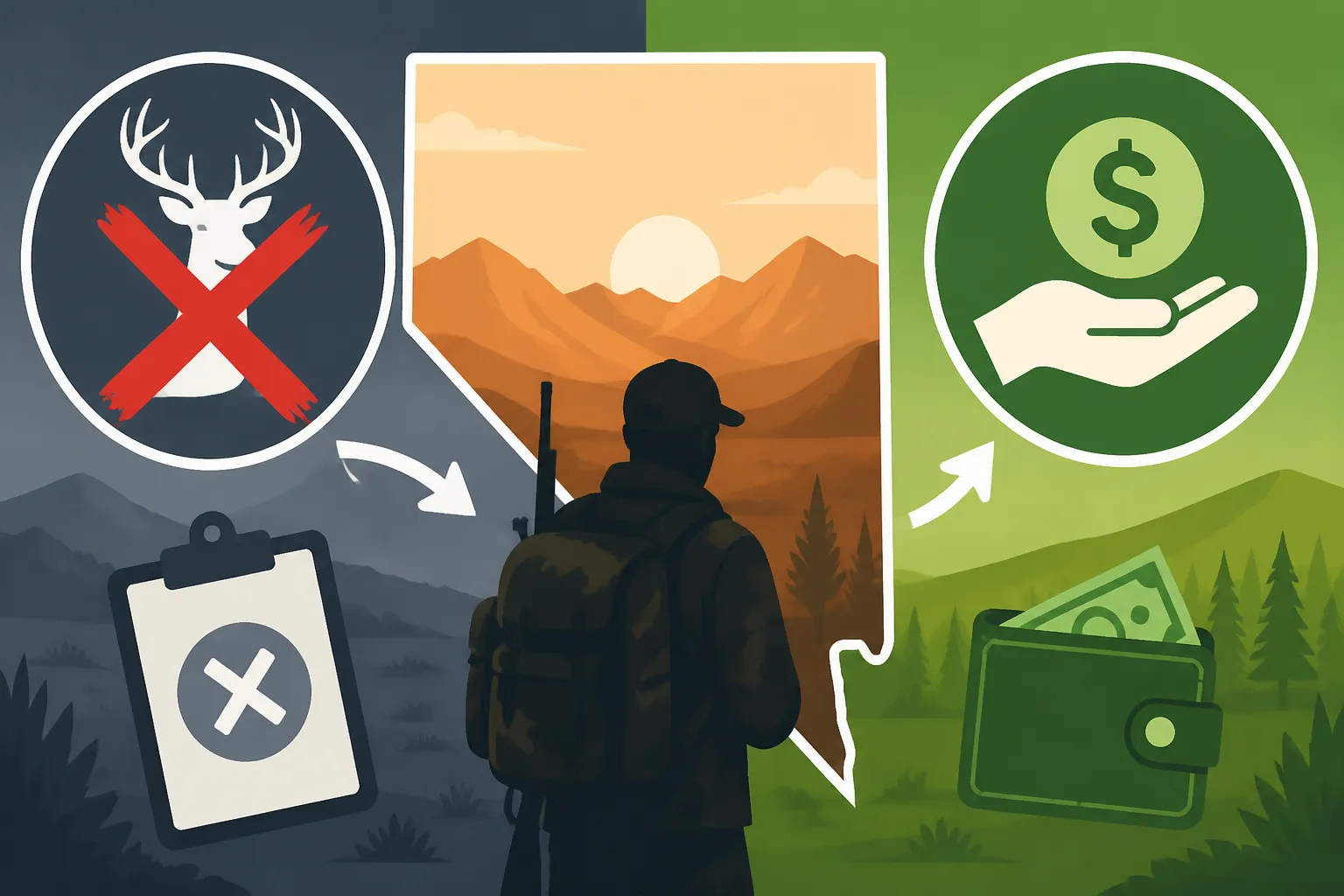
It's a frustrating but all too common scenario: you pour over the regulations, dream about that tag, submit your application, and then face the agonizing wait for draw results. Many hunters wonder what happens to their hard-earned money if they don't beat the odds and draw that coveted tag. This guide will walk you through the nuances of Nevada's refund policies, detailing what funds are returned and which are not, so you can manage your expectations and your budget.
Understanding Nevada's Application Fees and Process
Applying for big game tags in Nevada can feel like a game of chance with your finances on the line. It's crucial to understand the different components of what you're paying for when you hit that submit button, because not all parts of that transaction are treated the same way if you're unsuccessful in the draw.
The Initial Investment: Application Fees vs. Tag Costs
When you apply for a big game tag in Nevada, you're typically dealing with two distinct financial elements: the application fee and the actual tag fee. The application fee is a smaller, non-refundable charge associated with processing your application for each species. Think of it as the administrative cost for simply throwing your hat in the ring. This fee covers the work involved in taking your information, entering it into the draw system, and running the lottery, regardless of whether you succeed or fail. It's a fundamental part of the application process, and frankly, it's what keeps the lights on for managing the draw system itself. For example, Nevada Application Fees Per Species vary, so it's always worth checking the current regulations to know exactly what you'll be paying for each species you apply for.
The tag fee, on the other hand, is the full cost of the actual hunting tag itself. This is the substantial amount of money you'd pay if you were successful. Nevada uses a system where they generally don't charge you this full tag amount upfront. Instead, they "conditionally charge" your credit card. This means they place a hold or pre-authorization on your card for the full amount of the tag. If you draw, they complete the charge; if you don't, that hold is released. This system is designed to prevent the state from having to process thousands of refunds for unsuccessful applicants, making the financial side of the draw much smoother for everyone involved.
How the Draw Works: Conditional Charges and Point Systems
Nevada's draw system is quite unique, especially with its squared bonus point system designed to reward loyalty. Each time you apply for a big game tag and are unsuccessful, you typically accrue a bonus point for that species. These points are then squared, giving you exponentially more chances in future draws. For a deep dive into how this works, you might find How Nevada's Squared Bonus Point System Works incredibly insightful. These bonus points are tied directly to your application, and the application fee often contributes to the maintenance of these point records.
When you apply, your credit card information is held, and a conditional charge for the full tag amount is placed. This isn't an actual charge yet, but rather a verification that you have the funds available. It's a smart way to ensure that if you are successful, the payment is ready to go without further action needed from you. If you don't draw, that conditional charge simply expires or is released by your bank, usually within a certain timeframe. This means you aren't out the large sum of money for the tag unless you actually get it. This distinction is really important for hunters budgeting their seasons, especially those applying for multiple species or in multiple states.
The Waiting Game: When Your Card Gets Charged
The period between the application deadline and the release of draw results can feel like an eternity, filled with anticipation and checking your bank account. Hunters often obsess over when they might see a charge hit their card, as this is typically the first real indicator of success. Generally, if you're successful in drawing a tag, Nevada will finalize the charge for the full tag amount on your credit card shortly before the official draw results are released. This is why many hunters will diligently monitor their bank statements around the expected release date of results. A confirmed charge is usually excellent news! For more specific information on this, check out When Nevada Charges Your Card for a Tag.
However, if you don't see a charge, it typically means you were unsuccessful. Your conditional charge or hold will simply disappear from your account, often without a specific "refund" notification because the money was never officially taken out in the first place. It's less of a refund and more of a non-transaction. This system avoids a lot of administrative burden for both the state and the applicant, but it can be confusing if you're not familiar with how conditional charges work.
Refund Policies for Unsuccessful Applicants
The moment of truth arrives, and you check your results. If you didn't draw, understanding exactly what happens to your money is key to financial planning for future hunts. It's a common point of confusion, and frankly, it can be a real sore spot for hunters.
Application Fees: Generally Non-Refundable
Let's address the hard truth first: the application fee you pay when you submit your entry into the draw is almost always non-refundable. This small fee, which might be around twenty dollars for a resident or fifty dollars for a nonresident, is the cost of doing business. It covers the administrative overhead, the personnel time, and the system resources required to process your application and run the lottery, whether you get a tag or not. Imagine the logistical nightmare if the state had to refund thousands upon thousands of small application fees every year. It simply isn't feasible.
So, if you apply for mule deer, elk, or pronghorn and don't draw, that application fee is gone. It's essentially the price of admission to the lottery. While it might sting a little, especially after a disappointing draw result, it's a necessary part of the process that allows the game department to manage wildlife and fund essential programs. This is consistent across many western states, not just Nevada. If you're wondering, Are Nevada Application Fees Refundable? the answer for the application fee itself is typically no.
Tag Costs: The Conditional Charge System
This is where the good news comes in! For the actual tag fee—the significant sum that, for nonresidents, can run into hundreds or even over a thousand dollars—Nevada utilizes a conditional charge system. This means that when you apply, your credit card isn't immediately debited for the full tag amount. Instead, the state places a "hold" on those funds. It's like your bank is saying, "Yes, this person has enough money to pay for the tag if they draw."
If you are unsuccessful in the draw, that hold is simply released. The money never actually leaves your account. So, while you might see the funds "unavailable" for a period between your application and the draw results, they are returned to your accessible balance without any refund process needed. This is a huge relief for many hunters, as it prevents large sums of money from being tied up for months and then requiring a lengthy refund process. It’s important to understand this distinction; you're not getting a refund, the money was just never fully taken in the first place.
Special Cases: Applying Through Outfitters or Services
Sometimes, hunters work with outfitters or utilize third-party application services like BookYourHunt or GoHunt to navigate the complexities of draws, especially for high-demand species or nonresident applications. When you involve these services, their refund policies might come into play, which can be an additional layer to consider.
If you're booking a guided hunt through a service like BookYourHunt, you'll typically pay a deposit directly to the outfitter. This deposit often secures your spot for a specific hunt, contingent upon you drawing the tag. Outfitters understand the draw system, and most will have clear policies regarding deposits if you fail to draw. Some might offer to roll your deposit over to the next year's application, apply it to a different hunt, or provide a partial refund. It's absolutely critical to read the outfitter's contract and deposit terms very carefully before committing. Always ask for clarification on their refund policy if you don't draw the tag. For more on this, consider Typical Deposit Amounts Nevada Outfitters Ask.
Similarly, if you use a service like GoHunt for their insider information, draw odds, or application assistance, they typically charge a membership or service fee. This fee is for the information and tools they provide, not for the tag itself. These service fees are generally non-refundable, as you've received the value of their data and expertise regardless of your draw success. They are helping you make informed decisions, but they can't guarantee a tag. Always know what you're paying for with any third-party service and understand their specific terms regarding unsuccessful draws.
What Happens to Your Funds If You Don't Draw
The period after draw results are posted, especially if you're on the unsuccessful side, can feel anticlimactic. Knowing exactly what happens with your funds can alleviate some of the frustration.
Credit Card Reversals: The Most Common Scenario
As mentioned, Nevada's system typically places a conditional hold on your credit card for the full tag amount. If you are unsuccessful in the draw, this hold simply expires or is reversed by your bank. It's not a "refund" in the traditional sense where money is sent back to you. Instead, the temporary earmark on your funds is removed, and the full amount becomes available in your account once again.
This process is generally automatic and requires no action on your part. You won't receive a check in the mail or a specific "refund processed" email from NDOW for the tag fee. The funds just become available. It's often helpful to keep an eye on your online banking or credit card statements around the time draw results are released. You'll notice the pending charge or authorization disappear. If you don't, and you're still seeing a hold weeks after results, it's worth contacting your bank or credit card company to inquire about it.
Timing of Refunds: Patience is Key
While the conditional charge system means most of your funds aren't technically "refunded," the timing of when those funds become available can still vary. Typically, once draw results are officially released, banks and credit card companies will process the release of those holds within a few business days, often up to a week. The exact timeframe can depend on your specific financial institution. Some banks are quicker than others to clear these pending authorizations.
If you applied through a platform like GoHunt, they usually provide excellent communication about the draw timeline, helping you anticipate when to expect charges or releases. However, if you're getting close to two weeks past the draw results and still see a hold on a significant amount, it's definitely time to follow up with your bank or credit card provider. They can verify the status of the authorization and confirm its release. Remember, the state has done its part by not completing the charge; the ball is then in your bank's court to free up those funds.
Alternative Uses for Application Fees: Bonus Points
Even though the application fee itself is non-refundable, it's not entirely "lost" money. In Nevada, that fee contributes to your eligibility for bonus points. These points are incredibly valuable for future draws, especially for highly sought-after species. Every year you apply and are unsuccessful, you gain a bonus point for that species. These points are squared, meaning the more points you have, the higher your odds become.
For instance, if you apply for an elk tag this year, pay the application fee, and don't draw, you'll earn a bonus point. Next year, when you apply again, that point will give you a better statistical chance. It’s an investment in your future hunting opportunities. So, while you don't get the application fee back, you do get something of significant value in return – improved odds down the road. For many hunters, acquiring these points is just as important as drawing a tag, especially for species like elk or bighorn sheep where success rates are low. If you haven't already, you should explore What a Single Nevada Bonus Point Is Worth to truly understand the long-term value.
Strategies for Managing Your Application Investment
Navigating the financial aspect of applying for Nevada tags can be complex, but with a bit of planning, you can make informed decisions and manage your money effectively. It's about being prepared for both success and disappointment.
Budgeting for Multiple Applications
It's common for dedicated hunters to apply for multiple species in Nevada, or even in multiple states, to maximize their chances. However, this can quickly add up in application fees and conditional tag charges. Smart budgeting is absolutely essential. Before the application period opens, sit down and map out which species you want to apply for, what the application fees are for each, and what the potential full tag cost would be if you drew them all. This gives you a clear picture of the maximum funds that could be tied up or spent.
A detailed platform like GoHunt can be invaluable here. Their tools and data allow you to research draw odds by unit, see historical harvest data, and understand the financial implications of each application. You can use this information to prioritize your applications, perhaps focusing on units with better odds if your budget is tight, or strategically building points for species that are tougher to draw. Having a clear budget prevents surprises and ensures you have sufficient funds available on your card if you hit the jackpot on a highly desired tag. This way, you don't accidentally overextend yourself and miss out on a tag you actually drew because of insufficient funds.
Understanding Outfitter Deposit Policies
If you're considering a guided hunt, especially for premium tags like bighorn sheep or trophy elk, outfitters are often a key part of the equation. Many outfitters operate on a system where you pay a deposit upfront to secure your dates and their services, with the understanding that the full payment is due only if you draw the tag. This deposit structure is largely built around the draw uncertainty.
Before you send any money, have a frank discussion with the outfitter about their refund or rollover policy if you fail to draw. Will they refund your deposit in full? Will they apply it to the next year's application for the same species? Or perhaps to a different hunt entirely? Every outfitter is different, and their terms will be outlined in their contract. A reputable outfitter will be transparent about this. Services like BookYourHunt can connect you with vetted outfitters and often have a clear understanding of their partners' policies. Just remember to always verify directly with the outfitter and get everything in writing. Being clear on this upfront can save you a lot of headache and potential financial loss if the draw doesn't go your way.
When to Seek Support for Payment Issues
While Nevada's conditional charge system is designed to be smooth, issues can occasionally arise. If you notice a conditional charge or authorization hold on your account that hasn't cleared within a reasonable timeframe (say, two weeks after draw results are public), or if you accidentally had the full tag fee charged despite being unsuccessful (which is rare but could happen due to a glitch), it's important to act.
Your first point of contact should generally be your bank or credit card company. They can see the specific details of the authorization or charge and determine if it's still pending or if a completed transaction occurred. If it turns out there was an error with the state's processing, your bank can guide you on the next steps, which might involve contacting the Nevada Department of Wildlife (NDOW) directly. Keep all your application confirmation numbers and any transaction IDs handy, as these will be crucial for tracing any potential issues. Don't let a lingering charge or hold go unaddressed; proactive communication is your best friend in these situations.
| Funding Type | Charged Upfront? | Refunded If Unsuccessful? | What Happens? |
|---|---|---|---|
| Application Fee | Yes | No | Used for administrative costs and accrues bonus points. |
| Tag Fee | No (Conditional) | N/A | Funds are held via authorization; released if no draw. |
| Outfitter Deposit | Yes (Typically) | Varies by contract | Check specific outfitter's terms for refund/rollover. |
| Service Fee (e.g., GoHunt) | Yes | No | Pays for data/tools; value received regardless of draw. |
Disclaimer
This article is for general informational purposes only and does not constitute professional advice. Laws, prices and regulations vary by location and change over time. Consult a qualified professional for guidance on your specific situation.