What a Drop Camp Actually Includes
It can be incredibly confusing when you start looking into different hunting opportunities in Nevada's vast backcountry, especially when you encounter terms like "drop camp." Many hunters wonder exactly what they're signing up for with a drop camp—is it bare bones, or does it offer some comfort? This guide aims to demystify what a drop camp actually includes, helping you understand the logistics, expectations, and whether this unique experience is the right fit for your next high-desert adventure.
The Core Concept of a Drop Camp in Nevada
When you picture a hunt in Nevada, you might imagine a fully guided experience with an outfitter taking care of every detail, or a completely do-it-yourself (DIY) trip where you pack everything on your back. A drop camp carves out a middle ground, offering a crucial service without the constant presence of a guide. It's designed for hunters who possess solid self-reliance skills but need help with the sheer logistical challenge of getting deep into remote, roadless country with all their gear. This often involves vast stretches of wilderness or road-restricted areas that are simply too far to access daily from a truck.
What Defines a Drop Camp in Nevada's Backcountry
At its heart, a drop camp is an arrangement where an outfitter transports you and your pre-arranged camp gear, often via horseback or pack string, into a designated remote location. They "drop" you and your supplies off, leaving you to hunt independently for a set number of days. At the end of your hunt, they return to "pick" you up. This service primarily addresses the immense physical and logistical challenge of deep backcountry access, which is a very real barrier in much of Nevada. Think about trying to carry a full camp, a week's worth of food, your hunting gear, and then, hopefully, an elk or deer out of a roadless canyon. It's a monumental task for one or two people.
The beauty of a drop camp lies in its blend of independence and convenience. You get the solitude and self-direction of a DIY hunt, but you don't have to break your back hauling hundreds of pounds of gear miles into the wilderness. It's not a luxury experience, but it's a significant upgrade from carrying every last item yourself. It allows you to focus on the hunting itself, rather than the grueling task of packing in and out. This can be especially appealing for hunters targeting species in areas that are known for tough access, like certain elk units or high-elevation mule deer country.
Logistics: Getting You and Your Gear Into the Field
The logistical details are really where a drop camp shines. Most Nevada outfitters offering drop camp services will use horses or mules to transport you and your equipment. This isn't just a scenic ride; it's a practical necessity for reaching areas that are miles beyond the nearest trailheads or primitive two-track roads. Your outfitter will typically have specific weight limits for your personal gear, so you'll need to pack smartly and efficiently. This usually means soft-sided bags and duffels that are easy to secure onto a pack animal.
The process often begins at a designated rendezvous point, usually a trailhead or a base camp accessible by vehicle. From there, you'll meet the outfitter, load up your gear, and then either ride in on horseback or hike alongside the pack string to your predetermined camp location. The ride itself can take several hours, depending on how deep into the mountains or deserts your chosen spot is. When planning your trip, it's crucial to discuss these logistics in detail with your outfitter. Find out the typical travel time, the terrain you'll be covering, and any specific packing instructions they might have. This pre-planning ensures everything runs smoothly on both ends and sets clear expectations for your journey into the wild. Remember, even with a drop camp, you're still embracing the ruggedness of Nevada. Packing an Animal Out of Roadless Country is still very much your responsibility once an animal is on the ground.
What You Can Typically Expect a Nevada Drop Camp to Provide
While every outfitter is a little different, there's a general framework for what a drop camp usually includes. It's important to remember that "camp" can mean different things, from a relatively simple spike tent to a more robust wall tent setup. The specific amenities often depend on the cost of the service and the remoteness of the location. Many hunters utilize services like BookYourHunt or GoHunt to compare different drop camp offerings and see exactly what each outfitter lists as included before making a decision.
Camp Amenities: Shelter, Water, and Basic Comforts
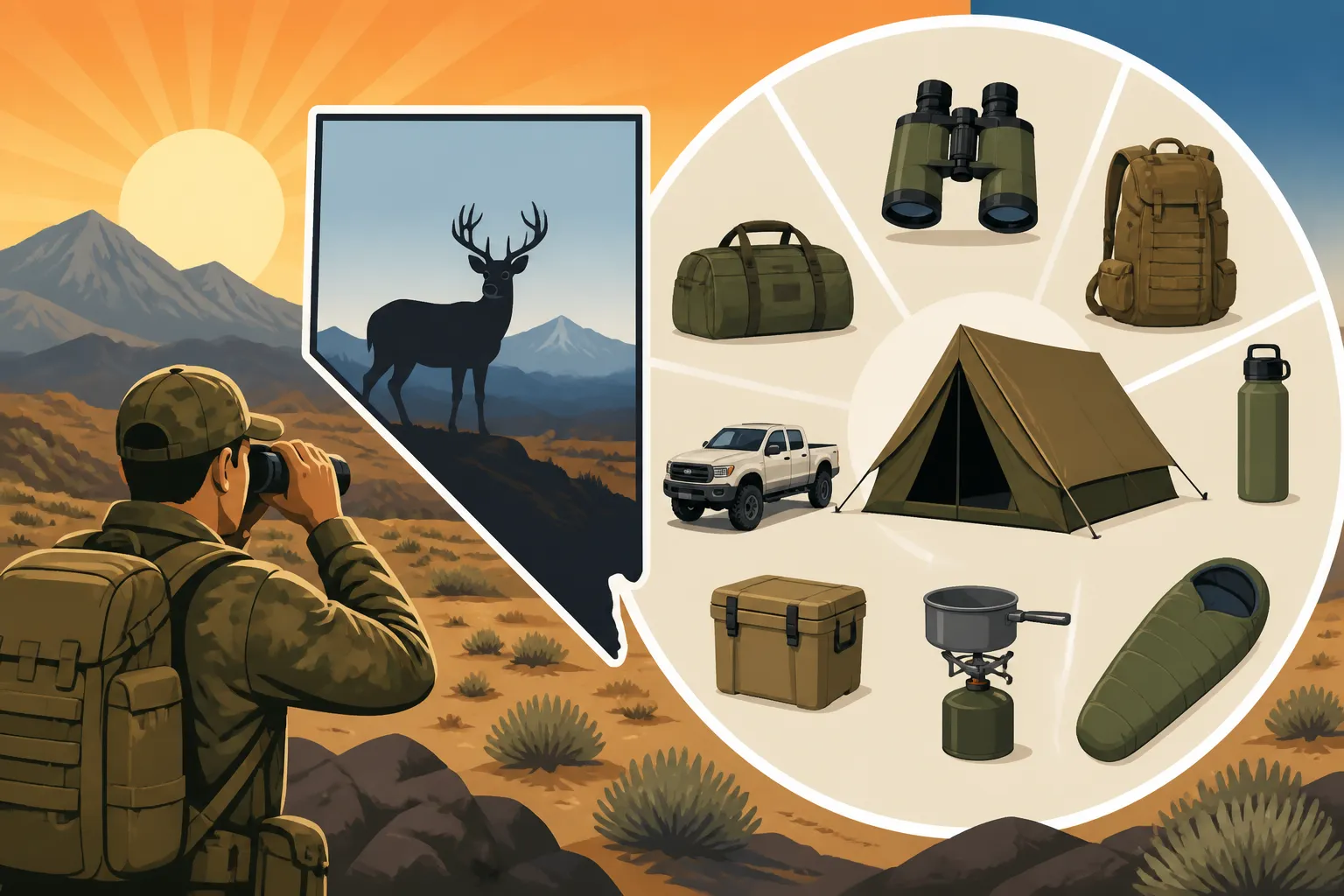
The core of a drop camp provision is the shelter. You can typically expect a sturdy tent, often a wall tent large enough for your group, complete with a cot or sleeping pad for each hunter. These tents are designed to withstand the often harsh and unpredictable weather found in Nevada's mountains, which can change from warm sunshine to snow squalls in a matter of hours, especially during later seasons. You might also find a wood-burning stove inside the tent, which is an absolute game-changer for drying gear and staying warm on cold mornings and evenings. This isn't just about comfort; it's about safety and maintaining your ability to hunt effectively day after day.
Beyond the shelter, most reputable outfitters will ensure you have a reliable source of water, whether it's a nearby spring, a filtered water system, or a supply of bottled water packed in. They will also often provide a basic cooking setup, such as a propane stove, cooking pots, and utensils. Don't expect a gourmet kitchen, but enough to prepare your meals. Some even include a small table and chairs. Sanitation facilities are usually very basic, often a designated cathole area or a simple pit toilet. The goal is to provide a functional, safe, and relatively comfortable base from which to hunt, allowing you to recover from long days of glassing basins and climbing ridges.
Essential Gear Provided by the Outfitter
In addition to the main camp structure, outfitters typically provide some essential communal gear that would be a nightmare to pack in yourself. This almost always includes a first-aid kit, a crucial item given the remote nature of these hunts. They often supply axes or saws for processing firewood, and perhaps even a cooler or two for game storage, although keeping meat cool on an early season hunt will still require effort on your part. Getting Meat Cooled on an Early Season Hunt is a critical skill. Some might offer a communication device, like a satellite phone or a two-way radio, for emergencies or scheduled check-ins, which is a fantastic safety net when you're miles from cell service.
Here's a breakdown of common items provided:
| Item Type | Typical Inclusions | Notes |
|---|---|---|
| Shelter | Wall tent or large dome tent | Weather-resistant, sized for group, often with a wood stove. |
| Sleeping | Cots or thick sleeping pads | Provides insulation from the ground. |
| Cooking | Propane stove, cooking pots, utensils, maybe a table | Basic setup for preparing meals. |
| Water | Filtered water source, bottled water, or a spring | Assured access to potable water. |
| Safety | Comprehensive first-aid kit, emergency contact plan | Essential for remote hunting. |
| Communal | Axes/saws for firewood, coolers (sometimes) | Reduces individual packing load for bulky items. |
| Communication | Satellite phone or radio (less common, check) | For emergencies or scheduled check-ins. |
It's vital to get a detailed list from your chosen outfitter of exactly what they provide. This prevents costly assumptions and ensures you don't double-pack or, worse, forget something critical. When you're dealing with challenging terrain and weather, being prepared isn't just about comfort, it's about survival and success.
What Hunters Are Responsible For on a Drop Camp Hunt
While the outfitter handles the heavy lifting of getting the camp in and out, the bulk of the hunting experience and personal sustenance falls squarely on your shoulders. This is why a drop camp is best suited for experienced hunters who are confident in their abilities to navigate, stalk, and care for an animal without direct guidance. It's a true test of self-reliance, albeit with a logistical assist.
Personal Gear, Food, and Hunting Equipment
You are entirely responsible for your personal hunting gear. This includes your weapon (rifle, bow, or muzzleloader), ammunition, optics, backpack, sleeping bag, and all your clothing. Nevada weather can be extreme, so Layering for Basin and Range Temperature Swings is not just a suggestion, it's a necessity. Your sleeping bag needs to be rated for the expected overnight lows, which can drop well below freezing even during early fall hunts. Don't skimp here; a good night's sleep is critical for performance.
Perhaps the biggest responsibility for hunters on a drop camp is providing all their own food. This means planning every meal for the duration of your stay, accounting for breakfast, lunch, dinner, snacks, and drinks. Dehydrated meals are popular for their light weight, but you might also opt for some canned goods or shelf-stable items. Remember to pack enough for the entire duration, plus an extra day or two in case of unexpected delays. Dehydration is a real concern, so always carry ample Water You Must Carry on a Desert Day Hunt, even if your camp has a water source. Think about how you'll cook your food with the provided setup and what spices or condiments you might want. This food planning is often overlooked but is absolutely vital for maintaining energy and morale throughout a physically demanding hunt.
Field Care and Extraction of Your Harvest
This is where the "self-reliant" aspect of a drop camp truly comes into play. If you're fortunate enough to harvest an animal, the responsibility for field dressing, quartering, and preserving the meat is 100% yours. Outfitters will typically provide game bags as part of their general supplies, but you should still bring your own knives, a sharpener, and potentially a bone saw. Given that you're in a remote location, you'll need to work efficiently to get the meat cooled down, especially on an August archery hunt or an early September elk hunt. Field Dressing in August Heat requires speed and precision to prevent spoilage.
Once the animal is quartered and bagged, you then face the challenge of transporting it from the kill site back to your drop camp. This might involve several trips on foot, particularly if it's a large animal like an elk. Some hunters bring game carts or sleds, but these are often impractical in the rugged, steep terrain of Nevada. The outfitter will pick up your harvested game along with your camp gear at the end of the hunt, but you are responsible for getting it to the drop camp location, or at least to a point accessible by their pack animals. Confirm these details with your outfitter beforehand: how far will they go to retrieve an animal? What are the logistics for loading game onto their pack animals at the end of the trip? This is a crucial piece of information that can make or break your hunt, as failing to retrieve your animal can lead to a violation of The Meat Salvage Requirements for Big Game.
Benefits and Drawbacks of a Nevada Drop Camp
Choosing a drop camp isn't just about what's included, it's about weighing the overall experience against your hunting style, budget, and desired level of independence. It's a fantastic option for some, but not for everyone.
When a Drop Camp Makes Sense for Your Hunt
A drop camp is ideal for experienced hunters who want a true backcountry hunting experience without the extreme physical burden of packing in all their gear. If you're comfortable with navigation, tracking, calling, and field processing, but lack the horses, time, or physical capacity to haul a full camp miles into the wilderness, a drop camp is an excellent solution. It's often more affordable than a fully guided hunt, making it accessible for hunters on a tighter budget who still want to access prime, low-pressure areas. Preparing Physically for Long Glassing Days is still critical, as you'll be doing all the legwork for the hunt itself.
Furthermore, a drop camp gives you complete control over your daily schedule, hunting strategy, and camp life. There's no guide to tell you where to go or when to wake up. This autonomy is highly valued by many seasoned hunters. It allows for a more intimate connection with the land and the hunt itself, fostering a deep sense of accomplishment when you succeed. For those who want to hunt specific, remote units in Nevada that are otherwise unreachable, a drop camp becomes a strategic advantage. It significantly expands the areas you can effectively hunt, potentially putting you in front of bigger, less pressured animals.
Comparing Drop Camps to Fully Guided and DIY Hunts
To really understand where a drop camp fits, let's look at how it stacks up against the other popular options for Nevada hunting.
| Feature | Fully Guided Hunt | Drop Camp Hunt | DIY Public Land Hunt |
|---|---|---|---|
| Outfitter Role | Provides everything: guide, camp, food, game retrieval, strategy. | Provides transport, camp, water, basic cooking gear, pick-up. | Hunter provides everything: gear, food, transport, strategy, game retrieval. |
| Independence | Minimal | High | Absolute |
| Cost | Highest (often thousands or tens of thousands) | Mid-range (hundreds to low thousands) | Lowest (gear investment, travel costs) |
| Physical Demands | Moderate to high (guide handles heavy work, but you hunt hard) | Moderate to high (you hike, hunt, process game) | Highest (you hike, hunt, process, pack everything in/out) |
| Experience Level | Any (great for beginners or those seeking maximum success) | Experienced, self-reliant hunters | Very experienced, highly self-reliant |
| Backcountry Access | Often to prime, remote areas | Access to remote areas, but self-directed | Limited by physical ability and gear capacity |
| Game Retrieval | Handled by guide/outfitter | Hunter gets game to camp/pick-up point | Entirely hunter's responsibility |
As you can see, a drop camp truly occupies that sweet spot. You get access to some incredible country, perhaps even areas that are just too far for a typical DIY backpack hunt. You also maintain the freedom to hunt your way, exploring and adapting your strategy as the days unfold. However, you're still relying on your own skills and resilience for the actual hunting and meat care. If you're looking for an alternative to a traditional guided hunt but aren't quite ready to carry every single item yourself, a drop camp might just be your perfect Nevada adventure. Just be sure to vet your outfitter thoroughly, check their references, and ask a ton of questions about their services, safety protocols, and what they specifically include for a Nevada Drop Camp Hunt.
Disclaimer
This article is for general informational purposes only and does not constitute professional advice. Laws, prices and regulations vary by location and change over time. Consult a qualified professional for guidance on your specific situation.