Online and Classroom Hunter Education Compared
Trying to figure out the best way to get your hunter education done in Nevada can feel like navigating a maze, especially if you're new to the hunting scene or just looking to brush up on the latest regulations. It's a critical step that every hunter needs to clear, but with both online and traditional classroom options available, many folks are left wondering which path truly makes the most sense for them. This guide will meticulously break down both methods, helping you understand their nuances, benefits, and challenges, so you can make an informed decision and get out into the sagebrush sooner.
Understanding Nevada's Hunter Education Mandate
Before we dive into the nitty-gritty of how you get certified, it's crucial to grasp why we even have hunter education in the first place, and what Nevada specifically requires. It's not just a hoop to jump through; it's a fundamental part of ensuring safety, ethical hunting practices, and the long-term health of our wildlife resources.
Who Needs Hunter Education in Nevada
The Nevada Department of Wildlife (NDOW) has a clear stance on who needs to complete hunter education. Essentially, if you're born after January 1, 1960, and you plan to hunt big game in Nevada, you need proof of hunter education. This often catches seasoned hunters from other states off guard if they've never had to show it before, but the rule is pretty steadfast here in the Silver State. There are very few exemptions, mostly pertaining to active military personnel or those who’ve held valid hunting licenses in Nevada prior to the rule's implementation. For most aspiring hunters, especially younger individuals, it's a non-negotiable requirement. It’s important to understand that this rule isn't just about handling a firearm; it covers everything from wildlife identification to understanding game laws and ethical behavior in the field. If you're unsure if you fall into this category, it's always best to check the official Nevada hunting regulations. The good news is, Nevada accepts hunter education from any state, which is a huge relief for many folks moving into the area or those who've hunted elsewhere.
Core Curriculum: What You'll Learn
Regardless of whether you choose the online or classroom route, the core curriculum remains largely the same, mandated by the International Hunter Education Association (IHEA) standards which Nevada adheres to. This means you’re going to cover a broad range of topics designed to make you a safe and responsible hunter. Expect to delve into firearm safety, including how to safely load, unload, carry, and store various types of hunting firearms. You'll also learn about hunting ethics – a huge part of being a responsible hunter – which includes respect for wildlife, landowners, and other outdoor users.
Beyond the basics, the curriculum covers wildlife identification, focusing on common game animals you'll encounter in Nevada, and even some non-game species you might confuse them with. You'll also explore basic wildlife management principles, understanding why seasons are set the way they are and the role hunters play in conservation. Navigating the field safely is another big component, touching on topics like compass and GPS use, survival skills, and first aid for those unexpected bumps and scrapes that often happen miles from the nearest road. Lastly, you’ll get a deep dive into Nevada's specific hunting regulations, covering everything from legal shooting hours and blaze orange requirements in Nevada to tagging procedures and reporting your harvest. It's a lot of information, but it's all vital for a successful and ethical hunt.
The Online Hunter Education Experience
For many busy individuals, the idea of completing hunter education from the comfort of their home, on their own schedule, is incredibly appealing. The online option offers a level of flexibility that traditional classroom settings simply can't match, fitting into hectic work schedules or family commitments.
Self-Paced Learning and Digital Content
The hallmark of online hunter education is its self-paced nature. Unlike a fixed classroom schedule, you can log in and out as your time allows, tackling modules at your own speed. This is fantastic for those who learn best by breaking material into smaller chunks or who need to revisit certain topics multiple times before they stick. The content is typically delivered through a mix of engaging multimedia: interactive lessons, videos demonstrating safe firearm handling, animations explaining game laws, and quizzes to test your understanding as you go. You'll click through chapters, often accompanied by narration, illustrations, and real-world scenarios that help solidify the concepts.
For instance, a module on treestand safety might include a video demonstrating proper harness use, followed by a simulated quiz asking you to identify hazards. This digital-first approach means you’re not just reading a textbook; you’re interacting with the material in a dynamic way. While the flexibility is a huge plus, it does demand a certain level of self-discipline to stay on track and absorb the information without a physical instructor guiding your pace. It’s also worth noting that some courses might even integrate resources like GoHunt which can be useful once you start thinking about applying for tags after certification.
Mandatory Field Day Requirements
Here's the kicker with online hunter education in Nevada: completing the online portion is just step one. Once you pass the digital course and its final exam, you are not fully certified. Nevada, like many other states, requires a mandatory "field day" or "live-fire" component to ensure you have the practical skills and hands-on experience that digital learning can't fully replicate. This is where you get to put theory into practice under the watchful eye of certified instructors.
During a field day, you'll typically spend several hours working through various stations. This often includes live-fire exercises on a shooting range, where you'll practice safe firearm handling, shooting fundamentals, and muzzle control. Instructors will evaluate your ability to safely load, shoot, and unload a firearm, ensuring you understand safe zones of fire. You'll also participate in hands-on scenarios that might cover ethical shot placement, blood trailing, knot tying, or basic survival skills like fire starting. This practical application is invaluable, helping you develop the muscle memory for safety and giving you a chance to ask questions about real-world hunting situations you might face. These field days are often scheduled on weekends and fill up quickly, so planning ahead is crucial once you’ve completed the online modules.
The Traditional Classroom Experience
For those who thrive in a structured environment and appreciate direct interaction, the traditional classroom setting for hunter education remains a popular and highly effective option. It brings a different dynamic to the learning process, fostering a sense of community and providing immediate access to experienced instructors.
Structured Learning and Instructor Interaction
Walking into a traditional hunter education class means you're stepping into a fixed schedule, usually spread over several evenings or a full weekend. This structure can be a huge benefit for learners who prefer a set routine and the accountability of a scheduled presence. You'll be taught by NDOW-certified instructors, often seasoned hunters themselves, who bring a wealth of real-world experience and anecdotes to the classroom. This isn't just about reading slides; it's about listening to stories of successes and mistakes, gaining insights you won't find in any textbook.
The beauty of this environment is the immediate feedback and direct interaction. You can raise your hand and ask a question the moment it pops into your head, getting clarification on complex topics like "Nevada's August Archery Deer Season Opens the Year" or "Legal Shooting Hours and Blaze Orange in Nevada." Instructors can tailor their explanations, provide extra examples, or address common misconceptions in real time. This dynamic exchange often leads to a deeper understanding of the material and can be especially beneficial for younger hunters who might have many questions. The sense of camaraderie among fellow students is also a big plus, as you're all sharing this foundational learning experience together.
Hands-On Activities and Peer Engagement
Beyond lectures, traditional classroom courses frequently incorporate hands-on activities right into the learning process. You might handle inert training firearms, practice safe carries, or learn how to properly cross an obstacle with a firearm. Instructors often bring in samples of gear, such as different broadhead requirements for bowhunting or various types of blaze orange, allowing you to see and touch the equipment you'll be using. This immediate tactile experience can greatly enhance understanding, especially for visual and kinesthetic learners.
One of the often-overlooked benefits is the opportunity for peer engagement. You're learning alongside other aspiring hunters, from all walks of life, and the discussions that arise can be incredibly enriching. You might hear different perspectives on ethical scenarios or share your own experiences and questions. This interaction builds a network, sometimes even leading to future hunting partners. The shared experience also prepares you for the realities of being in the field, where you'll often be with others and need to communicate effectively about safety and tactics. The practical application of skills, combined with the shared learning, makes the traditional classroom a comprehensive and often memorable experience.
Comparing the Key Differences: Online vs. Classroom
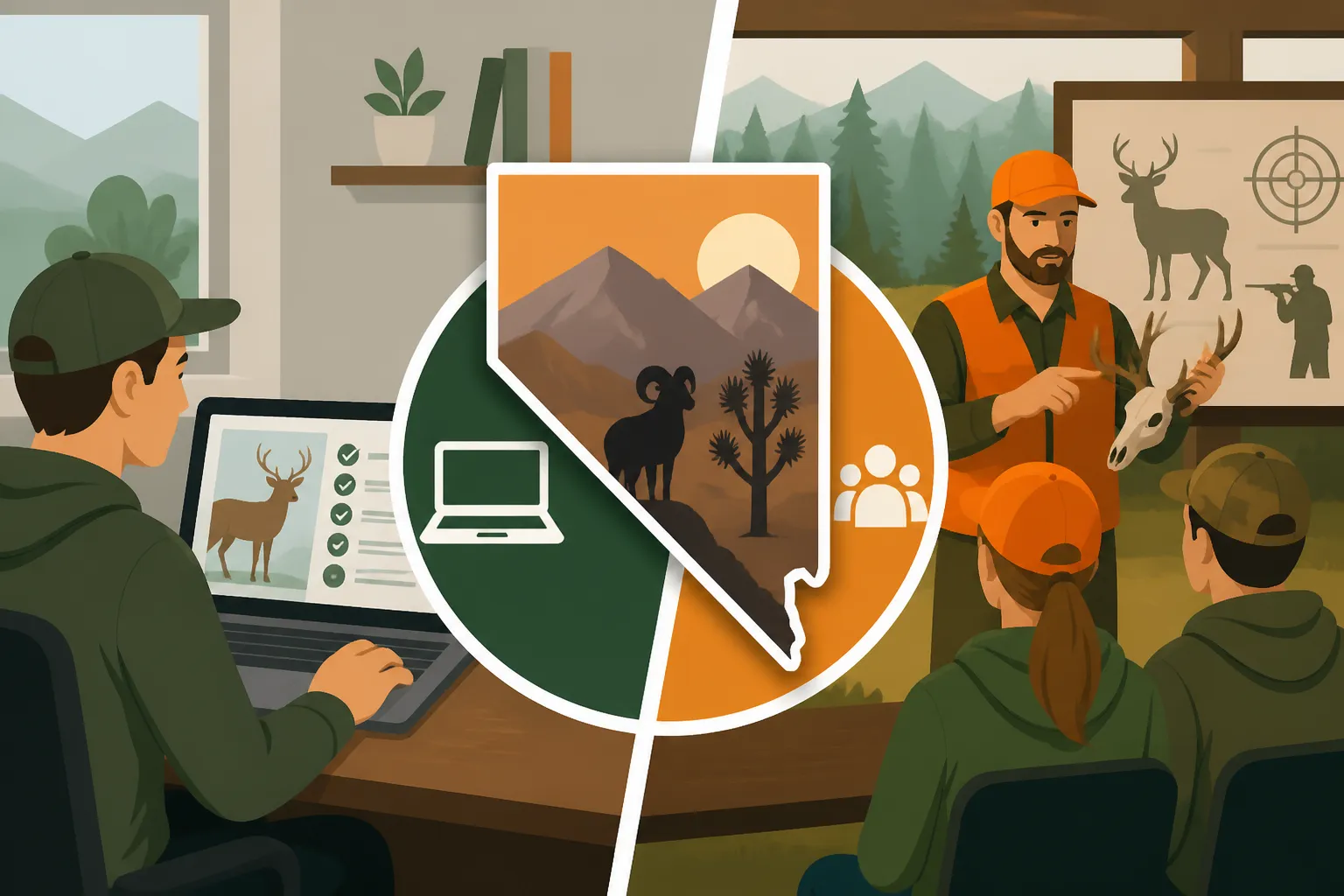
When it comes down to choosing between online and classroom hunter education, it's not about one being inherently "better" than the other, but rather which one aligns best with your learning style, schedule, and personal preferences. Both lead to the same certification, but the journey to get there is quite different.
Flexibility vs. Structure
The most apparent difference lies in the learning environment itself. Online courses offer unparalleled flexibility. You can learn late at night, early in the morning, or during lunch breaks – whenever you have a moment to spare. This is a game-changer for individuals with demanding jobs, irregular schedules, or significant family responsibilities. You dictate the pace, allowing you to breeze through familiar topics and spend extra time on challenging ones. However, this freedom comes with a need for strong self-motivation. Without external deadlines or a live instructor checking in, it's easy to procrastinate or get sidetracked.
In contrast, classroom courses provide a highly structured environment. You have fixed start and end times, designated breaks, and a clear progression through the material. This structure can be ideal for those who struggle with self-discipline or prefer a guided learning path. The scheduled nature means you're committing specific blocks of time, which can be tough to fit into a busy life, but once you're there, the learning is immersive. For some, the mere act of showing up at a physical location helps them focus and retain information. The choice here really boils down to whether you thrive with autonomy or perform better with a clear, external framework.
Cost and Time Commitment
When it comes to cost, online courses typically involve a fee for the digital content, which can range anywhere from $15 to $30 or more, depending on the provider. Additionally, there might be a separate, smaller fee for the mandatory field day, often collected by the organization hosting it. These field day costs help cover range fees, instructor time, and materials. Classroom courses, on the other hand, often have a single, upfront fee that covers all instruction and materials. These fees can sometimes be slightly higher than the online course plus field day combined, but they also represent a bundled value for the entire experience, including direct instructor access and hands-on activities. Sometimes, local clubs or organizations might even offer them at a reduced cost or for free to encourage participation.
The time commitment is another significant factor. An online course can take anywhere from 6 to 10 hours of dedicated screen time, plus the additional 4-8 hours for the in-person field day. While the online portion is flexible, the total cumulative time investment is substantial. Classroom courses can range from 10 to 16 hours of instruction, often compressed into a weekend or spread across several evenings. While these hours are fixed, some find that the immersive nature of a classroom environment allows for more efficient learning, making the overall time feel more productive. It's about deciding whether you prefer to spread out your learning over an extended period or concentrate it into a more intensive, shorter duration.
Here’s a quick overview to help you weigh the options:
| Feature | Online Hunter Education | Traditional Classroom Education |
|---|---|---|
| Flexibility | High; self-paced, learn anywhere, anytime. | Low; fixed schedule, specific location and times. |
| Structure | Requires self-discipline to stay on track. | Highly structured with set curriculum and breaks. |
| Instruction | Digital content (videos, interactive modules), virtual quizzes. | Live instructors, direct Q&A, real-time feedback. |
| Cost (Est.) | $15-$30 for online course + separate field day fee. | $20-$50 (often bundled, may vary by host). |
| Time (Est.) | 6-10 hours online + 4-8 hours field day. | 10-16 hours total, usually compressed (e.g., weekend). |
| Hands-On | Field day only, practical application. | Integrated throughout, with interactive exercises and demonstrations. |
| Peer Interaction | Limited (unless forum/group project), mainly individual. | High, fosters group discussion and camaraderie. |
| Prerequisites | Must be able to use a computer/internet. | No specific tech skills, attendance is key. |
Social Interaction and Learning Environment
The social aspect of hunter education differs dramatically between the two methods. Online courses are, by their very nature, a solitary experience. You're alone with your screen, absorbing information without the immediate presence of other learners or instructors. While this can minimize distractions for some, it can also lead to feelings of isolation and fewer opportunities for informal learning or networking. You might connect with your future hunting partners using tools like GoHunt to scout units, but the initial learning itself is a solo journey.
Conversely, traditional classroom courses are highly social. You're surrounded by individuals who share a common interest, creating an environment ripe for discussion, shared experiences, and building connections. Instructors can facilitate group activities, encourage debates on ethical dilemmas, and lead Q&A sessions where everyone benefits from the questions asked. This communal learning can be incredibly motivating and often provides a richer context for the information. For many, the ability to interact with and learn from seasoned local hunters who often serve as instructors is a huge draw. They can share specific insights about Glassing Nevada's Basin and Range for Mule Deer or the unique challenges of hunting in Nevada's diverse terrain that a digital course might not fully convey.
Choosing the Right Path for You
Deciding between online and classroom hunter education really comes down to a personal assessment of your learning style, lifestyle, and what you hope to gain from the experience. There’s no single "right" answer, only the best fit for you.
Assessing Your Learning Style
Are you someone who thrives on independent study, enjoys reading, and can stay focused without external prompts? The online course might be a perfect match. If you prefer to absorb information at your own pace, rewind videos, and review modules multiple times, the flexibility of digital learning will be a huge advantage. This path often suits introverted learners or those who find large group settings distracting. You’ll also need to be comfortable with technology, navigating websites, and taking online quizzes and exams.
On the flip side, if you learn best through active discussion, hands-on activities, and direct questioning, a traditional classroom setting could be far more effective. Extroverted learners, those who benefit from hearing different perspectives, or anyone who struggles with self-motivation will likely flourish in a structured, interactive environment. Many people find that having a live instructor simplifies complex topics and provides immediate clarity, which can be invaluable when dealing with nuanced regulations or safety protocols. Think back to your most successful learning experiences – were they independent or collaborative? That’s a good indicator.
Considering Your Schedule and Location
Your personal schedule and geographic location will play a significant role in your decision. If your weeks are unpredictable, filled with work travel, shift changes, or demanding family obligations, the online course offers the ultimate flexibility. You can chip away at the modules whenever you find a spare half-hour, without the pressure of fixed attendance. This can be a lifesaver for people living in remote areas of Nevada where physical classroom courses might be few and far between, or require a long drive. Remember, even with online, you'll still need to factor in the specific dates and locations for the mandatory field day, so check those schedules well in advance.
For those with more predictable schedules or who live in areas with readily available classroom courses (often in larger towns like Reno, Las Vegas, Elko, or Fallon), the traditional option becomes much more feasible. Committing to a weekend or several evenings can be easier when it's a fixed part of your calendar. Plus, the convenience of having the entire certification process, including the practical exercises, handled in one comprehensive setting can reduce logistical headaches. Always check the NDOW website or contact your local game wardens for upcoming course schedules and locations, especially if you're looking for Youth Hunting Requirements in Nevada or specific dates.
Making an Informed Decision
Ultimately, the best choice is the one that sets you up for success and makes the learning process enjoyable. There's no shame in choosing the online route for its convenience, nor is there any fault in preferring the direct engagement of a classroom. The goal is to become a safe, ethical, and knowledgeable hunter. If you're on the fence, consider trying a few modules of an online course to see if the format suits you. If you find yourself drifting or wishing you could ask a question, a classroom setting might be a better fit.
Talking to other hunters in your area about their experiences can also provide valuable insights. Many seasoned hunters have gone through both types of education or have strong opinions based on what worked for them. Just remember to verify any information with official NDOW sources, as regulations and course offerings can sometimes change. The most important thing is to complete your hunter education thoroughly, understanding that it's the foundation for a lifetime of responsible hunting adventures in Nevada and beyond.
What Happens After Certification
Once you've successfully navigated either the online or classroom path, including the critical field day component, you're not just done. Certification opens the door to a whole new set of responsibilities and opportunities. It's the official green light to legally pursue big game in Nevada, but it also marks the beginning of your journey as a responsible hunter.
Receiving Your Hunter Education Card
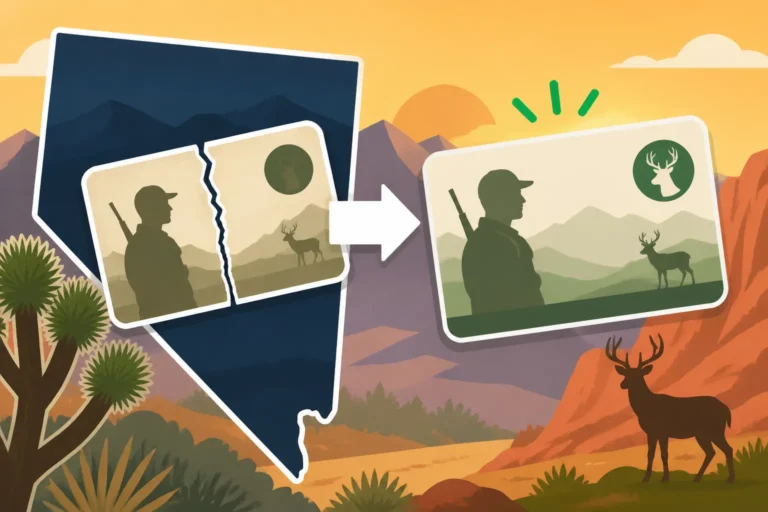
After completing all required components of your hunter education course, including the field day, the instructors or the online provider will submit your completion record to the Nevada Department of Wildlife (NDOW). This process typically takes a few weeks. Eventually, you'll receive your official Nevada hunter education card. This card is your proof of certification and you must carry it with you while hunting, especially if you were born after January 1, 1960. It's often a physical card, similar to a driver's license, that you can keep in your wallet, but sometimes a digital record or print-out is also acceptable.
It's crucial to understand that this card isn't just a souvenir; it's a legal document. Game wardens can and will ask to see it, along with your hunting license and tags, as part of their routine checks. Make sure you keep it safe and accessible. If you ever lose your card, don't panic. NDOW typically has a process for replacing a hunter education card you lost, which usually involves a small fee and verifying your original completion records. Don't wait until the day before your hunt to realize it's missing; get it sorted out well in advance. Having your certification allows you to move forward with purchasing your Nevada combination license, which is a prerequisite for buying any big game tags.
Applying for Your First Nevada Tags
With your hunter education certification in hand, you’re officially ready for the next big step: applying for tags! Nevada operates on a draw system for most big game species, meaning you don't just walk into a store and buy a deer or elk tag. You'll need to participate in the annual draw, which involves submitting an application, usually through the NDOW online portal. The application period for Nevada big game typically runs from March 23 to May 13 each year. This window is absolutely critical, and missing it means waiting another year.
When you apply, you'll often be asked to list your hunter education certificate number. This is where that little card becomes essential. You'll also need to decide which species and units you want to apply for, a decision that can take considerable research. Tools like GoHunt can be invaluable here, offering detailed insights into draw odds and unit statistics. Remember, Nevada uses a squared bonus point system, which can be complex for new applicants. Understanding how Nevada's squared bonus points work is crucial for maximizing your draw odds, especially for highly coveted tags like trophy elk or bighorn sheep. Don't be afraid to start small with deer or antelope if you're new to the draw. The entire application process, from choosing your units to navigating bonus points, is a learning curve, so take your time and do your homework.
Continuing Your Hunting Education
Hunter education doesn't stop with a single course. The most responsible hunters view it as a lifelong pursuit. Regulations can change, new technologies emerge, and ethical considerations evolve. Staying informed is paramount. You can continue your education by regularly reviewing the latest Nevada hunting regulations, which are published annually. Many online resources and forums, and even state wildlife agencies, offer supplemental materials and advanced courses in specific areas, such as advanced archery skills, tracking, or big game field dressing techniques.
Consider joining a local hunting club or conservation organization. These groups often host workshops, seminars, and mentorship programs that can significantly enhance your knowledge and skills. They also offer a fantastic way to connect with experienced hunters who are often more than willing to share their wisdom. Attending events like the annual wild game feed or regional hunting expos can also provide opportunities for learning and networking. Remember, every hunt is a chance to learn something new, whether it's reading wind on a long sage stalk or honing your glassing skills. Embracing this continuous learning mindset will not only make you a better hunter but also a stronger advocate for wildlife conservation in Nevada.
Disclaimer
The information provided in this guide is for general informational purposes only and does not constitute legal advice. Hunting regulations in Nevada are subject to change, and it is the responsibility of every hunter to consult the most current Nevada Department of Wildlife (NDOW) regulations and official sources before hunting. Always verify specific requirements, season dates, and unit boundaries with NDOW directly.