Which Nevada Ranges Hold the Most Deer
It's no secret that Nevada is a land of extremes – vast, open spaces punctuated by rugged mountain ranges, and when you're dreaming of a Nevada mule deer hunt, one of the biggest challenges isn't just drawing a tag, it's figuring out where those elusive bucks actually live. This guide will walk you through the geographical nuances and habitat preferences that dictate where you'll find the highest concentrations of mule deer across the Silver State, helping you narrow down your focus in this truly massive hunting landscape.
Understanding Nevada's Unique Mule Deer Landscape
Nevada’s terrain isn’t just scenic; it’s the primary driver of where wildlife thrives, especially mule deer. Unlike more uniform landscapes, Nevada is defined by its dramatic "Basin and Range" topography, a series of north-south trending mountain ranges separated by arid valleys. Understanding this unique structure is foundational to pinpointing prime deer habitat.
The Basin and Range Topography's Influence
Imagine a crumpled sheet of paper – that’s essentially Nevada’s Basin and Range. These distinct mountain ranges, often rising sharply from the valley floors, act as islands of life in an otherwise parched desert. Each range offers varying elevations, aspects, and vegetation types, creating microclimates that deer depend on. The deer spend different parts of the year in different parts of this landscape, moving between higher summer ranges where forage is abundant and lower, more protected wintering grounds when snows fly. This constant movement is crucial for their survival, and understanding these migration patterns is key to effective scouting and hunting. The sheer scale of these basins and ranges also means that deer populations can be localized, with some ranges holding significantly more animals than others, even within the same general region.
Habitat Preferences: What Deer Look For
Mule deer aren't just looking for any old mountain; they have very specific needs that dictate their presence. First and foremost, they require suitable forage. This means areas rich in palatable shrubs, forbs, and grasses. Think bitterbrush, mountain mahogany, serviceberry, and a variety of native grasses that provide essential nutrients. Beyond food, cover is paramount. This can be anything from dense stands of pinyon-juniper, aspen pockets, or even just broken, rocky terrain that allows them to bed down undetected and escape predators or harsh weather. Lastly, and perhaps most critically in Nevada's arid environment, is water. Deer need access to reliable water sources, whether that's natural springs, seeps, or man-made guzzlers. These vital resources often dictate where deer will be found, especially during warmer months. Understanding these needs is a big step in knowing how to read a Nevada hunt unit before you apply and predict where deer might congregate.
Key Mountain Ranges and Deer Concentrations
While mule deer are found across much of Nevada, certain mountain ranges consistently stand out for their robust populations and potential for quality animals. These are the areas that dedicated hunters often focus their efforts on, sometimes spending years applying for a coveted tag.
Northern Nevada's Productive Ranges
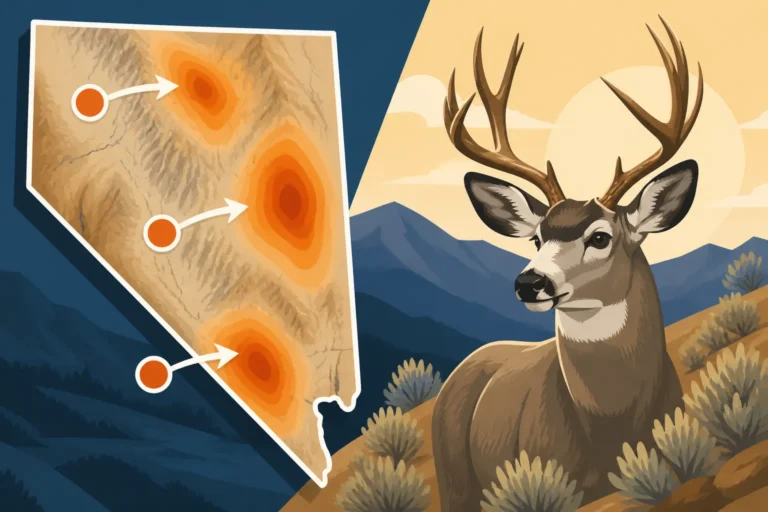
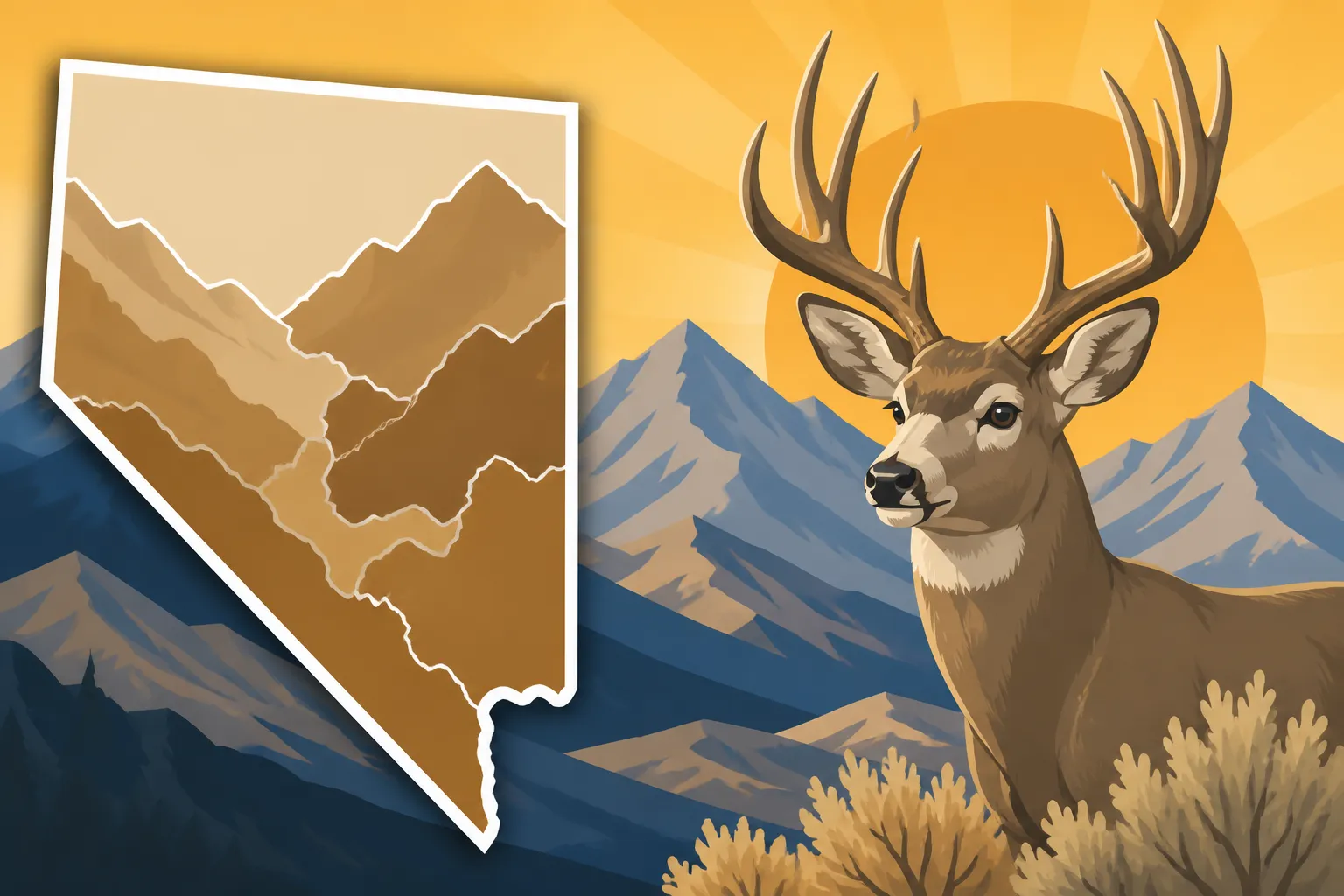
When you look at a map of Nevada's deer distribution, the northern part of the state often lights up with higher densities. Ranges like the Santa Rosa Mountains, the Jarbidge Mountains, and the Independence Range are consistently mentioned in conversations about strong deer numbers. These ranges often receive more precipitation than their southern counterparts, leading to better forage conditions and more consistent water sources. The higher elevations also provide cooler summer habitat. The Jarbidge Wilderness area, for instance, is renowned not just for its rugged beauty but also for its resident deer herds. Similarly, the Santa Rosas offer excellent habitat with a mix of sagebrush, mountain mahogany, and scattered timber. Using tools like GoHunt can provide invaluable data on historical harvest success and population trends within these specific ranges, giving you an edge in your research.
Central and Eastern Nevada's Prime Mule Deer Habitat
Moving south and east, you encounter another collection of highly productive deer ranges. The Ruby Mountains, often called the "Swiss Alps of Nevada," are an obvious standout, famous for their stunning alpine scenery and healthy mule deer population. These mountains offer diverse habitat, from high-elevation basins to lower pinyon-juniper slopes, providing excellent summer and winter range. Similarly, the Schell Creek Range and the Monitor Range in eastern Nevada are perennial favorites. These areas benefit from their sheer size and relative remoteness, offering extensive public land hunting opportunities. Hunters often find success here by focusing on why Nevada deer hunting is a glassing game, spending countless hours meticulously scanning these vast landscapes. The presence of numerous springs and high-elevation pockets of feed draw deer during the warmer months, before they migrate to lower, more protected areas as winter approaches.
Western Nevada's Mule Deer Strongholds
While less uniformly dense than some eastern or northern regions, Western Nevada also holds significant mule deer populations, especially within the expansive Humboldt-Toiyabe National Forest. This massive national forest sprawls across much of the western and central part of the state, encompassing numerous mountain ranges that connect to the Sierra Nevada ecosystem. Areas within the Toiyabe Range, the Pine Nut Mountains, and the Wassuk Range, for example, offer good deer habitat, particularly in their higher, timbered elevations. These ranges benefit from the influence of the Sierra Nevada's moisture, which contributes to richer vegetation compared to the more arid central desert ranges. Access can be a key factor here, as many areas within the Humboldt-Toiyabe National Forest hunting units are rugged and require significant effort to reach, which can be a boon for hunters seeking less pressured animals.
Here's a quick overview of some top Nevada deer ranges and their general characteristics:
| Range Name | General Location | Key Habitat Features | Known For | Access Challenges |
|---|---|---|---|---|
| Santa Rosa Mountains | Northern Nevada | Sagebrush, mountain mahogany, scattered aspen, higher precipitation | Consistent deer numbers | Remote roads, steep terrain |
| Jarbidge Mountains | Extreme Northeastern NV | Alpine basins, timbered slopes, deep canyons, wilderness areas | Quality bucks, rugged hunting | Wilderness access, long drives |
| Independence Range | Northeastern Nevada | Varied elevation, pinyon-juniper, sagebrush, good winter range | Healthy populations | Mix of good and primitive roads |
| Ruby Mountains | East-Central Nevada | High alpine lakes, aspen, conifers, pinyon-juniper, crucial migration corridors | Trophy potential, beautiful | High elevation, rugged peaks, seasonal closures |
| Schell Creek Range | East-Central Nevada | Diverse vegetation, pinyon-juniper, sagebrush, large expanses of public land | Good populations, challenging | Long distances, limited services |
| Monitor Range | Central Nevada | Pinyon-juniper, sagebrush, volcanic terrain, good cover | Consistent deer presence | Rough roads, vastness |
| Humboldt-Toiyabe NF | Western Nevada | Mixed conifer, aspen, bitterbrush, diverse elevation, Sierra Nevada influence | Widespread, varying densities | Forest roads, some wilderness areas |
Factors Influencing Deer Numbers Annually
Deer populations in Nevada aren't static; they ebb and flow based on a complex interplay of environmental and biological factors. A great range one year might be less productive the next, making annual research essential for any serious hunter.
The Impact of Precipitation and Forage
In a state as dry as Nevada, water is life, and precipitation is the ultimate determinant of forage quality and quantity. A wet spring and summer means lush feed, which directly translates to healthier does, higher fawn survival rates, and bucks with better antler growth. Conversely, prolonged drought can severely impact deer populations. Less water means less forage, leading to poorer body condition, reduced fawn recruitment, and increased vulnerability to disease or predation. This is why biologists pay close attention to fawn ratios, as they often predict next season's population health. When scouting a unit, paying attention to water sources that concentrate desert game can give you a significant advantage, especially during early season hunts.
Winter Range and Migration Corridors
While summer ranges are important for growth, winter ranges are critical for survival. These lower-elevation, often more sheltered areas provide vital forage and protection from deep snow and harsh winter winds. Many mule deer herds in Nevada are migratory, moving from high-elevation summer grounds down to these designated winter ranges. Interruptions to these migration corridors, whether from development or severe weather, can have devastating effects on a herd. Understanding these seasonal movements is crucial for hunters. If you're looking at hunting the post-rut migration for big bucks, knowing where these deer will funnel can be the difference between success and going home empty-handed. These corridors are often found between the higher peaks and the open valley floors.
Predator Management and Population Dynamics
Predators are a natural part of the ecosystem, and Nevada's mule deer share their habitat with mountain lions, coyotes, and sometimes even bears. While predators generally target the weakest animals, an imbalance can put significant pressure on deer populations, especially fawns. Wildlife agencies across the state utilize various strategies to manage predator populations in conjunction with deer management goals. This balance is constantly being monitored, and changes in predator dynamics can affect deer numbers in specific ranges. It's all part of the larger picture that biologists consider when crafting a herd management plan, aiming for sustainable populations for both wildlife and hunters.
Researching and Scouting for Your Deer Hunt
Finding the right range for your Nevada deer hunt involves a lot more than just looking at a map. It requires diligent research and strategic scouting, combining modern tools with traditional boots-on-the-ground effort.
Utilizing Online Resources and Hunt Statistics
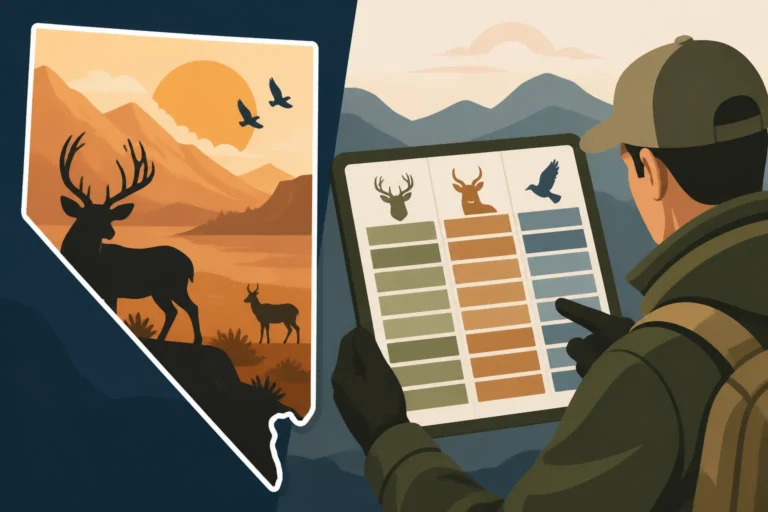
Before you ever set foot in the field, the internet offers a wealth of information. The Nevada Department of Wildlife (NDOW) publishes annual hunt statistics, including harvest success rates and hunter effort by unit. These statistics, which you can often find linked from where Nevada posts its draw odds tables, are invaluable for understanding historical performance of different ranges. Beyond official sources, platforms like GoHunt provide comprehensive data analysis, draw odds calculators, and detailed unit profiles that aggregate much of this information into an easily digestible format. They can help you visualize which Nevada units run a muzzleloader deer hunt or which areas have had a spike in successful rifle deer hunters. Don't forget to check private forums and online communities; while anecdotal, they can offer insights into specific conditions or challenges within a range.
E-Scouting and Interpreting Topographical Maps
Modern technology has revolutionized pre-hunt scouting. E-scouting a Nevada unit before the season using satellite imagery and topographical maps allows you to identify potential travel corridors, bedding areas, water sources, and escape routes from your computer. Look for variations in terrain, areas with good cover like dense pinyon-juniper patches, or north-facing slopes that might hold moisture and better forage. Understanding how to use draws and rims to close distance on a stalk, even before you're physically there, can save you precious time and effort in the field. Overlaying public land layers, available through services like GoHunt, is also critical for checking public land percentage by unit and ensuring you're planning your hunt legally and ethically.
The Importance of Boots-on-the-Ground Scouting
No amount of digital scouting can replace actual boots-on-the-ground reconnaissance. Walking the terrain, looking for fresh tracks, droppings, rubs, and scrapes, and observing actual deer behavior are indispensable. You'll get a feel for the scale of the landscape, the density of the cover, and the true steepness of the climbs. This is especially true when you're glassing grids across a Nevada basin, trying to truly understand the contours and subtle features that can hide a big buck. Even a few days spent scouting a range can provide insights that months of online research might miss. You'll learn the best time of day to glass a basin, identify the water sources that truly concentrate deer, and begin to form a complete mental picture of the unit you've chosen to hunt.
Disclaimer
This article is for general informational purposes only and does not constitute professional advice. Laws, prices and regulations vary by location and change over time. Consult a qualified professional for guidance on your specific situation.