How Nevada Rebuilt Its Bighorn Herds
Hunting bighorn sheep in Nevada today is a dream for many, but it wasn't always this way. For a long stretch of the last century, these magnificent animals faced an uncertain future in the Silver State, their populations dwindling to concerning lows. This guide will take you through the incredible journey of how Nevada meticulously rebuilt its bighorn herds, transforming a challenging conservation problem into one of the West's great wildlife success stories, offering hope and understanding for anyone passionate about these iconic desert dwellers.
The Grim Reality: Bighorn Decline in Early Nevada
It's hard to imagine now, with healthy herds roaming many of Nevada's rugged ranges, but the early 20th century saw bighorn sheep teetering on the brink. A confluence of factors hammered their populations, pushing them out of historical ranges and reducing their numbers drastically. It wasn't just one single blow; it was a slow, grinding attrition that nearly cost us these incredible animals.
The Impact of Disease and Habitat Loss
One of the most devastating forces against bighorns was disease, particularly respiratory pathogens like pneumonia, often introduced by domestic sheep. Bighorns, lacking immunity, would succumb quickly, and an entire herd could be decimated in a matter of weeks. Imagine watching a vibrant population, thriving one year, suddenly disappear the next, leaving only ghost rams and empty slopes. This wasn't a rare occurrence; it happened repeatedly across the West, and Nevada was no exception. The introduction of domestic livestock into traditional bighorn ranges created a contact zone where these deadly diseases could easily jump species.
Beyond disease, habitat loss was a silent killer. As human settlements expanded, traditional bighorn wintering grounds and migration corridors were fragmented or eliminated. Mining operations, ranching, and early agricultural development encroached upon their critical resources. While Nevada is vast and largely public land, prime bighorn habitat, especially areas with reliable water sources and escape terrain, became increasingly scarce or disrupted. This meant less forage, more competition, and increased stress on the remaining animals, making them even more susceptible to illness or predation.
Overhunting and Lack of Management
In the early days, before modern wildlife management practices were established, unregulated hunting also played a role in the decline. While not always the primary driver compared to disease, unchecked harvest compounded the problems facing already stressed populations. Hunters, without quotas or understanding of population dynamics, could inadvertently target critical breeding rams or ewes, further inhibiting recovery. It was a time when wildlife resources were often seen as inexhaustible, a perception that proved disastrous for many species, including bighorn sheep. The absence of comprehensive surveys, population modeling, and harvest limits meant that declines often went unnoticed until they reached critical levels. Nevada, like many states, had to learn the hard way that active, science-based management was essential for the survival of its wild sheep.
The Turning Point: Active Conservation Strategies
Recognizing the dire situation, Nevada's wildlife agencies, with the support of conservation groups and dedicated individuals, began to implement aggressive strategies to bring bighorns back. This wasn't a quick fix; it was a decades-long commitment requiring immense effort, scientific expertise, and significant resources. The effort involved a combination of direct intervention and long-term habitat improvement.
Translocation and Reintroduction Programs
The cornerstone of Nevada's bighorn recovery efforts has undoubtedly been its extensive translocation program. This involved carefully capturing healthy bighorn sheep from robust populations in one area and moving them to suitable, vacant historical habitats where they had been extirpated. Think of it as carefully curated chess moves, placing new genetic stock onto empty squares to start fresh colonies. Teams of biologists, veterinarians, and volunteers would spend countless hours tracking, capturing, and safely transporting these animals, often by helicopter, to release sites.
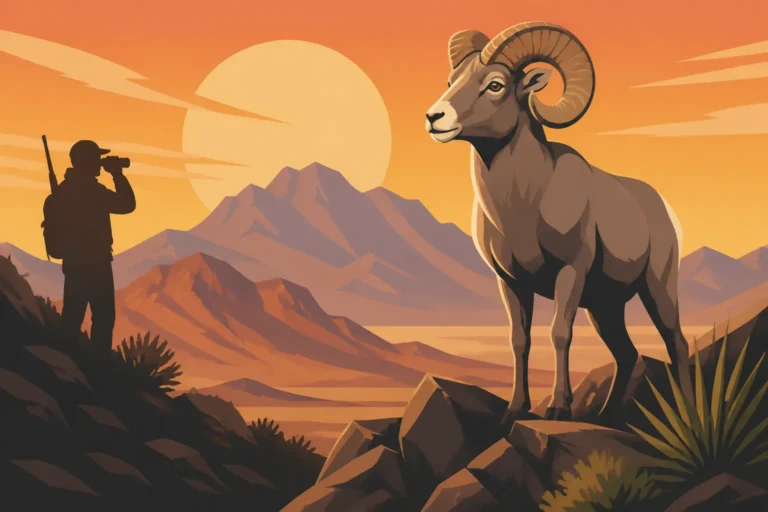
Nevada is home to all three Bighorn subspecies, and these efforts were tailored to each. Desert Bighorn Across Southern Nevada were a major focus in the state's southern ranges, while efforts were also made for California Bighorn in Northern Nevada and Rocky Mountain Bighorn in the East. These programs weren't just about moving animals; they involved extensive pre-release scouting to ensure the new habitat could support a healthy population, followed by post-release monitoring to track survival and reproduction. Many of these transplanted populations were the seeds for the thriving herds we see today, a testament to the power of direct conservation action. Understanding these programs can be crucial when you're looking into specific units; sometimes you'll notice a unit with relatively newer bighorn populations that trace their lineage back to these efforts, which you can often research through resources like GoHunt.
Habitat Enhancement and Water Development
Simply releasing sheep wasn't enough; the habitats needed to be ready and capable of sustaining them. A crucial component of this work involved enhancing bighorn habitat. This included efforts like prescribed burns to improve forage quality, removal of invasive plant species that outcompetE native vegetation, and fencing off areas to prevent domestic livestock contact where disease transmission was a concern. These improvements created healthier, more resilient environments for the reintroduced sheep to thrive.
Perhaps one of the most vital interventions, especially in Nevada's arid landscape, was extensive water development. Bighorn sheep need reliable water sources, and many historical springs had dried up or become inaccessible. Wildlife agencies and conservation groups, such as the Wild Sheep Foundation, embarked on ambitious projects to construct "guzzlers" – artificial water catchments designed to collect rainwater and make it available to wildlife year-round. These Water Development Projects Built for Wildlife were strategically placed in remote, rugged terrain, often accessed only by helicopter or grueling hikes, ensuring bighorns had critical hydration during the long, dry desert summers. Learning How Guzzlers Support Desert Wildlife really highlights the innovative solutions applied in a state as dry as Nevada.
Overcoming Obstacles and Ensuring Long-Term Success
The path to rebuilding bighorn herds wasn't without its challenges. There were setbacks, unexpected difficulties, and a constant need for adaptation. However, ongoing commitment to scientific management and a deep understanding of bighorn ecology have been key to overcoming these hurdles and securing a brighter future.
Disease Monitoring and Management
Even with successful translocations and habitat work, the threat of disease remains a persistent challenge for bighorn populations. Bighorn Disease Die-Offs Explained are a stark reminder of how fragile these herds can be. Nevada's wildlife agencies maintain rigorous monitoring programs, including regular health assessments of existing herds and careful screening of any animals considered for translocation. When disease outbreaks occur, rapid response and management strategies are critical to contain the spread and minimize losses. This often involves collaborating with federal agencies, universities, and other states to share research and best practices. The goal is not just to react to disease but to proactively reduce the risk of transmission through habitat separation from domestic livestock and maintaining robust, healthy bighorn populations with strong genetic diversity.
Setting Tag Quotas and Managing Harvest
With successful rebuilding came the possibility of limited hunting seasons, a vital tool for wildlife management and a significant incentive for conservation. Nevada adopted a highly conservative approach to bighorn hunting, issuing a very limited number of tags through a highly competitive draw. This ensures that harvest rates are sustainable and do not jeopardize the long-term health or growth of the herds. Each year, biologists conduct extensive surveys, often using aerial counts to How Biologists Count a Desert Big Game Herd before setting quotas.
Hunters play a crucial role in this management, not only through their license and tag fees, which directly fund conservation efforts, but also by providing valuable field data. Many hunters use tools like GoHunt to analyze Nevada Bighorn Sheep Draw Odds and unit statistics, becoming well-informed participants in the system. The harvest management system, designed to allow trophy opportunities while preserving the breeding potential of the herd, is a testament to the successful balance between conservation and sustainable use. When you're Reading a Nevada Hunt Unit Before You Apply, you'll see how carefully these bighorn units are managed.
Current Status and Future Outlook for Nevada Bighorns
Today, Nevada's bighorn sheep herds are a remarkable conservation success story. From near extirpation, their populations have rebounded, and healthy groups of Nevada Holds All Three Bighorn Subspecies can be found in many of the state's most remote and rugged mountains. This comeback provides not only hunting opportunities but also a vibrant wildlife viewing experience for countless outdoor enthusiasts.
Population Trends and Distribution
The population of bighorn sheep across Nevada has shown a strong upward trend since the nadir of the early 20th century. While exact numbers fluctuate year to year due to environmental factors like drought and occasional disease outbreaks, the overall trajectory has been positive. These efforts have allowed Why Nevada Counts Three Bighorn Subspecies to flourish in their respective habitats. Desert bighorns are widespread in the southern ranges, California bighorns are established in the northwestern mountains, and Rocky Mountain bighorns occupy the northeastern portion of the state.
The success of these programs means that many units across Nevada now support huntable populations, offering a truly unique and challenging experience for those lucky enough to draw a tag. Hunters using platforms like GoHunt can often track these population trends and distribution maps, helping them make informed decisions when applying for the incredibly rare bighorn tags. It's a testament to sustained effort and scientific management that these majestic animals are once again a thriving part of Nevada's wild heritage.
Here’s a simplified look at the journey from decline to recovery:
| Era | Population Status | Key Challenges | Primary Conservation Actions |
|---|---|---|---|
| Early 1900s | Severely Depleted | Disease (domestic sheep), Habitat Loss, Overhunt | Limited or no organized efforts |
| Mid-1900s | Critical Lows | Continued disease, fragmented populations | Initial protective regulations, some research |
| Late 1900s – Present | Recovering / Healthy | Sporadic disease, habitat pressure | Translocation, habitat improvement, water guzzlers, strict tag quotas, monitoring |
Ongoing Challenges and Future Focus
While the recovery is a triumph, the work is far from over. Ongoing challenges include adapting to climate change impacts like prolonged drought, which affects water sources and forage, as well as continued vigilance against disease. Urban and rural development still presents pressure on critical bighorn habitats, necessitating careful land-use planning.
The future of Nevada's bighorns relies on continued funding for conservation, ongoing scientific research into disease resistance and habitat needs, and the active participation of hunters and conservationists. Maintaining healthy bighorn herds requires a long-term vision and a commitment to protecting the wild, rugged landscapes they call home. It's a continuous balancing act, but one that Nevada has shown it can manage with great success, ensuring that future generations will also have the chance to witness these iconic animals in their natural element.
Disclaimer
This article is for general informational purposes only and does not constitute professional advice. Laws, prices and regulations vary by location and change over time. Consult a qualified professional for guidance on your specific situation.