Bighorn Disease Die-Offs Explained
It’s a heartbreaking sight for any hunter or wildlife enthusiast: coming across a bighorn sheep herd decimated by disease, or hearing the news that a vibrant population you’ve followed for years has suffered a massive die-off. These events, often sudden and devastating, are a grim reality for Nevada’s iconic bighorn, and they deeply affect not just the animals but also the intricate planning and tag allocations for hunters. This guide will peel back the layers on these bighorn disease die-offs, explaining what causes them, how they spread, and what we, as a hunting community, need to understand about their impact on Nevada's precious wild sheep.
The Silent Scourge: Understanding Bighorn Disease Die-Offs
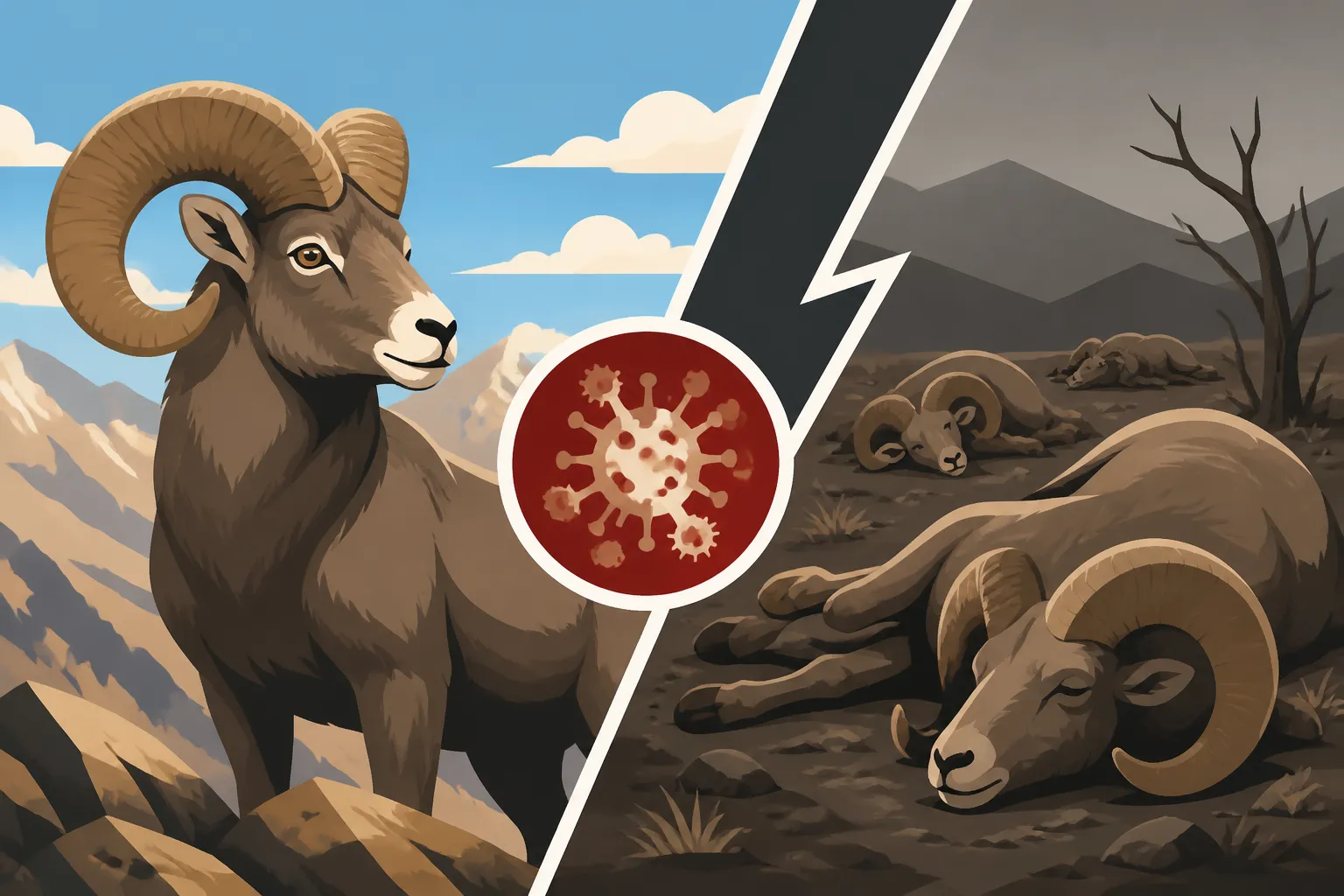
When we talk about bighorn disease die-offs, we're not just discussing a few sick animals. We're often referring to events where a significant portion—sometimes over half—of a local bighorn population can vanish in a matter of weeks or months. Imagine scouting a particular range, seeing dozens of rams, ewes, and lambs, and then returning a season later to find the slopes eerily quiet. This isn't just a hypothetical scenario; it's a crushing reality that wildlife managers and dedicated sheep hunters in Nevada have faced too many times.
The primary culprit behind these devastating events is often respiratory disease, particularly pneumonia, triggered by specific pathogens. These diseases don't just weaken the animals; they attack their lungs, making it incredibly difficult for them to breathe, especially in the rugged, high-altitude terrain they call home. The sheer scale of these die-offs can be staggering, leading to significant drops in population numbers that can take years, even decades, for herds to recover from. It's a constant battle for agencies like the Nevada Department of Wildlife (NDOW) to monitor these populations, trying to get ahead of the next outbreak or understand its aftermath.
Why Bighorn Are So Vulnerable
Bighorn sheep, for all their ruggedness and ability to thrive in harsh environments, have a peculiar vulnerability when it comes to disease. Unlike many other big game species, they lack robust natural immunity to certain pathogens, particularly those carried by domestic livestock. This isn't a weakness in their spirit or survival skills; it's a biological blind spot that makes encounters with domestic sheep and goats incredibly dangerous.
Their social structure, while vital for protection against predators and finding forage, can also be a double-edged sword when disease strikes. Bighorn often congregate in groups, especially ewes and lambs, which provides an ideal environment for rapid disease transmission. A single infected animal introduced into a healthy herd can quickly become a super-spreader, turning a minor sniffle into a widespread respiratory epidemic. This herd dynamic, combined with their limited immune response to novel pathogens, creates a perfect storm for rapid and severe die-offs.
The Visible and Invisible Impacts
The most visible impact of a disease die-off is, of course, the reduction in bighorn numbers. For hunters, this translates directly to fewer tags being issued in subsequent years, or even the closure of entire units to allow for recovery. But the impact goes far deeper than just tag availability. These die-offs can skew herd demographics, leaving fewer breeding ewes, which slows recovery, and fewer mature rams, which impacts trophy potential down the line.
Beyond the immediate loss of life, there are invisible, long-term effects. Survivors of a pneumonia outbreak may carry the pathogen, becoming chronic carriers who can shed the bacteria and infect new lambs, leading to what's known as "lamb pneumonia." This means even if adult numbers stabilize, recruitment into the herd can remain incredibly low for years, effectively stalling any significant population rebound. It’s a complex ecological challenge, one that requires continuous monitoring and dedicated conservation efforts to understand and address.
The Invisible Enemy: Delving into Disease Pathogens
When bighorn sheep herds suffer devastating die-offs, the finger of blame often points to a specific, insidious group of bacteria, chief among them being Mycoplasma ovipneumoniae, or M.ovi. This isn't a simple cold; it's a severe respiratory illness that can quickly overwhelm a bighorn's lungs, leading to pneumonia and death. Understanding these pathogens is crucial for anyone interested in the health of Nevada's wild sheep.
Mycoplasma ovipneumoniae: The Primary Culprit
M.ovi is the most well-known and extensively studied pathogen responsible for bighorn pneumonia. What makes it so dangerous is its ability to colonize the respiratory tract of bighorn sheep and cause severe inflammation, leading to fatal pneumonia. The bacteria can persist in carrier animals, meaning a bighorn that survives an initial outbreak might still carry M.ovi and infect others later.
The grim reality is that even small numbers of M.ovi can be devastating. Once it enters a naïve bighorn herd—a herd that has never been exposed to the pathogen before and therefore has no immunity—the infection can sweep through the population with terrifying speed. Lambs are particularly vulnerable, often succumbing to pneumonia at a much higher rate than adults. This phenomenon of "lamb pneumonia" can prevent a herd from recruiting new generations, stalling recovery for years after the initial adult die-off.
Other Contributing Factors and Stressors
While M.ovi gets most of the attention, it's rarely acting alone. Bighorn sheep health is a complex interplay of environmental factors, other pathogens, and stressors. A herd already weakened by poor forage, drought, or extreme weather conditions is more susceptible to succumbing to M.ovi or other infections.
Other bacteria and viruses can also contribute to the severity of a pneumonia outbreak or cause problems independently. For instance, Pasteurella bacteria, often found in the respiratory tracts of domestic sheep and goats, can also cause pneumonia in bighorn. Parasites, while not directly causing die-offs on the same scale, can weaken an animal's immune system, making them more vulnerable to subsequent bacterial or viral infections. It’s a cumulative effect, where multiple stressors combine to make bighorn populations incredibly fragile.
How Disease Spreads Through Bighorn Herds
Understanding how diseases like M.ovi spread is critical to preventing future die-offs and managing current outbreaks. It's a complex dance of animal interaction, environmental factors, and unfortunately, often human influence.
The Role of Domestic Sheep and Goats
This is often the most contentious and heartbreaking part of the disease puzzle. Domestic sheep and goats can carry M.ovi and other pathogens with little to no symptoms themselves. They are essentially silent carriers. When wild bighorn sheep come into contact with these domestic animals—even a brief nose-to-nose encounter at a fence line or a shared water source—the transmission can occur. Water Sources That Concentrate Desert Game are particularly vulnerable points for potential interaction.
Once M.ovi jumps from a domestic animal to a wild bighorn, the consequences can be catastrophic for the wild herd. This is why agencies like NDOW and federal land managers work tirelessly to create separation between domestic and wild sheep. It’s a challenging task, especially on vast public lands where both livestock grazing and bighorn habitat exist side-by-side. The goal is to minimize, if not eliminate, any potential for commingling, understanding that even one encounter can trigger a die-off.
Transmission Within Wild Herds
Once M.ovi or other pathogens are introduced into a wild bighorn herd, they spread rapidly through direct contact. Bighorn are social animals; they graze together, rub against each other, and share common areas. A cough or sneeze from an infected animal can release airborne droplets containing the bacteria, which are then inhaled by others.
The disease transmission often accelerates during specific times of the year, such as the rut, when rams are moving more widely and interacting intensely, or when ewes and lambs are grouped closely together. This constant close contact within the herd means that once the "spark" of infection lands, the "fire" of disease can spread like wildfire, quickly overwhelming the population before wildlife managers can even fully assess the situation.
Environmental Factors and Stress
Environmental conditions can act as accelerants or buffers for disease spread. Drought, for instance, can concentrate animals around fewer water sources, increasing the likelihood of contact and transmission. Poor forage quality, a direct result of prolonged drought, can also weaken animals, making them more susceptible to infection and less able to fight off disease.
Extreme weather, like unusually harsh winters or scorching summers, adds another layer of stress. Animals that are already nutritionally stressed or battling the elements have compromised immune systems, making them more vulnerable to the pathogens they encounter. This underscores the holistic challenge of bighorn conservation: it's not just about managing disease directly, but also about protecting and improving habitat to ensure herds are as resilient as possible. Resources like GoHunt can sometimes offer insights into habitat conditions and population trends, helping hunters understand the bigger picture before they even apply for a tag.
The Impact on Nevada's Iconic Bighorn
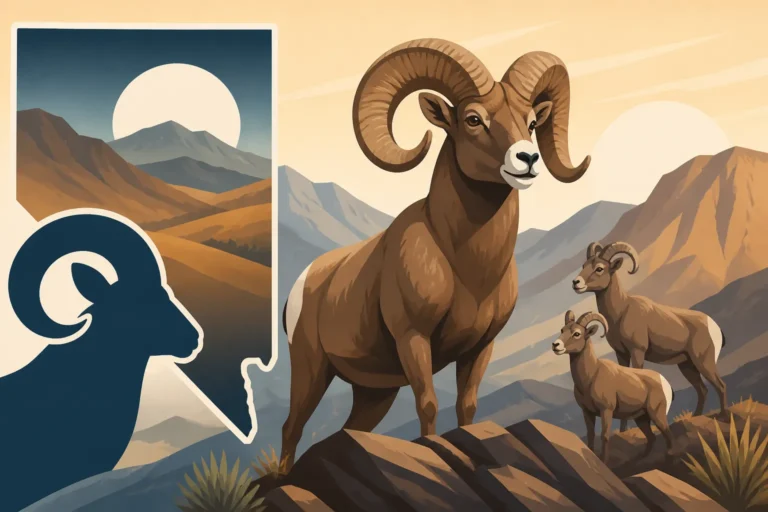
Nevada is truly a bighorn hunter's paradise, offering opportunities for all three bighorn subspecies: desert, California, and Rocky Mountain. Nevada Holds All Three Bighorn Subspecies is a point of pride, but these disease die-offs cast a long shadow over that distinction, impacting everything from population numbers to the hard-won availability of hunting tags.
Population Declines and Recovery Challenges
The most immediate and devastating impact of a significant die-off is the drastic reduction in population size. Imagine a herd of 200 bighorns dropping to just 50 or 70 animals in a single season. This isn't just a number; it's a loss of genetic diversity, a disruption of social structures, and a severe setback for the long-term health of that specific population. How Biologists Count a Desert Big Game Herd is an essential but challenging task, especially after a die-off.
Recovery from these events is agonizingly slow. Unlike deer or elk, bighorn sheep typically have only one lamb per year, and recruitment rates can be severely hampered for years after an M.ovi outbreak due to lamb pneumonia. It can take a decade or more for a herd to bounce back to its pre-die-off numbers, if it ever does. This makes every lost bighorn a significant blow to conservation efforts and the overall health of Nevada's wildlife. We've seen dedicated efforts through Nevada Bighorn Transplant Programs to bolster struggling herds, but these are often complex and costly endeavors, and the threat of re-infection always looms.
Impact on Hunting Opportunities and Tag Allocations
For hunters, the direct consequence of bighorn disease die-offs is a reduction in hunting opportunities. When populations decline, wildlife agencies like NDOW have a responsibility to adjust tag quotas to ensure the long-term sustainability of the herd. This often means fewer tags, or in severe cases, the temporary closure of an entire unit for bighorn hunting. You might use platforms like GoHunt to analyze Nevada Bighorn Sheep Draw Odds, but these odds can shift dramatically year-to-year based on herd health.
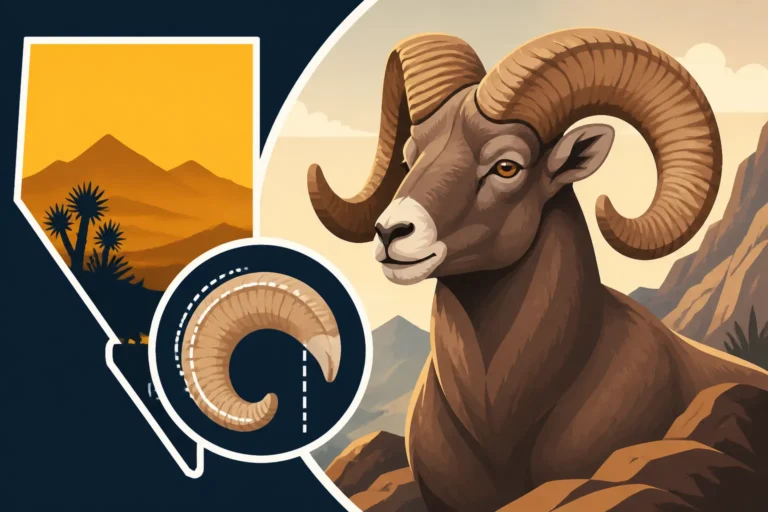
This reality can be incredibly frustrating for hunters who have spent years building preference points or dreaming of drawing a coveted bighorn tag. The allocation process, while designed to be fair and sustainable, must respond to these ecological crises. It’s a constant balancing act between providing hunting opportunities and ensuring the continued existence of healthy bighorn populations for future generations. Understanding Ram Curl Requirements Nevada Enforces also plays into this, as the health of the herd directly affects the age structure and potential for mature rams.
| Impact Category | Short-Term Consequences | Long-Term Consequences |
|---|---|---|
| Herd Population | Drastic reduction in numbers | Slow recovery, reduced genetic diversity |
| Lamb Survival | High mortality due to lamb pneumonia | Stalled recruitment, aging population structure |
| Tag Availability | Immediate reduction or cancellation of tags | Fewer tags for many years, higher draw difficulty |
| Trophy Potential | Reduced number of mature rams | Decreased opportunity for record-book animals |
| Hunter Morale | Disappointment, frustration | Continued uncertainty, impact on hunt planning |
| Conservation Costs | Increased monitoring, research, management | Extensive funding needed for habitat and herd health |
Management and Mitigation: What's Being Done
Addressing bighorn disease die-offs is a monumental challenge, requiring a multi-faceted approach involving state agencies, federal partners, research institutions, and the hunting community. It's not a quick fix, but a long-term commitment to protecting these magnificent animals.
Nevada Department of Wildlife Efforts
The Nevada Department of Wildlife (NDOW) is on the front lines of this battle. Their biologists and game wardens spend countless hours monitoring bighorn herds across the state. This includes aerial surveys, ground observations, and health assessments of individual animals. When a die-off occurs, NDOW is responsible for investigating the cause, collecting samples for laboratory analysis, and assessing the full extent of the damage. This data is then used to inform management decisions, such as adjusting tag quotas or implementing habitat improvements. Keeping an eye on Where Nevada Publishes Harvest Data and other reports can give you a glimpse into these efforts.
NDOW also works closely with land management agencies, like the Bureau of Land Management (BLM) and the U.S. Forest Service, to minimize contact between wild and domestic sheep. This might involve recommending changes to grazing allotments, installing exclusion fencing, or implementing voluntary pasture rest rotations. It's a delicate balance of competing interests, but one that is absolutely essential for bighorn survival. Understanding Reading a Herd Management Plan is key to appreciating the complexity of these decisions.
Research and Disease Surveillance
A significant part of the fight against bighorn disease involves ongoing scientific research. Scientists are constantly working to better understand the pathogens, how they evolve, and what makes certain bighorn populations more resilient than others. This includes developing better diagnostic tools, exploring potential vaccines (though a widely effective one for M.ovi is still elusive), and studying the genetics of bighorn to identify disease-resistant traits.
Disease surveillance is also a continuous effort. This means not just reacting to die-offs but proactively monitoring bighorn herds for signs of illness, even subtle ones, and regularly testing for the presence of M.ovi and other pathogens. Early detection can sometimes allow for interventions that might limit the spread or severity of an outbreak. Platforms like GoHunt often share news and updates on these research initiatives, helping hunters stay informed.
The Hunter's Role in Conservation
As hunters, we have a vital role to play in bighorn conservation, extending far beyond simply applying for a tag. Our financial contributions through license and tag purchases directly fund NDOW's management and research efforts. Beyond that, active participation in reporting sick or dead animals can provide crucial intelligence to biologists on the ground.
Supporting organizations that advocate for bighorn conservation, such as the Wild Sheep Foundation and local chapters, also makes a difference. These groups often fund research, habitat projects, and efforts to separate wild and domestic sheep. By staying informed, contributing financially, and advocating for sound wildlife management practices, hunters become an indispensable part of the solution, helping to ensure that future generations can still experience the thrill of Desert Bighorn Across Southern Nevada or pursue a ram in the Rocky Mountain Bighorn in the East. Every piece of information, every dollar, and every voice helps safeguard Nevada's treasured bighorn sheep.
Disclaimer
This article is for general informational purposes only and does not constitute professional advice. Laws, prices and regulations vary by location and change over time. Consult a qualified professional for guidance on your specific situation.