Where Rocky Mountain Goats Live in Nevada
Finding Rocky Mountain Goats in Nevada is truly an experience unlike any other, demanding incredible physical prowess and a deep understanding of some of the most unforgiving, yet breathtaking, terrain our state has to offer. For many hunters, the thought of locating these elusive creatures amidst Nevada's vast, rugged peaks can feel like searching for a needle in a haystack. This guide is here to shed some light on exactly where these magnificent animals call home, giving you a clearer picture for scouting, planning, or just appreciating their incredible resilience.
The Unique World of Nevada's Rocky Mountain Goats
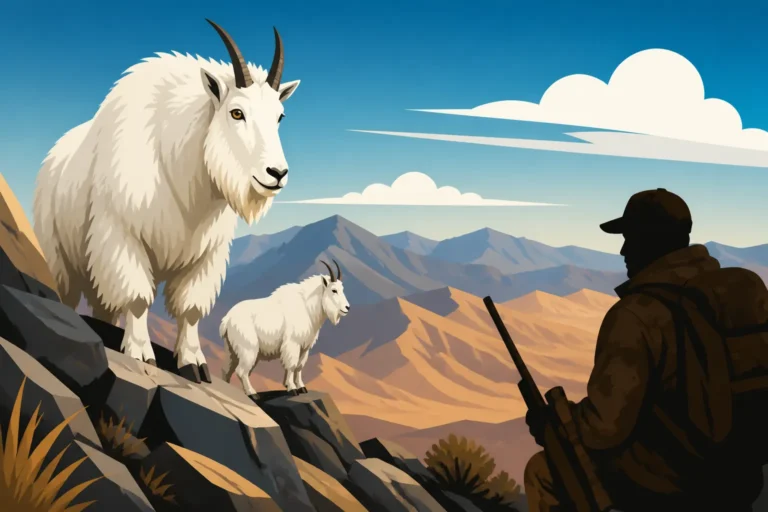
Let's be honest, when most people think of Nevada, they picture endless sagebrush flats and desert canyons, perhaps vast mule deer country or antelope sprinting across the basin floors. But tucked away in our highest, most remote mountain ranges are populations of Rocky Mountain Goats, creatures perfectly adapted to survive where few other big game animals dare to tread. These aren't your typical deer or elk, wandering through timber; these goats are true alpinists, living their lives on precipitous cliffs, rocky ledges, and windswept peaks.
Their presence in Nevada is actually a testament to successful wildlife management. You see, Rocky Mountain goats aren't native to Nevada. They were introduced, or transplanted, as part of conservation efforts decades ago. This backstory, which you can delve into further in "How Goats Reached Nevada's High Ranges," means their distribution is often tied to these specific release sites and the subsequent natural expansion into adjacent suitable habitat. They seek out the most extreme, high-elevation environments because that's where they feel safe from predators and where they find the unique forage they prefer. We're talking about elevations often starting around 10,000 feet and climbing from there. This makes hunting them, or even just observing them, an incredibly demanding physical endeavor that requires careful planning and robust gear.
What Defines Mountain Goat Habitat?
When we talk about mountain goat habitat, we're really talking about a specific type of terrain that provides both safety and sustenance. It’s not just about elevation; it's about the characteristics of that high ground. Goats thrive in areas with steep, broken terrain, cliffs, and rocky outcrops that offer escape routes from predators like mountain lions. They're built for it, with specialized hooves that provide incredible traction on slick rock and steep slopes. Their diet largely consists of alpine grasses, forbs, and lichens that manage to cling to life in these harsh environments.
Water sources are also crucial, but unlike deer or elk that might frequent valley springs, goats often get sufficient moisture from snowmelt or the sparse vegetation they consume. What this means for you, the hunter or observer, is that you'll be looking far above the treeline, often in areas that look completely devoid of life from a distance. Their white coats, while beautiful, are also incredible camouflage against snowfields and pale rock, making them incredibly difficult to spot even when you're looking in the right place. Understanding the subtle nuances of these high-altitude niches is absolutely key to knowing where to focus your efforts.
The Impact of Isolation and Altitude
The sheer isolation of these goat habitats is a double-edged sword. On one hand, it protects them from a lot of human disturbance and predation. On the other hand, it means their populations tend to be smaller, fragmented, and slower to expand. They don't typically migrate long distances down into valleys like deer or elk might for winter. Instead, they move between high-altitude summer and winter ranges, always sticking to that steep, rocky terrain. This preference for extreme altitude also means that the window for access is often limited by snowpack, which can linger well into summer and return early in the fall.
The physical demands of accessing these areas cannot be overstated. You'll be gaining thousands of feet in elevation, often over very short distances, traversing scree fields, boulder slides, and steep alpine meadows. This makes "Preparing Physically for Long Glassing Days" and considering "Packing an Animal Out of Roadless Country" paramount concerns for anyone contemplating a goat hunt. But for those willing to put in the effort, the reward of witnessing these majestic animals in their vertical world is truly unforgettable.
Prime Mountain Ranges: Where Goats Make Their Home
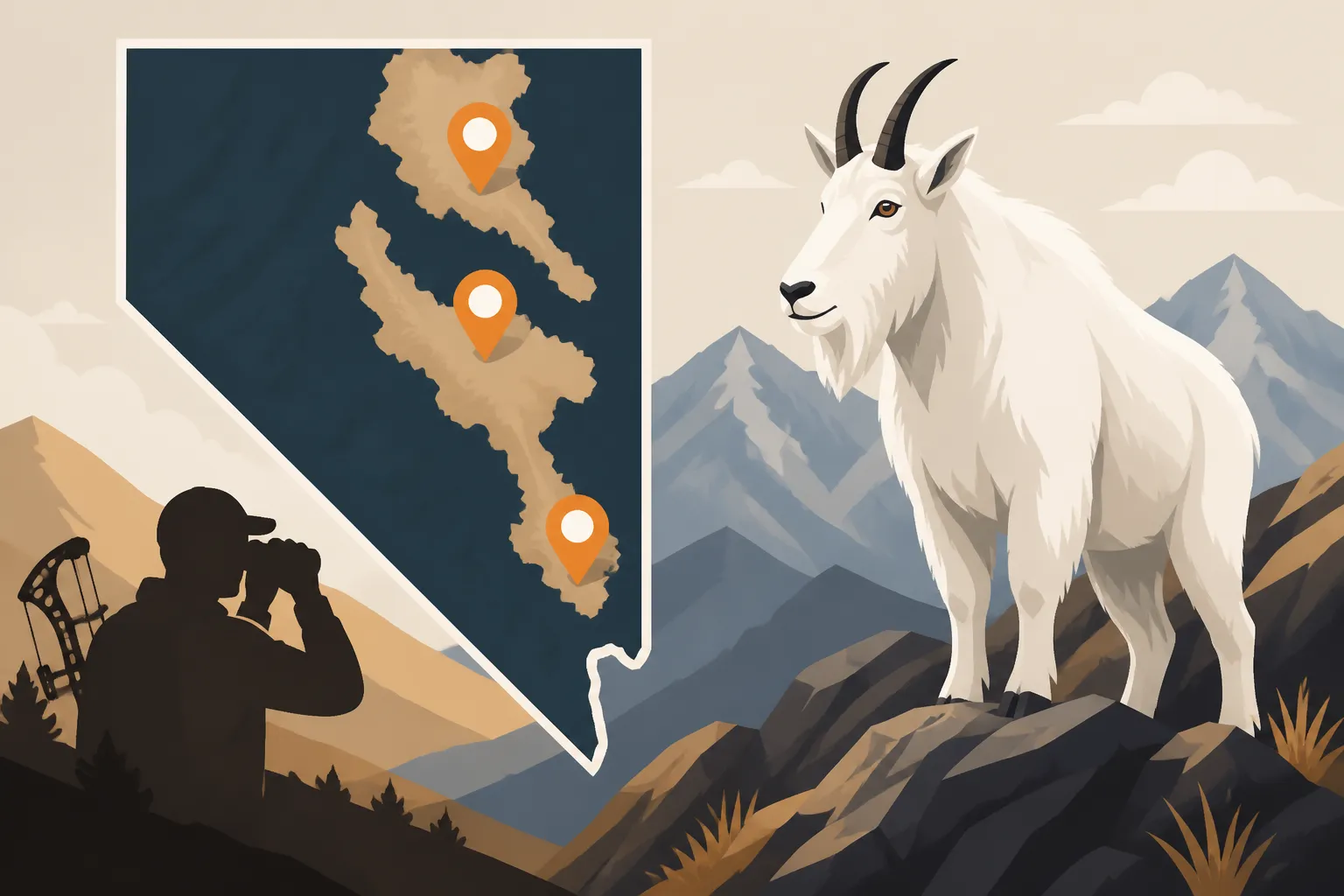
While Nevada is vast, the areas that hold Rocky Mountain Goats are surprisingly concentrated to specific, rugged mountain ranges, primarily in the eastern and northern parts of the state. These aren't casual strolls in the park; these are serious mountains, often requiring multi-day backcountry excursions to even reach prime habitat. Knowing these key locations is the first step in understanding where you might encounter them, whether you're scouting, e-scouting, or lucky enough to draw a tag.
Eastern Nevada's High Country Gems
The heart of Nevada's mountain goat country lies in the eastern reaches, particularly within ranges that boast significant elevation and challenging topography. Think about the likes of the Ruby Mountains, the Schell Creek Range, and the Snake Range. These ranges are characterized by their dramatic, glaciated peaks, deep canyons, and expansive alpine bowls.
The Ruby Mountains, often called the "Nevada Alps," are perhaps the most famous. Their rugged, often snow-capped peaks and numerous cirques provide ideal goat habitat. Access can be tough, with long hikes from trailheads, but the scenery alone is worth the effort. Similarly, the Schell Creek Range, which runs north-south for a considerable distance, offers vast expanses of steep, rocky terrain, especially in its higher elevations. You can read more about "Schell Creek and Snake Range Access" to better plan your approach. The Snake Range, home to Great Basin National Park, also holds goats in its most remote, highest sections, though hunting regulations adjacent to or within park boundaries are a critical consideration. While hunting is typically closed within the park itself, understanding "Great Basin National Park Boundaries" is essential for legal hunting in surrounding areas. When you're looking at maps for these areas, you'll be focusing on the highest, most precipitous zones, often above the treeline, searching for those tell-tale white specks against the gray rock.
Northern Nevada's Less-Known Haunts
While eastern Nevada gets a lot of attention, there are also goat populations in northern Nevada's highest ranges, albeit often smaller and perhaps even more localized. The Jarbidge Wilderness area and portions of the Humboldt-Toiyabe National Forest, particularly in the northern reaches, also support these high-altitude specialists. These areas can be incredibly remote, with limited road access, pushing them into true wilderness experiences.
For instance, the highest peaks within the Humboldt-Toiyabe National Forest offer patches of suitable habitat. "Humboldt-Toiyabe National Forest Hunting" provides more context on general hunting within this vast area, but for goats, you're always zooming in on the very highest, most rugged bits. The challenge here often comes down to sheer distance and the lack of established trails in many areas. You'll be looking at satellite imagery for days, trying to pick out potential access points and bedding areas. It's a game of patience and meticulous e-scouting, where platforms like GoHunt can really shine, allowing you to layer topography, land ownership, and potential habitat features before you ever set foot on the mountain.
Here's a quick overview of some of these prime mountain goat ranges:
| Mountain Range | Primary Location | Key Characteristics | Average Goat Elevation (Feet) |
|---|---|---|---|
| Ruby Mountains | Eastern Nevada (Elko) | Glaciated peaks, cirques, steep canyons, high alpine meadows. | 10,000 – 11,000+ |
| Schell Creek Range | Eastern Nevada (Ely) | Long north-south range, rugged crest, extensive high-altitude rock and talus slopes. | 9,500 – 11,500+ |
| Snake Range | Eastern Nevada (Baker) | Home to Great Basin NP, highest peaks in Nevada, dramatic limestone cliffs, alpine basins. | 10,000 – 13,000+ |
| Jarbidge Wilderness | Northeastern Nevada | Remote, rugged, deep canyons, high-elevation volcanic peaks, pristine wilderness character. | 9,000 – 10,500+ |
| Humboldt-Toiyabe NF | Central/Northern NV | Specific high-elevation peaks within the vast national forest, often isolated pockets of extreme terrain. | 9,500 – 11,000+ |
Factors Influencing Mountain Goat Distribution and Accessibility
Understanding where goats live is one thing, but knowing why they live there and how accessible those areas are for hunters or wildlife enthusiasts is another entirely. Their distribution isn't just random; it's a careful balance of ecological needs and historical introductions, all filtered through the lens of Nevada's unique geography. Getting a grasp on these underlying factors can help you refine your scouting efforts and increase your chances of finding these incredible animals.
The Role of Topography and Climate
At the risk of sounding like a broken record, topography is everything for mountain goats. We're talking about incredibly steep slopes, sheer cliffs, and jagged ridges. These features provide vital escape terrain from predators, allowing goats to quickly ascend to safety where larger predators can't follow. This also means you'll rarely find them in gentle meadows or rolling hills, no matter how high the elevation. Their habitat is synonymous with the most extreme, vertical landscapes Nevada has to offer.
Climate also plays a huge role. These high-altitude environments are characterized by harsh winters with deep snowpack and short, cool summers. Goats are incredibly well-adapted to these conditions, with thick coats that provide insulation against extreme cold. However, the heavy snowpack in winter often dictates their movements to south-facing slopes or wind-swept ridges where snow is scoured away, exposing crucial forage. When you're planning your trip, consider "Elevation Bands Worth Understanding in Nevada" because the conditions can change dramatically with every thousand feet of gain. Trying to access some of these ranges too early or too late in the season means battling impassable snowdrifts or dangerous icy conditions.
Researching Unit-Specific Information
Before you even think about lacing up your boots, diving deep into research for specific hunt units is paramount, especially for a highly sought-after species like mountain goats. Each unit that holds goats will have its own unique challenges and nuances. Understanding "How Nevada Numbers Its Hunt Units" and how to properly decipher unit boundaries is a fundamental skill. Websites and resources from the Nevada Department of Wildlife (NDOW) will often provide detailed information on specific units, including historical harvest data, population estimates, and sometimes even habitat descriptions.
Tools like GoHunt are invaluable for this kind of in-depth research. You can overlay public land boundaries, historical weather patterns, and even vegetation types onto detailed topographic maps. This allows you to perform extensive "E-Scouting a Nevada Unit Before the Season," identifying potential goat habitat, escape terrain, and access routes from the comfort of your home. Combining this digital reconnaissance with an understanding of the terrain characteristics is how successful hunters narrow down their search areas dramatically.
Limited Tags and Draw Odds
Let's address the elephant in the room for any aspiring Nevada goat hunter: tags are incredibly limited, and the draw odds are notoriously long. This isn't a species you can expect to draw every few years. Many hunters apply for decades before getting a chance at a Nevada goat tag. You can dive into the specifics of "Nevada Mountain Goat Draw Odds" to understand just how competitive it is. This scarcity is a direct reflection of the small, localized populations of goats and the state's conservative management approach to ensure sustainable herds.
Given the extreme rarity of a tag, thoroughly researching the unit you're applying for is not just helpful, it's absolutely crucial. Every bonus point counts, and every piece of information you gather about a unit can help you make an informed choice that might, just might, increase your odds. Even if you don't draw, understanding these factors deepens your appreciation for these magnificent animals and the rugged landscapes they call home.
Tips for Locating Nevada's Rocky Mountain Goats
So, you've got a tag, or you're just out to observe these incredible animals. Knowing their general whereabouts is one thing; actually locating them in their vast, unforgiving habitat is another beast entirely. It requires dedication, the right gear, and a solid strategy. These animals don't often give themselves away, and their white coats are surprisingly effective camouflage in the rocky, snowy high country.
The Art of High-Country Glassing
When you're looking for mountain goats, your optics are your best friend. This isn't country where you can just walk and stumble upon them. You'll spend hours, often days, perched on a vantage point, meticulously picking apart distant slopes with your binoculars and spotting scope. I can't stress enough the importance of high-quality glass. A good "Spotting Scope Power for Open Country" is essential, as is a sturdy tripod to keep it steady in the often-windy conditions. You’ll also need good binoculars with sufficient power, usually 10x or 12x.
The technique often involves "Glassing Grids Across a Nevada Basin" or a mountain face. You systematically break down the terrain into small sections, scanning every rock feature, every snowfield, every patch of vegetation for any anomaly – a flicker of white, a slight movement, a distinct shape that doesn't quite look like a rock. Goats often blend in seamlessly, so patience is key. You'll be looking at areas where escape terrain meets feeding grounds, often on benches just below a major cliff band or on steep, broken talus slopes. Remember, they're typically above the treeline, so focus your efforts there.
Physical Preparation and Safety in Extreme Terrain
Accessing mountain goat habitat is physically demanding. Period. There's no way around it. You'll be gaining significant elevation, often with a heavy pack, in thin air. Training for this kind of exertion well in advance of your hunt is non-negotiable. This means rigorous cardiovascular workouts, strength training, and plenty of hikes with a loaded pack. Don't underestimate the impact of altitude; if you're coming from sea level, give yourself a day or two to acclimatize if possible.
Beyond physical fitness, safety is paramount. The terrain is inherently dangerous, with loose rock, steep drops, and unpredictable weather. Always let someone know your plans and expected return. Carry plenty of water, high-energy snacks, and emergency gear, including a first-aid kit, fire starter, and satellite communication device. Weather can change in an instant at these elevations, so be prepared for anything from bright sunshine to blizzard conditions, even in late summer or early fall. The old adage "the mountains always win" rings especially true in goat country, so respect the environment and know your limits.
Understanding Goat Behavior and Habits
Finally, understanding how goats behave can give you a significant advantage. They are not as wary as some other big game species, often holding their ground, but they are incredibly good at disappearing into their environment. They often bed in sheltered spots on ledges during the heat of the day, making them even harder to spot. Early mornings and late evenings, when they are typically more active feeding, are often your best bet for finding them moving.
They tend to stay in small groups—nannies and kids, or bachelor groups of billies. Billies (males) are generally larger and often found in slightly more isolated or even higher terrain. Their movements are often predictable once you've located a group; they'll typically navigate the same vertical pathways up and down cliff bands. Learning to "Read a Nevada Hunt Unit Before You Apply" is not just about draw odds but about familiarizing yourself with the topographical features that dictate animal movement in that specific area. By combining meticulous scouting, physical readiness, and a deep understanding of their habitat and behavior, you’ll maximize your chances of a successful encounter with Nevada’s magnificent Rocky Mountain Goats.
Disclaimer
This article is for general informational purposes only and does not constitute professional advice. Laws, prices and regulations vary by location and change over time. Consult a qualified professional for guidance on your specific situation.