Hunting Lions Behind a Pack of Hounds
Hunting mountain lions in Nevada behind a pack of hounds is an experience unlike any other, demanding grit, endurance, and a deep respect for both the dogs and the incredible animals you pursue. For many, the sheer athleticism and instinct required by both hunter and hound make it the pinnacle of predator hunting. If you've ever felt the pulse-pounding excitement of a hound on a fresh track or the challenge of navigating remote Nevada terrain, this guide is for you. We'll delve into the regulations, the realities of the chase, and how to embark on this unique hunting adventure responsibly.
Navigating Nevada's Lion Hunting Regulations
Mountain lion hunting in Nevada, especially with hounds, isn't something you just jump into without understanding the rules. It’s highly regulated, and for good reason. These majestic predators play a critical role in the ecosystem, and effective management ensures healthy populations and fair chase opportunities. Getting familiar with the specifics before you even think about hitting the dirt is absolutely paramount.
Permits and Quotas for Mountain Lions
Unlike some other big game species, Nevada's mountain lion hunting often operates on a quota system rather than a draw in many areas. This means that a specific number of lions are allowed to be harvested within designated management zones or units each season. Once that quota is met for a particular zone, the season closes immediately, regardless of the official end date. This unique system adds an extra layer of urgency and requires hunters to stay constantly informed. You'll need to check the current quota status frequently, often daily, especially during peak hunting periods. For example, knowing the specifics of the Nevada Mountain Lion Quotas by Zone is essential for any hunter planning a lion hunt. You'll also need a valid hunting license and a mountain lion tag, which may be available over-the-counter or through a specific application process, depending on the season and area.
Hound-Specific Rules and Restrictions
Using hounds to hunt mountain lions is a time-honored tradition in Nevada, but it comes with its own set of strict regulations. Not just anyone can turn out a pack of dogs and go chase a lion. Typically, you'll need to possess a valid mountain lion hunting license and tag, and if you're not the owner of the hounds, you might be hunting under the direct supervision of a licensed guide or hound owner. There are also rules concerning the number of dogs that can be used, when and where they can be released, and how they must be managed to ensure ethical and humane pursuit. Certain areas might have restrictions on motorized vehicle use, which can impact how you follow your hounds or retrieve them. Understanding the nuances of Motorized Travel Rules on Nevada Public Land can be critical when your dogs are running miles into rough country. Always consult the most current Nevada Department of Wildlife (NDOW) regulations handbook for the precise details, as these rules can be updated.
Tagging and Reporting Your Harvest
So, you've had a successful hunt and legally harvested a mountain lion. Congratulations! But the job isn't over yet. Nevada has very specific requirements for tagging and reporting your harvest, and these are absolutely non-negotiable. Immediately after harvesting, you must securely attach your tag to the animal. But it goes beyond just tagging; you'll typically be required to present the lion, or at least its skull and hide, to an NDOW office or authorized biologist within a specified timeframe. This is crucial for data collection, allowing wildlife managers to gather vital information about the lion's age, sex, and health, which directly contributes to the ongoing How Nevada Manages Lion Harvest. Neglecting these steps can lead to severe penalties, so make sure you understand every aspect of the Mountain Lion Tagging Requirements in Nevada before you head into the field. This biological information is crucial for maintaining sustainable lion populations.
The Thrill of the Chase: What a Hound Hunt Looks Like
There's a reason hound hunting for mountain lions is so revered by those who do it. It's an intense, physically demanding, and often humbling experience that tests both hunter and dog. It's not a sit-and-wait kind of hunt; it's an active pursuit through some of Nevada's most rugged and breathtaking landscapes.
The Art of Tracking and Scenting
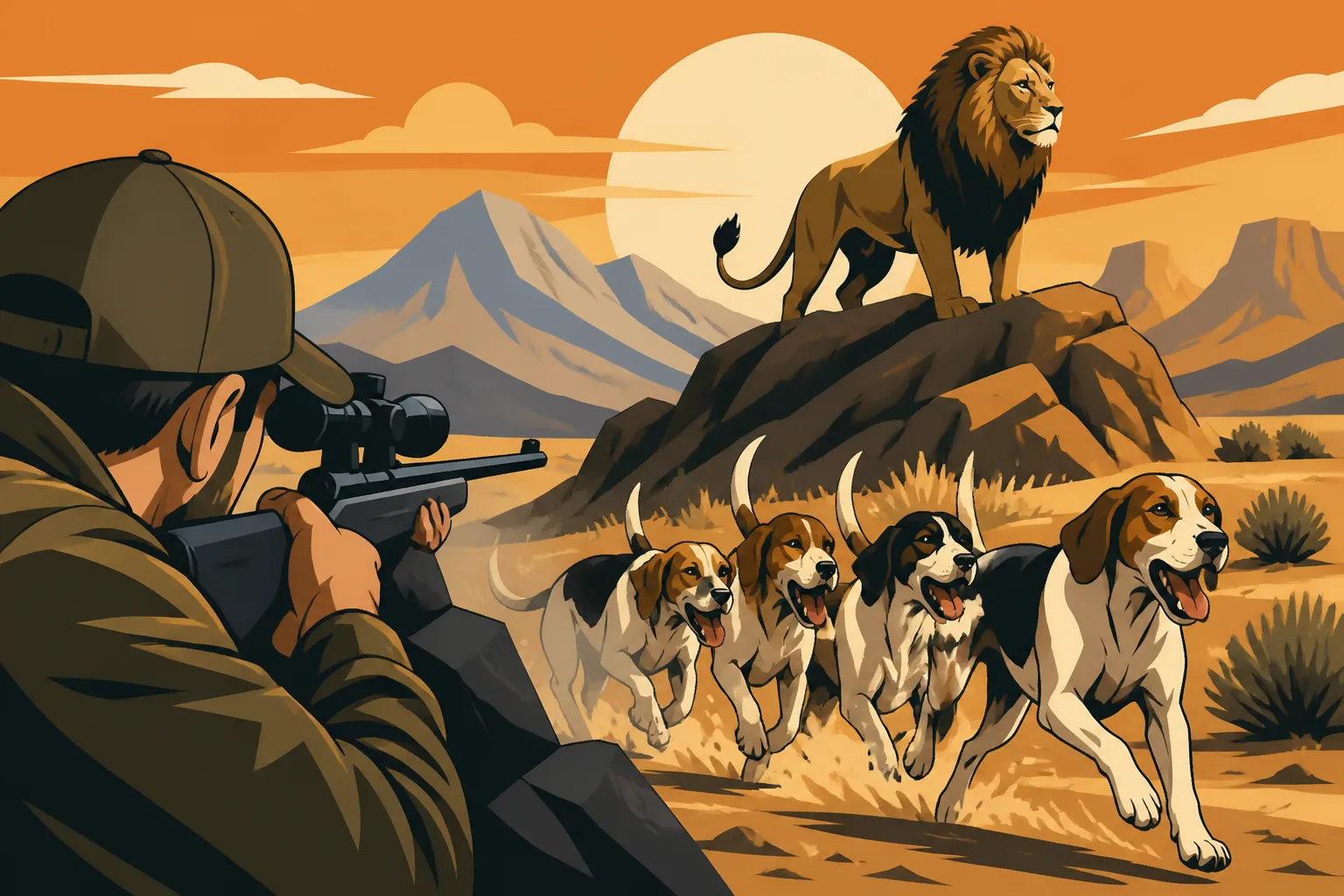
A successful hound hunt often begins before the dogs even hit the ground. Many hunts start with "cold trailing"—meaning guides and hunters search for fresh tracks in the snow or dust, sometimes driving slowly along remote roads at first light. Once a fresh track is found, the highly trained hounds are released, and their incredible noses take over. These dogs are purpose-bred and trained to follow the scent of a mountain lion, ignoring deer, elk, or other game. It's truly amazing to witness. The dogs work together, often with a lead dog pushing the pace, while others confirm the scent. The sound of the hounds opening up on a track, a deep, excited bay, is a sound that gets your blood pumping and signals that the chase is on. Following the dogs can involve hours of hiking, sometimes miles, through steep canyons, across broken lava flows, and up rocky mountainsides where only a lion could feel truly at home.
Treeing the Lion
The goal of a lion hound hunt is to "tree" the cat. Once the hounds have successfully trailed the lion, they eventually push it to seek refuge in a tree or on a rocky ledge where it feels safe from the pack. This is where the true spectacle begins. The dogs will bay excitedly at the base of the tree or cliff, holding the lion at bay. The hunter then has the challenging task of making their way to the tree, often navigating incredibly difficult terrain. This final approach needs to be done carefully and quietly to avoid spooking the cat or agitating the dogs unnecessarily. When you finally arrive, seeing a magnificent mountain lion silhouetted against the sky, with a chorus of hounds barking below, is an unforgettable moment. It's a testament to the instinct and training of the dogs and the endurance of the hunter.
Safety and the Ethical Shot
Safety is paramount on any hunt, but especially when dealing with hounds and a potentially dangerous predator. Hunters need to be mindful of their footing in rugged terrain, manage their hydration, and communicate effectively with their guide and fellow hunters. Once the lion is treed, the focus shifts to making a safe, ethical, and quick harvest. This means ensuring a clear shot, free of obstructions like branches or other dogs, and taking the shot when the lion is calm and still. Ethical considerations are a cornerstone of hound hunting. The goal is a clean, humane harvest, respecting the animal and the effort put in by the hounds. It's not about tormenting the animal; it's about the chase, the skill of the dogs, and a responsible harvest that contributes to wildlife management.
Finding Your Pack: Choosing a Reputable Guide
For most hunters, especially those new to the sport, hiring a guide is not just recommended but almost essential for a successful and ethical mountain lion hunt with hounds in Nevada. These aren't DIY hunts for the faint of heart, or for someone without years of experience running dogs in big country.
Why a Guide is Key for Hound Hunting
Hunting lions with hounds requires specialized knowledge, equipment, and, most importantly, highly trained dogs. A reputable guide brings years of experience to the table, intimately understanding lion behavior, habitat, and the intricacies of running a pack of hounds in Nevada's diverse terrain. They know where to find tracks, how to interpret dog behavior, and how to safely navigate challenging conditions. Furthermore, guides typically have the necessary permits and licenses to operate on public lands, ensuring your hunt is legal and above board. For a nonresident, or anyone without extensive local knowledge and their own pack of dogs, a guide is your bridge to a successful and legal hunt. It's not just about finding a lion; it's about the entire experience, from interpreting sign to managing the dogs, and a good guide orchestrates it all.
Vetting Your Lion Hunting Guide
Choosing the right guide is one of the most critical decisions you'll make for a lion hunt. This is a significant investment of time, effort, and money, and you want to ensure you're going with someone reputable and experienced. Start by asking for references from past clients, and actually follow up on them. Inquire about their success rates, but more importantly, ask about their ethical practices, their dog care, and their approach to client safety. Understand Questions to Ask a Nevada Outfitter before you commit. You'll want to know about their experience in the specific units you're interested in, what their standard hunt package includes, and their policy if you don't harvest a lion. Look for guides who are open and transparent about their operations. Checking their online presence, reviews, and professional affiliations can also provide valuable insight. You want someone who prioritizes animal welfare and fair chase principles as much as you do.
Planning with Resources Like GoHunt
When you're planning a complex hunt like a guided mountain lion pursuit, reliable resources are invaluable. Platforms like GoHunt can be instrumental in your research phase. While you'll rely heavily on your guide's expertise, GoHunt can help you understand unit demographics, past harvest data, and access points. This kind of e-scouting can give you a better grasp of the terrain and challenges your guide will face. You can also use such platforms to explore different outfitters, read reviews, and potentially narrow down your choices for a guide. Sometimes, understanding the broader context of Reading a Nevada Hunt Unit Before You Apply can help you have a more informed conversation with potential guides about their preferred hunting grounds and tactics. This combined approach of expert guiding and personal research can make your hunt even more rewarding.
Ethical Considerations and Conservation
Hunting with hounds, particularly for predators like mountain lions, often draws scrutiny and can spark debate. As ethical hunters, it's our responsibility to understand and uphold the highest standards, demonstrating how these hunts contribute positively to wildlife management.
The Role of Hound Hunting in Lion Management
Mountain lions are resilient predators, and managing their populations is a complex task. Hound hunting plays a significant role in Nevada's overall management strategy. It allows wildlife agencies to monitor populations, gather critical data through mandatory harvest reporting, and helps to address livestock depredation issues or public safety concerns in certain areas. Unlike still-hunting, which can be very difficult for a reclusive animal like a lion, hounds provide a reliable method to locate and selectively harvest individual animals. This precision can be a vital tool in maintaining ecological balance. By participating in a legal, ethical hound hunt, hunters directly contribute to conservation efforts by providing data and helping to manage a healthy predator population. Understanding How Nevada Manages Lion Harvest shows the scientific basis behind these hunting seasons.
Fair Chase and Hound Hunting Ethics
The concept of fair chase is central to all ethical hunting, and it applies rigorously to hound hunting for mountain lions. While hounds are incredibly effective at locating and treeing a lion, the hunter is still responsible for the final act of the hunt. This includes making an ethical shot and ensuring the animal is treated with respect throughout the process. A responsible hound hunter ensures their dogs are well-trained, well-cared for, and are not causing undue stress to the animal or other wildlife. This is not about cornering a defenseless animal; it's about the challenging pursuit that leads to a responsible harvest. Hunters also respect private property boundaries, avoid harassing non-target wildlife, and adhere strictly to all legal shooting hours. Knowing Nevada Legal Shooting Hours for Big Game is a basic but essential ethical consideration for any hunter. The integrity of the hunt rests on these principles.
Respecting the Resource and Public Perception
As hunters, we are ambassadors for our sport. This is especially true when participating in a method that some segments of the public may not fully understand or even oppose. Therefore, it's crucial to conduct every aspect of a mountain lion hunt with hounds in a manner that reflects positively on hunting. This means being mindful of public land etiquette, ensuring no litter is left behind, and handling the harvested animal with reverence. When sharing your hunting experiences, emphasize the challenge, the beauty of the landscape, the incredible work of the hounds, and the importance of conservation. By acting as responsible stewards of the land and its wildlife, we help ensure that these unique hunting opportunities continue for future generations.
| Phase of a Nevada Lion Hound Hunt | Key Activities & Considerations | Hunter's Role | Guide/Hounder's Role |
|---|---|---|---|
| Pre-Hunt Scouting | Identifying fresh tracks (snow/dirt), sign, and prime habitat areas. Checking quotas. | Physical preparation, e-scouting with tools like GoHunt. | Years of local knowledge, interpreting sign, current quota tracking. |
| Track & Release | Locating a fresh lion track. Releasing trained hounds. | Staying alert, following guide's instructions. | Recognizing fresh sign, managing hounds, initial tracking. |
| The Chase (Trailing) | Hounds follow scent, baying. Hunters follow dogs, often on foot, sometimes with vehicle support where legal. | Enduring physical exertion, staying hydrated, communicating. | Interpreting dog behavior, navigating terrain, managing pace. |
| Treeing the Lion | Hounds corner the lion in a tree or on a ledge, holding it at bay with persistent barking. | Approaching quietly and carefully to the treed lion. | Ensuring dog safety, positioning for a safe approach. |
| Harvest & Recovery | Ethical shot, tagging the animal, field dressing, packing out. | Making a clean, ethical shot. Tagging immediately. Assisting with field dressing and pack-out. | Guiding the shot, assisting with field dressing, ensuring legal compliance. |
| Reporting & Data Collection | Presenting the skull and hide to NDOW for validation and biological data collection. | Timely reporting to NDOW. | Advising on reporting process, assisting with documentation. |
Disclaimer
This article is for general informational purposes only and does not constitute professional advice. Laws, prices and regulations vary by location and change over time. Consult a qualified professional for guidance on your specific situation.