What Limits Elk Expansion in the Great Basin
Great Basin elk populations face environmental limits from water scarcity, sparse conifer cover, and extreme seasonal temperatures.
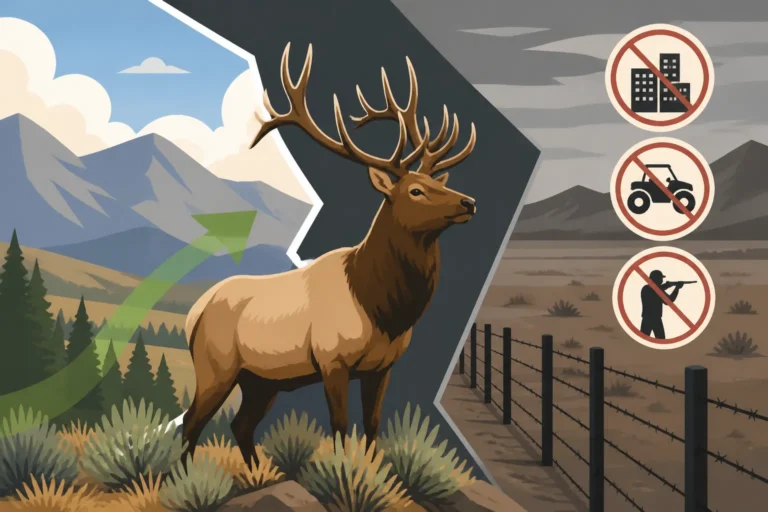
Great Basin elk populations face environmental limits from water scarcity, sparse conifer cover, and extreme seasonal temperatures.
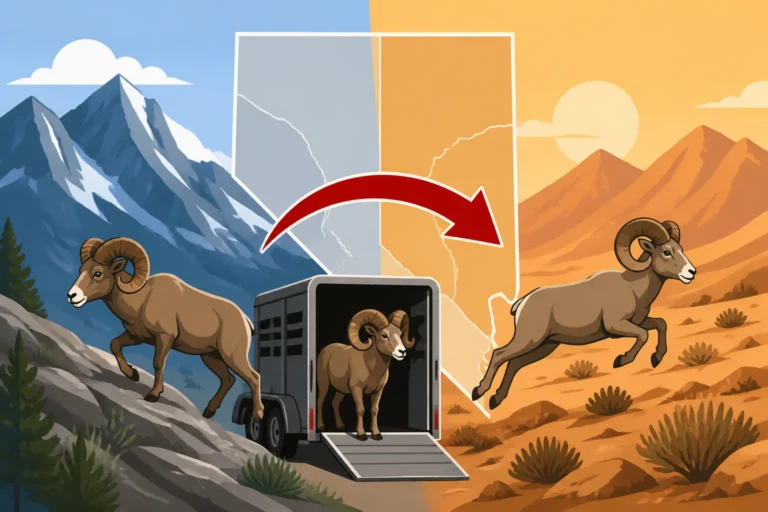
Nevada bighorn sheep transplants protect isolated desert herds from disease and restore genetic diversity across fragmented mountain ranges.
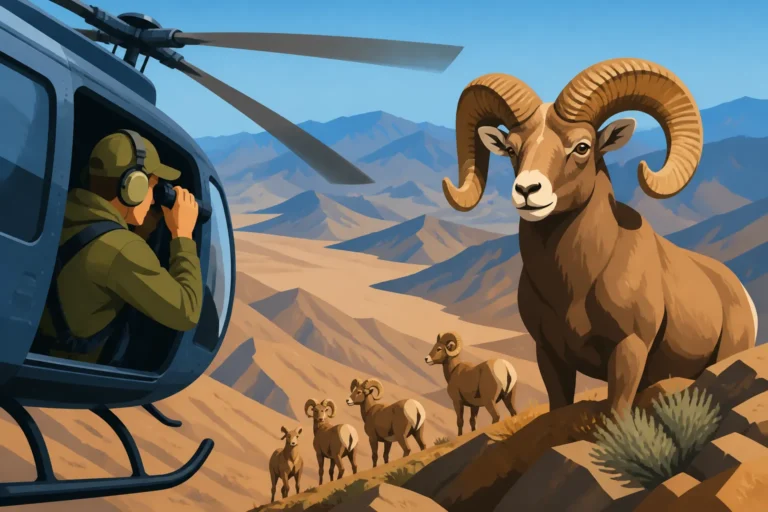
Nevada Department of Wildlife aerial surveys provide biological data for setting bighorn sheep hunting quotas and managing herd health.
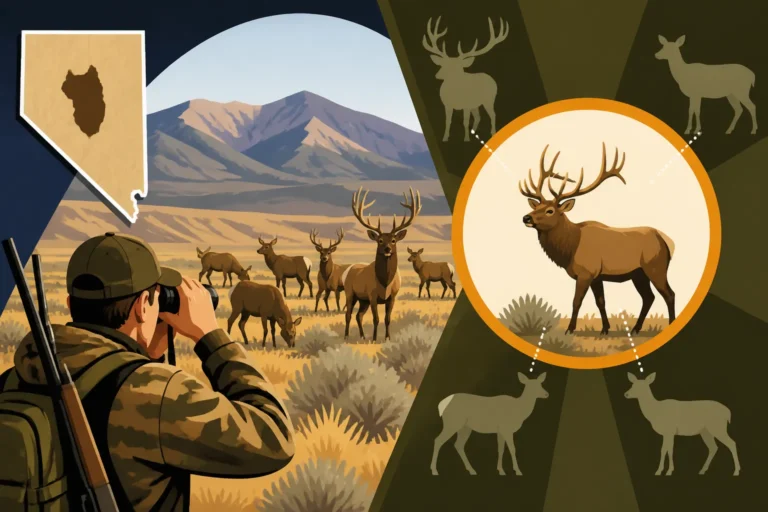
Nevada wildlife herd objectives define target big game population ranges, directly influencing tag quotas, draw odds, and season structures.
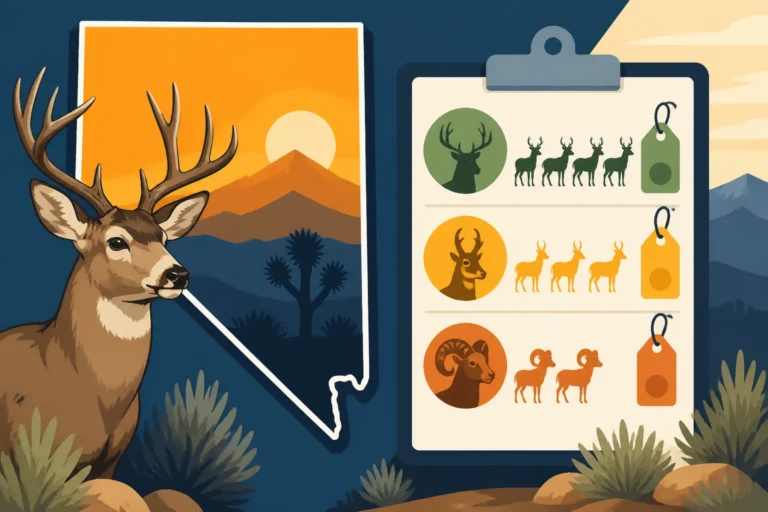
Nevada tag quotas rely on biological data, aerial surveys, and habitat health managed by NDOW to determine annual hunting numbers.
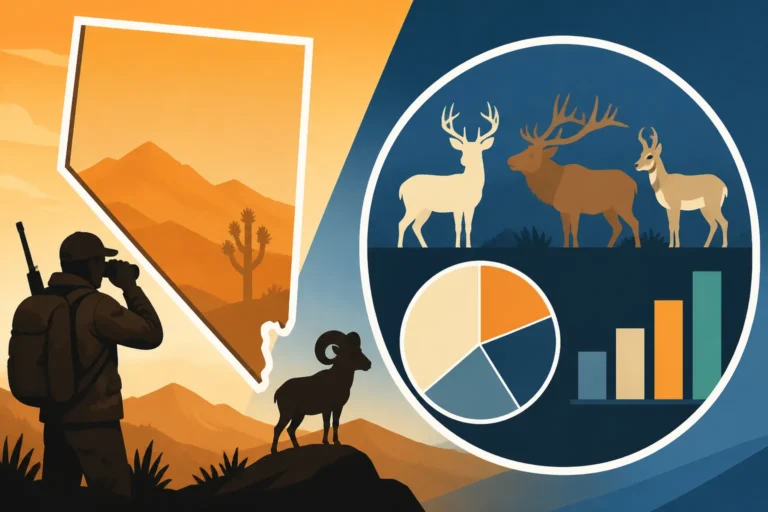
Nevada Department of Wildlife publications provide official unit harvest statistics, tag numbers, and hunter success rates for big game applications.
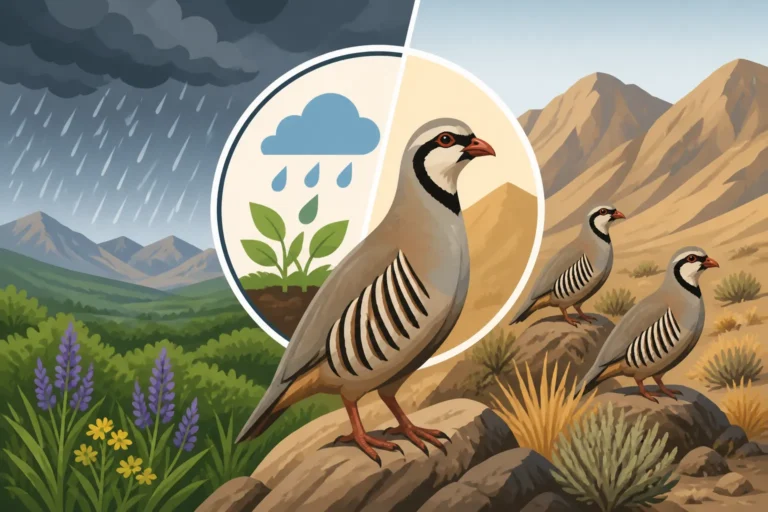
Nevada rainfall levels directly determine chukar partridge population numbers by driving spring vegetation growth and chick survival rates.
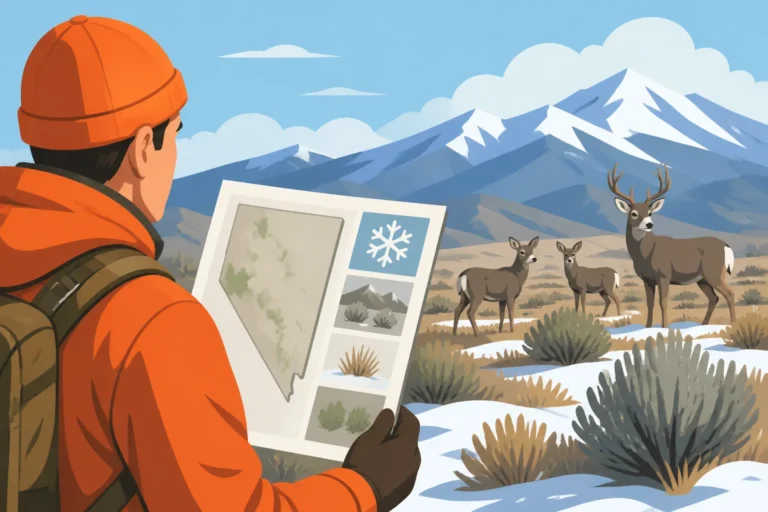
Nevada winter range reports compiled by state biologists provide hunters with data on big game herd survival and habitat conditions.
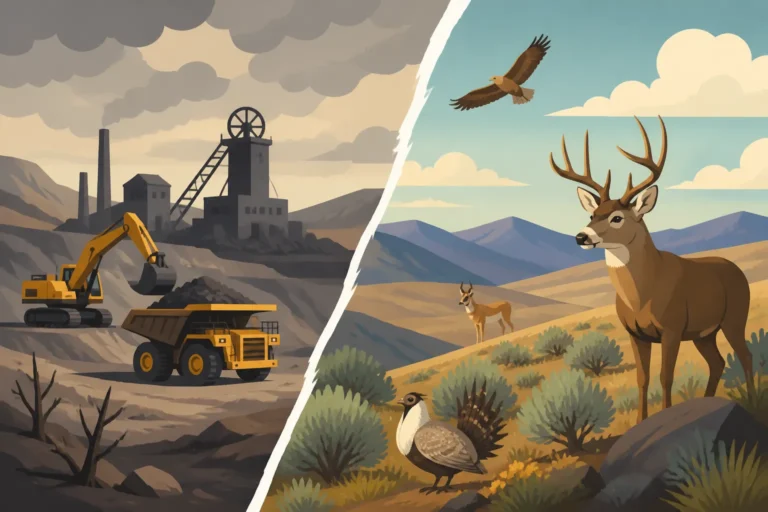
Nevada mining operations impact deer, elk, and pronghorn habitats through landscape alteration, road fragmentation, and vegetation destruction.
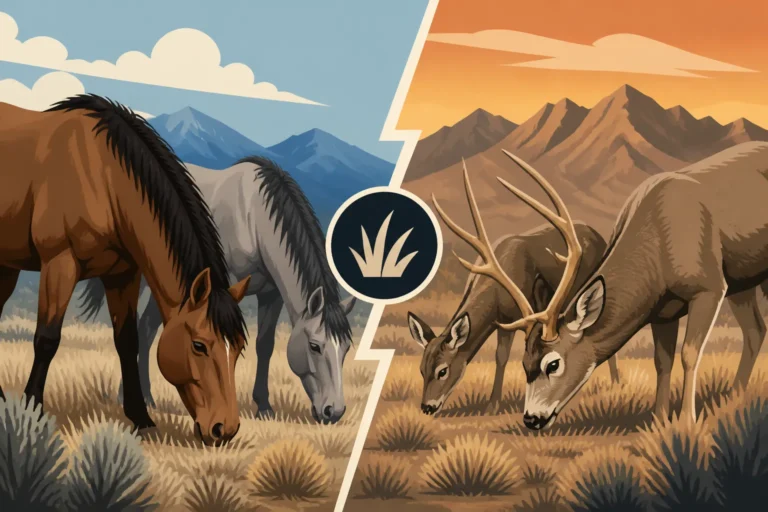
Wild horses competing with deer and elk for vital forage and water in Nevada desert ecosystems impact big game hunting dynamics.