Why Fawn Ratios Predict Next Season
Nevada mule deer fawn ratios help hunters predict future herd health and choose better application units based on biological surveys.
Know what you’re after.
Big game, small game, upland birds, and waterfowl — identification, behavior, rut and migration timing, and how each species moves through the season.
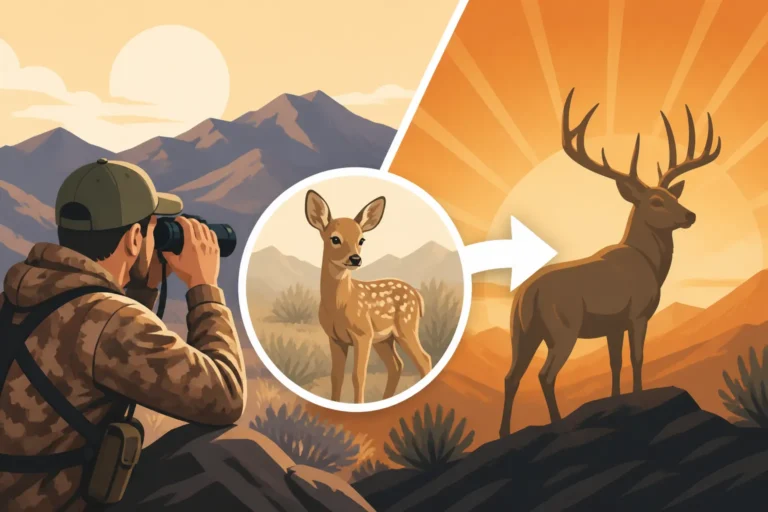
Nevada mule deer fawn ratios help hunters predict future herd health and choose better application units based on biological surveys.
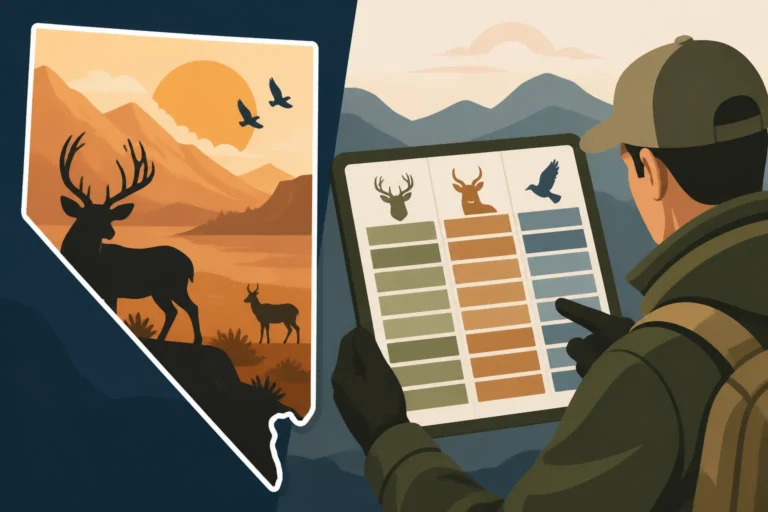
Nevada hunt statistics tables provide draw odds, harvest figures, and success rates to improve big game application choices.
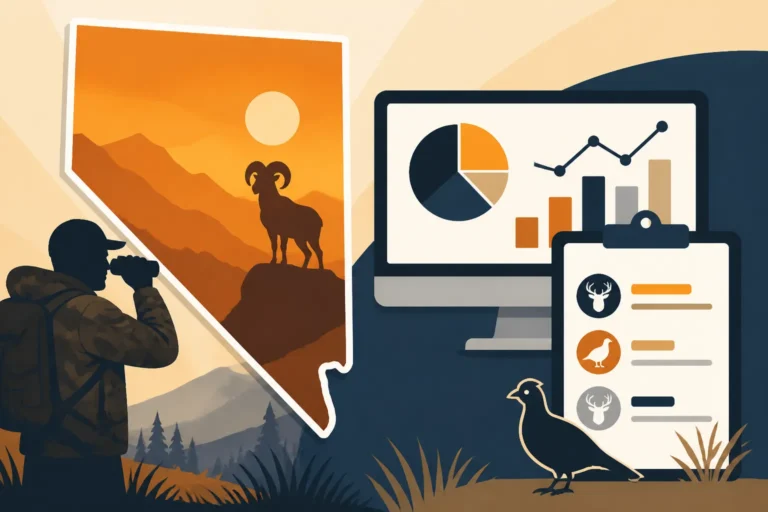
Nevada Department of Wildlife harvest data helps hunters evaluate past success rates and long term wildlife population trends.
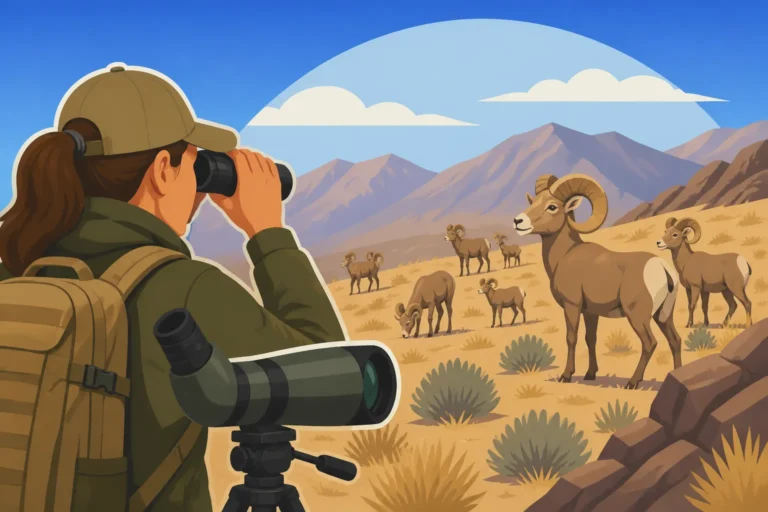
Nevada wildlife biologists count desert big game herds using strategic aerial and ground surveys to estimate populations.
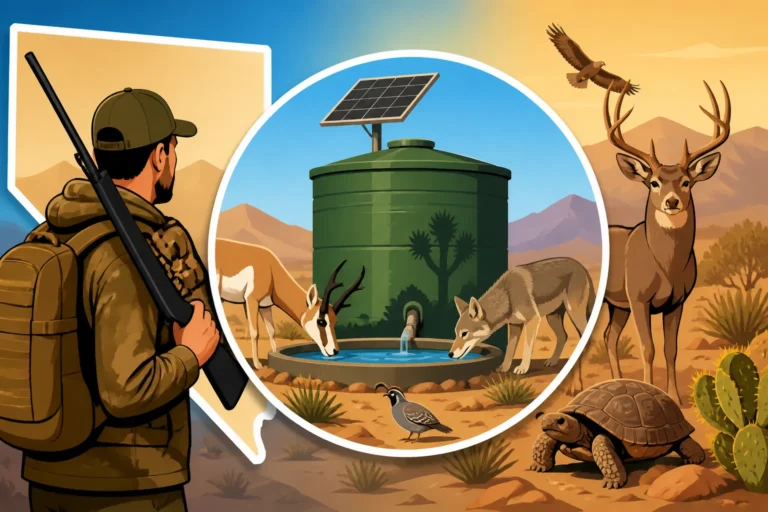
Nevada desert guzzlers capture rainwater in underground storage tanks to supply reliable hydration for bighorn sheep and mule deer.
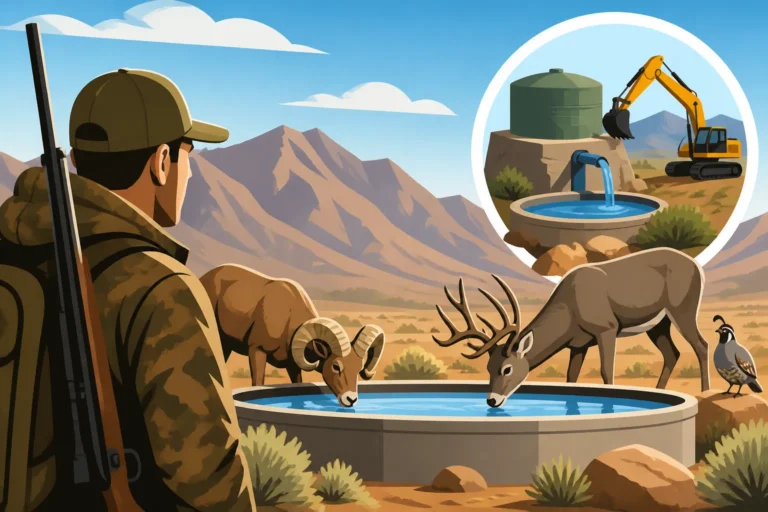
Nevada wildlife water development projects, including guzzlers and enhanced springs, provide crucial desert survival lifelines.
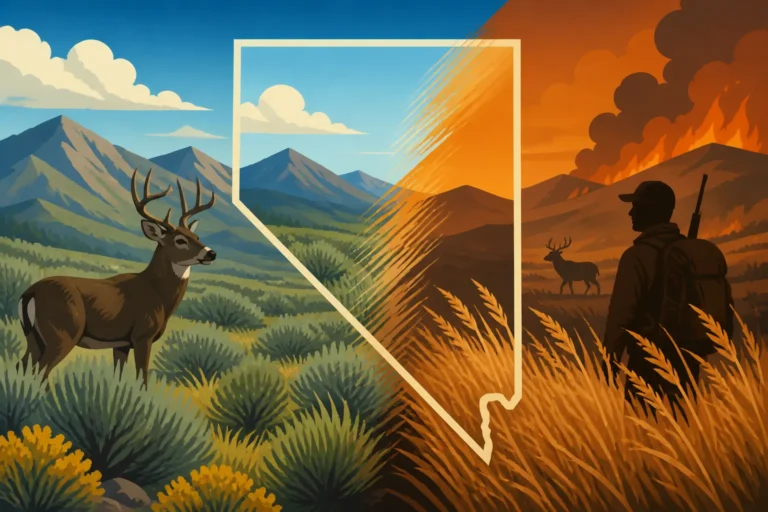
Cheatgrass invasion alters Nevada public lands, replacing native perennials and creating a destructive fire cycle that harms wildlife habitats.
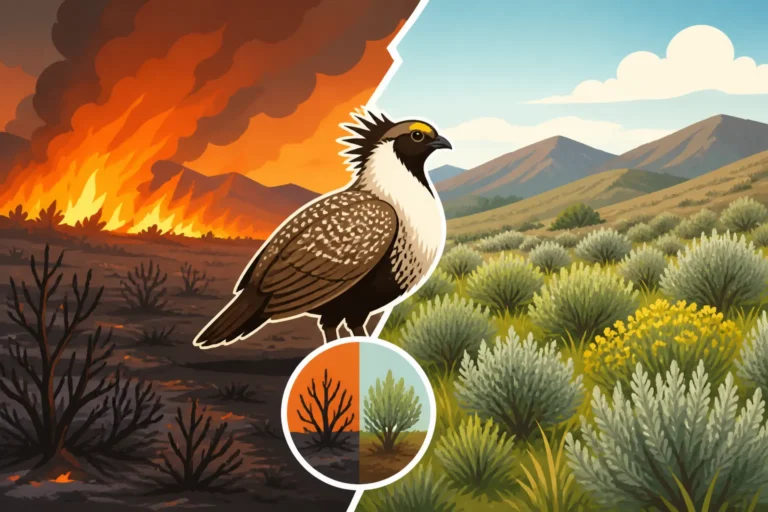
Wildfire alters Nevada sagebrush habitats by destroying mule deer and sage grouse forage, causing decades of recovery delays.
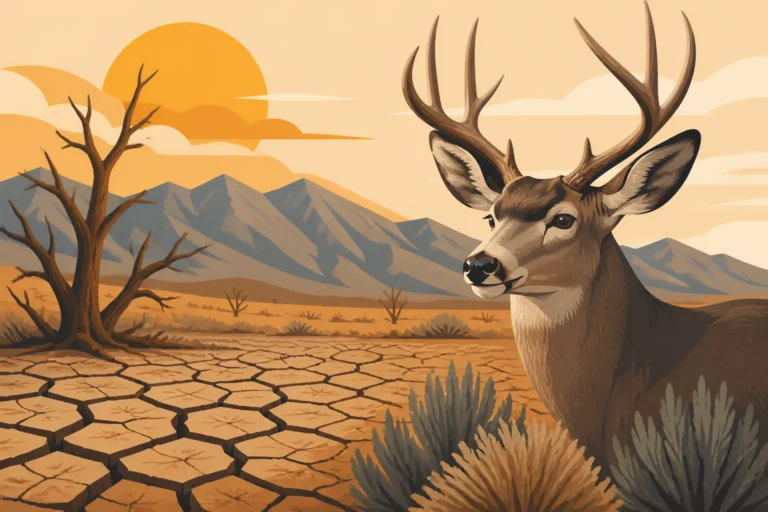
Prolonged drought reduces winter snowpack, damages forage quality, and directly threatens Great Basin mule deer population survival.
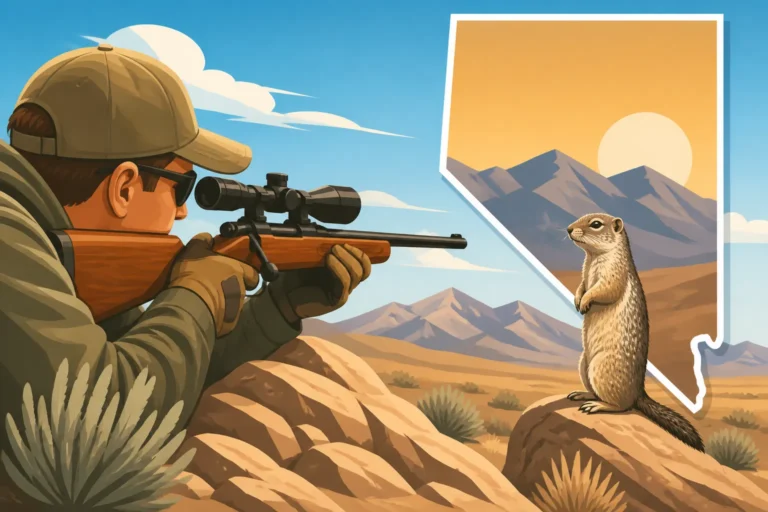
Ground squirrel hunting in Nevada offers year-round outdoor recreation, skill-building opportunities, and ways to locate small game.