How Soon You Must Tag a Downed Animal
You've just made the shot. The animal is down, and that rush of adrenaline is now giving way to a different kind of pressure: the immediate scramble to make sure you're squared away with the regulations. It's a critical moment, and knowing exactly "how soon you must tag a downed animal" in Nevada isn't just a suggestion; it's a legal requirement that keeps you on the right side of the law and ensures the integrity of the hunt. This guide will walk you through Nevada's specific tagging mandates, tackle common field scenarios, and clarify what comes next after your tag is securely affixed.
Understanding Nevada's Immediate Tagging Mandate
Let's face it, after the excitement of a successful hunt, the last thing you want to worry about is a misstep with regulations. Nevada's rules around tagging are clear, concise, and absolutely non-negotiable. It's not about convenience; it's about compliance and showing respect for the game and the system.
The "Immediately" Clause and What It Truly Means
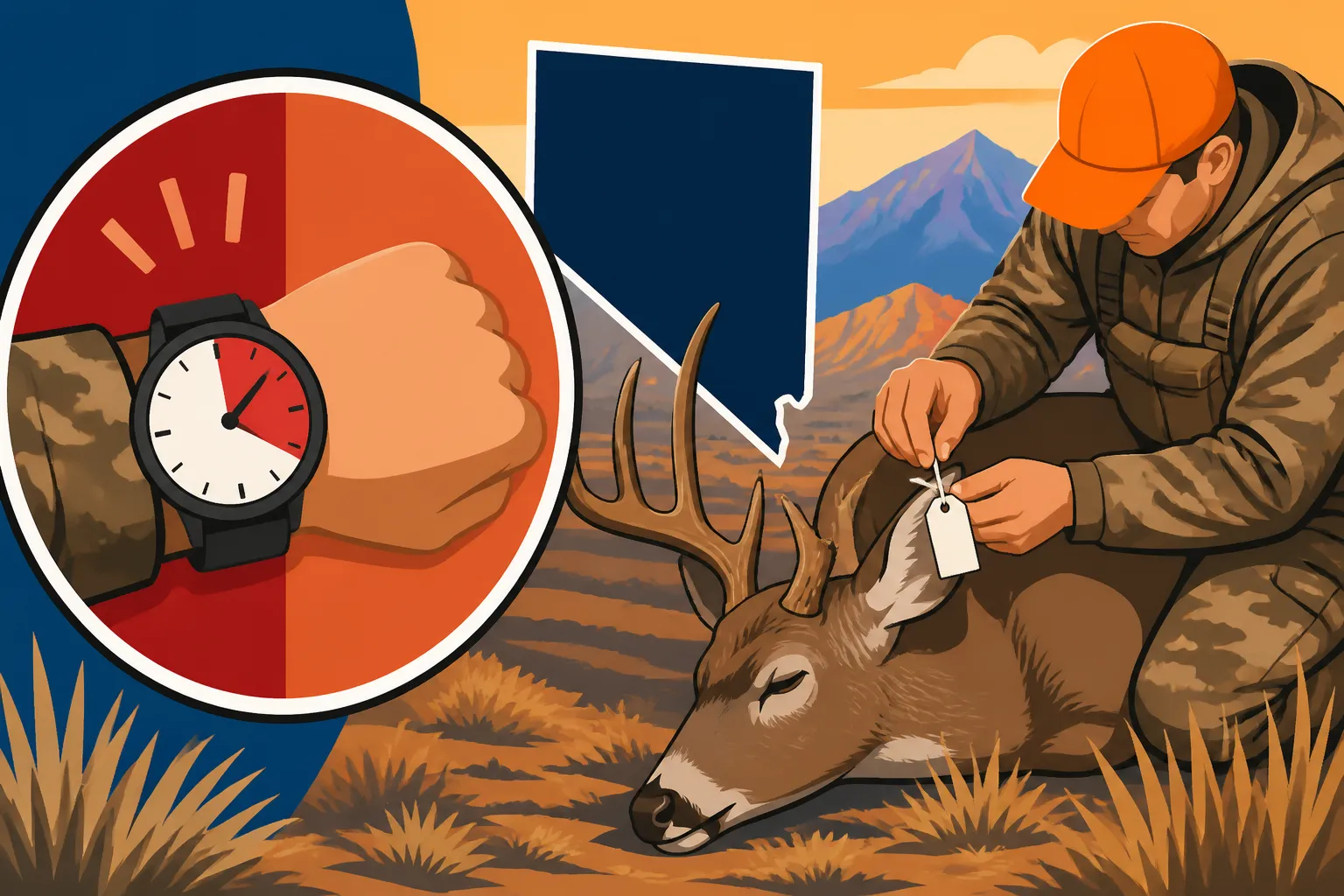
The Nevada Department of Wildlife (NDOW) regulations state, without ambiguity, that immediately upon killing any big game animal, the hunter must validate and attach the tag to the carcass. The operative word here is "immediately." This isn't "after you take a few photos," or "once you get it back to the truck." It means before you even think about moving that animal an inch. Picture it: your animal is on the ground. Your next move, after ensuring it's expired and safe, is to pull out your tag. This immediate action is vital for law enforcement and game management purposes, preventing any potential for illegal "tagging out" or transferring tags. It ensures that each harvested animal is accounted for, right there and then, at the point of kill.
Think of it as the legal stamp of ownership and accountability. Even if you're hunting with a group, the hunter whose tag is designated for that animal must be the one to complete this step. There’s no deferring or delegating this initial, crucial act.
Proper Tag Placement and Information
Once you have that tag in hand, you need to make sure you fill it out correctly and attach it securely. A sloppy or incomplete tag can lead to just as many problems as not having one at all. Nevada tags typically require you to record specific details:
- Date of Kill: The exact day you harvested the animal.
- Time of Kill: The time of day the animal was taken.
- Hunt Unit: The specific hunt unit where the kill occurred.
- Sex of Animal: Indicate whether it's a buck, bull, ram, doe, cow, or ewe.
- Species: Clearly mark the species (Mule Deer, Elk, Pronghorn, etc.).
This information isn't just for show; it's vital data for wildlife biologists who use it to manage herd populations and set future tag quotas. Once filled out, the tag must be securely affixed to the carcass. Many tags come with a self-locking mechanism or require string/zip ties. The goal is for it to remain attached, visibly and legibly, until the animal is processed for consumption or storage, or is quartered and transported to your permanent residence. This means it needs to withstand the rigors of being packed out, bouncing in a truck, or even hanging in camp. A good practice is to carry a few extra zip ties in your pack specifically for this purpose. For larger animals, attaching it to an antler or a leg is common, ensuring it's visible.
Why This Rule Exists Beyond Just "Compliance"
These tagging rules might seem bureaucratic, but they serve fundamental purposes in wildlife conservation and management. First and foremost, they are a cornerstone of preventing poaching and illegal take. If a hunter has to immediately tag an animal at the kill site, it dramatically reduces the opportunity for someone to take an extra animal or use a tag that doesn't belong to them. It also provides immediate, verifiable proof that the animal was taken legally in a specific unit on a specific day, which is critical for game wardens in the field.
Secondly, the data collected from these tags is invaluable. Each piece of information – date, unit, sex – contributes to NDOW's understanding of herd health, distribution, and harvest success rates. This data informs future season structures, tag allocations, and conservation strategies. For instance, if harvest data shows a decline in mature bucks in a particular unit, NDOW might adjust tag numbers or season dates for that unit in subsequent years. Your diligent tagging, therefore, is a direct contribution to sound wildlife management and the future of Nevada hunting. This data, combined with insights from platforms like GoHunt that analyze draw odds and harvest statistics, provides a comprehensive picture for both hunters and wildlife managers.
Practical Scenarios and Common Field Questions
The phrase "immediately upon killing" sounds straightforward, but the reality of hunting in Nevada's vast and rugged landscape often presents complex scenarios. Hunters often find themselves asking "What if…?" and it's essential to have a clear understanding of how to navigate these situations while remaining compliant.
Recovering a Distant or Moving Animal
We've all been there: you make a great shot, but the animal doesn't drop in its tracks. It takes a few more steps, or even runs a short distance before succumbing. This is where the "immediately upon killing" rule truly applies. Your responsibility is to safely track and confirm the animal is expired. Once you reach the animal and confirm it's dead, that is the moment you must tag it. It doesn't mean tagging it where you last saw it, or where you shot it if it moved. It's at the location of the actual kill and expiration.
The critical takeaway here is that you cannot move the carcass without the tag affixed. If you've got a downed elk 500 yards away in a draw, you walk to that elk, confirm it, then tag it right there. Only then can you begin the process of field dressing and quartering. This might feel inconvenient, especially if you're trying to get a heavy animal to a more accessible spot, but it's the rule. Patience and adherence to the law are paramount.
Group Hunts and Shared Responsibilities
Hunting with partners is a fantastic experience, but it adds a layer of complexity to tagging rules. The fundamental principle is that each animal must have a valid tag from the hunter who legally harvested it. If two hunters are out with deer tags, and one hunter downs a buck, that hunter's tag must be immediately validated and affixed to that specific buck. You cannot use your partner's tag, nor can your partner tag your animal for you.
This becomes especially important in scenarios where multiple animals might be taken in quick succession, or if you're hunting a unit where you could potentially draw multiple species. Communication within your hunting party is key. Before the hunt even begins, clarify whose tag is for what animal and how you'll coordinate in the event of a successful harvest. Avoid any confusion that could lead to an illegal tag transfer. This is part of the broader legal requirements covered in topics like Legal Shooting Hours and Blaze Orange in Nevada.
Dealing with Difficult Terrain and August Heat
Nevada hunting often means extreme conditions – steep, rocky terrain and scorching August temperatures during archery season. These challenges can make the "immediately" rule feel like a hurdle, especially when your priority might shift to cooling the meat quickly. However, the order of operations remains fixed: tag first, then field dress/cool.
Imagine you've just taken a mule deer buck in a remote canyon on a 90-degree August day. Your instincts scream "Get this animal field dressed and cooling immediately!" And those instincts are absolutely right for meat preservation. But the regulations require the tag to be validated and attached before any field dressing begins, and certainly before any part of the animal is moved. This might mean field dressing the animal right there on the steep slope, or in the direct sun, before you can quarter it and get it into game bags. It's tough, but it's the law. Your planning, therefore, needs to account for this. Always carry your tag, a writing implement, and a way to secure the tag (like zip ties) on your person at all times, not buried deep in your pack or left back at the truck. This way, you're prepared for that immediate tagging action no matter where the animal falls. For tips on managing the heat, you might look into resources about Field Dressing in August Heat.
Beyond the Tag: Additional Requirements After the Kill
Attaching the tag is the crucial first step, but Nevada's regulations don't end there. There are further responsibilities that ensure ethical hunting practices, aid in wildlife management, and keep you compliant throughout the entire process of bringing your game home. Understanding these next steps is just as important as knowing when and how to tag.
Evidence of Sex and Antler Requirements
Once your animal is tagged, you also need to consider the "evidence of sex" rule. For most big game species in Nevada, evidence of the animal's sex must remain naturally attached to the carcass, or a portion thereof, until it reaches the hunter's permanent residence or is delivered to a meat processor. This is primarily to allow game wardens to verify that you harvested an animal of the appropriate sex for your tag (e.g., a buck for a buck tag, a cow for a cow tag).
- Antlered Animals (Deer, Elk, Pronghorn): For a tagged buck or bull, the antlers themselves, naturally attached to the skull plate, usually serve as sufficient evidence of sex.
- Antlerless Animals (Doe, Cow, Ewe): For antlerless animals, this often means leaving a portion of the reproductive organs or the udder naturally attached to a hindquarter until it's delivered for processing.
The specifics can vary slightly by species, so it's always wise to consult the current NDOW regulations for your specific hunt. This regulation exists to prevent hunters from potentially taking an antlerless animal on an antlered tag, or vice versa, and underscores the importance of proper identification in the field. More details can be found by researching Evidence of Sex Requirements on a Carcass.
Mandatory Reporting and Harvest Cards
In Nevada, successful hunters for many big game species are required to report their harvest to the NDOW. This isn't just a suggestion; it's a mandatory step that contributes vital data to wildlife management. The deadline for reporting is typically outlined in the regulations for your specific hunt and species. This is often done online through the NDOW website or a designated reporting system.
Information usually required for harvest reporting includes:
- Your tag number
- Date of kill
- Hunt unit
- Species and sex
- Age class (e.g., adult, fawn, calf)
- Antler points (if applicable)
- Confirmation of any CWD testing (if required or voluntarily submitted)
This post-harvest reporting is another critical data point for NDOW. It helps them track harvest success rates, distribution of kills, and overall herd health trends. Missing the reporting deadline can result in penalties, so always make a note of it as soon as you draw your tag. Websites like GoHunt often have tools that help hunters track these deadlines as part of their comprehensive planning resources. Don't forget to familiarize yourself with Mandatory Reporting After a Nevada Harvest.
Meat Salvage and Ethical Considerations
Beyond the legalities of tagging and reporting, there's an overarching ethical responsibility to utilize the game you harvest. Nevada, like many states, has laws regarding the reasonable salvage of edible meat. This means you can't just take the antlers or a trophy hide and leave the rest of the animal to waste. You are required to make a reasonable effort to salvage all edible portions of the animal.
This requirement has practical implications, especially when hunting in remote areas. It means you need to be prepared to:
- Field dress and quarter the animal efficiently: Especially in warm weather, getting the meat cooled is crucial.
- Have adequate game bags: To protect the meat from dirt, insects, and flies.
- Plan your pack-out: Consider the distance, terrain, and your physical capabilities. You might need to make multiple trips or rely on pack animals. Packing an animal out of roadless country can be a monumental task, but it's part of the commitment.
- Cool the meat properly: Once packed, get the meat cooled as quickly as possible, whether in coolers with ice or hung in a cool, shaded area.
This commitment to meat salvage is a fundamental aspect of ethical hunting, ensuring that the life taken is respected and utilized. It's a testament to the hunter's appreciation for the animal and the resource it provides. For practical considerations on dealing with remote areas, consider reading up on Packing an Animal Out of Roadless Country.
Post-Harvest Checklist
To help you keep track, here's a quick checklist summarizing the post-harvest steps:
| Step | Action | Legal Requirement | Notes |
|---|---|---|---|
| 1. Secure the Kill Site | Ensure the animal is expired and safe to approach. | Safety First | Assess surroundings, be mindful of other animals or terrain. |
| 2. Validate and Attach Tag | Immediately fill out date, time, unit, and sex. Securely attach to carcass before any movement. | Mandatory | Carry tag, pen, and zip ties on your person. This is the critical first step. |
| 3. Field Dress/Quarter | Promptly begin processing the animal to cool the meat and prepare for transport. | Ethical/Salvage Requirement | Prioritize cooling, especially in warm weather. Have game bags ready. |
| 4. Maintain Evidence of Sex | Ensure antlers (if applicable) or other specific body parts remain naturally attached. | Mandatory | Check regulations for specific species requirements. |
| 5. Transport | Move the legally tagged and processed animal from the kill site. | Legal Movement | Ensure tag remains attached. Consider methods for Preparing Physically for Long Glassing Days or packing. |
| 6. Mandatory Harvest Report | Report kill details to NDOW by the specified deadline (usually online). | Mandatory | Keep your tag number handy. Check the regulations for your specific hunt's deadline. |
| 7. Meat Processing/Storage | Further process the meat for consumption, including professional butchering or home preparation. | Ethical/Salvage Requirement | Ensure proper handling to prevent spoilage. |
Final Thoughts on Compliance and Preparedness
Navigating the regulations around tagging a downed animal in Nevada can seem like a lot to remember in the heat of the moment, but it’s all designed to protect the resource and ensure fair chase. The moment an animal is harvested, your role as a responsible hunter shifts from pursuit to meticulous adherence to the rules.
Being prepared mentally and physically, knowing your regulations inside and out (perhaps even reviewing them using resources like GoHunt before you head out), and carrying the right gear will make this critical post-harvest process smooth and stress-free. It's about respecting the game, upholding the integrity of the hunt, and contributing to the conservation efforts that make Nevada such an incredible place to hunt. Remember, your diligence in these moments reflects on all hunters and ensures these opportunities remain for generations to come. Planning ahead by Reading a Nevada Hunt Unit Before You Apply can also help you anticipate logistical challenges for tagging and packing.
Disclaimer
This guide is intended for informational purposes only and is not a substitute for the official Nevada Department of Wildlife (NDOW) hunting regulations. Hunters are responsible for consulting the most current NDOW hunting regulations and any specific unit or species proclamations before participating in any hunting activity. Regulations can change, and it is crucial to stay informed directly from the official source.