Sitting Water on a Nevada August Hunt
August in Nevada's high desert is a beast, plain and simple. The sun beats down with a relentless intensity, the air is bone-dry, and finding a consistent water source for wildlife can feel like searching for a needle in a vast, parched haystack. This extreme environment presents a significant challenge for any hunter. This guide will walk you through the critical strategy of sitting water, helping you understand how to identify, scout, and effectively hunt these life-giving oases to increase your odds of success when everything else is dried up.
The Harsh Reality of August in Nevada's Backcountry
When you picture hunting season, most folks think crisp autumn air, maybe a light frost, and animals moving freely. But in Nevada, especially for early archery seasons, August throws all those idyllic notions out the window. It’s a completely different ballgame, and if you don't adjust your strategy to the conditions, you'll spend more time walking around dehydrated and frustrated than actually hunting.
Understanding the Extreme Conditions
Let's talk about the heat. We're not talking about a warm day in the Midwest; we're talking about daily temperatures that consistently soar into the high 90s, often topping 100 degrees Fahrenheit, even at elevation. Coupled with extremely low humidity, this creates an environment where every living thing is desperate for hydration. Natural surface water, which might flow in spring, has long since evaporated, leaving only the most reliable springs, seeps, or man-made guzzlers.
This isn't just uncomfortable for you; it's a matter of survival for the animals. Mule deer, elk, and pronghorn aren't just taking a casual drink; they're replenishing critical fluids lost to the oppressive heat and arid conditions. Their metabolism demands water to function, and in August, those demands are at their peak. It creates a funnel, drawing animals to the few remaining water sources like a magnet, and that's exactly what we, as hunters, need to exploit. Thinking about Heat Management on an August Archery Hunt for yourself is just as important as understanding how the heat affects the game.
Why Water Dictates Animal Movement
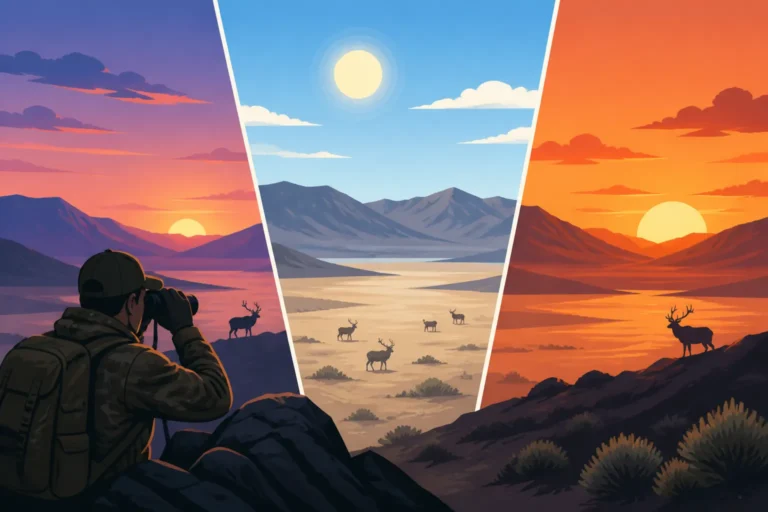
In milder conditions, animals might spread out, browsing and bedding in vast areas. But come August, their entire daily pattern becomes a careful calculation of conserving energy and finding water. They're likely to bed in the densest shade they can find, often on north-facing slopes or in the bottoms of steep draws, trying to escape the sun's direct assault. Their feeding will be concentrated during the cooler periods of dawn and dusk, but even then, the constant need for water is a driving force.
You'll find that travel corridors, the subtle paths animals use to move between different areas, almost invariably connect bedding cover, feeding grounds, and water. These aren't always well-worn game trails like you'd see in a forest, but rather routes that offer the path of least resistance or the most cover on the way to a drink. Understanding these critical arteries is paramount. Even if game animals have adapted to the drought conditions by becoming more efficient with their water intake, they still must drink. This predictable need creates an unparalleled opportunity for hunters willing to put in the time at a water source. It often boils down to patience and being in the right place at the right time.
Identifying and Scouting Productive Water Sources
You can't just stumble upon water in Nevada and expect it to be a hotspot. Effective water sitting begins long before the season opener, with careful research and boots-on-the-ground validation. This critical pre-hunt phase can make or break your chances.
Types of Water Sources in Nevada
Nevada's desert landscape hides a surprising variety of water sources, each with its own characteristics that dictate game use. The most reliable are natural springs and seeps, where groundwater naturally surfaces. These often host lush vegetation, providing not only water but also valuable forage and cover. Pay close attention to these, as they're often historical hotspots.
Then there are the man-made wonders: guzzlers. These are designed specifically to provide water for wildlife, collecting rainfall and storing it in underground tanks accessible through ramps. They are game-changers in arid units and are often heavily utilized. How to Locate a Guzzler From Home is a skill worth developing using online tools. Beyond these, you might find cattle troughs (if the unit has grazing permits), which can be good if they're not too disturbed by livestock, or even remote stock tanks that hold water longer into the dry season.
When you're out scouting, don't just note the presence of water; look for definitive signs of use. Fresh tracks of deer, elk, or pronghorn leading to and from the source, recent droppings, rub lines on nearby bushes, or even shed antlers from previous seasons can tell you a lot about the quality and consistent use of a water hole. Some water sources will see heavier use than others, and your goal is to find the most active ones.
E-Scouting and Boots-on-the-Ground Recon
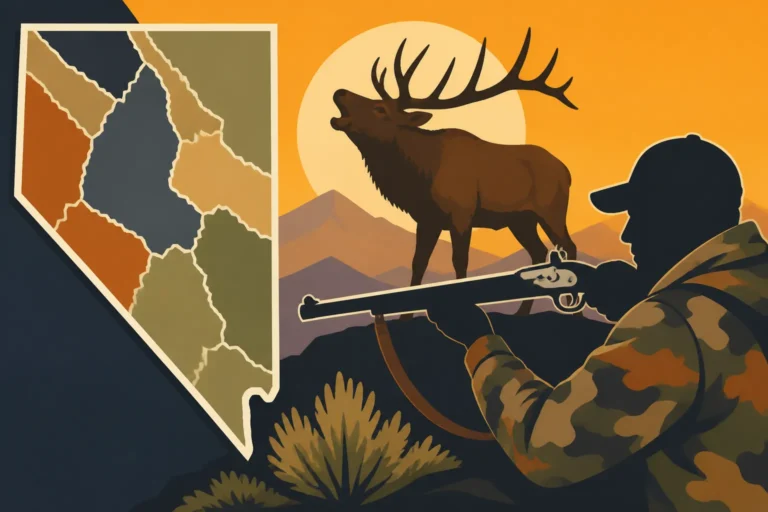
In this modern age, technology is your best friend for initial reconnaissance. Mapping applications, like those offered by GoHunt or similar platforms, are indispensable. Start by identifying all potential water sources within your chosen hunt unit. Look for the blue dots marking springs, the subtle green patches that indicate a seep, or the tell-tale signs of a guzzler system. Satellite imagery is incredibly powerful here; you can often zoom in and spot game trails converging on a water source or identify potential bedding areas nearby. This will give you a solid starting point for your physical scouting. Consider Reading a Nevada Hunt Unit Before You Apply to fully understand your map.
But e-scouting can only get you so far. There's no substitute for actually putting boots on the ground. Visit these identified water sources weeks or even months before the season. Check water levels – a spring marked on a map might be bone dry in August if it's a weak flow. Look for fresh sign. Are there tracks from multiple animals? Is the mud churned up? Is there recent scat or fresh browse nearby? This is also your chance to assess the surrounding terrain for optimal setup locations. Find cover, identify potential shooting lanes, and understand the prevailing wind patterns. You're not just looking for water; you're looking for active water, and Reading Water Sources Before an August Hunt thoroughly is key.
| Water Source Type | Reliability in August | Game Preference | Scouting Tips |
|---|---|---|---|
| Natural Spring | High (if strong flow) | High (deer, elk, sheep) | Look for lush vegetation, converging trails. Check flow rate pre-season. |
| Seep | Moderate (can dry up) | Moderate (deer, smaller game) | Often subtle; look for damp ground, darker soil, green patches. |
| Wildlife Guzzler | High (designed for storage) | Very High (all big game) | Often marked on maps; look for ramps, concrete structures. Check for recent repairs. |
| Cattle Trough | Variable (depends on use) | Moderate (can be pressured) | Check for cattle presence. Look for fresh game tracks mixed with livestock. |
| Remote Stock Tank | Moderate (can evaporate) | Moderate (less pressure) | Often in remote areas; check water depth and algae growth. |
Strategies for Sitting Water Effectively
Once you've identified a promising water source, the real work of hunting begins. Sitting water isn't just about showing up; it's about being strategic, patient, and invisible to the wary eyes and noses of desert game.
Optimal Setup and Concealment
Your setup is everything when sitting water. First and foremost, consider the wind. Animals will almost always approach a water source from downwind, trying to scent-check for predators. You need to be positioned so your scent is carried away from their likely approach, or at least across an area where they won't typically travel. Check the prevailing wind for the time of day you plan to sit, but also be aware that thermals will shift, particularly in the mornings and evenings.
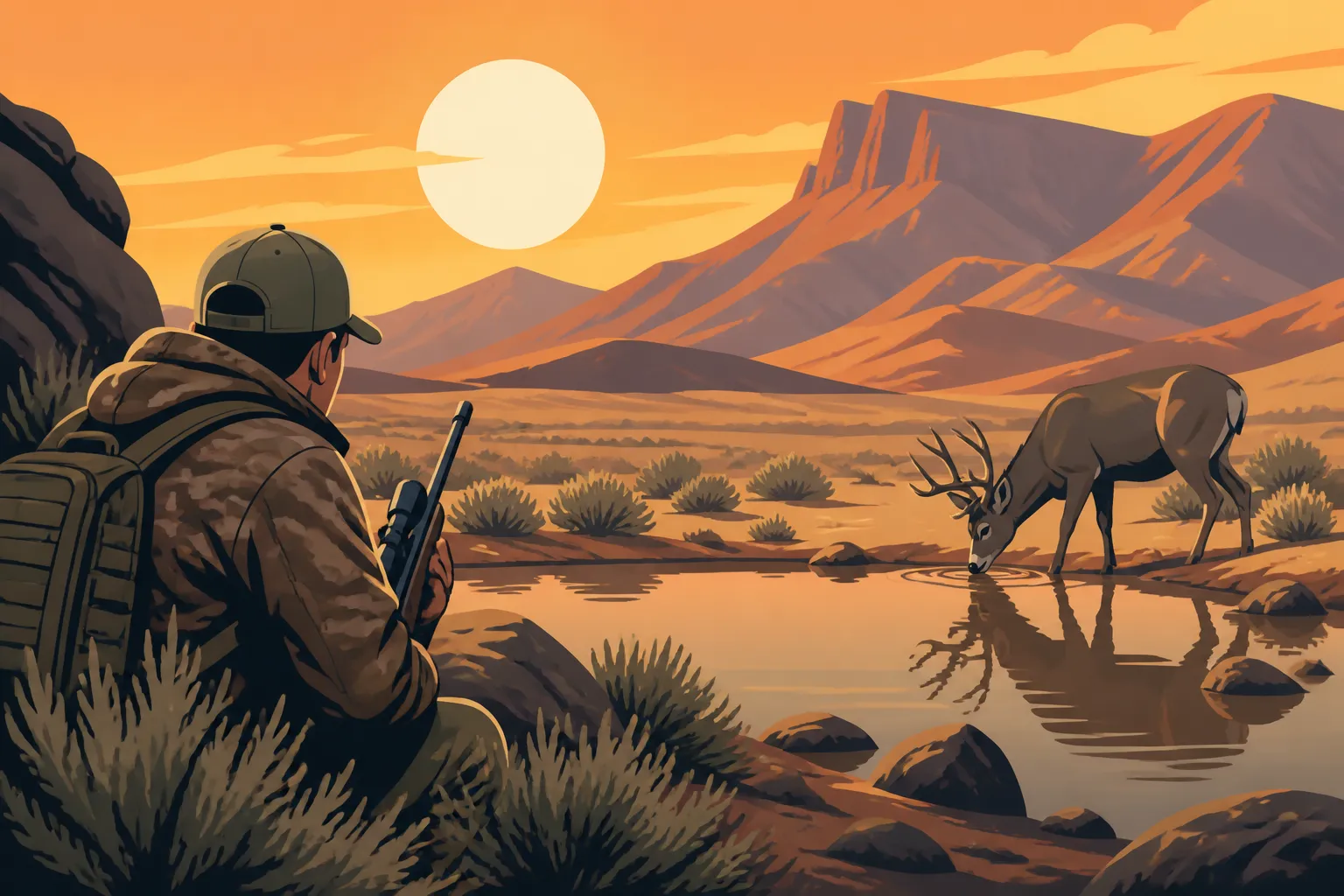
Next, concealment is paramount. You need to blend into your surroundings completely. Natural blinds, like dense juniper bushes, rock formations, or a wash bank, are often best. If you're using a pop-up blind, set it up well in advance to allow animals to get accustomed to its presence, and make sure it's brushed in to break up its silhouette. Minimize all noise and movement. Even a subtle rustle of clothing or a head turn can be enough to spook a mature animal. Position yourself for an ethical shot, ensuring you have clear lanes to the most likely drinking spots, but don't over-clear, as that can make your position obvious. Setting up 50-100 yards away from the water often provides a good balance between shot opportunity and minimizing disturbance.
Timing Your Sit and Patience
The "best" time to sit water in August is often a combination of early morning and late evening, when temperatures are cooler. Animals will move from their bedding areas at first light to get a drink before the sun gets too high, and then again as the sun begins to set, before heading to feed. However, don't discount midday. In extreme heat, especially during a drought, animals might risk a midday drink out of sheer necessity. It's often the most uncomfortable time for a hunter, but the rewards can be significant.
The most important element of sitting water is patience. You might sit for hours, seeing nothing but birds and lizards, only to have a buck or bull materialize silently from the sagebrush. Be prepared for long, quiet hours. Bring plenty of water for yourself – remember, you're experiencing the same dehydration pressures as the animals. Keep snacks handy, and ensure your movements are minimal. If you're going to commit to a water source, commit for the long haul. Sometimes, sitting the same spot for multiple days, understanding how animals use it, can lead to success. Why Glassing Beats Walking in Sage Country is another effective technique, but for water sources, it's often about the static wait.
Gear and Preparation for a Water Sit
A successful water sit isn't just about strategy; it's also about having the right gear and being mentally and physically prepared for the challenges that come with it.
Essential Equipment for a Long Sit
Your gear list for a water sit in Nevada will be different from a high-country backpack hunt. Optics are crucial. While you'll be relatively stationary, good binoculars (like a reliable 10×42 or 12×50) are essential for continually scanning the approaches to the water, spotting subtle movements, or judging an animal at a distance. If you're setting up further back, a spotting scope on a lightweight tripod can be invaluable for detailed observation without moving your head or body.
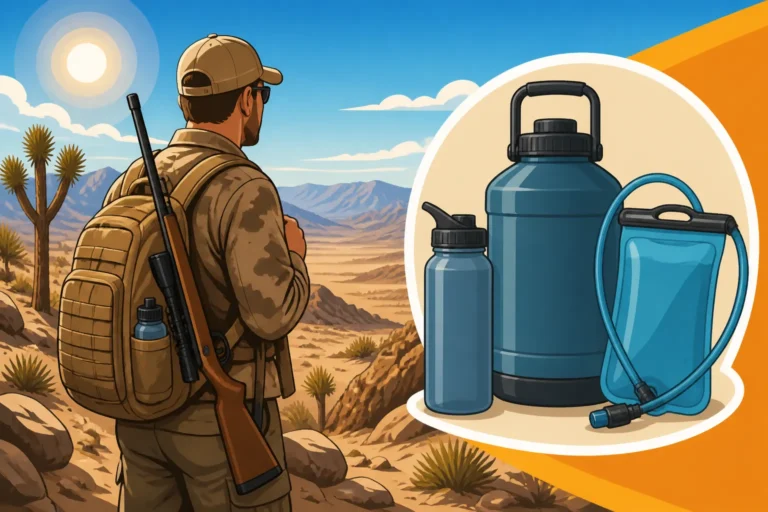
Beyond optics, hydration for yourself is paramount. Carry more water than you think you'll need. A gallon a day is a bare minimum in August heat. Consider a small cooler with ice for cold drinks. Shade is critical – a wide-brimmed hat, lightweight UPF clothing, and even a small, packable umbrella or tarp can make a huge difference in your comfort. A comfortable, quiet seat (like a portable stool or cushion) will help you endure the long hours. For your weapon, whether it's a bow or rifle, make sure it's sighted in perfectly for the distances you anticipate shooting. Scent control sprays and clothing can also help mitigate your human odor, giving you an edge.
Contingency Planning and Ethics
Before you even head out, have a plan for contingencies. What if another hunter is already at your chosen water source? The ethical choice is to respectfully find another spot or wait for them to leave. These are often shared resources, and courtesy goes a long way. Have backup water sources identified.
Retrieving game in August heat presents unique challenges. Once you've harvested an animal, getting it field dressed and cooled quickly is critical to preserving the meat. Understand Field Dressing in August Heat and consider carrying game bags and a plan for packing the animal out, especially if it's in roadless country. Packing an Animal Out of Roadless Country can be a grueling task in these conditions, so planning is essential. Also, always be aware of the Legal Shooting Hours and Blaze Orange in Nevada regulations to ensure you're hunting within the law. Finally, remember that water sources are vital to wildlife, especially in drought. Tread lightly, leave no trace, and always prioritize the health of the habitat.
Disclaimer
Please remember that hunting regulations can change. Always consult the most current Nevada Department of Wildlife (NDOW) regulations and season proclamations before heading into the field. This guide offers general advice and should not replace official sources.