Youth Hunting Requirements in Nevada
It can feel like you need a law degree just to figure out all the ins and outs of getting a young hunter started in Nevada. Between hunter education, age limits, license types, and draw odds, it’s enough to make a parent’s head spin! This comprehensive guide is here to untangle all those regulations, giving you a clear roadmap to introduce the next generation to the incredible hunting opportunities across the Silver State.
Understanding Nevada's Hunter Education Requirements for Youth
Before any young hunter can even dream of heading into Nevada's vast sagebrush basins or mountain ranges, they need to complete hunter education. This isn't just a formality; it's a foundational step to ensure safety, ethics, and responsible hunting practices are instilled from the very beginning. The Nevada Department of Wildlife (NDOW) takes this seriously, and so should every parent.
The Critical Birth Year Cutoff and Exemptions
Nevada has a specific cutoff date that dictates who must complete a hunter education course. If your child was born on or after January 1, 1960, they are absolutely required to show proof of hunter education certification to purchase a hunting license. This applies to both residents and non-residents alike. It's a hard and fast rule, and there are very few exceptions when it comes to the requirement itself. For instance, those who were born before this date are generally exempt, as it's assumed they came up in a different era of hunting regulation. But for anyone under that age, this is your starting gate.
Now, while the requirement for those born after 1959 is firm, there are provisions for individuals who are not yet certified but wish to try hunting under direct supervision. Nevada offers a one-time Apprentice Hunter Authorization. This is a fantastic program that allows an uncertified individual, regardless of age (as long as they meet the minimum age requirements for the species they intend to hunt), to hunt when accompanied by a licensed, certified hunter who is at least 18 years old. The mentor must carry their own valid hunting license and hunter education card, and they must remain within arm's reach and direct supervision of the apprentice hunter. This program is truly invaluable for families looking to test the waters without committing to a full hunter education course upfront. However, remember it's a one-time authorization, and if the youth wants to continue hunting, full certification will be necessary. It’s a great way to experience a hunt, like a quick chukar trip in the fall or even try for rabbits, before diving headfirst into the full course. You can learn more about exactly who Nevada's 1960 hunter education rule covers if you're uncertain about an adult family member or friend.
Online vs. Classroom Hunter Education for Young Hunters
When it comes to completing hunter education, you generally have two paths in Nevada: a traditional in-person classroom course or an approved online course combined with a field day. Both methods lead to the same certification, but they offer different learning experiences that might suit your child better.
The classroom course provides a structured environment where kids can interact directly with instructors and other students. This can be incredibly beneficial for hands-on learners or those who thrive in a social setting. Instructors often bring in practical examples, demonstrate safe firearm handling, and lead discussions that can really cement the ethical principles of hunting. The direct interaction means questions can be answered immediately, and nuances of local regulations can be emphasized. For many, this traditional approach builds a stronger sense of community and responsibility.
On the other hand, online hunter education offers immense flexibility. For busy families or those in remote areas of Nevada where in-person classes are few and far between, the ability to complete the bulk of the coursework at home, at your own pace, is a huge advantage. Websites like Hunter-ed.com or IHEA-USA provide interactive, engaging content that covers all the necessary material. However, even with an online course, Nevada requires a mandatory field day. This field day is where practical skills are assessed, including safe firearm handling, proper shooting techniques, and often a live-fire exercise. It's the critical component that ensures online learners get the hands-on experience necessary to be safe and ethical hunters in the field. So, while the online portion can be done anywhere, be prepared to travel for that in-person field day. When deciding between online and classroom hunter education compared, consider your family's schedule and your child's learning style.
Verifying Out-of-State Hunter Education for Youth
One common question, especially for non-resident families or those who've moved to Nevada, is whether a hunter education certificate from another state is valid here. The good news is, yes, Nevada generally accepts hunter education certifications from any state or Canadian province, provided the course was approved by the International Hunter Education Association (IHEA-USA). This reciprocity is a huge relief, as it means your child won't have to retake a course they've already completed.
However, simply having the card isn't always enough; you need to be able to prove it. When purchasing a Nevada hunting license for your child, you'll need to present their hunter education card or a verifiable record of completion. If the physical card is lost or misplaced, you might need to contact the issuing state's wildlife agency to get a duplicate or a verified record. The NDOW system is usually able to cross-reference certifications, but having the physical proof on hand will always make the process smoother and faster, whether you're at a license vendor or interacting with game wardens in the field. Understanding how Nevada verifies an out-of-state certification is key to avoiding any last-minute headaches. Make sure to keep that little orange card safe!
Nevada's Minimum Age to Hunt Big Game
Beyond hunter education, age is another significant factor that determines when a youth can legally participate in big game hunting in Nevada. It’s not a simple one-size-fits-all rule, as different species and types of tags can have varying age requirements. Parents need to pay close attention to the specifics to avoid disappointment.
Age Restrictions for Different Game Species
Generally, there isn't a strict "minimum age to hunt" in Nevada that applies to all hunting activities. For small game and upland birds, if a youth has completed hunter education (or is hunting under an apprentice license with supervision) and possesses the appropriate license, they can participate. The real age gates typically come into play with big game species.
For big game hunting in Nevada, a youth generally needs to be at least 12 years old by the opening day of the hunt to apply for or purchase a tag. This means if you're applying for a coveted mule deer or elk tag, your child must be 12 by the time that specific season opens. This age requirement is critical because the application period for big game often occurs months before the actual hunt. For instance, if a season opens on August 10th, and your child turns 12 on August 11th, they would not be eligible for that hunt. This is a common trap for eager young hunters and their parents. It's always best to check the current year's regulations for exact dates and age cutoffs for specific hunts, as these can sometimes have subtle variations.
Nevada also offers special junior-only hunts, which are designed specifically for young hunters. These hunts often have their own specific age criteria within the general framework, usually targeting youth aged 12-17. These junior hunts are fantastic opportunities, often held in areas with good success rates, and aim to foster the next generation of conservationists. For example, some junior deer hunts might occur earlier or later than general seasons, offering a less pressured experience. Understanding the nuances of the minimum age to hunt big game in Nevada is crucial for planning your youth hunter’s season.
Supervised vs. Unsupervised Hunting for Minors
The question of whether a minor can hunt alone is a critical safety and legal consideration. In Nevada, any hunter under the age of 12 cannot possess a firearm or archer's equipment for hunting unless they are participating in a supervised hunter education activity or an authorized target shooting event. This means younger children cannot hunt at all, even with supervision.
For youth aged 12 to 17, the rules become more nuanced, falling into categories of "supervised" and "unsupervised" hunting. A certified hunter aged 12-17 may hunt unsupervised if they possess a valid hunting license and any required tags. However, many parents, understandably, choose to supervise their minors even when not legally required to do so. This isn't just about safety; it's about mentorship, teaching valuable field craft, and sharing the hunting experience. For specific youth requirements to hunt unsupervised, it's always recommended to review the most current NDOW regulations. The Apprentice Hunter Authorization program mentioned earlier is a prime example of a strictly supervised scenario, requiring the mentor to be within arm's reach.
When a youth is hunting, even if technically "unsupervised" by law, responsible parenting and mentorship strongly encourage continued guidance. This could mean being in the same general area, having clear communication plans, or simply ensuring they have the skills and judgment to handle situations independently. The legal age of supervision often aligns with the age one can possess a license, but the best practice for developing ethical and successful hunters extends far beyond legal minimums.
Youth Hunting Licenses, Tags, and Application Process
Navigating the licensing and tag application process can be one of the more intimidating aspects of hunting in Nevada, and it’s no less complex for youth hunters. Understanding the steps, costs, and unique opportunities available for younger participants is key to a successful hunting season.
Combination License and Species-Specific Tag Costs for Youth
Before applying for any big game tags, every hunter in Nevada, including youth, must first purchase a Nevada Combination Hunting and Fishing License. This is your base entry ticket into the state's hunting and fishing opportunities. For youth (typically those under 18, though specific age brackets for "youth" pricing can vary slightly, so always check current regulations), these licenses are significantly discounted compared to adult resident or nonresident prices. This is a deliberate effort by NDOW to make hunting more accessible for younger generations, which is fantastic news for families.
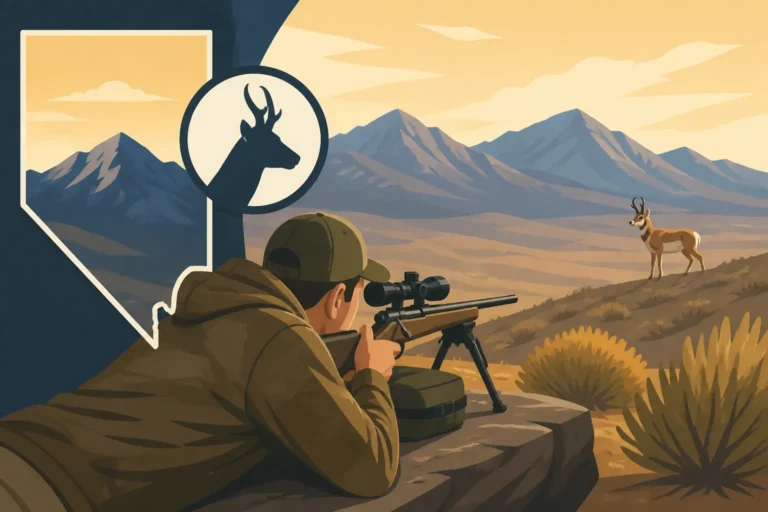
Once the combination license is secured, the next step is applying for species-specific tags. For big game like deer, elk, or antelope, these tags are typically awarded through a draw system due to limited quotas. The application fees for youth tags are also generally lower, and if successful in the draw, the actual tag fee is usually a reduced rate as well. However, it's crucial to understand that even with reduced fees, big game tags, especially for non-residents, can still represent a significant investment.
Here’s a quick overview of typical costs (always verify current year pricing on the NDOW website):
| Item | Resident Youth (Approx.) | Non-Resident Youth (Approx.) |
|---|---|---|
| Combination License | $15 – $20 | $20 – $30 |
| Deer Application Fee | $10 – $15 | $15 – $20 |
| Deer Tag Fee (if drawn) | $30 – $40 | $100 – $150 |
| Elk Application Fee | $10 – $15 | $15 – $20 |
| Elk Tag Fee (if drawn) | $100 – $150 | $300 – $500 |
| Antelope Application Fee | $10 – $15 | $15 – $20 |
| Antelope Tag Fee (if drawn) | $30 – $40 | $100 – $150 |
Note: These are approximate costs and can change annually. Always consult the official NDOW regulations for the most up-to-date pricing.
Beyond big game, youth can also purchase small game and upland bird stamps or licenses, which are often bundled into the combination license or available as affordable add-ons. These allow access to abundant opportunities like chukar, rabbit, and dove hunting, which are excellent ways to introduce new hunters to the field without the pressure of a big game draw. Looking into the specific Nevada Youth and Senior License Pricing can help you budget for the season.
Applying for Youth-Specific Hunts and Draw Considerations
Nevada offers specific "Junior Only" hunts for various big game species, identified by unique hunt codes in the regulations. These hunts are exclusively for eligible youth hunters and often have better draw odds than general season tags, or are strategically timed to offer a good hunting experience. This is where researching the regulations really pays off. Tools like GoHunt's Insider service can be incredibly helpful here, allowing you to filter for youth-specific hunts and analyze historical draw odds, giving you an edge in selecting units and maximizing your child's chances.
When applying for these junior-only hunts, the process is identical to adult applications. You'll submit your child's application online through the NDOW website during the designated application period (typically March to May). It's crucial to ensure all information, including their hunter education number and age verification, is correct. Mistakes can lead to disqualification, which is the last thing any young hunter wants.
A common strategy for families is to apply for both general season tags and junior-only tags if allowed, or to prioritize the junior tags if the goal is simply to get a first tag in hand. Some units might be managed specifically for youth, offering higher success rates or easier access. Always read the hunt unit descriptions carefully, using resources like Reading a Nevada Hunt Unit Before You Apply to understand the nuances of terrain, public access, and game populations. These junior-only tags are designed to encourage participation, so don't overlook them.
The Importance of Bonus Points for Future Youth Opportunities
Nevada employs a bonus point system for its big game draws, which significantly impacts draw odds over time. For every year an applicant is unsuccessful in the draw for a particular species, they accrue a bonus point for that species. This point is then squared in subsequent draws, effectively multiplying their chances. What makes this system particularly exciting for youth hunters is the ability to start accumulating these points at a young age.
Imagine your child starts applying for deer tags at 12 years old. If they don't draw in their first year, they get one point. The next year, that point is squared, giving them two "chances" in the draw. After five years of not drawing, they'd have five points, which squares to 25 chances! This system heavily favors persistence, and starting early means your child can build up a significant number of points over their teenage years, drastically increasing their chances of drawing a prime tag later on.
Parents can also purchase "point-only" applications for their children if they don't plan to hunt that year or aren't eligible for a specific hunt but still want to build points. This is a savvy long-term strategy. Knowing that Nevada Squares Your Bonus Points Into Draw Chances truly highlights the value of consistent application. Even if your child doesn't draw a tag in their first few years, those accumulated points are an investment in future hunting adventures and make for an excellent reason to stick with the application process year after year.
Special Considerations for Youth Hunts in Nevada
Hunting with youth goes beyond just permits and regulations; it involves a whole host of practical and ethical considerations to ensure their experience is positive, safe, and truly formative. Nevada's unique environment presents its own set of challenges and opportunities that parents should be mindful of.
Legal Shooting Hours and Blaze Orange Rules for Juniors
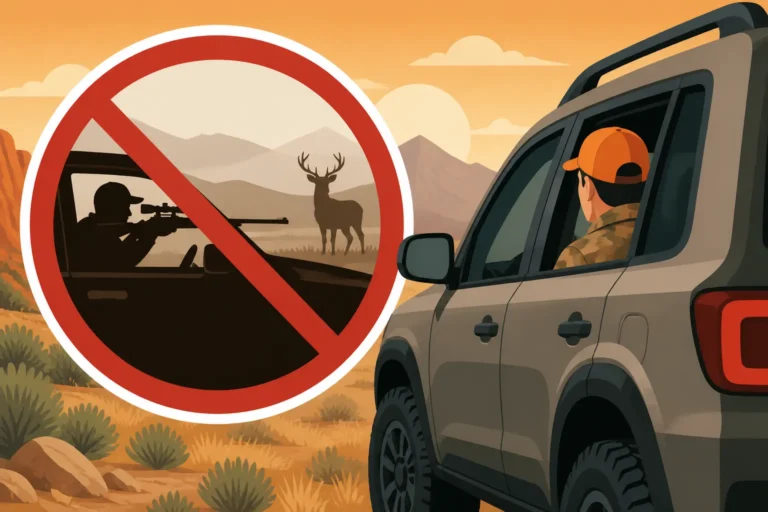
When you're out in the field with a young hunter, knowing the specific legal shooting hours is paramount. In Nevada, big game hunting is generally restricted to one-half hour before sunrise to one-half hour after sunset. This is a consistent rule across most big game seasons, but it's always wise to double-check the current year's regulations for any species-specific variations. For instance, some waterfowl or predator hunts might have different legal shooting hours. Teaching your child to understand and abide by these times instills discipline and safety, ensuring shots are only taken in adequate light conditions. It's a fundamental part of Nevada Legal Shooting Hours for Big Game that needs to be drilled in from day one.
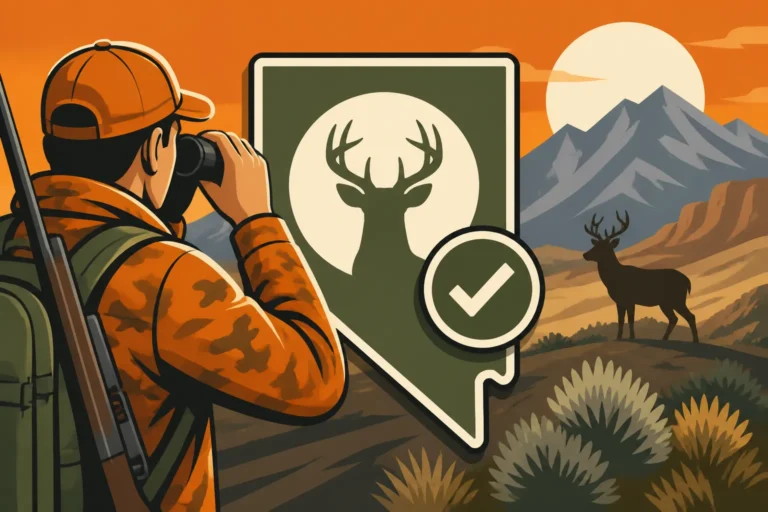
Blaze orange requirements are another critical safety aspect, especially when hunting during rifle seasons. While blaze orange is not typically required during archery-only seasons, it becomes mandatory during any firearm season where deer, elk, or antelope are present. Generally, hunters are required to wear at least 400 square inches of hunter orange (fluorescent orange) above the waist, which must be visible from 360 degrees. This includes an orange hat. For youth, especially those who might be smaller in stature, it's essential to ensure their blaze orange gear is clearly visible and correctly worn. You want them to be easily identifiable by other hunters and also able to see others. This applies to both the youth hunter and their accompanying adult. Even during archery seasons, many experienced hunters choose to wear a blaze orange vest when walking to and from their hunting spots as an added layer of safety.
Gear, Physical Preparation, and Ethical Considerations for Young Hunters
Getting a young hunter ready for a Nevada adventure isn't just about the paperwork; it's about preparing them for the realities of the hunt. Nevada's terrain can be rugged, and its climate extreme, especially during early seasons like Nevada's August Archery Deer Season Opens the Year.
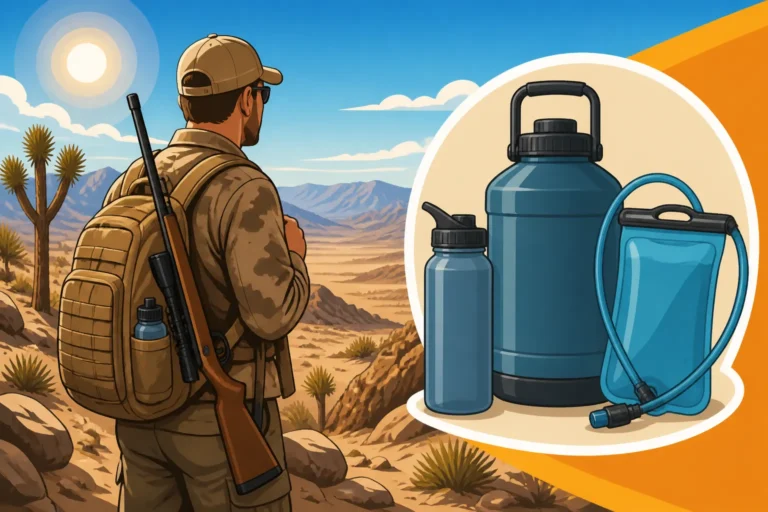
Gear: Selecting appropriate gear for a youth hunter is crucial. They need comfortable, broken-in boots suitable for covering miles of sagebrush and rocky ground. Layered clothing is a must, as temperatures can swing wildly from chilly mornings to hot afternoons, even in the higher elevations. A good quality backpack that fits their smaller frame, a reliable water system (like a hydration bladder), and sturdy binoculars are also essential. Don't forget ear and eye protection for target practice and actual hunting. For firearms, ensure they have a youth-model rifle or shotgun that fits them well, with a manageable recoil, to ensure accuracy and prevent them from developing a flinch. A proper fit is more important than raw power for a new shooter.
Physical Preparation: Hunting in Nevada, particularly for species like deer or elk in the basin and range, often involves a lot of hiking and glassing. Preparing physically for long glassing days is vital for both youth and adults. Encourage hikes, walks, and other outdoor activities in the months leading up to the hunt. A tired hunter is more prone to mistakes and less likely to enjoy the experience. Emphasize carrying enough water you must carry on a desert day hunt, especially during early season hunts, as dehydration is a real risk.
Ethical Considerations: This is arguably the most important aspect. Hunting is about more than just harvesting an animal; it's about respect for wildlife, the land, and fair chase principles. Teach your child about responsible shot placement, ensuring a quick and humane harvest. Discuss game recovery techniques and the importance of tracking a wounded animal relentlessly. Instill in them the importance of adhering to bag limits, season dates, and all regulations. Talk about respecting private property and public lands alike. Ethics also extend to how they interact with other hunters and the non-hunting public. A young hunter who understands and lives by these ethics will become a true ambassador for the sport.
Mentoring the Next Generation: Beyond the Regulations
The role of a mentor in a young hunter's journey cannot be overstated. While regulations provide the framework, it's the mentorship that shapes the experience and values. A great mentor teaches patience, perseverance, and appreciation for the natural world, even on days when the game isn't cooperating.
This means focusing on the experience rather than just the harvest. Teach them how to read a map and use GPS. Show them how to identify different animal tracks and scat. Explain how wind direction affects a stalk. Point out different plants and animals, and talk about ecosystem health. Spend time glassing, teaching them how to use optics power for Nevada's long sightlines and how to identify game at a distance. These moments in the field, away from screens and distractions, are priceless.
Consider starting with small game or birds. The faster action and generally lower pressure of a chukar hunt or rabbit hunt can be an excellent way to build basic hunting skills and confidence before moving onto big game. It helps them learn gun safety, fieldcraft, and the satisfaction of a successful hunt without the intense pressure that can sometimes accompany a big game tag.
Ultimately, your goal as a mentor is to create a positive, memorable experience that fosters a lifelong love for hunting and conservation. It's about building character, teaching responsibility, and connecting them deeply with the wild places that Nevada has to offer. The regulations are just the first step on what we hope is a lifetime of adventure.
Disclaimer
Please remember that hunting regulations, seasons, and licensing requirements can change frequently. While this guide aims to be comprehensive and accurate, it is crucial to consult the official Nevada Department of Wildlife (NDOW) website or their current Big Game Seasons and Application Regulations booklet for the most up-to-date and legally binding information before planning any hunt. This content is for informational purposes only and does not constitute legal advice.