The All-In Price of a Nevada Nonresident Deer Tag
Planning a nonresident deer hunt in Nevada can feel like deciphering ancient scrolls, especially when you're trying to pin down the actual financial commitment. Many hunters get excited about the possibility of drawing a coveted tag, but then get bogged down by the myriad of fees and licenses that add up. This guide is designed to demystify the "all-in" price of a nonresident Nevada deer tag, breaking down every cost so you can budget effectively and focus on the thrill of the hunt.
Understanding the Foundation: Your Nevada Combination License
Before you can even think about applying for a deer tag in the Silver State, every hunter, resident or nonresident, needs to purchase a base hunting license. This isn't just a formality; it's your entry ticket into the Nevada drawing system and a prerequisite for any big game tag. Without it, your application won't even be considered, and trust me, that's a frustration you want to avoid after spending hours researching units.
The Mandatory Starting Point
The Nevada Department of Wildlife (NDOW) requires all applicants for big game tags to possess a current year's hunting license. For nonresidents, this is specifically called the Nevada Combination License. It's important to understand that this isn't a tag itself, but rather the general permission to hunt small game and serves as the foundation upon which all big game applications are built. Think of it as your driver's license for hunting; you can't drive without it, and you can't apply for a big game tag without this combination license. This upfront cost is often overlooked when hunters first consider the price of a tag, but it's non-negotiable and adds a significant chunk to your initial outlay.
Resident vs. Nonresident License Costs
The cost of this combination license varies significantly depending on whether you're a Nevada resident or not. As a nonresident, you're looking at a considerably higher fee, reflecting the state's prioritization of resident opportunities and a common practice across western states. Currently, the Nonresident Nevada Combination License Price typically runs a few hundred dollars. This fee covers your ability to apply for various species and participate in the big game draw, but it doesn't guarantee you a tag. It's a crucial first step, and one that many hunters find a bit jarring if they're not prepared for it. For comparison, resident licenses are substantially less, making the barrier to entry much lower for those who call Nevada home. Always check the most current NDOW regulations, as these fees can adjust year to year, even if only slightly.
Breaking Down the Deer Tag Application Fees
Once you have your combination license in hand, you're ready to navigate the application process for a deer tag. This stage introduces several more fees, each playing a specific role in your overall cost, whether you draw a tag or not. It's a system designed to manage demand for limited tags, and it often requires a substantial financial commitment upfront.
The Initial Application Cost
When you apply for a Nevada deer tag, you'll be charged a non-refundable application fee for each species you apply for. This is a separate charge from your combination license and covers the administrative costs of processing your application. While not a massive fee on its own, it adds up if you apply for multiple species (deer, elk, antelope, etc.). The Nevada Application Fees Per Species are relatively modest, but it's important to remember that this fee is not refunded if you fail to draw. It's simply the cost of throwing your hat into the ring. Many hunters find this a tough pill to swallow, especially after years of applying and not drawing, feeling like they're just donating money to the state. But it's part of the game for highly sought-after western tags.
What Happens if You Don't Draw
This is where Nevada's system differs from some other states and can significantly impact your "all-in" cost over time if you're consistently unsuccessful in the draw. When you apply for a deer tag, the full tag fee for that species is typically authorized on your credit card at the time of application, but it's only charged if you're successful. If you don't draw, that authorization simply expires, and you're only out the combination license fee and the non-refundable application fee. However, what you do get is a bonus point. Nevada's bonus point system is unique because it squares your points, meaning each year you apply and don't draw, your chances in the next draw increase exponentially. Understanding How Nevada's Squared Bonus Point System Works is crucial for long-term planning. Many hunters view these non-drawing years as investments in future draws, especially for those highly coveted units, effectively making the combination license and application fee part of the "cost" of accumulating points. Resources like GoHunt are excellent for tracking these draw odds and understanding what it truly takes to draw in a specific unit.
Specific Tag Fees When You Draw
If the stars align and you're successful in the draw, congratulations! But don't forget the final and largest component of your financial commitment: the actual deer tag fee. This is the substantial amount that will be charged to your card once your name is pulled. The state's general fund and wildlife conservation efforts primarily benefit from these fees. For nonresidents, What a Nonresident Nevada Mule Deer Tag Costs is a significant expense, often running close to a thousand dollars or more. This fee, combined with your combination license and application fee, truly makes up the core "all-in" price for the tag itself. It's a big investment, but for many, the chance to hunt Nevada's vast public lands for mule deer is well worth it. Keep in mind that once you draw, you generally lose your accumulated bonus points for that species, resetting your counter for future applications.
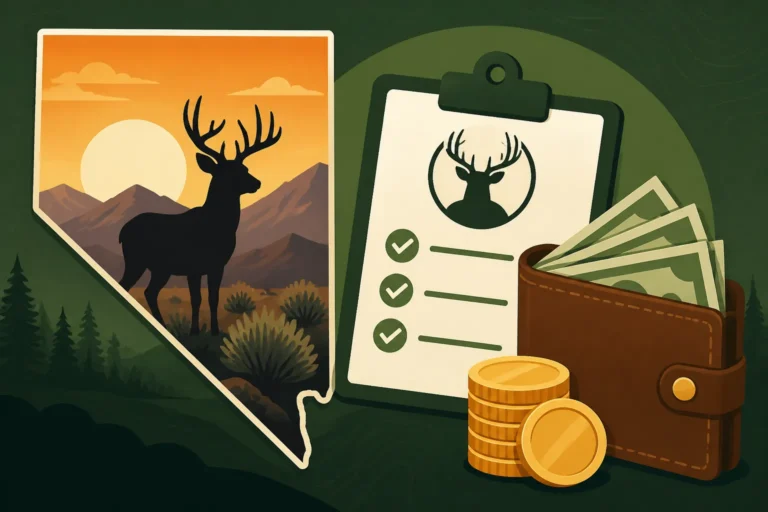
Here's a quick look at the core components of the "all-in" price for a nonresident Nevada deer tag:
| Cost Component | Typical Nonresident Price Range | Notes |
|---|---|---|
| Combination License | $150 – $200 | Mandatory for all applicants, covers base hunting privileges. |
| Deer Application Fee | $15 – $25 | Non-refundable, covers processing; paid per species applied for. |
| Mule Deer Tag Fee (if drawn) | $400 – $600+ | Charged only upon successful draw; significant investment. |
| Estimated Core "All-In" | $565 – $825+ | This is the base cost for the license, application, and drawn tag. |
Note: Prices are estimates and subject to change. Always refer to current NDOW regulations for exact figures.
The True "All-In" Costs Beyond the Tag Itself
While securing the tag is the biggest hurdle, any seasoned hunter knows that the price of the actual tag is just one piece of the puzzle. The true "all-in" cost of a Nevada nonresident deer hunt extends far beyond the license and tag fees. Ignoring these additional expenses can quickly lead to an over-budgeted or, worse, an unprepared hunting trip in Nevada's challenging terrain.
Hunter Education Requirements and Fees
Before you can even purchase that combination license or apply for a tag, you might need to prove your hunting competency. Nevada has specific Hunter Education Requirements, particularly for anyone born after 1959. If you haven't completed a hunter education course, this is another upfront cost and time commitment. The good news is that Nevada Accepts Hunter Education From Any State, so if you've been certified elsewhere, you're likely good to go. However, if you need to take a course, factor in the course fees, which can range from free online options to more involved in-person classes that might cost a small amount. Even if the course itself is free, there's the time investment, and potentially travel costs to an in-person field day. Don't let this catch you off guard; verify your certification status well before the application deadlines.
Travel, Lodging, and Equipment Considerations
This is where the costs can really begin to balloon, and where many first-time nonresident hunters underestimate the budget. Nevada is a massive state, and its prime hunting grounds are often remote. Consider the cost of fuel for travel to and within your unit – you'll be covering a lot of ground on unimproved roads, and gas stations can be few and far between. For your vehicle, don't forget to factor in wear and tear, especially if you're taking your personal truck onto rough two-tracks.
Lodging can range from free dispersed camping on BLM ground to motels in small towns. If you're planning a multi-day backcountry hunt, you'll need reliable camping gear suitable for desert conditions, which can swing wildly from scorching days to freezing nights. Then there's the specialized gear: your rifle, quality optics like a Spotting Scope Power for Open Country, durable boots for sharp volcanic rock, and a good pack for Packing an Animal Out of Roadless Country. These are significant investments, and while some are one-time purchases, others, like ammunition, fuel, and food, are recurring costs for each trip. An effective E-Scouting a Nevada Unit Before the Season plan can help you identify logistical challenges and better estimate these costs.
Processing and Shipping Your Harvest
Let's say you're successful and down a beautiful Nevada mule deer. Now what? The work isn't over, and neither are the expenses. Field dressing and getting the meat cooled quickly, especially on an August archery hunt or an early season rifle hunt, is paramount. You might opt to process the animal yourself, which saves money but requires time, knowledge, and appropriate tools. Alternatively, local butchers near popular hunting areas can process your deer for a fee, which can range from $150 to $300 or more, depending on the services you choose (cuts, wrapping, sausage making, etc.).
Then comes the challenge of getting your venison home. If you're flying, shipping frozen meat can be very expensive, requiring special coolers and expedited freight. If you're driving, you'll need large coolers, plenty of ice, and a plan for keeping the meat cold for the entire journey, which can be several days for hunters coming from the East Coast. Don't forget potential taxidermy costs if you harvest a trophy buck, which can easily run into thousands of dollars. These "after the shot" expenses are often forgotten in the excitement of drawing a tag, but they are a very real part of the "all-in" price.
Hidden Costs and Unexpected Expenses
Every seasoned hunter has a story about an unexpected expense that cropped up on a trip. In Nevada, these can include things like flat tires on remote dirt roads, requiring extra spare tires or professional roadside assistance in areas with no cell service. Satellite communication devices are almost a necessity in vast swaths of the state, adding to your gear budget. Emergency supplies, first aid kits, and extra water for you and your vehicle are crucial.
Consider also the time off work. Lost wages for a week-long hunt can be a substantial "cost" for many. Permit fees for specific areas, such as special recreation permits for certain wilderness areas, while rare for general hunting, could pop up. Even small things like extra ice for coolers, snacks for long days in the field, or unforeseen repairs to your gear can add up. It's always wise to budget an extra 10-15% for miscellaneous and unexpected expenses when planning a remote western hunt.
Strategizing Your Nevada Deer Hunt Budget
Given the various costs involved, a well-thought-out budget is your best friend when pursuing a nonresident Nevada deer tag. It's not just about having the money, but allocating it wisely to maximize your chances of success and enjoyment, without financial stress.
Using Draw Odds to Inform Your Spending
One of the smartest ways to approach your Nevada deer hunt budget is to consider the draw odds for the units you're interested in. If you're applying for a highly sought-after, limited-entry unit with very low odds (even with many bonus points), you might be investing those non-refundable application fees for many years before you draw. This is a long-term investment strategy. For hunters who want to hunt sooner, researching units with slightly better odds, perhaps using data from platforms like GoHunt, can change your approach. You might consider applying for a tag that's more attainable in a "cluster" of units, which might involve a trade-off in trophy potential but offers a higher likelihood of drawing a tag sooner. This way, your recurring costs for combination licenses and application fees translate into a hunt more quickly. Regularly checking Where Nevada Posts Its Draw Odds Tables will be key to this strategy.
Finding Detailed Cost Breakdowns
The best way to solidify your budget is to meticulously research current fees and estimate your trip expenses. Start with the official NDOW website for precise license and tag costs. For travel, use online mapping tools to calculate driving distances and fuel costs. Look up potential lodging options in towns near your target unit or research camping regulations for public lands. Talk to other nonresident hunters who have successfully hunted Nevada deer – their experiences can provide invaluable insights into realistic costs for equipment, meat processing, and unexpected challenges. Don't just look at the big numbers; drill down into every conceivable expense, from broadheads to bullet costs for your Choosing a Rifle for Basin and Range Country.
Creating a detailed spreadsheet can help you track every dollar. Consider breaking down costs into categories:
- Pre-hunt: Hunter education, combination license, application fees, scouting trips (if applicable), e-scouting subscriptions.
- Travel: Fuel, vehicle maintenance, tires, flights (if applicable), car rental.
- Gear: New rifle, optics, clothing, boots, backpack, camping gear, satellite device, processing tools.
- On-the-ground: Food, water, ice, camp supplies, motel stays, maps.
- Post-harvest: Meat processing, shipping/transport, taxidermy.
By taking the time to meticulously plan your budget and understand all the potential "all-in" costs, you'll be much better prepared for a rewarding and successful Nevada mule deer hunt. It’s a significant investment, but the experience of hunting Nevada’s vast and wild landscapes is truly priceless.
Disclaimer
Please note that hunting regulations, license fees, and tag costs in Nevada can change. This guide provides general information and estimates based on current understanding. Always consult the official Nevada Department of Wildlife (NDOW) website and current year's hunting regulations for the most accurate and up-to-date information before making any plans or financial commitments.