What Happens to Nevada Points After You Draw
One of the most exciting, yet nerve-wracking, moments for any Nevada hunter is waiting for those draw results to drop. But once the initial shock wears off—whether it's pure jubilation from drawing a coveted tag or the familiar sting of disappointment—a common question arises: what exactly happens to all those bonus points you've been meticulously building up, especially if you actually did draw? This guide will break down the mechanics of Nevada's bonus point system, clarifying how drawing a tag impacts your hard-earned points and what you can expect for future application cycles.
Understanding Nevada's Squared Bonus Point System
Nevada's bonus point system is one of the most unique and, frankly, advantageous for persistent hunters in the West. Unlike some states where a point only gives you one extra entry, Nevada truly rewards dedication by squaring your accumulated points each year. This means if you have one point, you get 1 entry. With two points, you get 4 entries. Five points? That's 25 entries. The effect is exponential, dramatically increasing your odds the longer you go without drawing. It's a system designed to eventually push long-time applicants into a tag.
The Basics of Bonus Points and the "Squared" Advantage
Every time you apply for a big game tag in Nevada and are unsuccessful, you accrue one bonus point for that specific species. The beauty of this system, and why it draws so many out-of-state hunters, is how it mathematically enhances your chances. As you can read more about in Nevada Squares Your Bonus Points Into Draw Chances, those points don't just add up; they multiply. Imagine the difference between having five regular entries in a draw versus twenty-five. That's the power of the squared system, and it's why hunters spend years building up points for those dream elk or bighorn sheep tags. This process is fully explained if you're curious about How Nevada's Squared Bonus Point System Works.
This unique structure is a double-edged sword: it offers fantastic odds for those with high points, but it also means that getting started can feel like a slow crawl. New applicants have very slim chances in popular units, as they are competing against hunters with exponentially more entries. That's why building points, even without the immediate expectation of drawing, becomes a core part of a long-term Nevada hunting strategy. It's an investment in future opportunities.
Why Points Matter in a Limited Draw State
Nevada is truly a trophy state, known for its high-quality animals and demanding hunts across vast, open country. Tags are incredibly limited, especially for species like elk, bighorn sheep, and even quality mule deer in certain units. Without a solid foundation of bonus points, drawing a premier tag can feel like winning the lottery, if not more difficult. The squared system ensures that those who commit to the long game are eventually rewarded, making the "points race" a significant aspect of applying here.
Hunters often pore over draw statistics, trying to understand What One Nevada Bonus Point Is Worth in terms of real-world draw odds for different species and units. Tools like GoHunt become invaluable resources here, allowing applicants to analyze past draw data, identify trends, and strategize which units or species offer the best chance of drawing with their current point totals. It's about maximizing your investment in a state where tags are precious commodities.
What Happens When You Successfully Draw a Nevada Tag
This is where the rubber meets the road. You’ve put in the time, built the points, and finally, that "successful" email or notification from NDOW lights up your screen. Congratulations! But what does that mean for your bonus point account?
Species-Specific Point Reset
The most critical thing to understand about Nevada's bonus point system is its species-specific nature. When you successfully draw a big game tag for a particular species—let's say a mule deer tag—your accumulated bonus points for that species will be reset to zero. It doesn't matter if you had 1 point or 15 points; once you draw a deer tag, your deer points go back to square one for the next application year.
This reset is absolute for the species you draw. It's a "use it or lose it" scenario for those specific points, but in the best way possible: you got to go hunting! So, if you drew a coveted elk tag after years of building 10 points, those 10 elk points (which gave you 100 entries!) are now gone. You'll start accumulating elk points again from zero the following year if you apply and are unsuccessful. This mechanic is a core component of the draw system and ensures that new points can be accrued, eventually cycling other patient hunters through to draw tags.
Retaining Points for Other Species
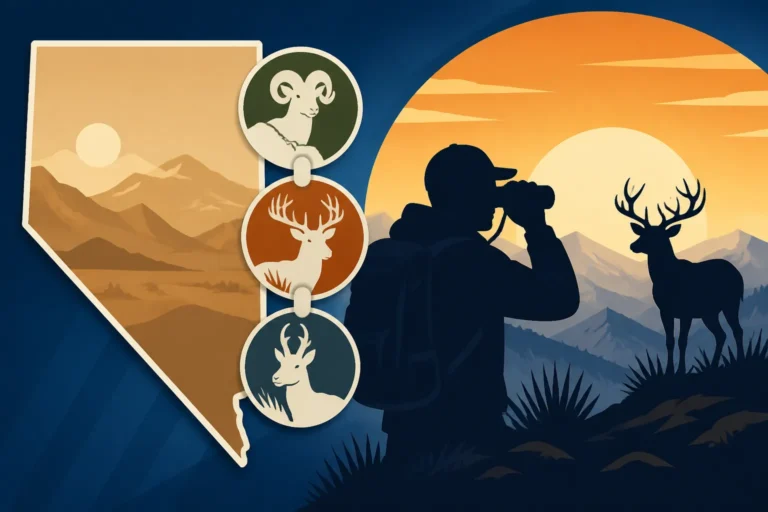
Here's the good news and a common point of confusion: drawing a tag for one species does not affect your bonus points for other species. For example, if you drew a mule deer tag, your deer points reset to zero. However, if you had also been building points for elk, antelope, or bighorn sheep, those points remain untouched. They carry over to the next application period, ready to be squared again for your next attempt at those other species.
This feature allows hunters to pursue multiple species simultaneously in their point-building strategy. You could theoretically draw a deer tag, reset your deer points, and still be a high-point holder for an upcoming elk draw. This is a huge advantage and allows for more flexible long-term planning, as discussed further in Are Nevada Bonus Points Species-Specific?. Many hunters, especially nonresidents, will apply for multiple species each year, knowing that even if they hit on one, they can continue building valuable points for others.
Here's a quick look at how drawing a tag impacts your points for different species:
| Species Applied For | Points Before Draw | Status of Application | Points After Draw |
|---|---|---|---|
| Mule Deer | 5 | SUCCESSFUL DRAW | 0 |
| Elk | 7 | UNSUCCESSFUL DRAW | 8 |
| Antelope | 3 | UNSUCCESSFUL DRAW | 4 |
| Bighorn Sheep | 10 | UNSUCCESSFUL DRAW | 11 |
As you can see, only the points for the successfully drawn species (Mule Deer in this example) reset. For all other species where the applicant was unsuccessful, a new point is added, and the count continues to grow.
Maintaining and Accumulating Points Without Drawing
Sometimes, the best strategy, especially for highly sought-after tags, is to simply build points year after year. Nevada's system supports this, ensuring your patience is rewarded.
The Point-Only Application Strategy
What if you're not ready to hunt a specific species this year, or perhaps you know your points aren't high enough to draw a quality tag, but you still want to gain a point? Nevada offers a "point-only" option. This allows you to apply specifically for a bonus point for a given species without actually being entered into the tag drawing itself. This is a fantastic way to keep your point accumulation going, especially if life gets in the way or you're simply playing the long game for a truly premium tag.
Choosing to buy a point-only application can be a savvy move, especially for non-residents looking to minimize application fees while still advancing their long-term draw odds. You avoid the tag fee upfront, only paying the application fee and the point-only fee. Many hunters utilize this for sheep or mountain goat, knowing it might take a decade or more to draw, but they want to ensure their points are always increasing. More details on this strategy can be found in Buying a Nevada Point-Only Application. It's about continuous growth, even when you're not actively hunting.
Scenarios for Point Restoration
While points typically reset to zero upon drawing a tag, there are very specific and rare scenarios where points might be restored. If, for some unforeseen and legitimate reason, you need to surrender a drawn tag before the season begins, it is possible, under strict NDOW guidelines, to have your bonus points for that species restored. This is not a common occurrence and usually requires a documented hardship or extenuating circumstances.
It's crucial to understand that simply changing your mind about a hunt or finding a better opportunity elsewhere likely won't qualify for point restoration. NDOW's rules are in place to manage tag allocations fairly. Always consult the most current Nevada hunting regulations or contact NDOW directly if you find yourself in a situation where you might need to surrender a tag and hope for point restoration. This topic is covered in more detail in Nevada Tag Surrender and Point Restoration. The key takeaway is: assume your points reset when you draw, and view restoration as an exception, not a rule.
Strategic Considerations for Future Draws
Knowing how your points behave after a draw allows you to make more informed decisions for your next application cycle.
Planning Your Next Application Cycle
Once you've drawn a tag for one species, and those points have reset, your strategy for that species shifts back to square one. However, you still have all your points for other species! This opens up a world of planning. Should you go for a "sure thing" tag with your remaining high points, or continue building for an even more elusive trophy? You might prioritize species where your points are now the highest, hoping to capitalize on that squared advantage.
For example, if you just drew a deer tag, you might choose to apply for a deer point-only next year while going all-in on an elk or antelope tag, leveraging your higher points for those species. Consider your goals, your available time for hunting, and your budget when deciding. Many hunters like to use tools like GoHunt's draw odds calculator to see where their remaining points put them for other species, helping them decide if they have a realistic chance at drawing a specific unit or if they should continue accruing points. The application period, which generally runs from When Nevada Applications Open in March to The Nevada Application Deadline in May, is your annual opportunity to implement these strategies.
Leveraging Draw Odds Tools Like GoHunt
In a complex draw system like Nevada's, guesswork won't get you far. This is where modern resources become invaluable. Platforms like GoHunt provide comprehensive draw odds data, unit breakdowns, harvest statistics, and detailed maps. After drawing a tag and seeing your points reset for that species, you can quickly analyze how your remaining points affect your chances for other species or for a point-only application.
These tools allow you to explore different scenarios: "What if I apply for Unit XXX with my 8 elk points?" or "How many years might it take to draw a bighorn sheep tag if I consistently apply for points?" You can delve into Reading Nevada Hunt Draw Statistics to understand success rates and point requirements from previous years. Leveraging such data helps you apply intelligently, making the most of every application fee and ensuring your point strategy is aligned with your long-term hunting aspirations in the Silver State.
Disclaimer
This information is intended for general guidance and informational purposes only. While every effort has been made to provide accurate and up-to-date information, hunting regulations, application periods, and point system rules can change. Always consult the official Nevada Department of Wildlife (NDOW) regulations and website for the most current and authoritative information before making any hunting application decisions.