When Nevada Archery Deer Season Runs
Navigating the myriad of season dates for big game hunting in Nevada can feel like trying to solve a complex puzzle, especially when you're laser-focused on a specific weapon type like archery. Many hunters experience the frustration of sifting through dense regulations, unsure if they're looking at the right calendar for their hard-earned deer tag. This guide aims to cut through that confusion, clearly outlining when Nevada's archery deer season typically runs, detailing unit-specific variations, and pointing you toward the most reliable resources to pinpoint your hunt dates.
The General Archery Deer Season Framework in Nevada
For many, the thought of chasing mule deer with a bow in Nevada conjures images of vast sagebrush flats and rugged mountain ranges under a blazing summer sky. And for good reason – the primary archery deer season in the Silver State almost always kicks off in early August. This timing is a bit unique compared to some other western states, which might have later archery openers, but it’s a long-standing tradition here that aligns with when bucks are still in their summer patterns and typically sporting hard antlers.
This early season start means hunters are often facing extremely warm conditions, a critical factor to plan for whether you're stalking in the desert or higher up in the pinyon-juniper. The general archery season usually runs for about three to four weeks, wrapping up around the end of August or the first week of September, just before the muzzleloader seasons begin. This window provides a fantastic opportunity for bowhunters to get out before the rifle hunters and experience the solitude and challenge of a pure archery hunt. You'll often find that the Nevada's August Archery Deer Window is a highly anticipated time for many.
When the Bowhunter's Window Typically Opens
While the specific dates can shift slightly year-to-year based on the calendar and NDOW's regulatory cycle, the general archery deer season almost universally opens on the first or second full weekend of August. For example, if August 1st falls on a Thursday, the season might open that Saturday, August 3rd. If August 1st is a Monday, it might open the following Saturday, August 6th. This consistent opening ensures that the season begins when deer are still in their summer ranges, often at higher elevations or near reliable water sources in the more arid units.
This timeframe means that scouting in late July and early August is absolutely crucial. Bucks are often still grouped up, or at least in bachelor groups, and their patterns can be somewhat predictable before the pressure of the season truly begins. You'll want to be out there confirming water sources and travel corridors. Be prepared for early morning starts and late evening glassing sessions to beat the heat, as midday activity can be minimal. The sheer size of Nevada's units means you'll be covering a lot of ground, often relying on quality optics to locate animals from afar, making careful Glassing Grids Across a Nevada Basin a core skill.
Understanding the August Heat Factor
Let’s be real, an August hunt in Nevada is no walk in the park. The temperatures, especially in the lower elevations and vast desert basins, can be brutal. We're talking 90s, sometimes pushing into the triple digits during the day. This isn't just about hunter comfort; it profoundly impacts deer behavior and how you manage your harvest. Deer will often become largely nocturnal or crepuscular, moving mostly at dawn and dusk, and bedding down in the thickest cover or shadiest spots they can find during the midday swelter.
For bowhunters, this means your windows of opportunity are often short, intense, and focused on those low-light hours. Moreover, if you're lucky enough to punch your tag, the clock starts ticking immediately. Field dressing and cooling your animal rapidly is paramount to preserving the meat. Carrying enough water isn't just a good idea; it's a non-negotiable for personal safety. Planning for Heat Management on an August Archery Hunt is as important as knowing your draw weight and broadhead requirements. You need to consider how you'll get that meat out of the field quickly, especially if you're in roadless country, which brings us to the logistics of Packing an Animal Out of Roadless Country. Don't underestimate the physical toll this environment takes, so make sure you're Preparing Physically for Long Glassing Days well in advance.
Specific Unit Variations and Why They Matter
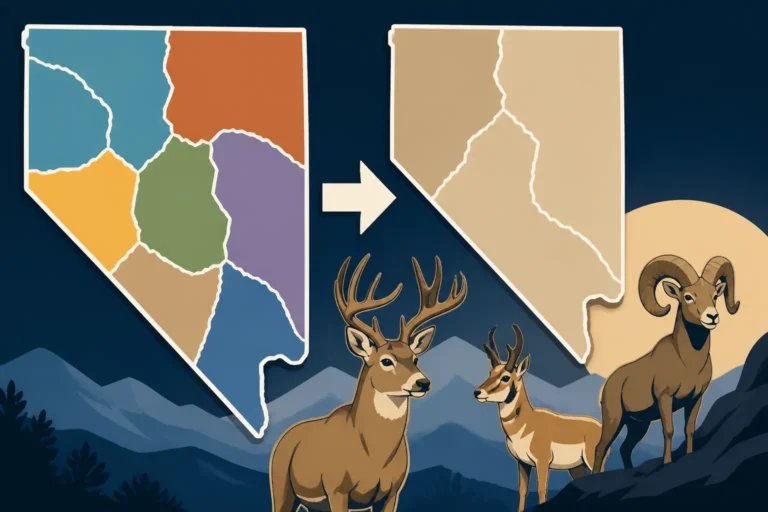
While there’s a general framework for Nevada’s archery deer season, it’s absolutely critical to understand that not all units are created equal. Nevada's Department of Wildlife (NDOW) manages hunting by specific hunt units, and the season dates can, and often do, vary based on the unit you draw. These variations are typically minor, maybe a few days difference here or there for the main early season, but in some instances, certain units might offer unique "late archery" opportunities that fall outside the typical August window.
Failing to double-check the exact dates for your specific unit is a rookie mistake that can cost you precious hunting days, or worse, put you in violation of regulations. The hunt unit number on your tag is not just a geographical designation; it's a calendar in itself, dictating everything from season dates to weapon restrictions. Hunters need to be diligent in Reading a Nevada Hunt Unit Before You Apply and then verifying those dates once a tag is drawn.
How Hunt Units Dictate Your Season Dates
Each Nevada hunt unit, or sometimes a combination of units known as a "unit group," has its own set of regulations published by NDOW annually. These regulations will explicitly state the opening and closing dates for archery deer season within that specific area. While many units will follow the standard early August to early September window, some units might open or close a few days earlier or later. These minor tweaks are often based on localized herd management objectives, historical harvest data, or habitat conditions.
For example, a unit with a strong tradition of early season success might see its archery season open precisely on August 1st, while another, perhaps with different land access considerations or biological needs, might delay its opening by a few days. It's not uncommon for units in the more northern, higher-elevation parts of the state to have slightly different timelines than those in the central or southern, drier regions. This unit-specific detail makes it imperative to have the current year's big game proclamation in hand, not just relying on memory or last year's dates. Your success hinges on knowing these precise dates for your drawn unit.
Identifying "Late Archery" Opportunities
Beyond the main early August season, some Nevada units, though fewer and far between, might offer a "late archery" deer hunt. These late archery seasons are less common but can be incredibly appealing to hunters who prefer cooler weather, or who are looking for a different challenge outside the summer heat. These hunts typically fall in September, often overlapping with or immediately following the muzzleloader seasons, or even pushing into October.
A late archery hunt provides a completely different dynamic. You're likely dealing with cooler temperatures, possibly even some early snow in the high country, and deer behavior will be shifting from summer patterns towards the pre-rut or early rut. Bucks might be shedding velvet and becoming more aggressive. While these tags are often even harder to draw due to their limited nature and desirable timing, they offer a unique experience. Always check the NDOW regulations carefully for any units that list a separate "late archery" season, and understand that specific When Nevada Archery Deer Season Closes dates for these opportunities will be distinctly different from the early August season.
Essential Resources for Pinpointing Your Hunt Dates
The sheer volume of information surrounding hunting regulations can be overwhelming. From state agency websites to online forums, it's easy to get lost in the noise. For Nevada, the official source for all season dates and regulations is always the Nevada Department of Wildlife (NDOW). However, supplementary tools and community insights can greatly enhance your understanding and preparation, helping you ensure you're squared away on your specific archery deer hunt dates.
Don't assume anything. Always cross-reference multiple reliable sources, especially when it comes to legal season dates. A quick phone call to the local NDOW office if you have lingering questions is never a bad idea. Remember, ignorance of the law is not an excuse for violations, so taking the time to truly understand the regulations is an investment in a successful and legal hunt.
Navigating the NDOW Regulations
The Nevada Department of Wildlife's website is your single most important resource for official season dates. Each year, typically in late spring or early summer, NDOW releases the "Nevada Big Game Seasons and Application Guide" or similar proclamation. This document is a comprehensive PDF that details all season dates, unit boundaries, legal weapons, tag quotas, and general regulations. It’s dense, but it's the gospel. You'll want to download and meticulously review the section pertaining to deer hunting, paying close attention to the specific dates listed for your drawn hunt unit number.
This document often includes tables that break down seasons by weapon type (archery, muzzleloader, rifle) and by hunt unit or unit group. It might feel like deciphering a legal brief, but take your time. Highlight your unit, circle the dates, and double-check them against your calendar. Look for footnotes or special conditions that might apply to your specific tag. Understanding the full scope of the regulations, including things like Minimum Bow Draw Weight for Big Game and Broadhead Requirements for Bowhunting, is crucial for a compliant hunt.
Leveraging Online Tools and Community Insights
While NDOW's regulations are the official word, various online platforms and communities can provide invaluable assistance in making sense of them, especially for those new to Nevada hunting or trying to grasp the nuances of the draw. Sites like GoHunt, for instance, are fantastic resources that compile and interpret much of this data, offering user-friendly interfaces to look up season dates, draw odds, and unit breakdowns. GoHunt's Insider platform, specifically, often provides detailed unit profiles that can include season date summaries alongside other critical information like public land percentages and harvest statistics.
These platforms often break down the information from NDOW into more digestible formats, and can even help you visualize unit boundaries and access points through mapping tools, which is great for E-Scouting a Nevada Unit Before the Season. Many hunters also find value in online forums and social media groups dedicated to Nevada hunting. While these are not official sources for regulations, they can be great places to ask questions, share insights, and learn from the experiences of others, especially about practical considerations like what Water You Must Carry on a Desert Day Hunt. Just remember to always verify any advice against official NDOW regulations before making critical decisions about your hunt.
| Season Type | Typical Start Date | Typical End Date | Key Characteristics |
|---|---|---|---|
| General Archery | Early August (1st-7th) | Early September (1st-7th) | Hot weather, bucks in summer patterns, pre-rut |
| Late Archery (Select Units) | Mid-September to Early October | Late September to Mid-October | Cooler weather, velvet shed, pre-rut/early rut |
Disclaimer
This guide is intended for informational purposes only and is not a substitute for the official regulations published by the Nevada Department of Wildlife (NDOW). Hunting regulations, dates, and requirements can change annually. Always consult the current year's NDOW Big Game Seasons and Application Guide or contact NDOW directly for the most accurate and up-to-date information before planning or engaging in any hunting activities.