Nevada Waterfowl Season Framework
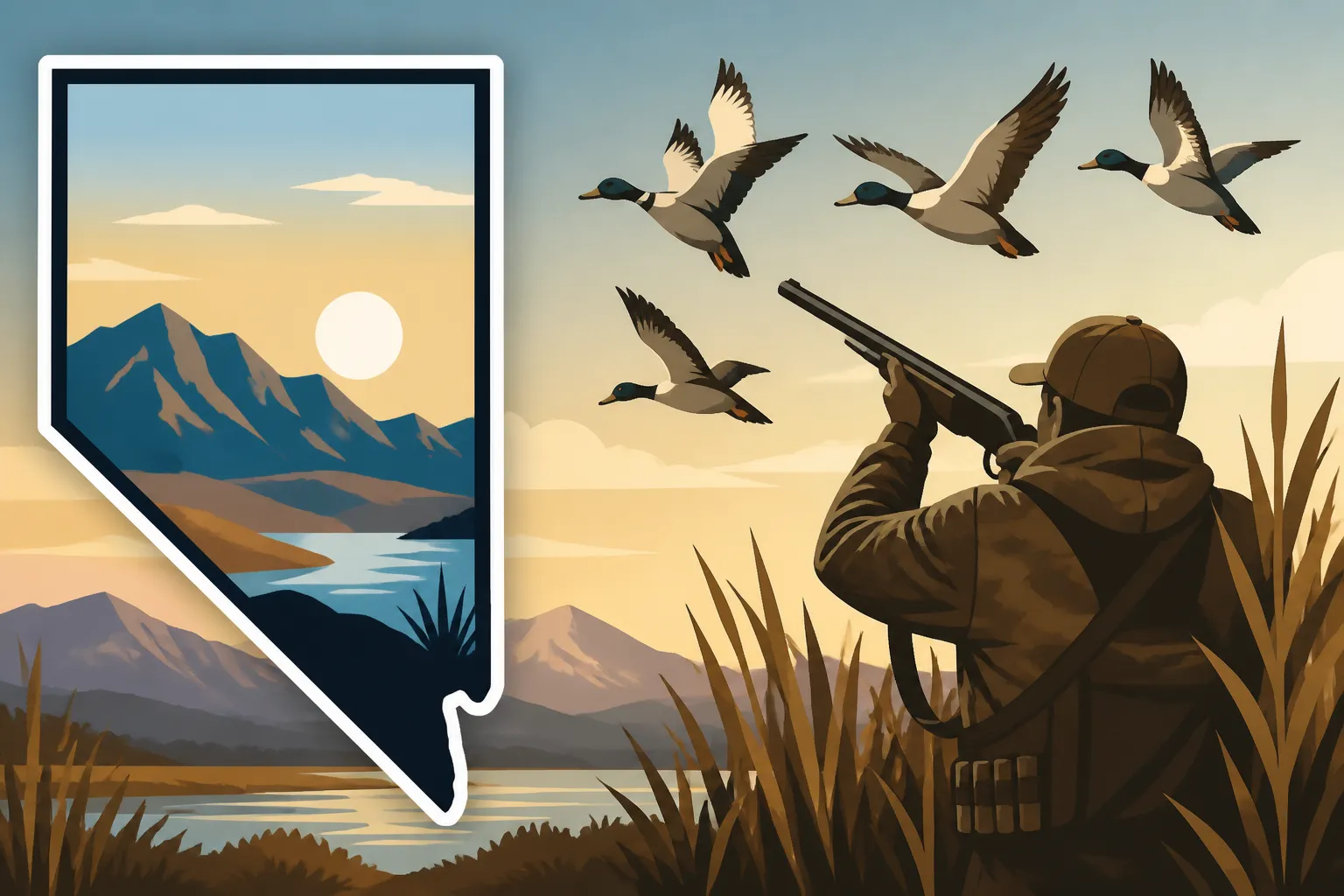
Trying to navigate the complex world of Nevada's waterfowl seasons can feel like trying to hit a fast-flying mallard with your eyes closed – confusing, frustrating, and often leaving you empty-handed. Hunters often struggle to keep track of zone boundaries, staggered opening dates, and species-specific bag limits that seem to change every year. This comprehensive guide will break down the Nevada Waterfowl Season Framework, providing clarity on zones, key dates, licensing, and practical tips to help you successfully plan your next hunt on the Silver State's surprisingly vibrant marshes and reservoirs.
Understanding Nevada's Waterfowl Zones
Nevada, despite its desert reputation, boasts some fantastic waterfowl hunting, largely due to its scattered wetlands and the Pacific Flyway migration corridor. However, to manage these resources effectively and align with federal frameworks, the state is divided into specific waterfowl zones. These zones dictate season dates, bag limits, and sometimes even which species are open to harvest at a given time. Missing this crucial detail can easily put you on the wrong side of the law, not to mention ruin a perfectly good morning in the blind.
Northern Zone Dynamics
The Northern Zone encompasses a significant portion of the state, generally covering areas north of I-80, extending through places like the Lahontan Valley and areas around Fallon and Lovelock. This zone often experiences colder temperatures earlier in the fall, which can push birds through quicker. The season framework here is typically structured to coincide with the main migration push of ducks and geese heading south from colder climes. You’ll find a mix of dabbling ducks like mallards, pintails, and wigeon, along with various diving ducks. Goose hunting can be particularly strong in agricultural areas within this zone, attracting large numbers of Canada geese. Understanding the specific dates for this zone is paramount for hunters planning to visit popular spots like the Stillwater National Wildlife Refuge or the Mason Valley Wildlife Management Area, which are key public access points.
The season in the Northern Zone often kicks off a bit earlier for ducks and geese compared to the Southern Zone, taking advantage of those initial migratory waves. Hunters will need to be diligent about checking the current year's regulations because exact dates can shift slightly. Often, the duck season might be split, offering an early stretch, then a brief closure, and then reopening for a longer period through late fall and early winter. This split season strategy allows wildlife managers to align hunting pressure with peak bird presence and biological considerations. Keep an eye on local conditions, especially water levels in areas like the Lahontan Valley Wetlands Access, as these can drastically influence where the birds decide to roost and feed.
Southern Zone Nuances
Moving south, the Southern Zone covers the warmer, more arid parts of Nevada, including areas around Las Vegas and the southern reaches of the state. Waterfowl hunting here is often concentrated on larger reservoirs, smaller desert springs, and any available agricultural ponds. The migration through this zone tends to be later and often holds birds that have already passed through the northern parts of the state or are wintering in milder climates. Species composition might lean slightly more towards diving ducks and certain goose populations that prefer the open water of larger impoundments like Lake Mead or Key Pittman Wildlife Management Area.
The season dates for the Southern Zone are typically later than the Northern Zone, reflecting the delayed migration and milder winter conditions. This allows hunters to target birds that might be lingering or concentrating in these warmer areas. Just like in the north, split seasons are common, providing opportunities throughout the later fall and into winter. It's not uncommon for hunters to experience significantly different conditions in the Southern Zone, where hunting often means being prepared for warmer temperatures, even in December, and focusing on larger water bodies where birds can feel safe. Scouting is critical here, as finding those smaller, less obvious water sources can be the key to success.
Key Dates and Season Structure
Nevada's waterfowl season structure is designed to provide ample opportunity while conserving migratory bird populations. This means a complex calendar with varying open dates, closures, and species-specific rules. It's not a set-it-and-forget-it type of season; you really need to dive into the details each year to ensure you're compliant and maximizing your time afield. The dates are decided by the Nevada Board of Wildlife Commissioners, often in coordination with federal guidelines from the U.S. Fish and Wildlife Service, and published in the annual Nevada migratory game bird regulations.
Early Teal and Youth Hunts
Before the general duck and goose seasons really kick into gear, Nevada often offers special early opportunities for hunters. The early teal season is a prime example, typically opening in September. This provides a chance to target green-winged and cinnamon teal that migrate earlier than many other duck species. It's a fast-paced hunt, as teal are notoriously speedy flyers, offering excellent early-season action. These hunts are generally short, often only a week or two, and have specific bag limits that differ from the regular duck season. The early teal hunt is a fantastic way to shake off the dust and get your calling and shooting sharp before the main event.
In addition to early teal, Nevada strongly supports youth hunting opportunities. Many years, special youth waterfowl hunts are scheduled, usually before the general season opens. These hunts are invaluable for introducing the next generation to the joys and responsibilities of waterfowl hunting. They typically have specific age requirements and mandate that youth hunters be accompanied by an adult, who may or may not be allowed to hunt themselves depending on the specific regulations. These hunts provide a less pressured environment for youngsters to learn the ropes, practice their skills, and make memories. Always check the current year's regulations for specific dates and rules for these special hunts.
General Duck and Goose Seasons
The general duck and goose seasons form the bulk of Nevada's waterfowl hunting opportunities. These are typically split into two segments in both the Northern and Southern Zones, allowing hunters to capitalize on different phases of the migration. For ducks, the season might run for a few weeks in October, close for a bit, then reopen in November and extend through January. Goose seasons often follow a similar pattern but can have slightly different opening and closing dates and often run longer into the winter, especially for larger Canada geese. Specific regulations exist for Nevada Duck Bag Limits by Species, so you'll need to know your birds.
It's critical to understand the concept of "species-specific" closures or restrictions. While the general duck season might be open, certain species like pintails or canvasbacks often have lower daily bag limits or shorter open seasons due to population concerns. For instance, the pintail season might only run for a portion of the general duck season, or the daily limit might be one bird, while other ducks have a more generous limit. The same can apply to certain goose species. This granular approach to management means hunters must be able to accurately identify birds in flight before taking a shot. Familiarizing yourself with waterfowl identification guides is not just a good idea; it's a legal necessity.
Special Late Seasons and Species
Beyond the main duck and goose seasons, Nevada occasionally offers special late seasons or opportunities for less common species. For example, some years may see late-season dark goose hunts in specific units, targeting populations that linger in agricultural areas. Snow geese can also provide unique opportunities, particularly during their spring migration, though specific hunt regulations for these may differ significantly from fall and winter seasons. These late-season hunts are often dependent on population numbers and specific management objectives, so they are not guaranteed every year.
Certain less common migratory birds like coots and snipe also have their own specific seasons and bag limits, which usually run concurrently with parts of the general duck season. While not as popular as duck or goose hunting, pursuing these species can add an interesting dimension to your waterfowl experience and offer additional days afield. For instance, snipe hunting can be a challenging and rewarding endeavor for wing-shooters, requiring quick reflexes and good dog work, often found in the same marshy habitats as ducks. Always refer to the official Nevada migratory bird regulations each year for the most current information on all species.
Licenses, Stamps, and Regulations
Before you even think about setting up decoys or calling in a flock, you need to make sure your paperwork is in order. Hunting migratory birds in Nevada requires more than just a standard Nevada hunting license. There's a layered approach to licensing and stamping that includes federal and state requirements, all designed to fund conservation efforts and manage populations effectively. Missing any of these crucial components can lead to hefty fines and a ruined hunt, so pay close attention.
Federal and State Stamp Requirements
The bedrock of waterfowl hunting across the United States is the Federal Duck Stamp. Every waterfowl hunter 16 years of age or older must possess a signed Federal Migratory Bird Hunting and Conservation Stamp. This stamp is not just a piece of paper; it's a direct contribution to conservation, with 98% of the purchase price going to acquire or lease wetland habitat for the National Wildlife Refuge System. This habitat benefits not only ducks and geese but hundreds of other species of birds and wildlife. You can purchase this stamp at most post offices, sporting goods stores, or online. Remember, it needs to be physically signed across the face of the stamp to be valid.
In addition to the federal requirement, Nevada requires its own state-specific endorsement: the Nevada Migratory Bird Stamp. This state stamp, similar to the federal one, helps fund Nevada's wetland conservation projects and management of migratory bird habitat within the state. It's often purchased alongside your regular hunting license or combination license. If you're a nonresident, you'll first need a The Nonresident Nevada Combination License Price before acquiring any specific tags or stamps. Both the federal and state stamps are essential; without them, you are not legally permitted to hunt waterfowl in Nevada. It's always a good idea to carry physical proof of both when afield.
Daily Bag and Possession Limits
Understanding daily bag and possession limits is paramount for any ethical and legal waterfowl hunter. The daily bag limit is the maximum number of birds of a specific species (or aggregate of species) you can harvest in one day. For example, the daily limit for ducks might be 7, but within that 7, there might be specific limits on mallards (e.g., 2 hens), pintails (e.g., 1), or canvasbacks (e.g., 1). These specific limits are why accurate bird identification is so critical. The possession limit, on the other hand, is the maximum number of lawfully taken migratory game birds you may have in your possession at any time, including birds in cold storage at home. This limit is typically three times the daily bag limit for ducks and geese.
These limits apply to all forms of migratory game birds, including ducks, geese, mergansers, coots, and snipe. Failing to adhere to these limits is a serious violation. It's not just about counting the birds; it's about knowing which birds you've harvested. For example, if you shoot two hen mallards when the limit is one, you've already exceeded the limit for that specific sex and species, even if your total duck count is still under the overall bag limit. NDOW officers are well-versed in waterfowl identification and often conduct checks to ensure compliance. Ignorance of the law is never an excuse.
General Regulations and Restrictions
Beyond licenses and bag limits, a host of other regulations govern waterfowl hunting in Nevada. One of the most critical is the requirement for non-toxic shot. Lead shot is strictly prohibited for all migratory bird hunting in Nevada, as it can be ingested by birds, leading to lead poisoning. Hunters must use approved non-toxic alternatives such as steel, bismuth, or tungsten-alloy shot. This applies to all gauges and shell types.
Legal shooting hours are also strictly enforced. Generally, hunting migratory birds is permitted from one-half hour before sunrise to sunset. Deviating from these times is illegal and can lead to citations. Other important rules include prohibitions against baiting (hunting over areas where feed has been placed), hunting from a vehicle, or using electronic calls for big game. While Electronic Calls for Predators and Varmint Hunting might be legal in some scenarios, they are usually prohibited for migratory birds. There are also specific requirements for tagging harvested birds, especially if they are left in the field or transported by someone other than the hunter. Always review the detailed regulations document, which can be found on the Nevada Department of Wildlife (NDOW) website, before heading out.
Important Considerations for Nevada Waterfowl Hunters
Successfully hunting waterfowl in Nevada isn't just about knowing the rules; it's about understanding the environment, utilizing available resources, and being prepared for the unique challenges this state presents. From fluctuating water levels to vast, open terrain, Nevada offers a different kind of waterfowl experience that rewards diligent preparation and adaptability.
Monitoring Habitat and Water Levels
Waterfowl are inherently tied to water, and in a state as arid as Nevada, consistent water availability is crucial. Drought conditions can drastically impact migration patterns, concentrating birds in fewer areas or pushing them out of the state entirely. Monitoring current habitat conditions and water levels in key wetlands and reservoirs is vital for planning a successful hunt. Areas like the Lahontan Valley and other State Wildlife Management Areas are dependent on water allocations, which can vary year to year. A year with good precipitation means more flooded habitat, dispersing birds and potentially making hunting more challenging due to spread-out populations. Conversely, low water years can concentrate birds, making scouting easier but often leading to more crowded public hunting areas.
Many hunters keep a close eye on news from the Nevada Department of Wildlife (NDOW) or local water management districts for updates on conditions. Satellite imagery, often available through e-scouting apps, can also provide recent visual information on flooded areas. Understanding how these factors influence bird behavior and distribution is key to making informed decisions about where and when to hunt. For instance, if a particular marsh has low water, birds might shift to deeper reservoirs or even private agricultural ponds, requiring a change in strategy.
E-Scouting and Resources
In today's digital age, e-scouting has become an indispensable tool for waterfowl hunters. Platforms like GoHunt offer detailed satellite imagery, public land boundaries, and even historical harvest data that can give you a significant advantage. Using these tools, you can identify potential roosting areas, feeding grounds, and flight corridors from the comfort of your home. Look for patterns of water, emergent vegetation, and proximity to agricultural fields that might hold feeding birds. You can mark potential access points, identify areas that might concentrate birds, and even scout for potential blind locations.
The Nevada Department of Wildlife (NDOW) website is another treasure trove of information. They publish annual hunting regulations, harvest statistics, and often provide updates on local conditions at various Wildlife Management Areas. Websites like GoHunt or other mapping services are invaluable for overlaying hunt unit boundaries, private land, and identifying Water Sources That Concentrate Nevada Game. Learning how to effectively E-Scouting a Nevada Unit Before the Season can save you countless hours of unproductive driving and walking in the field, allowing you to focus your physical scouting efforts on the most promising spots. Don't underestimate the power of combining digital tools with on-the-ground reconnaissance.
WMA Access and Public Land Opportunities
Nevada offers numerous public land opportunities for waterfowl hunters, primarily through its State Wildlife Management Areas (WMAs) and certain federal lands. WMAs such as Mason Valley WMA near Yerington, Stillwater NWR near Fallon, and Key Pittman WMA in the south are managed specifically for wildlife, including waterfowl, and provide excellent access. Many of these areas have designated hunting zones, specific entry/exit points, and sometimes require reservations or special permits, especially during peak season openers. Always check the specific rules for the WMA you plan to visit.
In addition to WMAs, certain Bureau of Land Management (BLM) and National Forest lands with suitable water bodies are open to Hunting Waterfowl on Nevada's Desert Marshes. While these might be less developed than WMAs, they can offer more secluded hunting experiences if you're willing to put in the effort to find them. However, with Nevada Is the Most Federally Owned State in the Lower 48, navigating land ownership and access can be tricky. Using an app like GoHunt that displays land ownership layers is crucial to ensure you're hunting legally and not trespassing on private property or restricted areas. Researching Waterfowl on the Lahontan Valley Marshes or Hunting Ducks on Nevada Reservoirs can help guide your search for public access.
| Zone | Typical Duck Season Start | Typical Goose Season Start | Common Species | Example WMAs/Areas |
|---|---|---|---|---|
| Northern | Early-Mid October | Early-Mid October | Mallards, Pintails, Wigeon, Canada Geese | Stillwater NWR, Mason Valley WMA, Lahontan Valley |
| Southern | Late October-Early November | Late October-Early November | Redheads, Canvasbacks, Green-winged Teal, Snow Geese | Key Pittman WMA, Lake Mead, Overton WMA |
| Early Teal | Mid-September | N/A | Green-winged Teal, Cinnamon Teal | Statewide (specific areas) |
| Youth | Late September-Early October | Late September-Early October | All legal ducks/geese | Statewide (specific areas) |
Note: These dates are typical and subject to change annually. Always consult the current year's Nevada Department of Wildlife (NDOW) migratory game bird regulations for precise dates and details.
Disclaimer
Please remember that hunting regulations, season dates, and specific requirements can change annually. It is your sole responsibility to consult the most current and official Nevada Department of Wildlife (NDOW) regulations prior to any hunting activity. This guide is intended for informational purposes only and does not supersede state or federal laws. Always prioritize safety and ethical hunting practices.