Resident Nevada License and Tag Costs
Navigating the financial landscape of hunting in Nevada can feel like deciphering an ancient scroll. Between the different license types, application fees, and then the actual tag costs, many resident hunters find themselves scratching their heads, trying to budget for their passion without missing a crucial step. This guide aims to clear up all that confusion, offering a comprehensive breakdown of the essential license and tag costs for resident hunters in the Silver State, so you can plan your seasons with confidence and clarity.
Understanding the Foundation: The Nevada Combination License
Before you can even dream of drawing that coveted big game tag or heading out for a day of chasing chukar, there's a foundational requirement for every resident hunter in Nevada: the Combination License. Think of it as your passport to the state's diverse hunting and fishing opportunities. Without it, you're not getting very far.
Why You Need a Combination License First
It might seem redundant to buy a general license before applying for a specific big game tag, but that's just how the system works here in Nevada. The Nevada Department of Wildlife (NDOW) requires all resident hunters (and anglers, for that matter) to purchase a Combination License as the primary prerequisite for almost any other hunting or fishing privilege. This license isn't just a piece of paper; it's your basic entry permit to the state's wildlife resources. It covers a broad spectrum of activities, from pursuing small game like rabbits and squirrels, to chasing upland birds such as chukar and quail, and even dipping a line into our many lakes and rivers for fish. Even if your sole focus is a trophy mule deer or a bull elk, you simply cannot apply for those draw tags without first securing your Combination License. It truly is the essential first step in your hunting journey each year. It’s critical to understand that this baseline license is required for any further participation in the state's hunting opportunities, as highlighted in the regulations regarding Nevada's Combination License Comes Before Any Tag.
Current Resident Combination License Fees
So, what does this essential first step cost a resident hunter? For the current license year, a standard resident Combination Hunting and Fishing License generally runs around $38. However, it's worth noting that fees can be subject to change, so always check the official NDOW website for the most up-to-date figures. These fees, while seemingly small, are crucial to the funding of wildlife conservation and management efforts across Nevada. A portion of every license dollar goes directly back into habitat restoration, wildlife population monitoring, law enforcement, and public access projects. This money helps ensure that future generations of hunters will have healthy game populations and wild places to pursue them. Purchasing your Combination License is a straightforward process; you can typically do it online through the NDOW portal, or by visiting one of the many authorized license agents and vendors scattered throughout the state, often found in sporting goods stores or even some larger general merchandise retailers. Make sure to factor this initial cost into your annual hunting budget, as it's the gateway to everything else.
Breaking Down Big Game Tag Costs for Residents
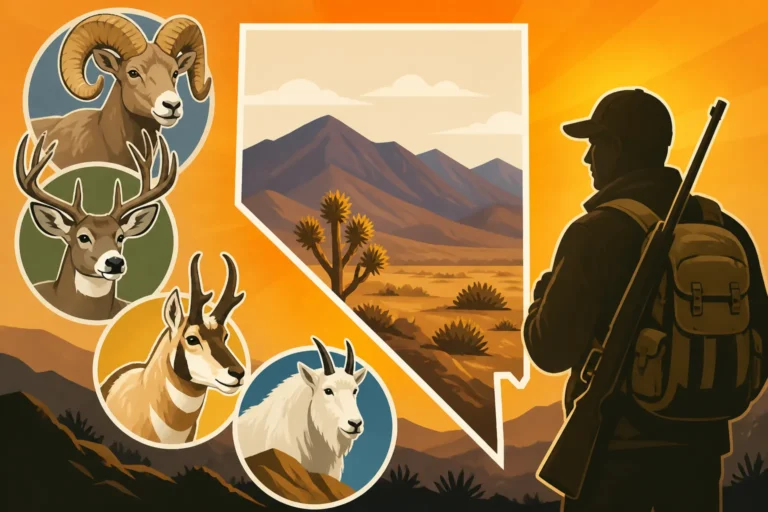
Once you have your Combination License in hand, your sights can turn to the truly exciting part: applying for big game tags. Nevada is known for its incredible big game opportunities, from trophy mule deer to elusive bighorn sheep. But each of these pursuits comes with its own specific tag fee, which you'll only pay if you're lucky enough to draw a tag.
Mule Deer: Nevada's Prized Pursuit
For many resident hunters, the annual quest for mule deer is a deeply ingrained tradition. Nevada is renowned for producing some truly magnificent bucks, though drawing a tag in the most sought-after units can be a long game. The cost for a resident mule deer tag is significantly more than your basic combination license but is still relatively affordable compared to non-resident fees. Typically, a resident mule deer tag will cost around $80. This fee is distinct from the non-refundable application fee you pay just to enter the draw, which we'll discuss in more detail shortly. When you apply, you're essentially putting your name in a hat, hoping to be one of the lucky few. The actual draw process in Nevada opens in March and closes in May, so mark your calendars well in advance for Nevada Applications Run March 23 to May 13. While the draw can be tough, the experience of hunting mule deer across Nevada's vast basin and range country, spending countless hours glassing far-off slopes, is truly priceless. The cost of the tag itself is a small investment for the potential adventure.
Elk: A Trophy Opportunity
Nevada's elk herds have made an incredible comeback, growing from virtually nothing into a premier trophy destination. This incredible success story, coupled with careful management, means that elk tags are highly coveted, and as such, they carry a higher price tag than deer tags. For a resident hunter, an elk tag will generally cost around $120. This higher fee reflects the significant investment NDOW makes in managing these robust herds, which require extensive resources for monitoring, habitat improvement, and disease prevention. Different types of elk hunts are available, including those for bull elk, cow elk, and specific antlerless elk opportunities, each with their own hunt codes and potential draw odds. It’s important to pay attention to these nuances when applying, as options like Nevada Antlerless Elk Tag Availability can sometimes offer slightly better draw odds, providing a more accessible entry point to elk hunting in the state, even if it's not for a trophy bull. Securing an elk tag, whether for a cow or a bull, is an incredible privilege that promises one of the most exciting big game experiences Nevada has to offer.
Pronghorn Antelope: The Speedsters of the Sage
Hunting pronghorn antelope across Nevada's expansive, open flats offers a unique challenge and a thrilling experience. Known for their incredible eyesight and blistering speed, these animals provide an exhilarating chase. For a resident hunter, a pronghorn antelope tag typically costs around $80. Similar to deer and elk, this is the fee you pay only if you are successful in the draw. Nevada offers various antelope hunts, often categorized as buck-only or either-sex hunts, and it's essential to understand the specific regulations and unit choices for each. For those specifically looking for a trophy buck, understanding the nuances of hunts focusing on Nevada Antelope Horns-Only Hunts can be crucial for planning your application strategy. Antelope hunts are often early-season affairs, taking place in August or September, and demand a keen eye for spotting and an ability to execute long stalks in wide-open country. The cost of the tag is a small price for the opportunity to pursue North America's fastest land animal in its natural, wide-open habitat.
Bighorn Sheep and Mountain Goat: Once-in-a-Lifetime Hunts
Now, we're talking about the pinnacle of big game hunting in Nevada – tags for bighorn sheep and mountain goat. These are truly once-in-a-lifetime opportunities, incredibly rare, difficult to draw, and consequently, carry a much higher price tag. For a resident hunter, a bighorn sheep tag (whether for Desert, California, or Rocky Mountain bighorn, as Nevada Holds All Three Bighorn Subspecies) will typically cost around $120. Mountain goat tags also fall into this higher price bracket, again around $120 for residents. While the base tag fee might seem comparable to an elk tag, the scarcity of these tags means that drawing one is an extraordinary event, often requiring many years, if not decades, of accumulating bonus points. The substantial challenge, the sheer beauty of the rugged, high-alpine terrain these animals inhabit, and the incredible trophy they represent all contribute to their immense value. For those committed to chasing such a dream, the cost of the tag is almost secondary to the immense satisfaction of drawing one and embarking on an adventure that few hunters ever get to experience.
Understanding Application Fees and Bonus Points
Beyond the actual tag cost, there's another crucial financial aspect to grasp for big game hunting in Nevada: application fees and the bonus point system. These elements play a significant role in your annual hunting budget and your long-term strategy for drawing highly sought-after tags.
Application Fees: Your Entry to the Draw
When you decide to throw your hat in the ring for a Nevada big game tag, you're not just buying a tag; you're first paying an application fee. This fee, which varies by species, is your non-refundable ticket into the draw. For resident hunters, the application fee for deer, antelope, and sheep is usually around $15, while elk applications carry a slightly higher fee, often around $20. It’s important to understand that you pay these fees regardless of whether you draw a tag or not. They cover the administrative costs of running the lottery system, processing thousands of applications, and managing the complex draw process. While it might sting a bit to pay an application fee and not draw a tag, it's a necessary part of the system and a small price to pay for the chance at a premier big game hunt. Knowing the specific Nevada Application Fees Per Species is crucial for accurately budgeting your annual draw entries.
The Bonus Point System for Residents
Nevada's bonus point system is designed to reward hunters who consistently apply for tags but are unsuccessful in the draw. For every year you apply for a species and don't draw, you receive a bonus point for that species. The unique aspect of Nevada's system is that these points are "squared" for the draw, meaning that if you have, say, five points, your name goes into the draw 25 times (5×5), plus one for your current application, giving you 26 chances. This significantly increases your odds over time, making consistent application a powerful strategy for drawing those elusive tags. Understanding How Nevada's Squared Bonus Points Work is vital for any serious Nevada hunter aiming for premier units or species.
You don't even have to apply for a hunt to gain a bonus point. If you know you can't hunt a particular year or simply want to focus on building points for a future dream hunt, you have the option to submit a "point-only" application. This is a brilliant way to keep accumulating points without committing to a hunt you might not be able to take that year. For resident hunters, a point-only application costs the same as the regular application fee for that species. This allows you to steadily build your advantage in the draw, a strategy many experienced hunters utilize. For instance, you can simply keep Buying Nevada Points Without Applying to Hunt, ensuring your investment in future draw odds continues to grow year after year. Websites like GoHunt are invaluable resources here, offering detailed draw odds analysis and point strategy tools that help resident hunters make informed decisions on which species to prioritize and how many points might be needed for a realistic chance in specific units.
What Happens When You Draw (or Don't)
The moment of truth in Nevada's draw system arrives typically at the end of May when draw results are released. If you are successful in drawing a tag, NDOW will then charge your credit card for the full tag fee associated with that species. This is the moment your planning truly begins! If you draw, your accumulated bonus points for that specific species are then reset to zero. This is a critical detail to remember because it means you start building points again from scratch for that species after a successful draw. Understanding What Happens to Nevada Points When You Draw is fundamental to planning your multi-year hunting strategy.
On the flip side, if you are unsuccessful in the draw, you don't get charged for the tag fee. However, the initial application fee you paid is non-refundable, as mentioned earlier. The silver lining in not drawing a tag, of course, is that you are awarded another bonus point for that species, which will then be squared in next year's draw, increasing your chances. It's a system designed to be fair, rewarding persistence while also ensuring that new hunters always have a mathematical chance, albeit a smaller one, to draw a tag.
Other Important Costs and Considerations
Beyond the big game tags and application fees, there are a few other important costs and requirements resident Nevada hunters need to be aware of. These might include mandatory hunter education, specific small game stamps, and potential discounts for youth and seniors.
Hunter Education Requirements and Costs
Safety is paramount in hunting, and Nevada, like many states, requires hunter education for certain individuals. Specifically, anyone born after January 1, 1960, must complete an approved hunter education course before they can purchase a hunting license in Nevada. This is a critical prerequisite to ensure new hunters understand firearm safety, wildlife conservation, and ethical hunting practices. The rule is clearly outlined: Anyone Born After 1959 Needs Nevada Hunter Education.
For resident hunters, the cost of hunter education can vary. Many courses offered through NDOW or approved volunteer instructors are often free or have a minimal fee to cover materials. There are also online options, which might have a slightly higher cost, but offer the flexibility of completing the course at your own pace. While an initial expense, this is a one-time investment that pays dividends in safety and knowledge for your entire hunting career. It's a foundational step that every new hunter must take.
Small Game and Other Species Tagging
While big game tags often capture the most attention, Nevada offers fantastic opportunities for small game and upland bird hunting. The good news for resident hunters is that many of these opportunities are covered by your initial Combination License. Species like cottontail rabbits, jackrabbits, and various squirrel species typically fall under the umbrella of your general hunting privilege.
However, some specific species require additional stamps or permits. For instance, hunting migratory waterfowl will necessitate purchasing a Nevada Duck Stamp in addition to your federal Duck Stamp. Upland game birds like chukar, quail, and pheasant also fall under the Combination License, but special permits, such as a Sage Grouse permit, are required for specific species with limited seasons and harvest quotas. These additional stamps or permits usually have a nominal cost, typically ranging from $5 to $15, and contribute directly to the management of those specific species. It's always best to consult the most current Nevada hunting regulations, which are updated annually, to ensure you have all the necessary permits for your chosen pursuit.
Youth and Senior Resident Discounts
Nevada actively encourages participation in hunting among all age groups and recognizes the contributions of both its youngest and most experienced hunters through various discount programs. For youth hunters (typically under 18, though specific age brackets apply to different license types), the costs for both the Combination License and many big game tags are significantly reduced. For example, a youth resident Combination License is substantially less than an adult one, and youth big game tags, such as for deer or antelope, are also offered at a lower price point. These reduced fees are designed to make hunting more accessible and affordable for families, fostering a love for the outdoors in the next generation. For specific details on youth pricing, you'll want to review Nevada Youth and Senior License Pricing in the regulations.
Similarly, senior resident hunters, generally those aged 65 and older, also benefit from discounted rates on their Combination Licenses and sometimes on specific tags. These discounts are a way of acknowledging the lifelong commitment of older hunters to conservation and their role in passing on traditions. The exact age requirements and discount amounts can vary, so seniors should always confirm the current rates through NDOW's official channels. These programs highlight Nevada's commitment to ensuring hunting remains an accessible and cherished activity for residents across all stages of life.
Here's a quick overview of typical resident costs (always check current NDOW regulations for exact figures):
| License/Tag Type | Typical Resident Cost (Approx.) | Notes |
|---|---|---|
| Combination Lisc. | $38 | Required for all hunting/fishing activities |
| Deer Tag | $80 | Big game tag, paid only if drawn |
| Elk Tag | $120 | Big game tag, paid only if drawn |
| Antelope Tag | $80 | Big game tag, paid only if drawn |
| Bighorn Sheep Tag | $120 | Big game tag, paid only if drawn, very rare |
| Mountain Goat Tag | $120 | Big game tag, paid only if drawn, very rare |
| Deer Application | $15 | Non-refundable draw entry fee |
| Elk Application | $20 | Non-refundable draw entry fee |
| Antelope Application | $15 | Non-refundable draw entry fee |
| Sheep/Goat Application | $15 | Non-refundable draw entry fee |
| Youth Combination Lisc. | $15 | Reduced rate for hunters under 18 |
| Senior Combination Lisc. | $15-20 | Reduced rate for residents 65+ |
| Nevada Duck Stamp | $10 | Required for waterfowl hunting, in addition to federal |
| Sage Grouse Permit | $5-10 | Required for sage grouse hunting (limited availability) |
| Hunter Education | Free – $30 | One-time fee, required for those born after Jan 1, 1960 |
Note: All costs are approximate and subject to change by NDOW. Always consult the official Nevada Department of Wildlife regulations for the most current and accurate pricing.
Strategizing Your Nevada Hunting Budget
Hunting in Nevada is more than just buying a license and a tag; it's an investment in an experience, a lifestyle, and a connection to the wild. For resident hunters, strategizing your budget wisely can make the difference between a frustrating season and a fulfilling one. It’s about balancing immediate opportunities with long-term goals and understanding all the financial pieces of the puzzle.
Prioritizing Your Species Choices
With a limited budget and often even more limited time, resident hunters often face tough decisions about which species to pursue. Do you put all your eggs in one basket, applying for a coveted elk tag with long odds, or do you spread your applications across deer and antelope, which might have slightly better draw chances in certain units? This is where understanding the costs outlined above, combined with realistic draw odds, becomes critical. Many hunters will choose to apply for a deer tag annually, as it offers a more frequent opportunity to hunt big game in Nevada. The cost is manageable, and while draw odds can still be tough in popular units, they are generally more accessible than elk or sheep. For those with a bigger budget and a more patient outlook, adding an elk application might be the goal.
Websites like GoHunt are incredibly useful for this prioritization process, offering detailed draw statistics, unit breakdowns, and success rates that can help you make an informed decision. They provide tools to analyze how your accumulated bonus points might affect your chances for different species and units, helping you balance the dream hunt with more realistic annual pursuits. Remember, every application fee is an investment, so choosing wisely based on your financial capacity and hunting goals is key to sustained enjoyment of Nevada’s diverse hunting opportunities.
The Long Game: Building Points
For those truly aiming for the pinnacle of Nevada hunting – a trophy elk, or the ultimate prize of a bighorn sheep or mountain goat – the strategy almost always involves playing the long game by consistently building bonus points. As we discussed, Nevada’s squared point system means that patience truly pays off, significantly improving your draw odds over many years. This commitment, however, also involves a consistent financial outlay. You’ll be paying the application fee for that species year after year, sometimes for a decade or more, solely for the purpose of accumulating points without drawing a tag.
This point-building strategy requires a specific approach to your hunting budget. You're not just budgeting for a single year's hunt; you're budgeting for a multi-year investment in your future hunting success. Many resident hunters will choose one or two "dream" species to consistently build points for, alongside applying for more accessible deer or antelope tags in the interim years. This balances the immediate gratification of hunting with the long-term goal of drawing that truly exceptional tag. It’s a testament to dedication and foresight, knowing that each non-refundable application fee is a step closer to that once-in-a-lifetime experience.
Hidden Costs Beyond the Tag
While this guide focuses on license and tag costs, it’s crucial to remember that these are just the beginning of your overall hunting expenditure in Nevada. There are numerous "hidden" costs that can quickly add up and significantly impact your total budget. These include essential gear like optics, firearms or bows, ammunition, and quality clothing suitable for Nevada's extreme conditions. Beyond that, consider the costs of fuel for scouting and hunting trips, potentially hundreds or even thousands of miles driven across the state's vast units. If you're staying overnight, lodging or camping fees, and food supplies for days in the field, must be factored in. For early season archery hunts or those in warmer months, properly field dressing and cooling your animal quickly, potentially requiring ice and coolers, is a must. Later, there's the cost of meat processing and potentially taxidermy if you harvest a trophy animal. Even your physical preparation can have costs, from gym memberships to specialized training gear, crucial for success when Preparing Physically for Long Glassing Days in rugged terrain. By anticipating these additional expenses, you can create a more realistic and comprehensive hunting budget, ensuring you’re fully prepared for the adventure, financially and otherwise.
Disclaimer
Please be aware that hunting regulations, license fees, and tag costs in Nevada are subject to change. Always consult the official Nevada Department of Wildlife (NDOW) website or the current year's hunting regulations booklet for the most accurate and up-to-date information before applying or purchasing licenses. This guide is intended for informational purposes only.