Where Nevada Mule Deer Winter
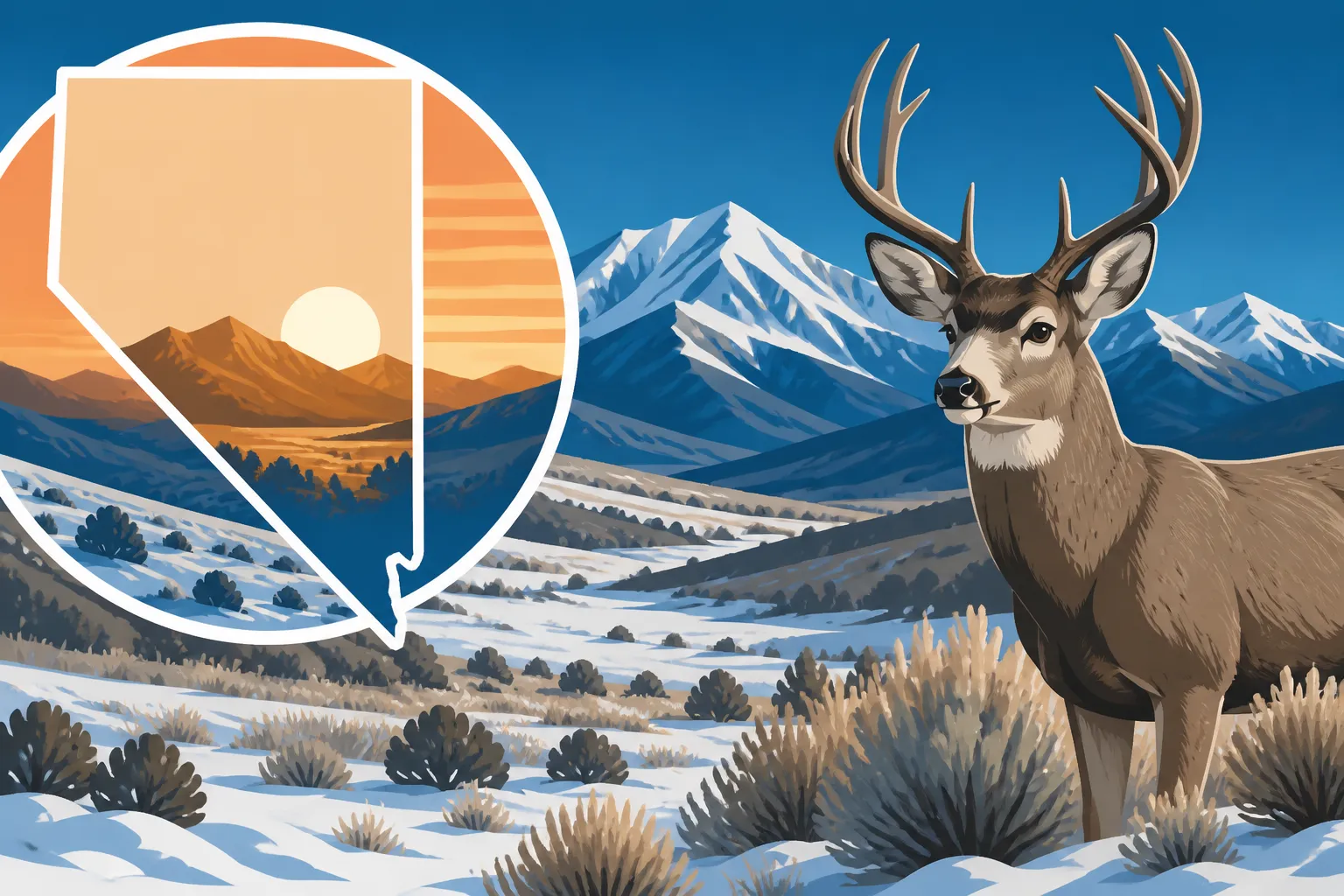
For many of us who chase mule deer in Nevada, the thought of where those big bucks disappear to when the snow starts to fly is a persistent mystery. It's a tough country out here, and winter hits hard, forcing deer to find specific havens to survive. This guide is going to pull back the curtain on those critical wintering grounds, explaining why they matter so much, what they look like, and how understanding them can make you a more informed and ethical hunter.
The Critical Importance of Nevada's Winter Ranges
Let's be honest, Nevada winters are no joke. What feels like a mild day in October can quickly turn into a brutal freeze-out in November, dumping feet of snow and locking up vital forage. For mule deer, these periods aren't just uncomfortable; they're a life-or-death struggle. Understanding their winter range isn't just a biological curiosity; it's fundamental to understanding the health and future of the herds we care so much about.
Why Winter Range is a Bottleneck
Imagine being a mule deer, needing to pack on enough fat reserves to survive months of lean times. As autumn fades and temperatures plummet, your entire existence shifts to conserving energy. This is why winter range is often called a "bottleneck" for deer populations. It's the period when resources are most scarce, and the animals are under the most stress. If the winter range can't provide adequate nutrition and cover, deer – especially fawns and older bucks – simply won't make it to spring.
Limited, high-quality winter range directly impacts the survival rate of the herd. If a particular winter is exceptionally harsh, or if development encroaches on prime wintering areas, you'll see a noticeable dip in fawn survival, and even mature deer can succumb. This bottleneck effect means that the health of a herd, how many tags are issued, and even the size of the bucks we see in the fall, are often decided by the conditions on their winter grounds. It's not just about the summer forage or the quality of the rut; it's about making it through those lean months.
Identifying Quality Winter Habitat
So, what exactly constitutes "quality" winter habitat in Nevada? It's not always about dense timber or lush meadows – that's often summer range. For mule deer in our Great Basin landscape, quality winter range is primarily defined by two things: accessible food sources and thermal cover, ideally on south-facing slopes. These south-facing slopes are gold because they catch the most sun, melting snow faster and exposing critical browse plants.
The diet of a wintering mule deer largely shifts from succulent forbs and grasses to woody browse, with plants like big sagebrush, bitterbrush, and serviceberry becoming lifelines. Areas with a diverse mix of these species, growing thickly enough to offer substantial forage, are highly prized. Beyond food, thermal cover is crucial. Pinyon-juniper woodlands, even if sparse, provide a break from biting winds and heavy snow, allowing deer to conserve precious body heat. Imagine huddling against a juniper during a blizzard – that's what these deer are doing. These habitats work together to create a survival zone, and without them, the odds of making it through winter drop dramatically.
Common Wintering Ground Types in the Silver State
Nevada is a vast state, and while its landscapes vary, some common themes emerge when we talk about where mule deer spend their winters. From the high desert plateaus to the lower mountain foothills, deer have adapted to utilize specific features that offer the best chance of survival. Knowing these types of terrain is key to understanding their movements and habits.
Lower Elevation Sagebrush Valleys and Foothills
Across much of Nevada, the classic image of winter range involves sweeping expanses of sagebrush in lower elevation valleys and the adjacent foothills. These areas, particularly those with south-facing aspects, are incredibly important. When snow blankets the higher country, these lower, sun-drenched slopes shed their white cover faster, making the underlying browse accessible. This is where you’ll often find high concentrations of deer during the toughest months.
The plant life here is specialized for arid conditions, but for a mule deer, it's sustenance. Species like Wyoming big sagebrush, black sagebrush, and particularly bitterbrush are vital. Bitterbrush, for instance, is highly palatable and nutritious, often targeted by deer. These low-lying areas might not seem like much in the summer, but come winter, they are the grocery store. Deer will congregate here, moving just enough to find new patches of exposed forage. Think of it as a low-energy buffet where they can browse without expending too much energy.
Pinyon-Juniper Woodlands and Sparse Timber Patches
While open sagebrush provides food, the scattered pinyon-juniper woodlands and sparse timber patches in the mid-elevations offer crucial cover. These "PJ" stands, as many of us call them, might not be as dense as a pine forest in the Rockies, but they offer invaluable protection from the elements. The canopy intercepts snow, leaving drier ground underneath, and the dense branches break up the wind, creating warmer microclimates.
Deer utilize these woodlands not just for thermal cover but also for escape cover from predators and for additional browse. The needles and bark of pinyon pine and juniper can provide some sustenance, especially when other forage is completely buried. You'll often find deer moving between the more open, south-facing sagebrush slopes for feeding and retreating into the pinyon-juniper for bedding and shelter during storms. These areas act as essential transition zones, allowing deer to move safely between foraging sites and secure bedding locations. The mosaic of these habitats is what truly makes a winter range successful.
Understanding Mule Deer Migration in Nevada
Mule deer aren't static creatures, especially in a place like Nevada with such dramatic seasonal changes. Their annual cycle often involves significant migrations from summer feeding grounds to their winter havens. These movements are a marvel of nature, driven by ancient instincts and environmental cues, and they're something every serious hunter should understand.
Triggers for Migration to Lower Elevations
What exactly tells a mule deer it's time to pack up and head downhill? It's usually a combination of environmental triggers rather than a single event. The most obvious is snow depth. As the higher elevations become impassable with deep snow, deer are forced to move to areas where forage is still accessible. Alongside snow, falling temperatures play a huge role, signaling the onset of colder, harder times and prompting a move to areas with better thermal protection.
Forage availability is another critical factor. Even if snow isn't prohibitive, if the high-country browse becomes frozen or unpalatable, deer will seek out more nutritious options at lower elevations. It's not always a sudden exodus; often, it's a gradual drift downhill as conditions worsen. However, a sudden, early season blizzard can trigger an immediate, urgent migration. These movements often follow historical migration corridors, ingrained pathways that deer have used for generations. Understanding these triggers is essential for anticipating deer movements, whether you're scouting for a late season hunt or just appreciating the resilience of these animals.
Documented Migration Corridors and Their Protection
The concept of a migration corridor might sound like something out of a wildlife documentary, but for Nevada mule deer, these routes are very real and absolutely vital. These are the traditional paths deer use to travel between their distinct summer and winter ranges. Think of them as deer highways, allowing herds to access different resources throughout the year. For an excellent perspective on how these crucial movements influence herd health, you might want to delve into information about Mule Deer Population Trends Across the Great Basin.
However, these ancient pathways are constantly under threat. Human development – roads, fences, housing, and energy infrastructure – can fragment or completely cut off these corridors. A new subdivision, a busy highway, or even a poorly placed fence can disrupt a migration route that deer have used for centuries, forcing them into less ideal or more dangerous paths. Recognizing the importance of these areas, organizations like the Nevada Department of Wildlife (NDOW) and various conservation groups, including the Mule Deer Foundation, work tirelessly to identify and protect these critical corridors. Efforts include building wildlife-friendly fencing, constructing overpasses or underpasses for roads, and conserving large tracts of land to ensure deer can continue their seasonal journeys. These initiatives are crucial for the long-term health and survival of Nevada's mule deer herds.
Challenges and Threats to Nevada's Wintering Deer
The mule deer in Nevada are tough, no doubt about it. They've evolved to survive in some of the harshest conditions imaginable. But even with their remarkable adaptations, they face a growing array of challenges, especially on their vital winter ranges. These threats aren't just minor inconveniences; they can significantly impact herd health and long-term sustainability.
Habitat Loss and Fragmentation
Perhaps the biggest overarching threat to Nevada's mule deer, and especially their winter range, is habitat loss and fragmentation. As human populations grow and development expands, wild lands are increasingly carved up. What was once a contiguous winter range might become checker-boarded with housing developments, roads, or agricultural fields. This directly reduces the available acreage for deer to forage and find shelter.
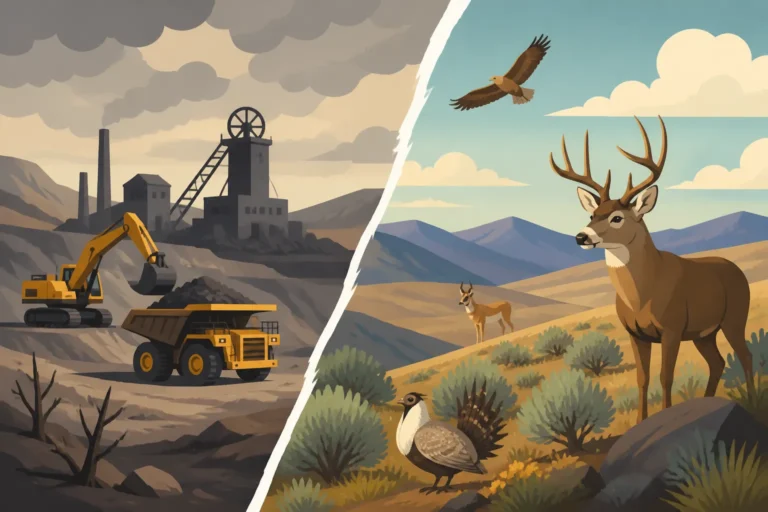
Consider the impact of fencing. While essential for livestock management, miles of traditional barbed wire can become an impenetrable barrier for deer, blocking access to critical winter forage or escape cover. Energy extraction projects, mining operations, and even large-scale solar farms can also fragment habitat, making it harder for deer to move freely and find what they need. These actions essentially cut off access to vital areas, forcing deer into smaller, less productive zones, increasing competition, and making them more vulnerable to predators or harsh weather. It's a frustrating reality for anyone who cares about wildlife, knowing that these ancient migratory patterns are being disrupted by our modern footprint.
The Menace of Drought and Invasive Species
Beyond direct human development, environmental factors pose immense threats, with drought and invasive species leading the charge. Nevada is, by nature, an arid state, but prolonged periods of drought can decimate the very plant communities that mule deer rely on for winter forage. When rain and snowpack are scarce, native browse plants struggle, offering less biomass and lower nutritional value. For a species already on the edge of survival in winter, this lack of quality forage can be a death sentence. You can learn more about How Drought Affects Great Basin Deer by examining these critical ecosystem changes.
Compounding the problem is the rampant spread of invasive species, none more notorious than cheatgrass. This annual grass, originally from Eurasia, thrives in disturbed soil and is incredibly efficient at outcompeting native plants like sagebrush and bitterbrush. Not only does cheatgrass offer very little nutritional value for deer, but its rapid growth and dry nature also create a continuous fuel bed for wildfires. These fires then destroy the slow-growing, native woody browse that mule deer depend on, clearing the way for even more cheatgrass to take over. Understanding Cheatgrass and What It Did to Nevada Range is crucial to grasping the magnitude of this ecological crisis. The cycle of drought, cheatgrass, and wildfire is a constant, uphill battle for our mule deer herds.
Hunter's Role in Understanding Winter Range and Conservation
As hunters, we have a unique responsibility and opportunity to contribute to the health of Nevada's mule deer. Our passion for the hunt should extend to a deep understanding of the animals and their environment, especially their winter ranges. By becoming more informed and actively participating in conservation, we can ensure that future generations also have the chance to experience the thrill of chasing these magnificent animals.
E-Scouting and Planning with Winter Range in Mind
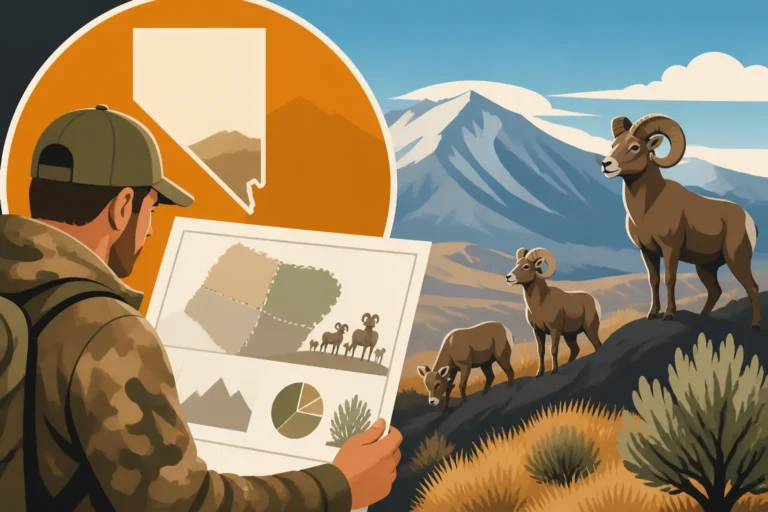
Modern technology has given us incredible tools to understand the landscape, and e-scouting is no exception. Before you even step foot in the field, you can do a tremendous amount of research from home. When you're looking at a unit for an upcoming hunt, or just trying to understand deer behavior, focus on identifying potential winter ranges. Look for those critical south-facing slopes, often found at the base of larger mountain ranges or within lower elevation foothills. Use satellite imagery to pick out areas with good pinyon-juniper cover that could offer shelter from winter storms.
Many online mapping platforms, like the excellent resources available through GoHunt, offer layers that can show vegetation types, aspect, and even historical snow depth data. These tools can help you visualize how a unit might look under winter conditions, giving you clues about where deer would naturally gravitate. When you're trying to figure out how deer might move, consider reading about E-Scouting a Nevada Unit Before the Season to optimize your approach. Understanding these winter patterns can even inform your hunting strategy during early seasons, as deer might already be starting to stage for their downhill migration if conditions turn cold.
Supporting Conservation for Future Generations
Our role as hunters goes far beyond simply drawing a tag and heading afield. We are arguably the most effective conservationists, and our financial contributions and advocacy are vital. The money we spend on licenses and tags, in large part, goes directly back into wildlife management and habitat projects, including those focused on winter range. But we can do more.
Joining and actively supporting organizations like the Mule Deer Foundation, Nevada Bighorns Unlimited, or other local conservation groups is paramount. These groups dedicate resources, time, and volunteers to critical projects such as habitat restoration, water source development, and advocating for policies that protect migration corridors and winter range. When you consider the bigger picture, it's about giving back more than you take. By participating in a habitat workday, donating to a specific project, or even just talking to non-hunters about the importance of winter range, you're helping ensure that Mule Deer Are the Reason Most Hunters Apply in Nevada for generations to come. It’s an investment in the very future of our hunting heritage.
Deciphering Winter Data for Smarter Hunting
The Nevada Department of Wildlife (NDOW) collects and publishes a wealth of information about our state's big game herds, much of which directly relates to winter range and its impact. For the dedicated hunter, learning to interpret this data can provide invaluable insights into herd health, population trends, and even potential hunting success for future seasons. It’s a bit like being a detective, piecing together clues to understand the bigger picture.
Interpreting NDOW Winter Range Reports
Every year, NDOW biologists are out in the field, observing deer herds on their winter ranges. They're looking at various metrics, including body condition, fawn-to-doe ratios, and overwinter survival rates. These observations are then compiled into detailed winter range reports. Knowing how to read a Reading a Nevada Winter Range Report is crucial. These documents often highlight which units experienced tough winters, leading to higher fawn mortality or poorer buck body condition.
For instance, if a report indicates low fawn recruitment after a severe winter in a particular unit, it's a strong indicator that the future buck population for that unit might be smaller a few years down the line. This kind of information can directly influence your application strategy for subsequent draws. Similarly, consistent reports of good fawn survival point to healthy winter ranges and potentially growing herds. This data gives you a clearer picture than simply looking at draw odds alone, offering a biological underpinning to your hunting decisions. The success of the fawns through their first winter is a massive predictor, as reflected in the concept of Why Fawn Ratios Predict Next Season.
Long-Term Trends and Population Dynamics
Beyond just a single year's report, it's important to look at the long-term trends in winter range conditions and their effect on population dynamics. Are mule deer herds in a particular region consistently struggling during winter, or are they thriving? This can tell you a lot about the health of the habitat, the impact of factors like drought or invasive species, and the effectiveness of current management strategies.
You can find a lot of this long-term data in NDOW's annual harvest reports and unit statistics, which often include data on herd objectives and population estimates. Examining Where Nevada Publishes Harvest Data will allow you to cross-reference these with winter range reports. Understanding how herds rebound after tough winters or how they respond to habitat improvement projects gives you a deeper appreciation for the complexities of wildlife management. Tools like those offered by GoHunt often compile this data in user-friendly formats, making it easier to track trends over time. This kind of analysis, coupled with a solid understanding of winter range, is what separates the casual hunter from the truly informed, dedicated conservationist who understands the nuances of How Biologists Count a Desert Big Game Herd.
Here's a quick look at some key characteristics of Nevada's mule deer winter ranges:
| Feature | Description | Importance for Deer Survival | Typical Location | Key Vegetation |
|---|---|---|---|---|
| South-Facing Slopes | Steep slopes oriented towards the sun. | Melts snow quickly, exposing forage; warmer microclimates. | Lower mountain foothills, valley edges. | Big Sagebrush, Bitterbrush, Grasses. |
| Pinyon-Juniper Cover | Sparse to moderate woodlands of pinyon pines and junipers. | Thermal cover from wind and snow; some supplemental browse. | Mid-elevation benches, broken terrain. | Pinyon Pine, Juniper, Serviceberry. |
| Low-Elevation Valleys | Broad, flat or gently sloping areas, often sagebrush-dominated. | Less snow accumulation; accessible, diverse browse. | Expansive basins, desert floors. | Black Sagebrush, Shadscale, Rabbitbrush. |
| Water Sources | Springs, creeks, guzzlers (though often frozen in deep winter). | Essential for hydration when snow is not readily available. | Adjacent to winter range, protected areas. | N/A (deer use snow directly) |
| Migration Corridors | Established routes between summer and winter ranges. | Safe passage to optimal seasonal habitats; reduces energy expenditure. | Between high and low country. | Varies by elevation. |
Disclaimer
This guide is intended for informational purposes only and is not a substitute for official Nevada Department of Wildlife (NDOW) regulations. Hunting laws and regulations can change, and it is always your responsibility to consult the most current NDOW regulations before planning or engaging in any hunting activities.