Reading a Herd Management Plan
It's tough to plan a Nevada hunting season when you feel like you're constantly guessing what the wildlife populations are doing. We all want to make informed decisions about where to apply, what units might offer better opportunities, and what the future holds for our favorite species. That's where understanding a herd management plan comes into play. This guide is going to walk you through exactly what these plans are, what crucial information they contain, and how you can use them to become a more strategic and successful hunter in the Silver State.
What Exactly Is a Herd Management Plan?
At its heart, a herd management plan is a science-based blueprint developed by wildlife agencies to guide the long-term health and sustainability of specific big game populations within designated geographic areas. Think of it as a comprehensive report card and future strategy rolled into one for deer, elk, antelope, or bighorn sheep. These aren't just dry documents; they are living blueprints that directly influence everything from tag quotas to season dates. For us hunters, these plans are invaluable because they offer a deep dive into the state of the herd we’re pursuing, far beyond what you might glean from a quick glance at draw odds or harvest reports. They tell a story about the herd's past, its present challenges, and the vision for its future.
The Core Purpose: Balancing Wildlife and Habitat
The fundamental goal of any herd management plan is to strike a delicate balance between the wildlife population and the carrying capacity of its habitat. This isn't always easy, especially in a state as vast and arid as Nevada. Biologists are constantly trying to ensure that there are enough animals to sustain hunting opportunities and maintain ecological balance, but not so many that they degrade their own food sources or cause conflicts with human land use. Factors like available forage, reliable water sources—especially critical in Nevada's drier units—disease prevalence, and even human development all play a role in this complex equation. The plan outlines these factors and proposes strategies to manage them. For example, if a specific unit is experiencing severe drought, the plan might suggest reduced tag numbers to prevent overgrazing and stress on the herd, acknowledging that How Drought Affects Great Basin Deer has a direct impact on the animals' survival.
Who Creates and Influences These Plans?
In Nevada, these plans are primarily developed and overseen by the Nevada Department of Wildlife (NDOW) in close collaboration with various stakeholders. NDOW biologists are the backbone, conducting extensive fieldwork, aerial surveys, and data analysis to assess herd health. However, they don't work in a vacuum. Land management agencies like the Bureau of Land Management (BLM) and the U.S. Forest Service, who manage the vast majority of public land where these animals live, provide critical input on habitat conditions and land use. Public engagement, often through advisory boards and public meetings, also plays a crucial role. This is where hunters, conservationists, ranchers, and other concerned citizens can voice their perspectives and help shape the future of wildlife management. It's a collaborative effort, aimed at creating a plan that is scientifically sound and broadly supported by those who care about Nevada's wildlife.
Key Components You'll Find in a Nevada Herd Management Plan
Diving into a herd management plan might seem daunting at first, but once you know what to look for, it becomes a treasure trove of information. These documents are structured to provide a holistic view of the herd, broken down into critical sections that, when pieced together, give you a comprehensive understanding of the unit you're interested in. Knowing these components will help you cut through the technical jargon and extract the most relevant details for your hunting strategy.
Population Objectives and Trends
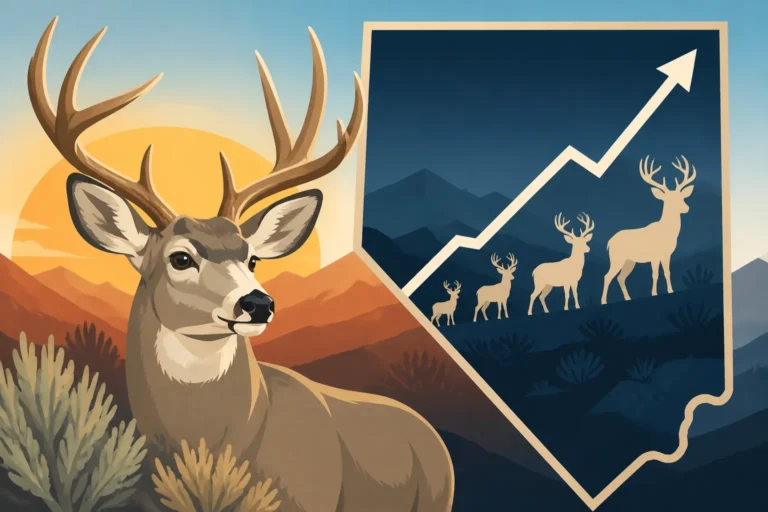
This section is often the first place hunters look, and for good reason. It lays out the desired population numbers (objectives) for a specific species within a unit or unit group. But it's not just about a single number; it's about the trends over time. Biologists track population estimates, harvest data, and recruitment rates (like fawn-to-doe or calf-to-cow ratios) to determine if the herd is growing, stable, or declining. If a plan shows that a herd is consistently below its objective, you might anticipate reduced tag allocations in future years. Conversely, a herd consistently above objective could mean increased opportunities. Understanding Reading a Nevada Hunt Statistics Table is vital here, as the plan will often reference this underlying data.
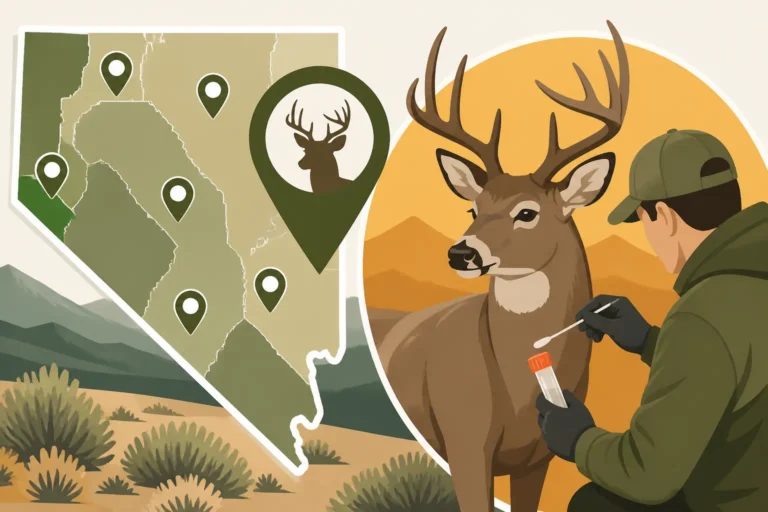
Fawn or calf ratios, specifically, are a huge indicator of future herd health and potential trophy quality down the line. A strong ratio suggests good recruitment, meaning plenty of young animals are making it through their first year, which bodes well for the herd's long-term vitality. Conversely, low ratios can indicate issues like poor habitat, high predation, or harsh winters that are impacting survival. While a platform like GoHunt might summarize some of these trends, going directly to the source in the management plan provides the fullest context. For example, seeing a consistently low fawn ratio for mule deer in a specific unit year after year might lead you to explore Why Fawn Ratios Predict Next Season and consider applying elsewhere for a few years until conditions improve. NDOW uses techniques like How Biologists Count a Desert Big Game Herd through aerial surveys to get these numbers, which are then analyzed and presented in these plans.
Habitat Conditions and Limiting Factors
Nevada is a land defined by its habitat, and the health of that habitat directly dictates the health of its wildlife. This section of the plan details the current state of key habitats within the unit, often focusing on critical winter range, fawning/calving grounds, and water availability. It will discuss the prevalence of preferred forage species, the impact of invasive plants like Cheatgrass and What It Did to Nevada Range, and the condition of water sources. For hunters, this is golden information. If a plan notes degraded winter range, it can indicate a struggling herd that might be smaller or less robust than one with pristine habitat.
Limiting factors are also critical. These are the environmental or biological pressures that prevent a population from growing indefinitely. This could include predation from mountain lions or coyotes, disease outbreaks (like bighorn sheep pneumonia, which sometimes leads to Bighorn Disease Die-Offs Explained), severe weather events, or even human disturbance. A plan might highlight specific areas where water is a persistent challenge, giving you a strong hint about Hunting Water in Nevada's Driest Country during an early season hunt. Understanding these factors helps you appreciate the challenges wildlife faces and can even inform your hunting tactics. For instance, if a plan emphasizes the impact of a recent How Wildfire Changes Sagebrush Habitat in a unit, you might adjust your scouting to focus on areas that were less affected or that have shown strong regeneration.
Season Framework and Tag Quotas
Perhaps the most tangible connection between a herd management plan and your hunting experience is how it shapes the season framework and dictates tag quotas. This section clearly outlines how the population objectives, habitat conditions, and trend data translate into specific hunting opportunities. NDOW uses this information to determine How Many Tags Nevada Issues Each Year for each unit and species. They consider not just the overall herd size, but also desired buck-to-doe ratios, bull-to-cow ratios, and the age structure of the population.
For instance, if a plan indicates a healthy, growing elk herd with a good bull-to-cow ratio, NDOW might propose an increase in bull tags, or even introduce additional hunting seasons. Conversely, if a deer herd is struggling, the plan might recommend a significant reduction in tags or even closure of certain seasons to allow the population to recover. The plan will also explain How Nevada Sets Its Tag Quotas and why they may change from year to year. It's a direct reflection of the agency's commitment to sustainable harvesting, ensuring that hunting pressure remains at a level that doesn't jeopardize the long-term health of the herd. Comparing the plan's recommendations with the actual regulations is a smart move, allowing you to see the direct impact of the data.
How to Interpret and Use a Herd Management Plan for Your Hunt Planning
Now that you know what's inside these plans, let's talk about how to actually use this information to your advantage. Reading a herd management plan isn't just an academic exercise; it's a strategic move for any serious Nevada hunter. This knowledge empowers you to make smarter decisions, from your application strategy to your in-field tactics.
Predicting Future Hunt Opportunities
One of the most powerful ways to use a herd management plan is to anticipate future hunting opportunities. By understanding the population objectives and the current trends, you can make an educated guess about whether tag allocations are likely to increase, decrease, or remain stable in a given unit. If a plan shows a herd consistently growing and exceeding its objective, it's a strong signal that more tags might be offered in upcoming seasons. This can inform your decision on where to concentrate your applications, especially for those highly coveted species like elk or bighorn sheep. You can look at the historical data presented and extrapolate potential changes. For instance, if the plan indicates robust fawn recruitment for several years in a particular deer unit, you might forecast an increase in mature bucks in a few seasons, making it a good long-term unit to build Nevada Squares Your Bonus Points Into Draw Chances for. While GoHunt might provide draw odds, the management plan explains the why behind those odds.
Understanding Long-Term Trends for Better Application Strategy
Nevada's draw system, with its squared bonus points, rewards long-term commitment. A herd management plan gives you the foresight to make those long-term commitments wisely. Instead of chasing a "hot" unit for one year based on anecdotal reports, you can identify units with consistently healthy populations and stable or growing trends. This helps you build a solid Choice Order Strategy in the Nevada Draw that isn't just reactive to last year's success rates, but proactive, based on a deeper understanding of the herd's trajectory. You'll be looking beyond immediate harvest numbers to factors like Why Fawn Ratios Predict Next Season or Reading a Nevada Winter Range Report to determine if a unit has the fundamental health to sustain quality hunting for years to come. This kind of research also allows you to understand What a Herd Objective Actually Means in the context of long-term population health, not just a single hunting season.
Enhancing Your In-Field Knowledge
The information contained within a herd management plan isn't just for application strategy; it can significantly enhance your success once you're out in the field. The detailed sections on habitat conditions, limiting factors, and seasonal movements offer invaluable insights. For example, if the plan highlights specific riparian areas as crucial summer habitat, or identifies certain mountain slopes as primary winter range, you'll know where to focus your Glassing Grids Across a Nevada Basin efforts during your hunt. If the plan mentions widespread cheatgrass, you'll understand why traditional forage might be scarce and where animals might be forced to concentrate. Knowledge about Water Sources That Concentrate Nevada Game described in the plan can be critical for planning your approach, especially on early season hunts. This level of understanding helps you "read" the landscape more effectively and predict animal behavior, ultimately making you a more effective and ethical hunter.
Here's a quick reference to help you dissect a Nevada herd management plan:
| Plan Section | What It Tells You (Data & Context) | Hunter's Actionable Insight (Why It Matters) |
|---|---|---|
| Population Objective | Target number of animals for the unit/group. | Is the herd growing or shrinking relative to the goal? Influences future tag numbers. |
| Current Population Estimate | NDOW's calculated number of animals right now. | Direct indicator of current herd health and potential for harvest opportunities. |
| Fawn/Calf Ratios | Number of young per adult female (recruitment rate). | Predicts future herd growth and the potential for mature animals in upcoming years. |
| Buck/Bull Ratios | Number of males per female in the herd. | Indicates trophy potential and health of male segment of the population. |
| Harvest Success Rates | Percentage of hunters who filled their tag. | Reflects hunt difficulty and overall animal density/availability in a unit. |
| Habitat Assessment | Condition of forage, water, and cover. | Guides scouting to productive areas; explains animal distribution (e.g., Hunting Water in Nevada's Driest Country). |
| Limiting Factors | Major threats like drought, disease, predation. | Helps understand challenges faced by the herd and why numbers may fluctuate. |
| Trend Data | How all these metrics have changed over time. | Crucial for long-term application strategy and understanding herd trajectory. |
By taking the time to delve into these official documents, perhaps even cross-referencing with data you find on tools like GoHunt, you'll gain a profound appreciation for the complexity of wildlife management and equip yourself with the knowledge to make truly informed decisions for your Nevada hunting adventures.
Disclaimer
This article is for general informational purposes only and does not constitute professional advice. Laws, prices and regulations vary by location and change over time. Consult a qualified professional for guidance on your specific situation.