Mule Deer Are the Reason Most Hunters Apply in Nevada
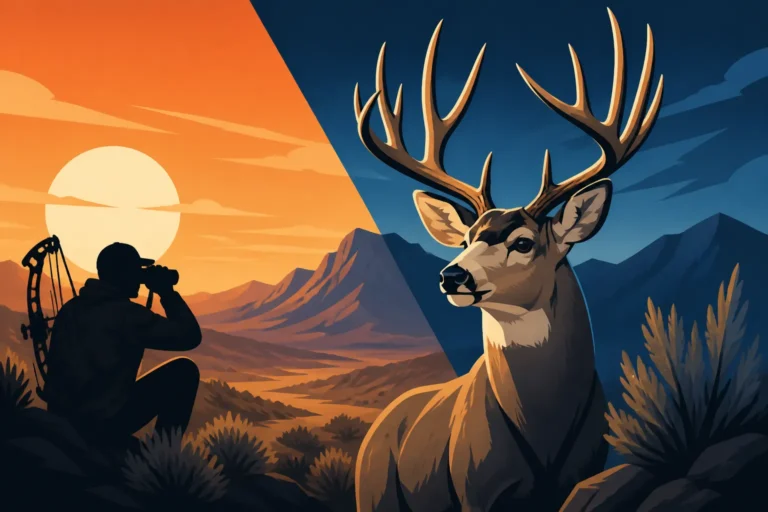
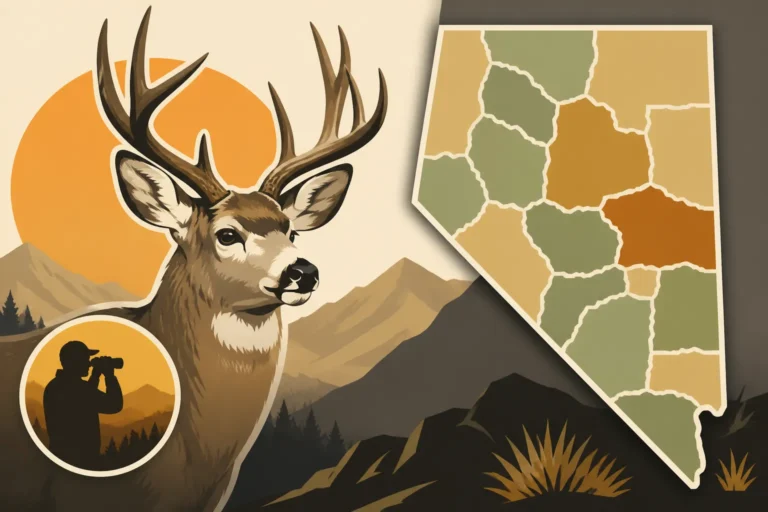
There's a special kind of heartache and thrill that comes with drawing a Nevada mule deer tag. For so many of us, the annual application period is filled with dreams of wide-racked bucks disappearing over a sagebrush flat, the sting of a hard-earned stalk, and the immense satisfaction of punching a tag in some of the West's most rugged and beautiful country. This guide aims to pull back the curtain on why Nevada's mule deer hold such a grip on the hunting community and how you can prepare to chase these incredible animals.
The Enduring Allure of Nevada Mule Deer
Nevada might not be the first state that springs to mind for mule deer hunting for everyone, but for those in the know, it’s a coveted destination. The Silver State offers a truly wild, public land experience where you can still feel like you’re charting your own course, far from the crowds often found elsewhere. This unique combination of vast open spaces and the potential for a truly mature buck is what draws hunters back year after year, despite the notoriously tough draw odds.
Why Hunters Chase Nevada Bucks
The dream of a trophy mule deer is a powerful motivator, and Nevada has a well-earned reputation for producing some absolute giants. While the overall deer numbers aren't as high as some neighboring states, the quality of the deer, particularly the mature bucks, can be exceptional. These are not your typical farm-country whitetails; they are animals born and bred in some of the most unforgiving, wide-open terrain imaginable, making them incredibly resilient and challenging to pursue. Hunters are drawn to the pure essence of big game hunting here – vast tracts of public land, challenging landscapes, and the pursuit of a truly wild animal. It's an experience that tests your physical limits, your mental fortitude, and your hunting skills in ways few other places can.
There's also a certain romance to hunting the Great Basin. The sagebrush sea, the towering mountain ranges, and the sheer emptiness of it all create an atmosphere unlike any other. For many, it's not just about the deer, but the entire adventure that comes with it. From the long drives down dusty two-tracks to glassing for hours on end from a prominent ridge, every element of a Nevada deer hunt contributes to an unforgettable experience. The bucks here have to be tough to survive, and that toughness translates into impressive animals for those fortunate enough to draw a tag and put in the work.
The Challenge of the Great Basin Muley
Hunting mule deer in Nevada is a far cry from hunting in denser timber or agricultural areas. The terrain here, dominated by the Basin and Range topography, is incredibly open. This means deer can spot you from a long way off, and you can spot them too. The challenge lies in closing that distance. A mule deer in Nevada is always on high alert, relying on its keen eyesight and the vastness of its habitat to avoid detection. You're not going to sneak up on one in thick woods very often. Instead, you'll be making long, calculated stalks across barren landscapes, often using subtle terrain features like draws and small ridges to conceal your approach.
The physical demands are also substantial. Many hunts involve considerable hiking at elevation, often over rugged, broken ground covered in volcanic rock or steep, loose scree. Temperatures can swing wildly, from scorching hot during early archery seasons to bitter cold during late rifle hunts. The air is dry, and water sources are often few and far between, requiring meticulous planning. It's a game of patience, endurance, and precise execution. When you finally do get a shot opportunity, it's usually after hours, if not days, of hard work, making the reward that much sweeter.
Understanding Nevada's Draw System
Getting a Nevada mule deer tag often feels like winning the lottery, and in many ways, it is. The state operates on a bonus point system, where applicants earn a point for each year they apply and are unsuccessful in drawing their first choice. What makes Nevada unique is that these bonus points are "squared" in the draw. This means if you have four points, you actually go into the draw with 16 "chances" plus your current year's application, effectively giving you 17 total entries. This system heavily favors those who have been consistently applying for many years.
For nonresident hunters, the odds are even tougher, as a smaller percentage of tags are allocated to them. It's a commitment game. Many hunters, especially nonresidents, will apply for years, accumulating points, before they ever see a tag. Resources like GoHunt provide invaluable data and insights into draw odds, helping hunters make informed decisions on which units to apply for. This meticulous planning is crucial because you don't want to waste your hard-earned points on a unit that doesn't align with your hunting goals. Understanding how Nevada's Squared Bonus Points Work is key to strategizing your applications. It’s a long-term strategy, and patience is definitely a virtue in the Nevada draw.
Prime Mule Deer Habitat Across the Silver State
Nevada’s landscape is incredibly diverse, and so is its mule deer habitat. From high alpine forests to vast sagebrush flats, understanding where deer live throughout the year is crucial for a successful hunt. The terrain itself dictates everything from how deer move to where they seek refuge and forage.
High-Country Summer Range
As the snow melts and the spring green-up begins, mule deer in Nevada head for the cooler, higher elevations. This high-country summer range often includes areas with aspens, junipers, ponderosa pine, and mixed conifer forests. Think of places like the Ruby Mountains, the Jarbidge Wilderness, or the Schell Creek Range. Here, deer find abundant forage, cooler temperatures, and more cover from predators and the summer sun. These areas can be incredibly rugged, with steep canyons, dense timber pockets, and rocky slopes.
During the summer months, bucks are busy growing their antlers, often staying in bachelor groups in these secluded, high-elevation havens. Finding them requires extensive glassing and hiking, often focusing on north-facing slopes, shadowed pockets, and areas with good feed and water. This is where you might find a truly impressive buck, sometimes still in velvet, benefiting from the lush summer vegetation before the fall hunting pressure begins. Understanding the nuances of these summer ranges is critical, especially for early archery hunters during Nevada's August Archery Deer Season Opens the Year.
Sagebrush Wintering Grounds
When the first heavy snows hit the high country, mule deer begin their annual migration to lower elevations. These wintering grounds are typically vast expanses of sagebrush flats and lower mountain slopes, often shared with pronghorn. While the forage isn't as rich as in the summer, these areas offer less snow accumulation, allowing deer to access crucial bitterbrush, serviceberry, and various browse species that sustain them through the lean months.
These winter ranges are also critical for late-season hunts. Deer concentrate in these areas, making them potentially easier to locate, but also more vulnerable to hunting pressure. Understanding these migration corridors and traditional winter range areas is paramount for hunters targeting bucks during rifle seasons, especially in November when the deer are funneling into these lower zones. This is also where you might learn Why Late Seasons Produce Bigger Bucks, as the deer are often concentrated and easier to find before the really harsh winter conditions set in. The expansive nature of these sagebrush basins, however, means deer can still easily disappear into the vastness, making thorough scouting and patience indispensable.
The Role of Water Sources
In an arid state like Nevada, water is life, and this holds especially true for mule deer. Natural springs, seeps, and man-made guzzlers act as magnets for all wildlife, particularly during the hot, dry months of summer and early fall. Identifying these critical water points is a cornerstone of effective scouting, whether you're planning an archery hunt in August or a rifle hunt in October. Deer will often bed within a reasonable distance of water, moving to and from these sources during the cooler parts of the day.
Locating these water sources on topographical maps, satellite imagery, and even through historical records can give a hunter a significant advantage. Learning about Hunting Water in Nevada's Driest Country can teach you how to read the landscape for subtle signs of moisture or discover established guzzler locations. During dry years, these water points become even more crucial, acting as pinch points where deer activity is highly concentrated. It's not uncommon to find multiple deer tracks leading to a single, small spring, indicating a reliable game trail.
Key Nevada Mule Deer Units and Their Reputations
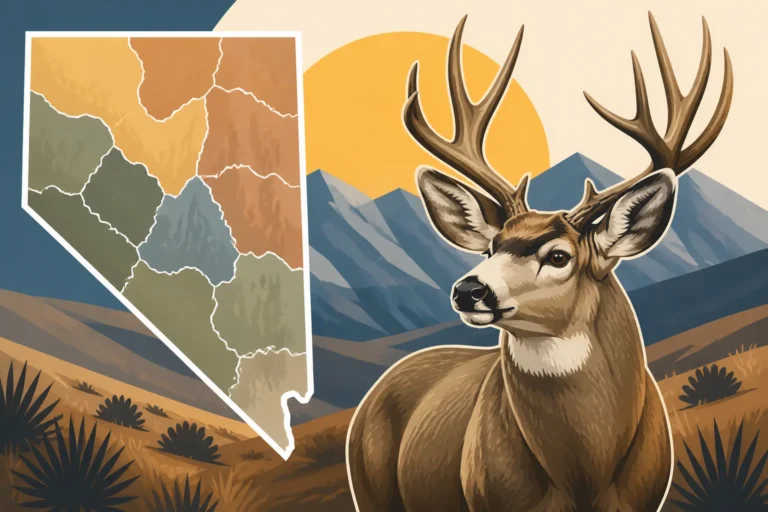
Nevada is divided into numerous hunt units, each with its own unique characteristics, terrain, and deer population dynamics. Some units are legendary for their trophy potential, while others offer higher success rates but with smaller-bodied bucks. Understanding these differences is vital when deciding where to put your valuable bonus points in the draw.
Noteworthy Northern Units
Northern Nevada, particularly the northeastern corner, holds a strong reputation for producing some of the state's biggest mule deer. Units like 102, 061, and 071 often come up in discussions about trophy potential. These units typically have a combination of higher elevations, good cover, and quality forage, allowing bucks to reach maturity. However, with reputation comes competition; these units often have some of the toughest draw odds in the state.
A unit like 102, for example, is synonymous with big bucks, drawing hunters from across the country. It’s characterized by diverse terrain, from high mountain peaks to sagebrush valleys, providing varied habitat for deer throughout the year. Hunters applying for these areas are often playing a long game, accruing points for many years, hoping for that once-in-a-lifetime draw. Success in these units often requires extensive preseason scouting, tough hiking, and meticulous glassing to find and stalk a mature animal. Getting to know a unit by Reading a Nevada Hunt Unit Before You Apply is paramount, and sites like GoHunt offer detailed unit profiles that break down terrain, access, and historical harvest data.
Eastern Nevada's Deer Hotspots
Moving further east, units in the eastern part of the state also offer fantastic mule deer hunting opportunities. Units such as 111, 113, and certain sections of the larger 100 series units present diverse hunting experiences. These units often feature steep, rocky ranges, interspersed with vast sagebrush valleys, similar to the Basin and Range topography found throughout the state. The deer here are equally challenging, and the sheer amount of public land can be overwhelming.
Eastern Nevada units might not always boast the same "trophy unit" prestige as some northern counterparts, but they consistently produce solid bucks and offer a more achievable draw for some hunters. The hunting pressure can still be significant, but the expansive nature of the landscape often allows hunters to find solitude if they are willing to put in the effort to get away from roads. These units are often characterized by a more pronounced migration pattern, with deer moving from high mountain summer ranges to lower elevation wintering grounds as the seasons progress, making timing and understanding deer movements crucial.
Evaluating Unit Success Rates
When considering where to apply, looking beyond just the "trophy potential" and focusing on success rates can be very illuminating. A unit with a lower trophy reputation might have a much higher hunter success rate, meaning you have a better chance of actually punching a tag, even if it's not a record-book buck. The Nevada Department of Wildlife (NDOW) publishes detailed harvest statistics annually, which are an invaluable resource. You can often find this information by Reading a Nevada Hunt Statistics Table.
| Unit Group | General Location | Primary Habitat | Typical Draw Odds (Non-Resident, est.) | Average Success Rate (Deer, est.) | Notes |
|---|---|---|---|---|---|
| 061-071 | Northeastern Nevada | High Elevation Forest, Sage | Very Low (1-5%) | Moderate (15-25%) | Renowned for trophy potential, rugged. |
| 102 | Northern Nevada | Diverse, High Peaks to Sage | Very Low (1-5%) | Moderate (15-25%) | High trophy quality, requires significant effort. |
| 111-113 | Eastern Nevada | Basin & Range, Aspen, Sage | Low (5-10%) | Moderate-High (20-35%) | Solid bucks, good public land, migratory patterns. |
| 141-145 | Central Nevada | Pinyon-Juniper, Sage | Moderate (10-20%) | High (30-45%) | More accessible, often good numbers, slightly smaller bucks. |
Disclaimer: Draw odds and success rates are highly variable year-to-year and depend on various factors including points, tag quotas, and weather. This table provides generalized estimates for illustrative purposes only. Always consult current NDOW regulations and draw statistics.
Success rates can also vary wildly depending on weapon type (archery, muzzleloader, rifle) and the specific timing of the season. For instance, Muzzleloader Deer Runs One Week in Select Nevada Units, offering a very specific challenge and different success metrics. A unit might have lower overall success but excellent numbers for late-season rifle hunts when deer are concentrated. It’s about aligning your hunting style and expectations with what a particular unit offers.
Mule Deer Biology and Behavior for Hunters
To consistently find and harvest mule deer in Nevada, it's essential to understand their annual rhythms, how they react to environmental cues, and their inherent behaviors. Mule deer are creatures of habit, but they are also highly adaptable, which makes them both predictable and incredibly elusive.
The Mule Deer Rut in Nevada
Ah, the rut! This is arguably the most anticipated time of year for deer hunters across the West. In Nevada, the mule deer rut typically peaks in mid-November, extending into early December. This is when bucks, driven by the urge to breed, become significantly more active and less cautious, often venturing into areas they might avoid the rest of the year. Their focus shifts from survival to procreation, making them more vulnerable to hunters.
Hunting during the rut can be incredibly exciting. Bucks will be actively seeking does, chasing them, and sparring with rival bucks. This increased movement makes them more visible, but also more unpredictable. Hunters might witness intense buck-on-buck action or see a large buck tirelessly dogging a hot doe. However, while the rut increases activity, it also brings more hunters into the field, particularly during late rifle seasons. Targeting these periods requires patience, understanding deer sign, and being able to quickly assess a buck's behavior in relation to does. The promise of a truly mature buck makes many hunters prioritize drawing a tag during this window.
Seasonal Movements and Migration
Mule deer in Nevada are often migratory, moving between distinct summer and winter ranges. These movements are primarily dictated by snowpack, forage availability, and hunting pressure. As mentioned earlier, deer spend their summers in higher elevations with abundant feed and cover. As autumn progresses and the first snows dust the peaks, they begin a gradual descent to lower, more accessible wintering grounds.
Understanding these migration corridors is crucial. Bucks will often follow established routes, sometimes traveling dozens of miles, taking advantage of topographical features that offer protection and cover. Hunters who can identify these routes and anticipate deer movements can position themselves strategically. Topographic maps, aerial imagery, and even historical weather patterns can provide clues to these migration patterns. For instance, severe early snowstorms can trigger a mass movement of deer, concentrating them in lower basins faster than usual, creating incredible hunting opportunities for those prepared. On the flip side, mild winters might mean deer stay at higher elevations longer, making them harder to find.
Field Judging a Nevada Buck
One of the most challenging, yet rewarding, skills in mule deer hunting is accurately field judging a buck, especially from a distance in open country. With Nevada's low tag quotas and often long wait times, passing on a smaller buck in hopes of finding a true trophy is a common dilemma. Field judging involves quickly assessing antler width, tine length, mass, and overall frame to estimate its score and age. This skill is honed through years of observation, study, and, let's be honest, sometimes regret.
In the vastness of Nevada, you'll often be glassing deer from hundreds, if not thousands, of yards away. Having quality optics, including binoculars and a spotting scope, is non-negotiable. Learning to use them effectively, understanding how light and distance play tricks on your eyes, and having a systematic approach to evaluating a buck's rack are all critical. Pay attention to how the antlers extend beyond the ears, the mass at the bases, and the length of the tines. Is it a deep fork? Does it have kickers or cheaters? These details, assessed quickly, can help you decide whether to begin a long, arduous stalk or to continue glassing for a bigger prize.
Essential Strategies for Nevada Mule Deer Hunting
Hunting mule deer in Nevada isn't a walk in the park; it demands a strategic approach tailored to the unique environment. Success hinges on a combination of patient observation, calculated movement, and adapting to the always-changing conditions of the Great Basin.
The Art of Glassing and Long-Range Scouting
If there's one skill that defines Nevada mule deer hunting, it's glassing. Forget still-hunting through thick timber; in this wide-open country, your eyes and your optics are your primary tools. Hunters will spend hours, often days, perched on high points, meticulously scanning distant slopes and basins with binoculars and spotting scopes. This isn't just about casually looking around; it's a systematic approach, often employing The Grid Glassing Method, Step by Step, where you divide the landscape into sections and methodically search each one.
Effective glassing requires patience, discipline, and top-tier optics. A good pair of 10x or 12x binoculars on a tripod is essential for scanning, while a high-power spotting scope (20-60x or more) is critical for identifying and evaluating bucks at extreme distances. Positioning yourself correctly, with the sun at your back and a good view of shaded areas where deer might bed, can make all the difference. Glassing Nevada's Basin and Range for Mule Deer is more than just looking; it's about interpreting terrain, understanding deer habits, and predicting where a buck might be feeding, bedding, or traveling. This is where a lot of hunters find success, by locating deer before they're ever within rifle range.
Mastering the Stalk in Open Country
Once a buck is spotted, the real chess match begins: the stalk. In Nevada's open, often treeless landscapes, closing the distance on a mule deer without being detected is an art form. It's a test of patience, terrain reading, and wind management. You're typically not sneaking through dense woods, but rather navigating subtle dips, draws, and rises that offer momentary concealment.
The first step in any stalk is a thorough plan. Study the terrain between you and the deer using your optics and a detailed map. Identify potential routes, noting any draws, rock formations, or even large sagebrush clumps that can provide cover. Wind direction is absolutely critical; mule deer have an incredible sense of smell, and a shifting breeze can ruin a stalk instantly. You'll often find yourself making long detours to stay downwind. Playing thermals on a rimrock stalk becomes an essential skill. Move slowly, deliberately, using every available piece of cover, no matter how small. Be prepared to crawl, often for long distances, and be ready to freeze in place for minutes on end if the deer looks your way. A successful stalk is a combination of meticulous planning and flawless execution under pressure.
Hunting the Post-Rut and Late Seasons
While the peak rut gets a lot of attention, hunting the post-rut and late seasons in Nevada can be incredibly productive, and often for larger bucks. As the rut winds down, bucks are exhausted and begin to focus heavily on feeding to replenish their energy reserves before winter. They become more predictable in their movements, often concentrating in specific feeding areas, especially lower on the migration routes.
Why Late Seasons Produce Bigger Bucks is a common question, and it often comes down to this: during these periods, deer are frequently concentrated on winter range, making them easier to locate, and the bigger, older bucks are often less wary due to their post-rut exhaustion. However, weather can be a major factor. Late-season hunts can mean dealing with heavy snow, freezing temperatures, and shorter daylight hours. This demands different gear, more robust planning, and a higher level of physical preparedness. But for those willing to brave the elements, the rewards can be significant, offering a unique opportunity to catch mature bucks before they settle into their deepest winter patterns. When Nevada Rifle Deer Seasons Fall typically includes these prime late-season opportunities.
Preparing for a Nevada Mule Deer Hunt
A successful Nevada mule deer hunt isn't just about what happens in the field; it begins months, sometimes years, beforehand. The preparation phase is crucial, encompassing everything from physical conditioning to gear selection and meticulous planning.
Physical Conditioning for Rugged Terrain
Nevada mule deer hunting is physically demanding. Period. The vast majority of prime hunting areas are located in rugged, steep terrain, often at high elevations. You'll be hiking for miles, carrying a heavy pack, and navigating loose rock and uneven ground. If you're not in good physical shape, your hunt will suffer, both in terms of your ability to cover ground and your mental focus when it matters most.
Focus your fitness regimen on cardiovascular endurance, leg strength, and core stability. Incorporate activities like hiking with a loaded pack, stair climbing, trail running, and strength training. Don't underestimate the impact of elevation; if you live at sea level, try to mimic higher elevation training or plan for a few days to acclimatize before your hunt. It's about being able to comfortably climb to a glassing point, stay steady while making a long stalk, and then pack out a heavy load. Preparing Physically for Long Glassing Days is critical, as you might spend hours motionless before the real work begins.
Gear Essentials for the Great Basin
The gear you choose for a Nevada mule deer hunt needs to be robust, versatile, and dependable. The environment can be harsh, and you'll often be far from any amenities. Here are some essentials:
- Optics: As discussed, high-quality binoculars (10x-12x) on a tripod and a spotting scope (60x+) are non-negotiable.
- Layered Clothing: Temperatures can swing wildly. Think breathable base layers, insulating mid-layers (fleece, down), and a waterproof/windproof outer shell. Merino wool is often a favorite for its temperature regulation and odor-fighting properties.
- Footwear: Sturdy, broken-in hiking boots with good ankle support are crucial for rocky, uneven terrain. Consider choosing Boots for Sharp Volcanic Rock.
- Backpack: A comfortable, capable pack (45-65 liters) for day trips, with enough capacity for emergency gear, food, water, and eventually, meat.
- Water & Hydration: Carry more water than you think you'll need. A hydration bladder is often convenient, supplemented with extra bottles or a water filter/purifier. Water You Must Carry on a Desert Day Hunt is a serious consideration.
- Navigation: GPS device or smartphone with reliable hunting apps (like onX Hunt or GoHunt), physical maps, and a compass. Know how to use them, especially for E-Scouting a Nevada Unit Before the Season.
- First Aid & Emergency: A comprehensive first-aid kit, emergency shelter, fire starter, headlamp, and a satellite messenger (like Garmin inReach or Zoleo) for communication in areas without cell service.
- Hunting Weapon: A reliable rifle zeroed for long shots is often preferred given the open country. Muzzleloaders and archery gear have specific regulations and effectiveness ranges. Choosing a Rifle for Basin and Range Country means considering calibers capable of ethical long-range shots.
E-Scouting and Pre-Season Planning
Modern technology has revolutionized the way we prepare for hunts. E-scouting – using satellite imagery, topographic maps, and other digital tools from home – allows you to virtually explore your unit before you ever set foot in it. This is a game-changer for Nevada, where units can be massive and travel time extensive.
Spend hours dissecting your chosen unit. Look for potential glassing points (high ridges, peaks), natural travel corridors (draws, saddles), pinch points, water sources, and areas with good feed or cover. Identify potential campsites, access roads (and their condition), and escape routes. Use mapping tools to measure distances, calculate elevation changes, and mark waypoints for points of interest. This kind of detailed E-Scouting a Nevada Unit Before the Season can save you days of unproductive hiking and help you hit the ground running when you arrive. Many hunters also leverage data provided by services like GoHunt to compare units, analyze draw odds, and plan scouting trips, helping to maximize limited time.
Nevada's Mule Deer Population Trends and Management
Understanding the health of Nevada's mule deer herds and how they are managed is key to appreciating the challenges and opportunities of hunting in the state. Deer populations fluctuate naturally due to a variety of factors, and the Nevada Department of Wildlife (NDOW) works tirelessly to monitor and manage these precious resources.
Factors Affecting Deer Numbers
Mule deer populations in Nevada are influenced by a complex web of environmental factors. Drought is perhaps the most significant. Prolonged periods of low rainfall directly impact forage quality and quantity, especially critical bitterbrush and sagebrush species that form the backbone of a deer's diet. This, in turn, affects fawn survival rates and the overall health of the herd. Severe winters can also take a heavy toll, particularly on fawns and older animals, as deep snow limits access to food.
Habitat loss and fragmentation, while perhaps not as pronounced as in more developed states, still play a role, especially from development or wildfire. Additionally, predation by mountain lions, coyotes, and even bears can impact fawn recruitment and overall deer numbers in certain areas. How Drought Affects Great Basin Deer is a recurring theme in wildlife management, and hunters often see its effects first-hand in the health and size of the animals they encounter.
NDOW's Management Strategies
The Nevada Department of Wildlife (NDOW) employs a science-based approach to managing mule deer herds. This includes extensive aerial surveys to count deer, track fawn-to-doe ratios, and monitor buck-to-doe ratios. Biologists conduct habitat assessments, study migration patterns through collared deer, and monitor herd health for diseases. This data informs their annual recommendations for tag quotas.
NDOW's primary goal is to maintain healthy, viable deer populations while providing sustainable hunting opportunities. This often involves adjusting tag numbers based on population trends, habitat conditions, and winter severity. In years following harsh winters or prolonged drought, tag quotas might be reduced to allow herds to recover. Conversely, a few mild winters and good moisture can lead to an increase in available tags. Understanding how Nevada Sets Its Tag Quotas is crucial for any applicant, as it directly impacts your chances of drawing.
Reading Harvest Data and Fawn Ratios
For the savvy hunter, delving into NDOW's annual harvest reports is like finding a treasure map. These reports provide a wealth of information: hunter success rates by unit, average buck harvest, antlerless harvest, and perhaps most importantly, fawn-to-doe ratios.
Fawn-to-doe ratios are a key indicator of herd health and future population trends. A high fawn ratio generally suggests good recruitment and a growing or stable population, which bodes well for future tag allocations and hunting quality. Conversely, a low fawn ratio can signal challenges like poor habitat conditions, high predation, or disease. Learning Why Fawn Ratios Predict Next Season gives hunters a deeper insight into the biological realities behind the tag numbers. By studying these statistics, hunters can gain a more realistic understanding of what to expect from a particular unit and make more informed decisions about where to apply their valuable bonus points.
Navigating Regulations and Ethical Considerations
Beyond the physical and strategic aspects of hunting, understanding and adhering to Nevada's regulations and upholding strong ethical standards are fundamental to being a responsible hunter. The vastness of Nevada’s public lands comes with immense freedom, but also significant responsibility.
Understanding Tagging and Reporting Requirements
After the incredible effort of a successful hunt, the last thing you want is a legal headache. Nevada has specific requirements for tagging and reporting a harvested animal. Immediately after killing a mule deer, you must detach and affix your tag to the animal, ensuring it is validated with the date and time of harvest. This must be done at the site of the kill before the animal is moved. Failure to properly tag an animal is a serious offense.
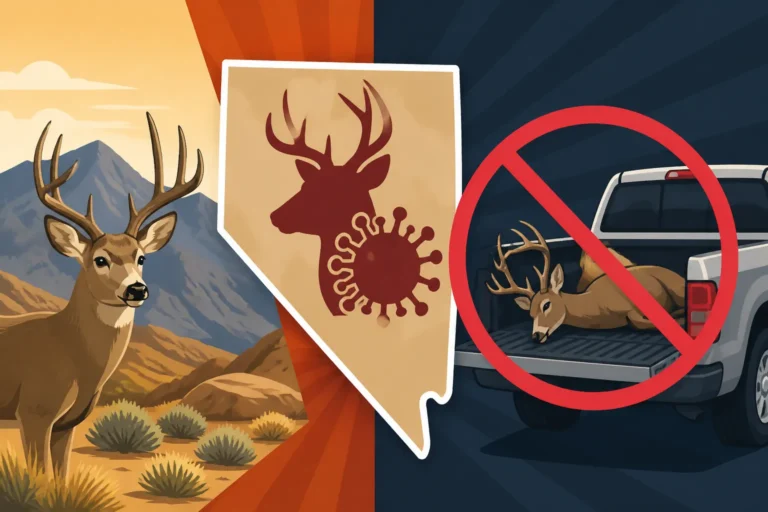
Furthermore, Nevada requires hunters to report their harvest to NDOW within a specified timeframe, usually online or by phone. This data is critical for wildlife managers to assess harvest rates, monitor unit performance, and make future management decisions. Mandatory Reporting After a Nevada Harvest isn't just a formality; it's a vital part of conservation efforts and helps ensure the sustainability of the resource for future generations. Additionally, be aware of carcass transport rules, especially if Chronic Wasting Disease (CWD) is a concern in any adjacent areas, though Nevada has not yet detected CWD.
Respecting Public and Private Lands
Nevada is famously the most federally owned state in the lower 48, offering incredible access to public land. However, navigating the patchwork of public and private ownership requires diligence. Always know where you are. Use mapping apps like onX Hunt or physical BLM maps to clearly identify property boundaries. Trespassing, even accidentally, is illegal and can jeopardize public access for everyone.
Private land is exactly that—private. Always obtain explicit permission from the landowner before stepping foot on their property, even if you just need to retrieve a downed animal. Simply crossing a corner of private land to access public ground can be a tricky legal area in some states, and while Nevada's laws are evolving, the safest approach is to know your boundaries and respect them. Understanding Retrieving Game From Private Land in Nevada legally is paramount. Remember, your actions reflect on all hunters, so always be a good steward of the land and a respectful neighbor.
Ethical Hunting in Arid Environments
Hunting in an arid environment like Nevada brings unique ethical considerations. Water, as mentioned, is a critical resource. Never contaminate water sources or disturb wildlife that are relying on them. Field dressing an animal in August heat requires specific attention to cooling the meat quickly to prevent spoilage, upholding the Meat Salvage Requirements for Big Game. This might involve quartering the animal quickly and getting it to a cooler as fast as possible.
Beyond that, the core tenets of ethical hunting apply: make clean, quick kills, retrieve all downed animals, and minimize your impact on the environment. The vastness of Nevada often means you are far from help, and self-sufficiency is key. Carrying the right gear, knowing your limits, and being prepared for all eventualities are not just practical considerations, but ethical ones too. Always practice good sportsmanship, respect other hunters and recreators, and leave no trace. Your conduct ensures that Nevada remains a premier hunting destination for generations to come.
Disclaimer
The information provided in this article is for general guidance and informational purposes only. Hunting regulations, seasons, and draw odds in Nevada are subject to change annually by the Nevada Department of Wildlife (NDOW). Hunters are solely responsible for verifying all current regulations, season dates, unit boundaries, and licensing requirements directly with NDOW before applying or engaging in any hunting activities. Always prioritize safety, ethical hunting practices, and respect for wildlife and private property.