Where Nevada’s First Elk Came From
For many hunters dreaming of chasing bugling bulls through Nevada's mountains, it might seem like elk have always been a fixture of the Silver State's rugged landscape. But the truth is, Nevada was largely devoid of elk for a significant period. This wasn't always the case, and their re-establishment is a testament to dedicated conservation. This guide will peel back the layers of history to reveal the ambitious journey of how elk returned to Nevada, detailing the source populations and the hard work that transformed the state into a premier elk hunting destination.
The Historical Absence of Elk in Nevada
It's a common misconception that elk herds have always roamed the vast, open country of Nevada. While historical records and archaeological evidence suggest that certain subspecies of elk, like the now-extinct Merriam's elk, once existed in parts of the Great Basin, their presence was never as widespread or abundant as in states like Colorado or Montana. By the early 20th century, due to a combination of unregulated market hunting, habitat changes, and westward expansion, elk were effectively extirpated from Nevada. The landscape, as vast and wild as it was, simply didn't hold the herds we see today.
Imagine the high desert ranges and forested mountains of Nevada a century ago. A hunter seeking big game would likely focus on mule deer, bighorn sheep, or pronghorn, but the majestic elk would have been a ghost of the past, a species gone from the land. This absence left a significant ecological void, and it also meant generations of hunters grew up without the opportunity to pursue elk within their home state. This historical reality underscores the immense achievement of the reintroduction programs that followed.
Why Elk Disappeared From Nevada
The reasons for the disappearance of elk from Nevada were complex, mirroring the fate of many wildlife species across the American West. Unrestricted hunting, particularly during the era of market hunting where animals were harvested for their meat and hides without limits, played a significant role. With no regulatory framework to manage wildlife populations, it was a race to exploit resources.
Beyond hunting pressure, habitat alterations from early ranching, mining, and human settlement also contributed. While Nevada’s terrain is vast, crucial winter range and water sources could be impacted by human activity. When combined with natural events like harsh winters or prolonged droughts, even small, scattered elk populations would have struggled to persist. The cumulative effect was the complete loss of elk from Nevada's ecosystems, leaving a stark emptiness that conservationists would later strive to fill.
Early Conservation Efforts and the Vision for Reintroduction
The turn of the 20th century brought a growing awareness of the need for wildlife conservation, thanks to figures like Theodore Roosevelt and the nascent conservation movement. As other states began to restore their own elk populations, a vision emerged in Nevada: could the Silver State also bring back this iconic species? It wasn't just about hunting opportunities; it was about restoring ecological balance and cultural heritage. The idea of "Nevada Elk Herds Grew From Nothing Into a Trophy Draw" wasn't a given; it was a distant dream that required immense foresight and effort.
This vision, however, was not without its challenges. Nevada's arid climate and vast expanses of sagebrush steppe were very different from the lush mountain ranges where elk thrived in other parts of the West. Early conservationists had to consider not just where to get the elk, but where they could realistically survive and reproduce in Nevada's unique environment. It required careful planning, resource allocation, and cooperation between state agencies and federal partners.
The First Seeds of Return
The initial steps towards reintroducing elk to Nevada were tentative but hopeful. These weren't large-scale operations right away; rather, they were often smaller transfers, almost experimental in nature, to see how elk would adapt to specific areas. The goal was to find suitable habitats that could support a breeding population. These early efforts laid the groundwork for the more robust reintroduction programs that would define Nevada's elk revival.
One of the earliest documented attempts involved elk relocated from Wyoming in the 1930s. These initial translocations were small, designed to test the waters and identify critical success factors like forage availability, water sources, and minimal human disturbance. While some of these early releases faced setbacks, they provided invaluable lessons, guiding future, more ambitious projects. This period was crucial for understanding "What Limits Elk Expansion in the Great Basin" and how to mitigate those factors.
The Pivotal Elk Reintroduction Programs: Where They Came From
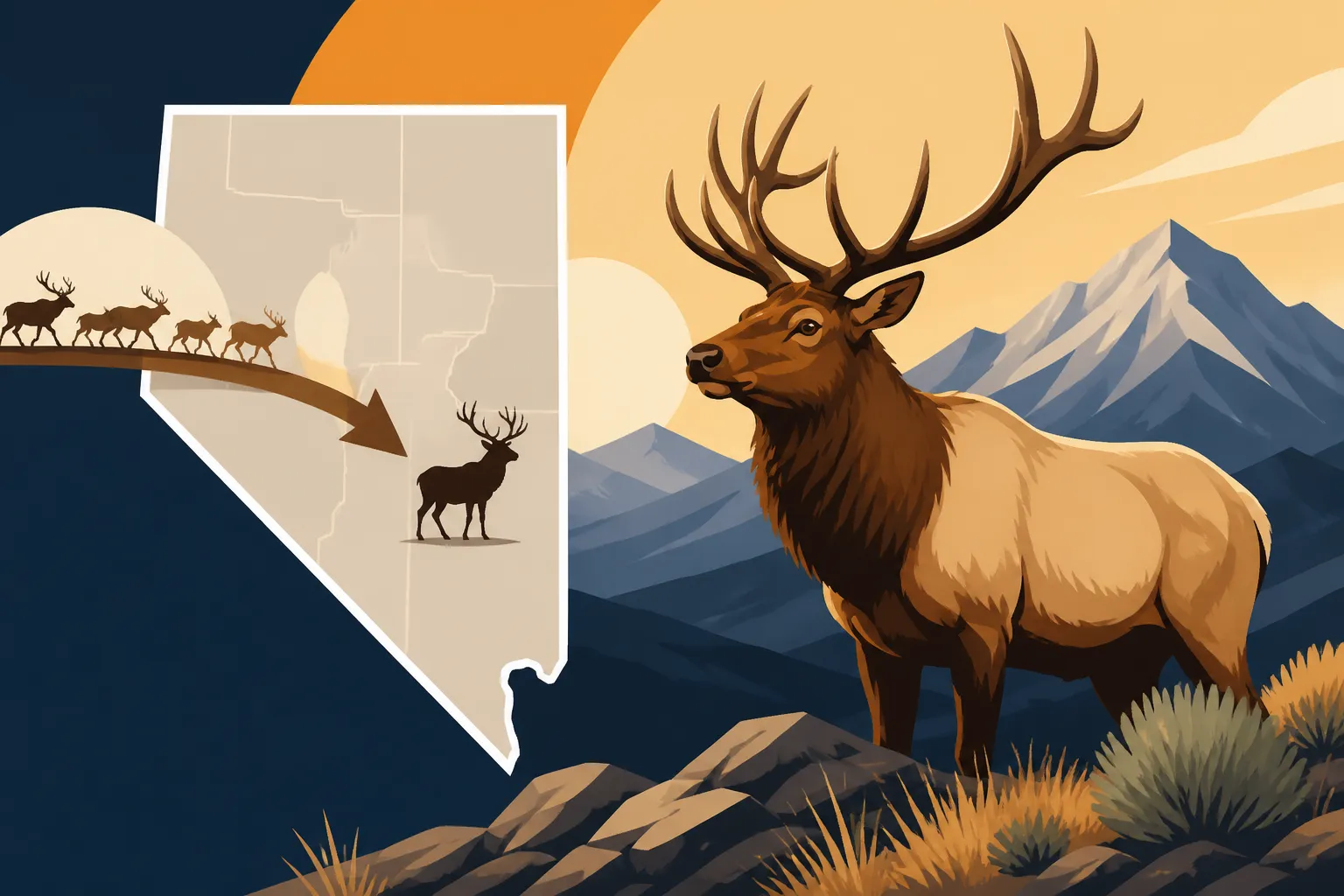
The most significant and successful reintroduction efforts for Nevada's elk herds began in earnest in the mid-20th century, particularly starting in the 1970s and continuing into the 1980s and beyond. These were not just random releases; they were meticulously planned operations, often involving trapping efforts in states with burgeoning elk populations and carefully transporting them to designated release sites in Nevada. The success of these programs is why "How Nevada Elk Herds Were Established" is a story of inter-state cooperation and dedicated wildlife management.
The source states for these translocations were critical. Nevada reached out to states with healthy, sometimes overpopulated, elk herds, looking for animals that were robust and adaptable. The logistics of trapping, testing, transporting, and releasing these large animals across hundreds of miles were immense, requiring coordination, specialized equipment, and significant funding.
Key Source States and Initial Release Sites
Nevada's elk reintroduction primarily relied on surplus animals from a few key states known for their thriving elk populations. These animals formed the genetic backbone of what would become Nevada's modern herds.
| Source State | Primary Period of Contributions | Key Nevada Release Areas (Examples) |
|---|---|---|
| Wyoming | Early 1930s, 1970s-1980s | Schell Creek Range, Ruby Mountains |
| Utah | 1970s-1990s | Spring Mountains, Jarbidge Wilderness |
| Colorado | 1980s-1990s | East Humboldt Range, Egan Range |
Wyoming was an early and consistent partner, providing a significant number of animals that helped establish the initial populations. Many of these elk were sourced from areas where herds were strong, ensuring genetically diverse and healthy animals for Nevada. Later, Utah and Colorado also became crucial suppliers, as their elk management programs provided healthy, robust animals suitable for translocation.
These animals were released into carefully selected areas across Nevada, chosen for their potential to provide adequate forage, water, and cover, as well as minimal human disturbance. Locations like the Schell Creek Range in eastern Nevada, the Ruby Mountains, the Spring Mountains south of Las Vegas, and the Jarbidge Wilderness in the north were prime candidates. These diverse ecological regions demonstrated the intent to spread elk across suitable habitats throughout the state. Understanding these specific release areas can often shed light on "Where Nevada's First Elk Came From" in greater detail.
For instance, the Ruby Mountains in northeastern Nevada, known for their stunning alpine scenery, became a critical release area for elk from Wyoming. These animals quickly adapted to the mixed conifer forests and open meadows, establishing a thriving herd. Similarly, the Schell Creek Range, with its higher elevations and more abundant vegetation, proved ideal for elk from both Wyoming and Utah. These early release sites became the nuclei from which populations would grow and expand, eventually leading to the healthy herds we observe today, often scouted by hunters using platforms like GoHunt for detailed unit information.
Logistical Challenges of Translocation
Moving hundreds of wild elk across state lines is no small feat. The logistical challenges were immense, requiring specialized darting and trapping techniques, often involving helicopters or drop nets, to safely capture animals without causing undue stress or injury. Once captured, elk were loaded into custom-built trailers designed to minimize stress during transit.
Veterinarians were on hand to ensure the health of the animals, administering checks and often inoculations before the journey. The journey itself could be long and arduous, spanning many hours over rugged terrain. Upon arrival at the designated release sites, the elk were carefully released, often in coordination with local wildlife biologists who monitored their initial movements and adaptation to their new homes. These operations were a true testament to inter-agency cooperation and the dedication of countless wildlife professionals, showcasing a monumental effort to rebuild nature.
Growing Pains and the Modern Nevada Elk Herd
Once released, the elk faced the monumental task of adapting to their new environment. While initial mortality rates could be high, the populations that survived demonstrated remarkable resilience and began to reproduce. Over time, these reintroduced herds slowly but steadily grew, expanding their range within and beyond the original release areas. This growth wasn't always smooth; there were challenges related to habitat capacity, disease, and occasional conflicts with private landowners.
Despite these hurdles, the success of these reintroduction programs is undeniable. Today, Nevada boasts healthy and expanding elk populations, scattered across various mountain ranges from the north to the south. Hunters now avidly pursue tags for these animals, testament to the vision and hard work of earlier generations of conservationists. For anyone looking at "Nevada Elk Herd Growth Over Time," the trajectory has been overwhelmingly positive, leading to the creation of a coveted big game species in the state.
How Elk Herds Expanded Across the State
From those initial pockets, Nevada's elk herds gradually expanded, often following natural corridors of suitable habitat. As populations in the initial release areas reached their carrying capacity, individual elk, particularly younger bulls, began to disperse, seeking new territories. This natural dispersal, combined with strategic follow-up translocations in other suitable units, allowed elk to establish themselves in new mountain ranges.
This expansion has led to diverse elk populations across Nevada, adapted to different local conditions. Some herds thrive in the high-elevation forests of the northern ranges, while others have successfully established themselves in the more arid mountain islands of the south, demonstrating the species' incredible adaptability. This success has also led to the establishment of specific hunting units, and services like GoHunt offer detailed analyses of draw odds and harvest success for these expanding populations. Hunters eager to understand "Which Nevada Units Grow the Biggest Bulls" often look at areas historically linked to these successful reintroductions and subsequent expansion.
Managing Modern Elk Populations
Today, managing Nevada's elk herds is a continuous effort focused on balancing population health, habitat sustainability, and hunting opportunities. Wildlife biologists constantly monitor herd numbers, health, and distribution through aerial surveys, field observations, and hunter harvest data. This data is crucial for setting annual tag quotas and season structures, ensuring sustainable hunting while allowing populations to continue to thrive.
The management plans also address potential issues like habitat degradation, disease outbreaks, and interactions with other wildlife or livestock. It's a dynamic process that requires ongoing research and adaptive management strategies. When Nevada Elk Rifle Seasons Open, hunters contribute valuable data through mandatory harvest reporting, which feeds back into these management efforts. This dedication to science-based management ensures that the legacy of those initial reintroduction efforts continues to benefit both wildlife and people in Nevada for generations to come. Planning a hunt involves more than just draw odds; services such as GoHunt also offer insights into habitat types and herd health metrics, which are directly influenced by these ongoing management efforts.
Disclaimer
This article is for general informational purposes only and does not constitute professional advice. Laws, prices and regulations vary by location and change over time. Consult a qualified professional for guidance on your specific situation.