Disabled Veteran License Options in Nevada
Navigating the labyrinth of hunting regulations can be a real headache for anyone, but when you’re a disabled veteran, trying to decipher state policies for your hard-earned benefits can feel like an insurmountable task. This comprehensive guide is here to cut through the confusion, offering a clear, empathetic look at the disabled veteran hunting license options available in Nevada, and how you can access the outdoor opportunities you deserve.
Understanding Nevada's Commitment to Veterans
It's truly admirable to see states recognize the sacrifices made by our veterans, and Nevada is no exception. Offering specific hunting and fishing license options is one small way to say "thank you" for their service and ensure they can continue to enjoy the natural beauty and therapeutic benefits of the outdoors. It's about more than just a piece of paper; it's about honoring that commitment and providing meaningful access to recreation that can truly enrich lives.
The Importance of Honoring Service in Outdoor Opportunities
For many veterans, especially those with disabilities, connecting with nature through hunting or fishing isn't just a pastime; it's a vital part of their physical and mental well-being. The quiet solitude of the sagebrush, the challenge of a stalk, or the simple joy of casting a line can provide immense healing and a sense of purpose. States like Nevada, by offering reduced-cost or specialized licenses, help remove financial barriers and bureaucratic hurdles that might otherwise prevent disabled veterans from experiencing these profound benefits. It’s an acknowledgment that their service has earned them a special place in these outdoor traditions.
General Eligibility for Veteran Benefits
While specific hunting and fishing benefits vary, Nevada generally categorizes veterans based on their residency and the nature of their service-connected disability. For most state-level programs, the key factor often revolves around a formal disability rating from the U.S. Department of Veterans Affairs (VA). It's not just about having served; it's about the documented impact that service has had on their lives. Many states look for a minimum percentage of service-connected disability to qualify for certain perks, and Nevada is no different when it comes to the most significant license benefits. Understanding this fundamental requirement is the first step in unlocking these valuable opportunities.
Specific Disabled Veteran License Options
Nevada offers tangible benefits for its disabled veteran residents, primarily centered around a highly valuable combination license. This isn't just a minor discount; it's a significant financial and access advantage designed to make hunting and fishing more accessible for those who've sacrificed so much. Knowing the specifics of this offering is crucial for any qualifying veteran looking to enjoy Nevada's vast public lands.
Nevada's Resident Disabled Veteran Combination License
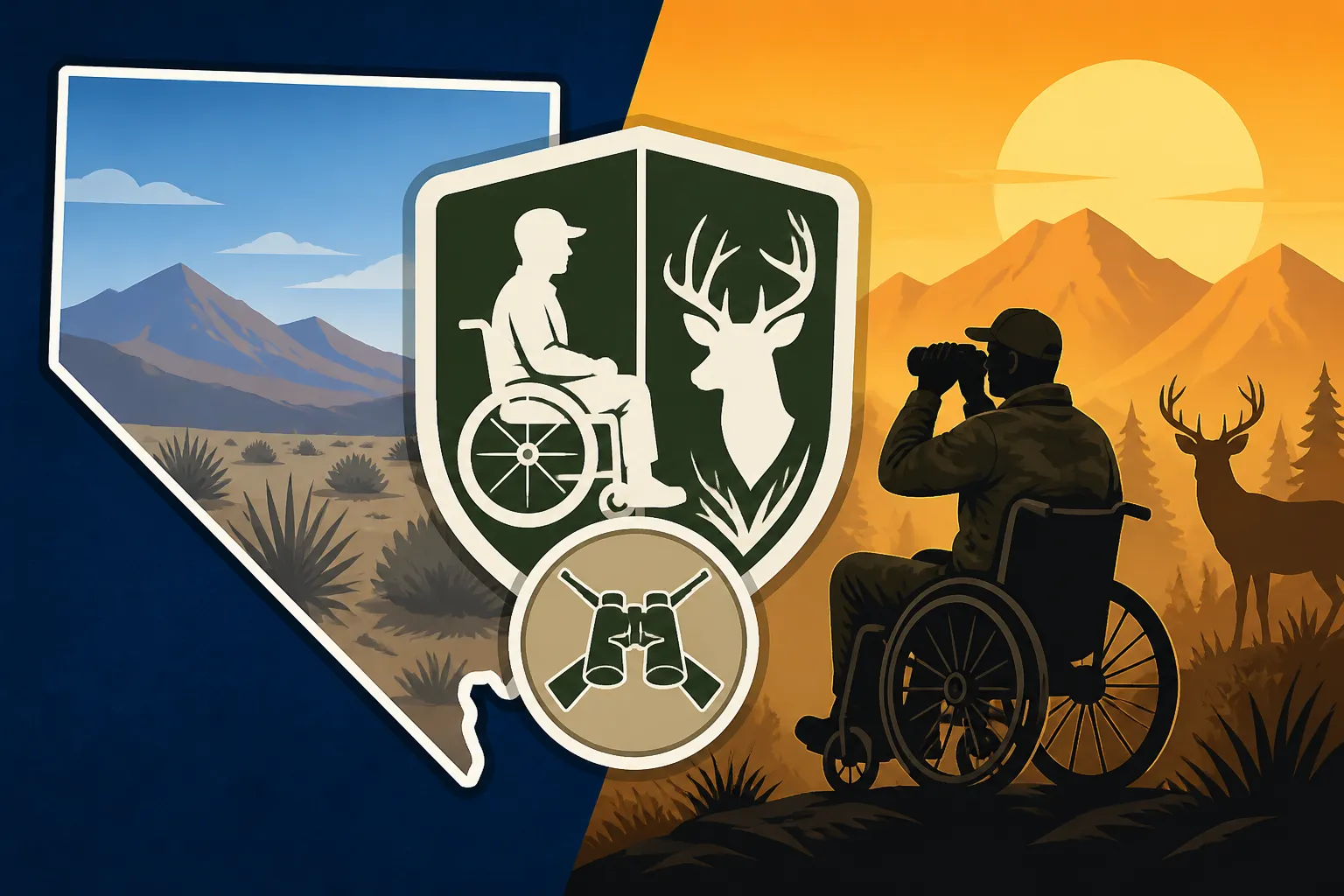
The flagship benefit for disabled veterans in Nevada is the Resident Disabled Veteran Combination License. This isn't merely a hunting license or a fishing license; it bundles both together for a remarkably reduced fee. To qualify, a veteran must be a legal resident of Nevada and have a service-connected disability of 50 percent or more, as certified by the Department of Veterans Affairs. This 50% threshold is critical, so ensure your VA documentation clearly reflects this.
Once obtained, this license allows you to legally hunt and fish across the state, subject to all other regulations like draw requirements for big game tags, season dates, and bag limits. It's truly a game-changer for many, drastically cutting down the annual cost of pursuing their outdoor passions. When you consider that a standard Resident Nevada Combination License Price can cost significantly more, the savings provided by this disabled veteran option are substantial, making it much easier to afford your yearly license and associated permits.
Additional Special Programs and Considerations
Beyond the combination license, while Nevada doesn't have a broad array of separate disabled veteran hunting programs for things like specific tags or seasons unique to disabled veterans, it's worth noting that the general benefits of having a combination license extend to all draw applications. This means disabled veterans, once they possess their discounted license, are on equal footing for applying for coveted big game tags like mule deer, elk, or bighorn sheep. There aren't special draw odds or reserved tags solely for disabled veterans within the general draw, but the financial relief on the base license is the primary, significant benefit.
What you will find are a variety of resources and potential adaptations that can make hunting more accessible. For instance, understanding Motorized Travel Rules on Nevada Public Land can be vital if you have mobility challenges, helping you plan routes that maximize access to suitable hunting grounds. While not exclusively for disabled veterans, many organizations like those focused on veteran support or outdoor accessibility may offer programs, guidance, or even adaptive equipment assistance that can further enhance your hunting experience in Nevada. These complementary resources, combined with the core license benefit, create a more robust support system for disabled veteran hunters.
Navigating the Application Process
Even with clear benefits, the application process can sometimes feel like a hurdle. Knowing exactly what documents you need and how to submit them can save you a lot of frustration and ensure you get your license efficiently. It’s all about being prepared and understanding the steps involved.
Required Documentation and Verification
The linchpin of qualifying for the Resident Disabled Veteran Combination License is concrete proof of your service-connected disability from the Department of Veterans Affairs. Specifically, you'll need official documentation that clearly states your disability rating is 50 percent or higher. This might be your VA benefits letter, an award letter, or a formal disability rating summary. Do not just bring your VA ID card; while it proves veteran status, it doesn't always specify the disability percentage that Nevada requires.
In addition to your VA disability documentation, you'll need proof of Nevada residency (like a driver's license or state ID) and standard personal identification. If you've never hunted before or if you were born after 1959, you'll also need a valid hunter education certificate. Nevada Anyone Born After 1959 Needs Nevada Hunter Education and Nevada Accepts Hunter Education From Any State, so if you've taken a course elsewhere, make sure you have the official proof readily available. Having all these documents organized before you apply will make the process much smoother, avoiding unnecessary delays.
Step-by-Step Application Guide
Applying for your disabled veteran license is typically a straightforward process once you have all your documentation in order. You generally have two main avenues:
- In-Person at an NDOW Office: This is often the most recommended route for your initial application, as it allows staff to verify your VA disability documentation on the spot and answer any immediate questions. You can visit any Nevada Department of Wildlife (NDOW) office during business hours. They'll review your VA paperwork, verify your residency, and process your license right there.
- Online (with prior verification or renewals): Once your disabled veteran status is verified and linked to your NDOW account, future renewals can often be done online through the NDOW license portal. For first-time applicants, it's always best to call NDOW or visit in person to ensure your disabled veteran status is correctly entered into their system.
When you're ready to apply for specific hunts, remember that Nevada Applications Run March 23 to May 13 each year. Even with your discounted combination license, you'll still need to pay the application fees for each species you enter the draw for. Utilizing platforms like GoHunt can be incredibly helpful during this stage, not just for researching units but also for understanding draw odds and making informed choices about where to apply. They offer comprehensive data that can help you strategize your application, especially if you're targeting specific units or species.
Beyond the License: Planning Your Hunt
Having your license is a fantastic first step, but a successful and enjoyable hunt, especially for disabled veterans, often hinges on careful planning that goes beyond just legal requirements. Nevada's vast and rugged landscape presents unique challenges and opportunities, and thinking ahead can make all the difference.
Accessibility Considerations in Nevada's Terrain
Nevada's hunting grounds are predominantly public lands managed by the Bureau of Land Management (BLM) and the U.S. Forest Service, characterized by sprawling sagebrush basins, steep mountain ranges, and often limited infrastructure. This "Basin and Range" topography, while beautiful, can be physically demanding. If you have mobility limitations, it's absolutely crucial to factor this into your unit selection and scouting.
Before you even leave home, dedicate time to E-Scouting a Nevada Unit Before the Season using satellite imagery and topographic maps. Identify areas with decent road access, gentle slopes, or proximity to established two-track trails where legal motorized access is permitted. Resources like onX Hunt are invaluable for this, as they provide detailed land ownership maps and topo overlays, helping you understand the terrain and find accessible routes. Always remember that Wilderness Study Areas and Vehicle Limits are strict, so be aware of boundaries if you plan to use a vehicle for access. Prioritizing units with more open, less rugged terrain or those with a higher density of maintained dirt roads can significantly enhance your experience. Don't be afraid to adjust your expectations and focus on units that offer a more comfortable hunting environment rather than pushing yourself into areas that might become a physical struggle.
Resources and Support for Disabled Veteran Hunters
You are not alone in your pursuit of hunting in Nevada. There's a growing network of organizations and resources dedicated to supporting disabled veteran hunters. These groups often facilitate accessible hunts, provide adaptive equipment, or simply connect veterans with shared experiences. National organizations like Disabled American Veterans (DAV) or local chapters of groups like Heroes and Horses, Wounded Warrior Project, or specific hunting-focused veteran organizations can be incredible sources of support, mentorship, and opportunities.
Additionally, don't underestimate the power of fellow hunters. Online forums and local hunting clubs are often filled with individuals eager to assist. When you're planning your trip, consider reaching out to other veterans or even local NDOW offices for advice on accessible areas or potential contacts. Understanding the local terrain, as discussed in Reading a Nevada Unit Boundary Before You Apply, and knowing how far you might be from help (like knowing How Far Apart Nevada Fuel Stops Are) are essential safety considerations for any hunter, but especially so if you have unique needs. Being open about your challenges can unlock a wealth of knowledge and camaraderie that makes your hunting trips not only possible but truly memorable.
Essential Information for Disabled Veteran Hunters
| Feature | Resident Disabled Veteran Combination License | Standard Resident Combination License |
|---|---|---|
| Eligibility | Nevada Resident, 50%+ VA Service-Connected Disability | Nevada Resident |
| Included Privileges | Hunting & Fishing | Hunting & Fishing |
| Cost | Significantly Reduced (nominal fee) | Standard Fee (e.g., ~$75-$80) |
| Verification Required | Official VA Disability Rating (50%+) | Proof of Residency |
| Application | In-person at NDOW for initial setup; online for renewals | Online or In-person |
| Draw Applications | Eligible for all big game draws (additional fees apply) | Eligible for all big game draws (additional fees apply) |
| Hunter Ed Requirement | Yes, if born after 1959 | Yes, if born after 1959 |
This table provides a quick reference to the core differences and benefits. It’s clear that the disabled veteran license is a substantial advantage, designed to keep you in the field without breaking the bank. Always double-check current fees and regulations directly with NDOW, as they can change annually.
Disclaimer
The information provided in this guide is for general informational purposes only and does not constitute legal advice. While every effort has been made to ensure accuracy, hunting regulations and policies, especially those concerning veteran benefits, can change. Always consult the official Nevada Department of Wildlife (NDOW) regulations and directly contact NDOW or the Department of Veterans Affairs for the most current and specific information applicable to your situation before making any decisions or plans.