Nevada Sage Grouse Permit Requirements
Navigating the world of Nevada hunting can sometimes feel like trying to read a map drawn in invisible ink, especially when it comes to specific species like sage grouse. Many hunters find themselves scratching their heads, wondering if a special permit is truly necessary beyond their general hunting license, and if so, how in the world they go about getting one. This guide is designed to demystify the Nevada sage grouse permit requirements, walking you through why they exist, how to apply, and what to expect from the process.
Why Nevada Implements Sage Grouse Permit Requirements
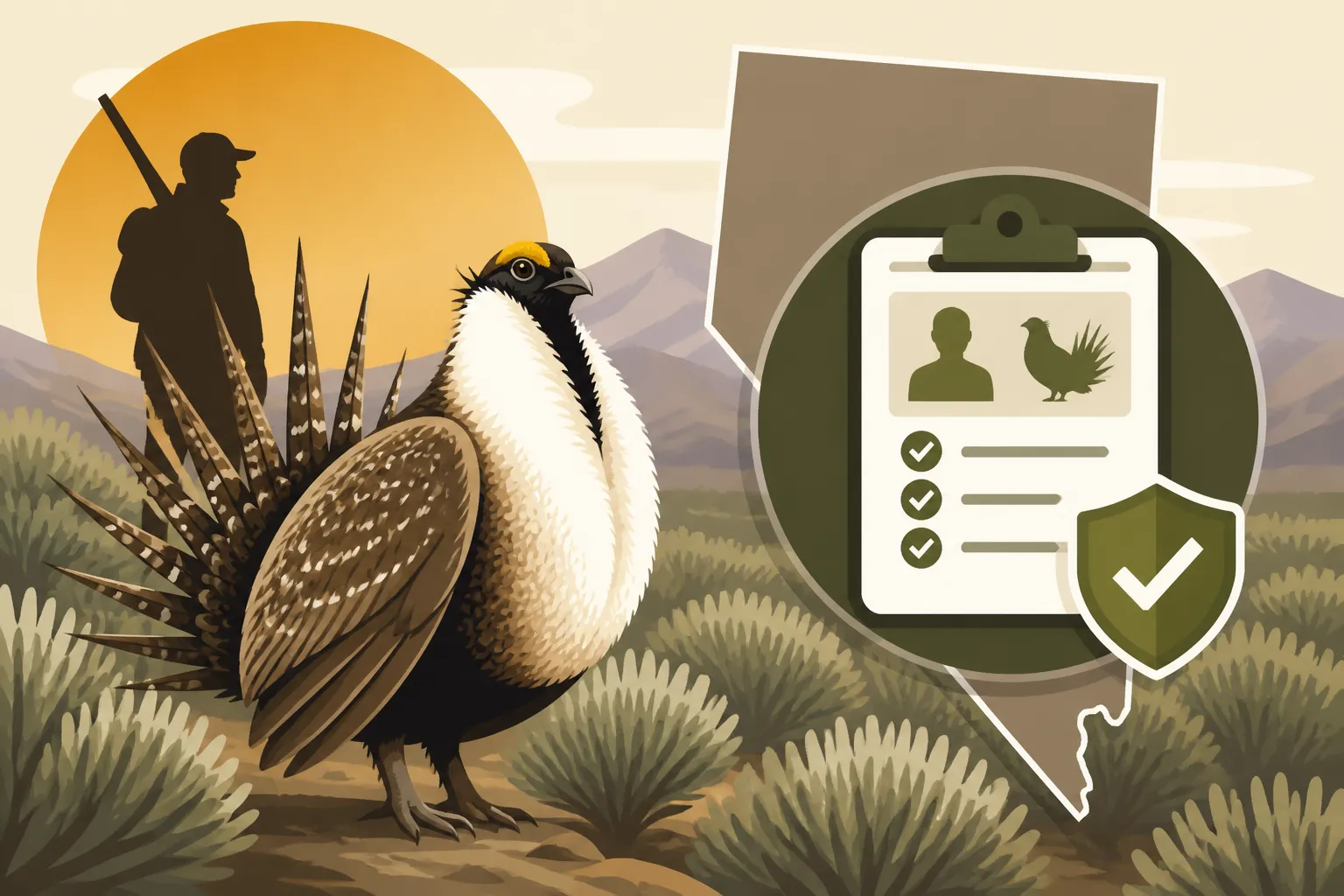
You might wonder why a bird, even one as iconic as the sage grouse, needs such a specialized approach to hunting. It's not just another upland bird; sage grouse are a truly unique species, deeply intertwined with the health of the vast sagebrush ecosystems that define much of the Great Basin. Their existence is a delicate balance, and their populations, while resilient, face significant challenges. That's why Nevada, much like other states with sage grouse populations, has very specific rules in place.
Understanding Sage Grouse Conservation Needs
Sage grouse are what biologists call an "indicator species." This means the health of their population gives us a pretty good idea of the overall health of the sagebrush ecosystem they call home. If the sage grouse are struggling, it often points to larger issues with habitat degradation, fragmentation, or disease affecting the entire landscape. Unlike some other upland birds that can thrive in a variety of habitats, sage grouse are highly specialized, relying almost exclusively on sagebrush for food, cover, and nesting. They spend their entire lives within the sagebrush sea, which means their survival is directly linked to its continued viability.
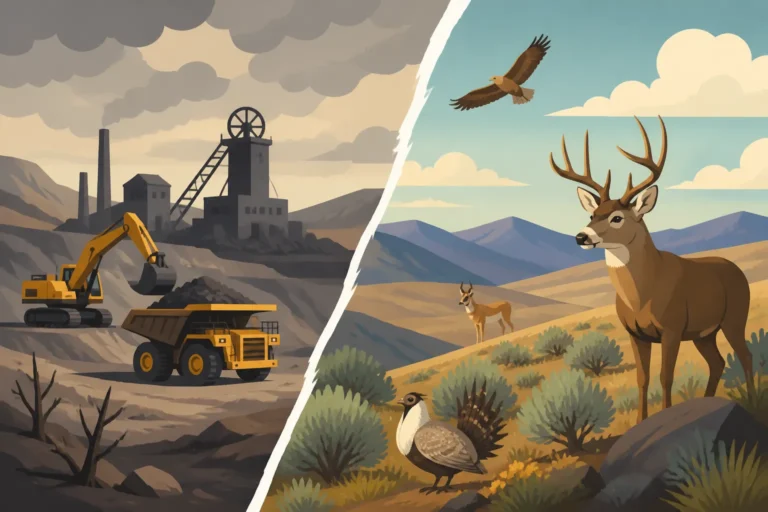
This deep reliance makes them particularly vulnerable to changes in their environment. Wildfires, invasive species like cheatgrass that alter fire regimes, energy development, and even changing climate patterns can all impact sagebrush habitat. Because of these pressures, wildlife agencies are incredibly cautious about how sage grouse populations are managed. Limiting harvest through a permit system is one critical tool in their conservation toolbox. It allows them to maintain a healthy population balance while still offering limited, sustainable hunting opportunities. This conservation-first approach ensures that future generations can also experience the thrill of hunting these magnificent birds. For more on the broader management picture, you might want to read How Nevada Manages Sage Grouse Hunting.
Managing Limited Opportunities Through a Draw
Because of the conservation concerns and the specific management needs of sage grouse, Nevada employs a limited-entry draw system for hunting permits. This isn't like buying an over-the-counter tag for chukar or quail; you can't just walk into a sporting goods store and pick one up. Instead, prospective hunters must apply for a permit in specific units, and if successful, they are awarded one of a predetermined number of tags. This system ensures that only a precise number of birds are harvested each year, directly aligning with population objectives set by biologists.
The number of permits available can fluctuate from year to year and from unit to unit, depending on current population estimates, recent habitat conditions, and recruitment rates (how many young birds survived the season). This flexibility allows the state to react to ecological changes and keep harvest levels sustainable. It means that drawing a sage grouse permit is often a privilege, not a guarantee, and reflects the state's commitment to careful stewardship of this unique game bird. This careful management is part of the state's overall How Nevada Sets Its Season Framework.
Step-by-Step: Applying for a Nevada Sage Grouse Permit
So, you've decided to throw your hat in the ring for a Nevada sage grouse permit. That's fantastic! But how do you actually go about it? The application process, while straightforward once you know the steps, does have some critical timelines and requirements you need to be aware of. Missing a deadline or overlooking a detail can mean missing out on your chance for the season.
Key Dates and Deadlines You Can't Miss
Just like with big game, the sage grouse permit application operates on a strict calendar. The most crucial period is typically in the spring, which often aligns with the general big game draw. While the exact dates can shift slightly year to year, the application period for sage grouse, along with other big game and limited-entry upland birds, usually opens in March and closes in May. For example, in many years, Nevada Applications Run March 23 to May 13. You need to mark these dates on your calendar, set reminders on your phone, and generally treat them like gold.
Once the application window closes, there's a waiting period. The draw results for sage grouse permits usually coincide with the big game draw results, which means you'll typically hear whether you were successful towards the end of May. Nevada Draw Results Land at the End of May, and that's usually when you'll find out about your sage grouse permit as well. Keep an eye on your email and the official Nevada game and fish website during this time. Remember, no news isn't necessarily good news – you need to actively check the results!
Using Online Resources for Your Application
The entire application process for Nevada hunting permits, including sage grouse, is handled online through the Nevada Department of Wildlife (NDOW) website. You'll need an active NDOW customer account, which requires a valid email address and your personal information. If you've applied for other Nevada tags before, you likely already have an account. If not, it's a good idea to set one up well in advance of the application period, rather than scrambling on deadline day.
When you log in, you'll navigate to the "Apply for Hunts" section. Here, you'll find the specific application options for sage grouse permits. You'll choose your preferred hunt units – often a crucial step that requires some research into population numbers and past success rates. Many hunters use tools like those offered by GoHunt to research units, historical draw odds, and even habitat maps to make informed decisions about where to apply. They offer data and insights that can be incredibly valuable in deciphering which units might offer the best chance of drawing a tag or simply provide the best hunting experience. GoHunt's detailed maps and statistics can help you visualize the terrain and potential sage grouse hotspots, which is much better than just guessing.
Beyond simply applying, remember that you'll also need to have a valid Nevada hunting license before you can apply for any draw tags. This is a prerequisite, so make sure your general license is current or purchase one before the application period. You don't want to get all the way through the unit selection only to find you can't submit because you're missing this fundamental step.
Understanding the Nevada Sage Grouse Permit Draw
Once you've submitted your application and the deadline has passed, it's a waiting game. The draw can feel like a mysterious black box, but there are some fundamental principles that govern how it works. Understanding these can help manage expectations and inform your application strategy for future years.
How the Draw Works and Bonus Points
Nevada uses a bonus point system for its big game and limited-entry draws, and sage grouse typically fall under this umbrella. Essentially, for every year you apply for a sage grouse permit and are unsuccessful in drawing one, you typically accumulate a bonus point for that species. These bonus points are then factored into your chances in subsequent draws. The more points you have, the theoretically better your odds are in the random drawing.
It's important to remember that bonus points don't guarantee a tag; they simply increase your chances. The system is still a draw, meaning there's always an element of randomness. However, accumulating points is a long-term strategy that many dedicated hunters employ to improve their odds over time. You can also purchase a bonus point for sage grouse without applying for a hunt, a strategy many use when they can't hunt a particular year but want to keep building their points for the future. Understanding the draw statistics, which you can often find on the NDOW website or through services like GoHunt, is paramount. GoHunt often breaks down draw odds by unit and point level, allowing you to see how many points successful applicants typically had for specific units in previous years. This information can be a game-changer when deciding where to put your first and second choices. When you draw, your accumulated bonus points for that species are typically reset to zero.
Here's a simplified look at the draw factors:
| Factor | Description | Impact on Draw Odds |
|---|---|---|
| Application Window | Specific dates when you can apply, usually March-May. | Miss it, and you have zero chance. |
| Hunting License | Required before applying for any limited-entry permit. | Must be current for your application to be valid. |
| Unit Selection | Choosing specific hunt units for your application. | Critical; research historical odds and population data for best chances. |
| Bonus Points | Earned for each unsuccessful application; increase future draw chances. | Higher points generally mean better odds, but no guarantee. |
| Tag Quota | The predetermined number of tags available for a specific unit each year. | Directly influences how difficult it is to draw a tag. |
What Happens After the Draw Results
Once the draw results are released, usually around the end of May, you'll be able to check your status online through your NDOW account. If you're one of the lucky ones, congratulations! You'll typically receive an email notification, and your permit will be available digitally or mailed to you depending on the state's current system. Make sure all your contact information is up to date in your NDOW profile.
If you weren't successful, don't despair. You'll usually gain a bonus point for sage grouse, contributing to better odds in future draws. It's a long game, and many hunters spend years accumulating points for desirable tags. Use the time to review the draw statistics – services like GoHunt can help you analyze Reading a Nevada Hunt Statistics Table – and consider what you might do differently next year. Perhaps apply for a different unit, or commit to purchasing a point to build up your equity for a future hunt. It's also a great time to start E-Scouting a Nevada Unit Before the Season for future reference, even if you didn't draw a tag this year. Knowing the landscape for potential hunts helps in the long run.
Crucial Rules and Considerations Beyond the Permit Itself
Drawing a sage grouse permit is a huge step, but it's just the beginning. There are several other critical regulations and ethical considerations you need to be aware of to ensure a legal and responsible hunt. These rules are in place not just for conservation, but for hunter safety and the overall integrity of the sport.
Season Dates, Bag Limits, and Legal Shooting Hours
Even with a permit in hand, you can't just head out any day you like. Sage grouse seasons are typically very short, often only a few days, and specific to the unit you drew. You must strictly adhere to the season dates printed on your tag and listed in the official regulations. Nevada Sage Grouse Season and Permit will detail these critical dates. The bag limits are also generally very conservative, often one bird per hunter per season, and possession limits reflect this. There’s no room for error here; exceeding your bag limit carries serious penalties.
Legal shooting hours are also strictly enforced. These hours typically run from one-half hour before sunrise to sunset, but always confirm the exact times in the current year's regulations booklet. These regulations change, so relying on last year's knowledge is a recipe for trouble. Always check the most current official NDOW regulations before you head afield. These can often be downloaded as PDFs from the NDOW website.
Ethical Considerations and Habitat Awareness
Hunting sage grouse carries a significant ethical responsibility. These birds perform elaborate courtship displays on communal breeding grounds called "leks" in the spring. It is absolutely critical that hunters avoid disturbing these leks, especially during the breeding season. Hunting near or disturbing a lek is illegal and highly unethical. Respecting these sensitive areas is paramount to the long-term survival of the species. Knowing Sage Grouse Leks and Nevada Habitat is a crucial part of being an ethical hunter.
Beyond leks, consider the fragile sagebrush habitat itself. Drive only on established roads and trails to minimize disturbance. Be mindful of your impact on the land. Good stewardship ensures these habitats remain viable for sage grouse and the countless other species that depend on them. Also, remember that retrieving every downed bird is not just a legal requirement but an ethical one. These permits are precious, and wasting a bird you've legally harvested is disrespectful to the animal and the conservation efforts that make the hunt possible. Every bird counts, especially with limited entry permits. Take the time to train your dog if you use one, or thoroughly mark your shot to ensure you recover your bird.
Finally, while not directly permit-related, remember that being prepared for Nevada's often remote and rugged hunting conditions is essential. Carry plenty of water, have appropriate navigation tools, and let someone know your plans. Nevada's open country can be unforgiving, and responsible hunting means being safe and self-sufficient.
Disclaimer
This article is for general informational purposes only and does not constitute professional advice. Laws, prices and regulations vary by location and change over time. Consult a qualified professional for guidance on your specific situation.