Why Elk Carries a Higher Nevada Application Fee
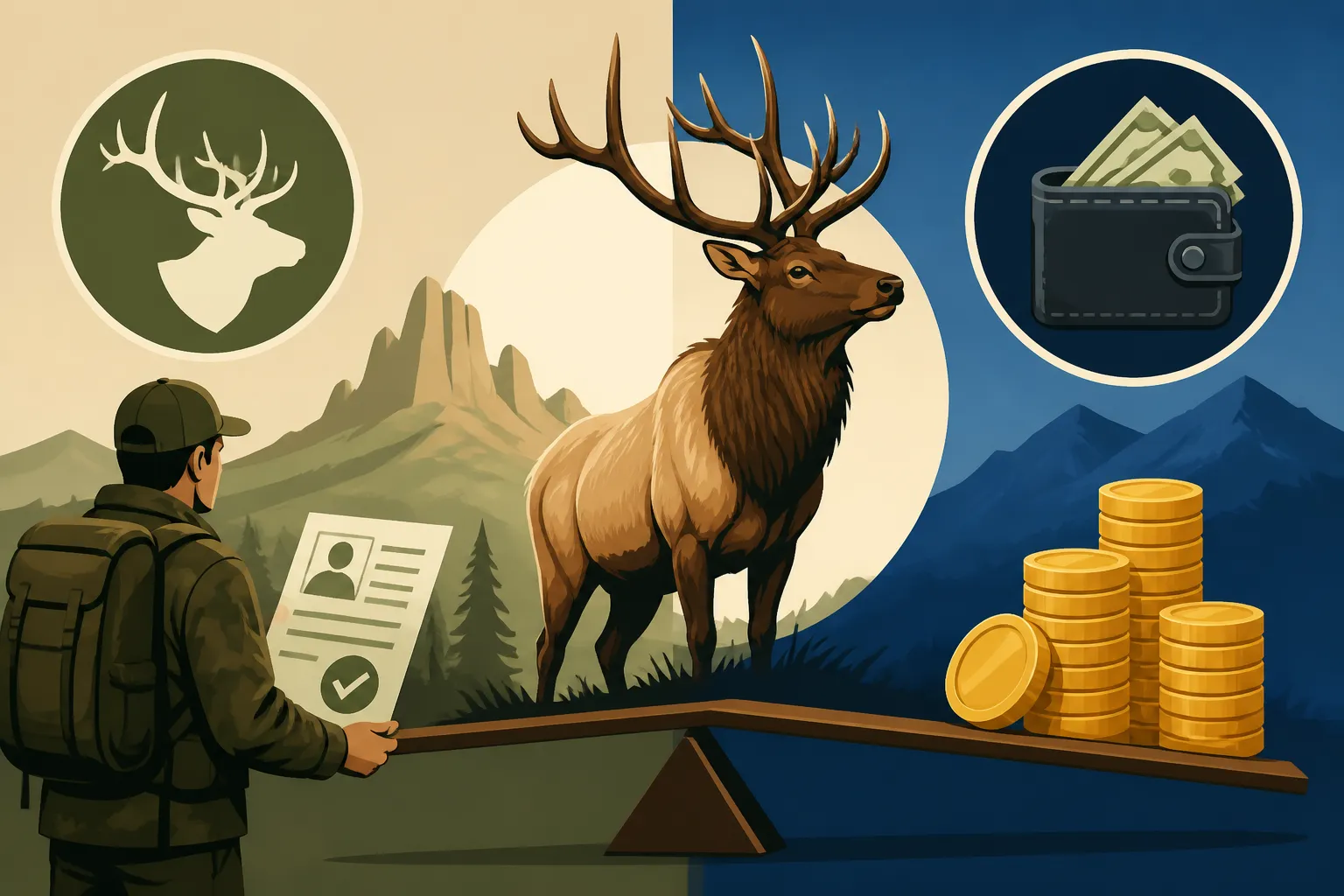
It's no secret that the cost of applying for big game tags, especially for highly coveted species like elk, can feel like a punch to the gut. You scroll through the Nevada Department of Wildlife (NDOW) regulations, eyes widening at the non-resident application fees, and a single question forms: "Why is elk so much more expensive?" This guide is here to unravel that mystery, explaining the fundamental reasons behind Nevada's higher elk application fees and how those dollars directly contribute to the very herds you're hoping to hunt.
Understanding Nevada's Application Fee Structure
Let's be honest, seeing those higher numbers for elk applications can be a real jolt, especially if you're comparing them to deer or antelope. It often feels like you're paying a premium just for the chance to draw, and in a state with such notoriously tough odds, that can feel particularly unfair. But there's a method to the madness, and it's deeply rooted in the economics of wildlife conservation and the sheer demand for this magnificent animal.
The Cost of Chasing a Nevada Elk Dream
The first thing many hunters notice when looking at Nevada's fee schedule is the significant jump for elk compared to other species. For a non-resident, the difference between applying for a mule deer tag and an elk tag is substantial, and it’s not just the final tag price that creates that gap. Even the application fee itself, which you pay regardless of drawing a tag, reflects a higher investment from the outset. This initial outlay is what often causes the most frustration, as it's money spent on a hopeful venture that may not pan out for years. It’s hard to swallow when you’re shelling out good money and still facing slim odds, but it’s part of the unique landscape of Nevada hunting.
Breaking Down the Combination License
Before you even get to the species-specific application fee, there's a foundational cost that every big game hunter, resident or non-resident, must incur: the Nevada Combination License. This license is your ticket to legally apply for any big game draw and serves as your general hunting permit should you draw a tag. It covers various small game and fishing opportunities as well, but for big game, it's a non-negotiable prerequisite. This means the actual "cost" of applying for an elk tag isn't just the application fee itself; it's that fee plus the combination license. This upfront cost can certainly add to the perception of expense, particularly for non-residents who might not utilize the other hunting and fishing privileges the license affords. You can learn more about this essential step in securing your hunting privileges by reading our article on Nevada's Combination License Comes Before Any Tag.
Species-Specific Application Fees
Once you have your combination license in hand, you then select the species you want to apply for, and this is where the disparity in fees really shows. Each species has its own application fee, and these fees are carefully set by the NDOW based on a variety of factors. Elk, being a trophy species with incredible demand and significant management costs, naturally commands a higher fee. Deer and antelope, while still highly sought after, typically have lower fees, reflecting a different economic balance. This tiered system ensures that those pursuing the most valuable and management-intensive species contribute a proportionally larger share to the conservation efforts that sustain those very animals. It's a direct reflection of the value placed on the hunting opportunity and the resources required to provide it.
The Financial Engine of Wildlife Management
It's easy to just see the number on the application and feel like it's a tax on your dreams. However, these fees aren't just disappearing into a bureaucratic void. They are the lifeblood of Nevada's wildlife management efforts, directly funding the boots-on-the-ground work that keeps our cherished big game herds healthy and thriving. Without these financial contributions from hunters, many of the conservation successes we celebrate wouldn't be possible.
Funding Nevada Department of Wildlife NDOW Operations
The Nevada Department of Wildlife (NDOW) is primarily funded by hunting and fishing license sales and application fees, not general tax dollars. This means that every dollar you spend on an elk application fee directly supports the salaries of biologists, game wardens, and administrative staff who work tirelessly to manage wildlife across the state. These are the folks who conduct aerial surveys to count animals, patrol vast units to ensure compliance, and process the thousands of applications that come in each year. Think about the complexity of managing herds across the diverse and expansive Nevada landscape; it requires a dedicated, professional team, and your application fee helps keep that team in the field. This funding model also ensures that those who benefit directly from the resource (hunters) are the ones primarily footing the bill for its preservation, creating a strong incentive for responsible management.
Habitat Improvement and Conservation Projects
Beyond personnel, a significant portion of application fee revenue is funneled directly into habitat improvement and conservation projects. Nevada is a harsh, arid environment, and ensuring that elk, deer, and other species have adequate water, forage, and cover is a constant challenge. This might involve funding projects to develop new water sources, like installing remote guzzlers in dry country, or restoring sagebrush ecosystems crucial for forage. It could also mean purchasing or securing access to critical winter range or migration corridors that are vital for herd health and movement. These are tangible projects you can often see in the landscape, providing direct benefits to the animals you hope to hunt. The success of programs like those that helped Nevada's elk herds grow from nothing into a trophy draw is directly tied to this kind of sustained investment.
Research, Surveys, and Herd Health Monitoring
Effective wildlife management isn't just guesswork; it's a science. Elk application fees contribute significantly to funding vital research, comprehensive surveys, and ongoing herd health monitoring programs. Biologists regularly conduct aerial surveys to estimate herd sizes, bull-to-cow ratios, and fawn survival rates, all of which are crucial data points for setting future tag quotas and season dates. They also monitor for diseases like Chronic Wasting Disease (CWD), ensuring early detection and mitigation strategies are in place to protect the health of the entire herd. This scientific rigor is essential for making informed decisions that ensure the long-term sustainability of Nevada's elk populations, providing you with hunting opportunities for generations to come. Without these funds, our understanding of these complex ecosystems would be severely limited, making sound management nearly impossible.
Elk: A High-Demand, High-Value Species
It's no secret that elk hold a special place in the hearts of hunters. The sheer majesty of a bull elk, the challenge of pursuing them in rugged terrain, and the incredible reward of bringing one home make it one of the most coveted big game animals in North America. This inherent desirability, coupled with the biological realities of managing such a large and iconic species, directly contributes to the higher application fees in Nevada.
The Allure of Nevada Elk Hunting
Nevada's elk herds, while smaller than some neighboring states, have a reputation for producing truly exceptional bulls. The vast, open country, the genetics, and the careful management by NDOW have led to some incredible trophy opportunities, especially in units like the famed Unit 162. This draw potential, even with tough odds, attracts hunters from across the country who are willing to pay a premium for a chance at a hunt of a lifetime. The dream of hearing a bugling bull echo through the high desert or finding a monster in a remote canyon is a powerful motivator. This high demand, driven by the quality of the hunting experience and the trophy potential, is a fundamental economic factor that allows for higher application fees. It's a classic supply-and-demand scenario, and when demand is high for such a unique experience, the price naturally reflects that value. If you're looking to time your hunt for maximum bugling action, checking out When the Elk Rut Peaks in Nevada can provide valuable insights.
Limited Tags and Exclusive Opportunity
Unlike some states with more abundant elk populations, Nevada issues a relatively small number of elk tags each year. This scarcity immediately elevates the value and desirability of each tag. The NDOW carefully sets these quotas based on herd health objectives, population trends, and habitat conditions to ensure sustainable management. Fewer tags mean less pressure on the herds, allowing animals to mature and reach their full potential, which in turn fuels the trophy potential that hunters crave. This exclusivity—knowing that only a select few will get the opportunity each year—is another key factor in the higher application fees. You're not just paying for a chance; you're paying for a chance at a truly exclusive and rare hunting experience. Understanding the specifics, like Nevada Elk Muzzleloader Timing by Unit, can also help you hone your application strategy.
The Cost of Restoring and Maintaining Healthy Elk Herds
The current robust state of Nevada's elk herds is not an accident; it's the result of decades of dedicated conservation efforts. At one point, elk were largely extirpated from Nevada. Reintroducing and establishing these herds from scratch was a massive undertaking, involving significant financial investment in trap-and-transfer operations, habitat creation, and ongoing monitoring. Maintaining these herds requires continuous resources—from managing disease and mitigating conflicts with landowners to ensuring genetic diversity and robust population growth. These are long-term, expensive endeavors. The higher application fees for elk reflect this historical investment and the ongoing commitment required to sustain a healthy, huntable elk population in a challenging environment. Hunters today are essentially contributing to the legacy of conservation that previous generations built, ensuring these magnificent animals continue to roam Nevada's ranges.
Comparing Nevada's Elk Fees to Other Western States
It's completely normal to feel a bit of sticker shock when looking at Nevada's non-resident elk application fees. Many hunters apply in multiple western states, and the comparisons are inevitable. While Nevada might seem high at first glance, understanding how its fees stack up against its neighbors can provide some valuable context. Each state has its own unique funding model, draw system, and conservation priorities, all of which influence the final cost to the hunter.
A Look at Non-Resident Elk Application Costs
To give you a clearer picture, let's compare the non-resident application fees (excluding the mandatory state hunting license/conservation stamp which is often purchased separately) for elk in Nevada against a few other popular western states. Keep in mind, these are application fees only, the cost you pay just to enter the draw. The actual tag fee if you're successful will be much higher. It's important to differentiate between these upfront costs when you're planning your multi-state draw strategy.
| State | Non-Resident Elk Application Fee (Approx.) | Notes |
|---|---|---|
| Nevada | $20 – $25 (plus license) | Varies slightly, plus mandatory combo license (~$180) |
| Arizona | $15 | Plus non-refundable hunt permit application fee ($150) |
| Colorado | No separate application fee | Pay full tag price upfront, refunded if unsuccessful. |
| Utah | $65 (for bonus point/permit) | Includes cost to acquire bonus point, plus license. |
| Wyoming | $15 | Plus conservation stamp (~$12.50) and full license ($1154) |
| New Mexico | $13 (for draw fee) | Plus license ($65) and habitat management fee ($25) |
As you can see, Nevada's direct application fee for elk is not necessarily the highest when viewed in isolation. However, when you factor in the mandatory non-resident combination license, which can run around $180, the overall upfront cost to participate in the Nevada elk draw becomes significantly higher than many other states. This is a critical distinction that often catches hunters off guard. The All-In Price of a Nevada Nonresident Deer Tag also highlights similar upfront costs for other species.
Understanding Different Draw Systems and Their Costs
The fees associated with applying for elk tags are also intertwined with each state's unique draw system. Nevada, for instance, uses a squared bonus point system, which rewards loyalty to the draw by increasing your chances over time. You can learn more about this by reading How Nevada's Squared Bonus Points Work. Other states might use preference points, or a hybrid system.
- Nevada's Bonus Point System: While the initial application fee for elk might be around $20-25, the real cost of participating in the Nevada draw as a non-resident is the combination license. This means you're investing a significant sum just to be eligible to apply and build points. If you don't draw, you lose the application fee portion, but you retain your bonus points, which are species-specific. You can also purchase points without applying for a tag, an option explored in What a Nevada Point-Only Application Costs.
- Upfront Payment States (e.g., Colorado): Some states require you to pay the full tag price upfront, which is a much larger sum, but they refund it if you're unsuccessful. This ties up a lot of capital, but you don't lose as much "fee" money.
- Smaller Application Fee States (e.g., Arizona, Wyoming): These states often have smaller application fees, but still require a general hunting license upfront. The non-refundable fees can still add up, but the overall cost to enter the draw is often lower than Nevada's combination license requirement.
Ultimately, the higher cost in Nevada reflects not just the administrative processing of a highly competitive draw, but also the state's specific approach to funding its wildlife agency and conservation efforts. It's a system designed to ensure that those pursuing the state's most sought-after big game animals contribute a substantial amount to the resource they cherish.
Strategies for Managing Application Costs
Navigating the world of western big game draws, especially in a state like Nevada with its unique fee structure, can feel overwhelming. The investment of time, effort, and money can be substantial, and it’s natural to want to make the most informed decisions possible. Understanding how to strategize effectively can help you manage those application costs and maximize your long-term success.
Prioritizing Your Species and Units
With the financial commitment required, especially for a non-resident applying for Nevada elk, it becomes absolutely crucial to prioritize your efforts. You can't just apply for everything and hope for the best without burning a significant hole in your wallet. Start by honestly assessing your goals: are you truly after a trophy elk, or would you be equally thrilled with a solid mule deer hunt? Nevada offers incredible opportunities for both, but the cost and draw odds differ wildly.
If your heart is set on elk, focus your research on specific units that align with your expectations for trophy quality, access, and hunting style. Resources like GoHunt become invaluable here, allowing you to deep-dive into draw odds, harvest statistics, and unit characteristics. It's about being strategic with your hard-earned money; don't just throw an application at a unit without understanding its nuances. Knowing how to read a unit, as discussed in Reading a Nevada Hunt Unit Before You Apply, is paramount. If funds are tight, perhaps focusing on deer or antelope for a few years, which typically have lower application costs, could be a more sustainable approach to building points and gaining experience in the state.
Point-Only Applications as an Investment
For many non-resident hunters, the upfront cost of Nevada's combination license plus the elk application fee can be a deterrent, especially when draw odds are so long. However, Nevada offers a critical option that can be a smart long-term investment: the point-only application. Instead of applying for a specific hunt, you can choose to apply for "bonus point only" for your chosen species. This still requires you to purchase the combination license, but you save the additional hunt choice application fee.
This strategy allows you to build those precious bonus points year after year without the full financial commitment or the stress of researching specific hunt codes if you're not ready to hunt yet. It's a way to stay in the game, accrue those squared bonus points (which significantly boost your chances over time), and keep your options open for a future elk tag. For example, if you plan to hunt Nevada someday but not this year, applying for a point-only option for elk keeps you moving up the ladder without having to pay the full application fee for a tag you likely won't draw anyway. You can find more details on this strategy in Buying a Nevada Point-Only Application. Remember, patience is a virtue in western draws, and a point-only strategy is a testament to that.
Leveraging Resources Like GoHunt for Strategy
In today's competitive draw landscape, going into an application cycle blind is a recipe for disappointment and wasted money. This is where modern hunting research tools truly shine. Platforms like GoHunt provide comprehensive data on draw odds, unit breakdowns, historical harvest statistics, and species information across numerous western states, including Nevada.
Using GoHunt, you can analyze which elk units have slightly better odds for your point level, or identify units that consistently produce the type of animals you're looking for. Their "Insider" service, for example, crunches numbers and offers projections that can significantly refine your application strategy. Instead of guessing, you can make data-driven decisions on where to apply your valuable application dollars. This kind of detailed analysis can help you decide if a specific elk unit is worth the higher application fee, or if a different unit or even a different species might offer a better return on your investment, given your current number of bonus points. Even if you're just starting, GoHunt can help you understand the long game of Nevada draws, from the Nevada Draw Results Land at the End of May to the ideal time to apply between Nevada Applications Run March 23 to May 13. It's about turning your application into an informed, strategic move rather than a hopeful gamble. For comprehensive e-scouting and planning, tools like these are invaluable, as highlighted in E-Scouting a Nevada Unit Before the Season.
Disclaimer
Please note that hunting regulations, license fees, and application deadlines are subject to change. Always consult the official Nevada Department of Wildlife (NDOW) regulations and website for the most current and accurate information before applying or purchasing licenses. This guide is intended for informational purposes only.