When Nevada Applications Open in March
The anxiety of trying to remember when Nevada's crucial big game applications open can be a real headache for any hunter hoping to draw a coveted tag in the Silver State. Between work, family, and scouting, keeping track of exact dates for specific species or seasons often feels like a full-time job in itself. This guide is here to cut through the confusion and give you the precise details on when Nevada big game applications open in March, ensuring you're fully prepared for the annual draw.
The Annual Rush to Apply: Why March Matters in Nevada
For many of us, the start of March feels like the true beginning of the hunting year. It’s when the anticipation builds, dreams of big bucks and bulls start to form, and the serious work of applying for limited entry tags begins across the West. Nevada is no different, and its application period kicks off in early spring, making March a pivotal month for anyone eyeing a big game tag. Miss this window, and you're out of luck for the entire year, which is why understanding the exact timing is absolutely crucial.
Understanding the Nevada Draw Cycle
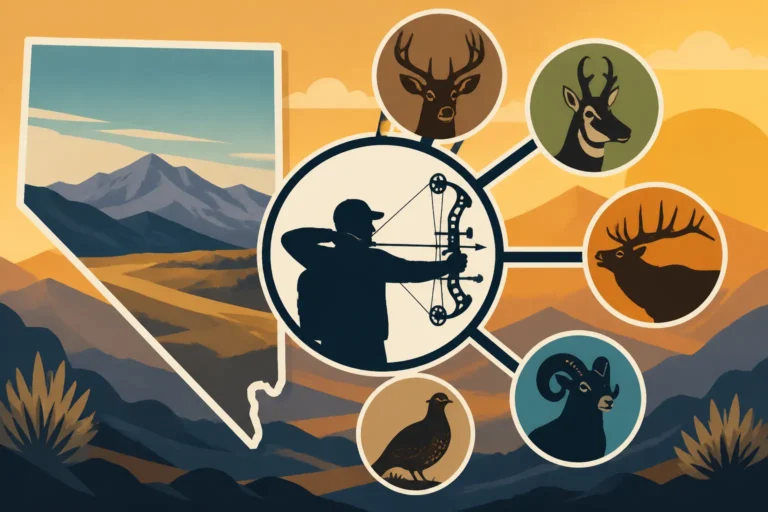
Nevada operates on a bonus point system, but it's one with a unique twist that truly sets it apart from other states. Instead of just adding your points to your name, Nevada actually "squares" your bonus points, giving you an exponential increase in draw odds with each passing year you're unsuccessful. This system is a huge incentive to keep applying, even if you don't draw immediately. This unique mechanic means that while every application matters, consistency is key to building up those valuable points. You can learn more about how Nevada's squared bonus points work to understand the power behind this system. The draw is the primary mechanism for allocating limited big game tags for species like mule deer, elk, bighorn sheep, and pronghorn, making the application period a high-stakes affair.
Why March Isn't Just "Opening Day"
While March marks the opening of the application period, it's not a "first-come, first-served" situation. The Nevada Department of Wildlife (NDOW) gives hunters a generous window to submit their applications, usually stretching into May. So, while you technically can apply on the very first day in March, there’s no inherent advantage to doing so. The real importance of March is that it signals the official start of the process, allowing ample time for hunters to finalize their hunt choices, verify their information, and submit their applications without feeling rushed. It's the green light to get all your ducks in a row for the upcoming season. However, waiting until the last minute can lead to technical glitches, forgotten details, or unexpected issues, so getting started in March provides a comfortable buffer.
Getting Ready for the Application Window
The official opening of applications in March is just one piece of the puzzle. Smart hunters know that preparation begins long before the portal opens. Taking the time to get your affairs in order beforehand can save a lot of stress and potential heartbreak when the application window is actually live. It's about setting yourself up for success and avoiding those last-minute scrambles that often lead to mistakes.
Setting Up Your NDOW Account Early
If you're new to Nevada hunting or haven't applied in a while, the very first step is to ensure your NDOW account is active and up-to-date. This means verifying your contact information, hunter education details, and ensuring you can log in without a hitch. Nothing is more frustrating than hitting a forgotten password wall or finding an outdated email address when you're trying to apply for that dream tag. You should also make sure you understand who Nevada's 1960 hunter education rule covers, as this is a common point of confusion for new applicants. NDOW's online system is generally robust, but like any digital platform, it can have its quirks. Get familiar with it well before the season.
Gathering Necessary Information and Licenses
Before you can even think about selecting units, you'll need to purchase your Nevada Combination License. This license is a prerequisite for applying for any big game tag, and it's essential to have it squared away before you even click that "apply" button. For nonresidents, it's critical to understand the cost of the Nevada Nonresident Combination License price, as this is a significant upfront investment. Beyond the license, ensure you have your hunter education certificate readily available, especially if you’re an out-of-state applicant needing to verify your course from another state. Gather all your personal details, including your social security number, which is often required for draw applications. Think of it as your hunting "go-bag" of documents – always ready.
Researching Units and Draw Odds
This is where the real fun begins for many of us, and where platforms like GoHunt really shine. Before the application even opens, dedicated hunters are already deep into researching specific units, analyzing past draw odds, and scouting potential hunting areas. Understanding why Nevada draw odds vary so much by unit is key to making informed choices. Look at historical harvest data, success rates, and the general quality of animals coming out of each unit. Tools like GoHunt's Insider service provide invaluable data and analytics that can help you strategize your choices. Consider factors like terrain, access, and the type of hunt you're looking for – whether it's a strenuous backcountry experience or something more accessible. This kind of thorough preparation is often the difference between a successful application strategy and just blindly throwing darts at a map. You can also research how many tags Nevada issues each year to get a sense of the competition.
Key Dates and Deadlines Beyond Opening Day
While March opens the application floodgates, it's crucial to remember that the application period is a multi-stage process with several important dates. Focusing solely on the opening day can lead to overlooking other critical deadlines that could jeopardize your entire hunting season. It's a marathon, not a sprint, and every marker on the course needs your attention.
| Event | Approximate Date Range | Key Action |
|---|---|---|
| Application Period Opens | Mid-March | Begin submitting big game applications. |
| Application Deadline | Mid-May | Last chance to submit or modify applications. |
| Draw Results Released | Late May / Early June | Check if you drew a tag. |
| Tag Fee Payment Deadline | Mid-June | Pay for drawn tags to avoid forfeiture. |
| Leftover Tag Sale | Late June / Early July | Opportunity to purchase unallocated tags (often first-come, first-served). |
| Point-Only Application | Early July | Option to purchase a bonus point without applying for a hunt. |
The Critical May Deadline
The application period for Nevada's big game draw typically opens around the third week of March, but the real crunch time comes with the application deadline in May. This is the absolute last day you can submit or modify your hunt choices. It’s not uncommon for the NDOW website to experience higher traffic on the final day, so it’s always a good idea to submit well in advance. Forgetting to submit or making a last-minute error could cost you a year of building those valuable bonus points, or worse, miss out on a tag you had a legitimate chance of drawing. Ensure you mark this date clearly on your calendar. You also want to be aware of what time Nevada applications close, as it's typically a specific hour, not just the end of the day.
What Happens After You Submit
Once you’ve hit that submit button, a wave of relief washes over you. But the process isn't entirely over. You'll typically receive a confirmation email from NDOW, which you should save. This email serves as proof of your application. After the deadline passes, NDOW begins the painstaking process of running the draw. This usually takes a few weeks, and the results are then posted online. Knowing when Nevada posts draw results is crucial so you can eagerly check your status. If you're successful, congratulations! If not, don't despair; your bonus points increase, setting you up for better odds next year. This waiting period can be agonizing, but it’s an unavoidable part of the limited-entry system.
Navigating the Nevada Online Application System
The online application system for Nevada can feel a bit intimidating if you’re not used to it, or if it’s been a year or two since your last application. But with a clear understanding of the steps and some foresight, it's a straightforward process. The NDOW portal is designed to guide you, but knowing what to expect can ease any apprehension.
Creating Your Hunt Choices
Nevada allows you to list up to five hunt choices for most big game species. This is where your research into specific units and draw odds truly pays off. You should prioritize your choices, listing your dream hunt as your first choice, followed by hunts with progressively higher draw odds or those that still appeal to you. It's important to understand how many hunt choices Nevada lets you list and to use them wisely. Don't waste a choice on a unit you have no intention of hunting, just to fill a slot. Every choice should be strategic. This is another area where resources from GoHunt or similar platforms can help inform your decision-making process by providing historical draw data and unit specifics. Remember, your bonus points apply to your first choice, increasing your odds there, but subsequent choices can still draw if your first is unsuccessful.
Managing Bonus Points and Group Applications
The Nevada bonus point system is a powerful tool, and you’ll want to ensure your points are correctly applied to your application. If you have a group application, it's essential to understand how Nevada averages points across a group, as this can affect your collective draw odds. Each member of a group needs to have a valid hunting license and their own NDOW account. Double-check that all group members are correctly linked in the application to ensure your points are calculated accurately. For those who aren't applying for a hunt but still want to build points, the option of buying a Nevada point-only application is a fantastic strategy to increase future odds without the commitment of applying for a specific tag that year. This is a common tactic for hunters focused on accumulating points for a truly premium tag.
Payment and Confirmation
The final step in the application process is payment. You'll pay a non-refundable application fee for each species you apply for, plus the cost of your hunting license if you haven't already purchased it. It's important to note that you typically do not pay the full tag fee unless you successfully draw. NDOW will charge your credit card only for the application fees at the time of submission. After payment, you should receive a confirmation number and email. As mentioned before, save this email! It's your record that the application was successfully submitted. This confirmation is crucial for any potential future inquiries or if you need to prove your application was sent on time. Always double-check your bank statement or credit card activity to ensure the transaction went through.
Strategizing Your Nevada Application
Applying for a big game tag in Nevada isn't just about filling out a form; it's a strategic game that can be heavily influenced by how you approach it. From understanding the unique point system to utilizing modern research tools, a well-thought-out strategy can significantly improve your chances of drawing a tag.
The Power of Nevada's Squared Bonus Points
Nevada's unique squared bonus point system truly sets it apart. Unlike other states where points are linear, in Nevada, your points are literally multiplied by themselves to determine your "chances" in the draw. So, if you have one point, you get one chance. Two points give you four chances. Three points give you nine chances, and so on. This means that accumulating points has a much more dramatic impact on your draw odds over time, rewarding persistence significantly. For instance, knowing how many chances four Nevada points buy can be a huge motivator to keep building those points. This system emphasizes that even if you don't draw a premier tag in your first few years, your odds are improving exponentially with each unsuccessful attempt. This makes the point-only application strategy a powerful tool for long-term planning, particularly for highly sought-after species like elk or bighorn sheep.
Research Tools and Resources
In today's digital age, hunters have access to incredible resources that were unimaginable just a couple of decades ago. Websites like GoHunt's Insider platform are invaluable for diving deep into draw odds, unit statistics, harvest reports, and detailed maps. They can help you sift through the data and make sense of complex draw odds, showing you precisely which units perform well and what your chances might be based on your bonus points. Beyond these specialized platforms, the NDOW website itself is a treasure trove of information, providing official season dates, regulations, and hunt unit boundaries. Reading a Nevada hunt unit before you apply, along with checking historical draw statistics, should be a mandatory step for any serious applicant. Utilizing these tools effectively is paramount to crafting a successful application strategy.
Considering Point-Only Applications
Sometimes, the best strategy for drawing a premium tag isn't to apply for a hunt every single year. For truly difficult draws, like those for trophy elk or bighorn sheep units, many experienced hunters choose to buy a Nevada point-only application. This allows them to accumulate a bonus point without committing to a specific hunt that year, often because their current point total might not give them realistic odds for their top-tier units. It's a long-game strategy that pays off in the future, increasing those squared bonus points for a better shot down the road. It ensures you don't miss out on increasing your chances while you wait for your points to grow to a competitive level for those dream hunts. This can be especially important for nonresidents, given the substantial investment involved.
Common Questions and Troubleshooting
Even with the best preparation, questions and unexpected issues can arise during the application process. Knowing how to handle common scenarios can save you a lot of stress and ensure your application is valid.
What if I Miss the Deadline?
Missing the Nevada application deadline in May is one of the most disheartening things that can happen to a hunter. Unfortunately, there's no grace period. Once the deadline passes, the application portal closes, and you simply cannot apply for that year's big game draw. There are no exceptions, even for technical glitches on your end. The only silver lining is that you still have the opportunity to purchase a bonus point through a point-only application later in the summer. This allows you to continue building your squared bonus points for future years, so all is not lost, but it does mean sitting out the big game draw for the current season.
Verifying Your Application Was Received
After you've submitted your application and clicked through all the confirmation screens, it's natural to feel a moment of doubt. Did it actually go through? The best way to verify your application was received is to check your email for the confirmation email from NDOW. This email will contain your application details and a confirmation number. If you don't see it within a few hours, check your spam folder. You can also log back into your NDOW online account and look for a record of your submitted applications. If you still have concerns, contacting NDOW directly is your next step, but be prepared for potential wait times during peak application periods. This is another reason to apply well before the May deadline – it gives you time to troubleshoot any issues.
Disclaimer
The information provided in this guide is for general informational purposes only and is subject to change. While we strive to provide accurate and up-to-date details, hunting regulations, season dates, and application processes can be modified by the Nevada Department of Wildlife (NDOW) at any time. Hunters are solely responsible for verifying all current regulations, deadlines, and requirements directly with NDOW before applying or engaging in any hunting activities.