Nevada Elk Muzzleloader Timing by Unit
Trying to figure out the exact timing for Nevada's elk muzzleloader seasons can feel like deciphering an ancient scroll, especially when you're dreaming of chasing those majestic bulls with a smoke pole. It's not just about knowing when the season generally opens; it's about pinpointing the specific units and their unique windows, which can make or break your application strategy. This comprehensive guide will break down the precise muzzleloader elk season timing by unit across Nevada, helping you understand the regulations and plan your hunt.
Understanding Nevada's Elk Muzzleloader Season Structure
Nevada's big game seasons, especially for elk, are a bit different than what you might find in other western states. They're meticulously structured, often broken down into very specific hunt codes tied to particular units or unit groups, and distinct weapon types like archery, muzzleloader, and rifle. For us muzzleloader enthusiasts, this means paying very close attention to the details, because the opportunities are often limited and highly coveted.
The Role of Specific Hunt Units
Nevada's landscape is vast and diverse, from the high desert sagebrush to towering mountain ranges, and each "hunt unit" or "unit group" reflects a unique piece of this puzzle. The Nevada Department of Wildlife (NDOW) manages elk populations unit by unit, setting quotas and season dates based on local herd health, habitat conditions, and hunter success objectives. This hyper-local approach means that while one unit might have a two-week muzzleloader season in late September, an adjacent unit could have a completely different timeframe, or no muzzleloader season at all. It's critical to remember that drawing one of these tags is often a once-in-a-lifetime opportunity for many hunters due to the state's bonus point system, making your unit selection paramount. Understanding how Reading a Nevada Hunt Unit Before You Apply is structured can give you a significant advantage.
Why Muzzleloader Seasons Are Unique
Muzzleloader seasons in Nevada are usually shorter and often fall between the more widespread archery and rifle seasons. This timing is intentional, designed to offer a unique hunting experience that often coincides with the tail end of the elk rut or the early post-rut period, depending on the unit and its specific timing. Hunters appreciate the challenge and the historical connection to hunting with a muzzleloader. The limited tags, coupled with the specialized equipment requirements—like specific caliber minimums and the rules around optics, such as whether Can You Use a Scope on a Muzzleloader?—contribute to the distinct character of these hunts. This niche timing can lead to some incredible encounters, but it also demands specific preparation and a deep understanding of the unit you're applying for.
Key Units and Their Muzzleloader Timing
When you're looking at Nevada's elk regulations, you'll notice a distinct pattern: certain units consistently offer muzzleloader opportunities, while others might reserve their tags for archery or rifle hunters exclusively. These muzzleloader units are often those with robust elk populations and habitat capable of supporting a specialized season. However, drawing a tag in these units requires not just luck, but a well-thought-out application strategy.
Northern Nevada Units
In northern Nevada, particularly in areas like the Ruby Mountains and associated ranges, you'll find some of the state's premier elk habitat. These units often boast good bull-to-cow ratios and the potential for true trophy animals. Muzzleloader seasons here typically align with the later part of September and sometimes into early October. For example, units around Elko, like the 07X, 06X, and some 10-series units, have historically offered muzzleloader hunts. The specific dates can vary annually, but generally, you're looking at a window where elk are still vocal or just transitioning from the rutting frenzy into their post-rut patterns. This timing can be fantastic, offering a chance to catch bulls still responsive to calls or actively seeking cows.
A great resource for staying on top of these shifting dates and historical draw odds is platforms like GoHunt, which compile a lot of the critical data you need for informed decisions. They often break down units and their harvest statistics, giving you a clearer picture of what to expect.
Eastern Nevada Units
Moving into eastern Nevada, units within the Schell Creek and Snake Ranges, as well as the Egan and White Pine Ranges (think units like 111, 115, 121, 131, 132), also present significant muzzleloader elk opportunities. These areas are characterized by vast public lands, deep canyons, and high-elevation plateaus that hold elk year-round. Here, the muzzleloader seasons might also start in late September, but can extend a bit further into October, especially for some of the later rifle hunts that might have an overlap with muzzleloader options. This slightly later timing can mean colder weather, but also potentially more predictable elk movement as they begin to consolidate into wintering grounds.
It's imperative to consult the current year's NDOW Big Game Seasons and Application Guide, as dates and even unit eligibility can shift. The information is updated annually, and small changes can have big impacts on your application.
Here's a simplified look at typical muzzleloader elk season timing for some common unit groups, but remember to always verify with the official NDOW regulations for the current year:
| Unit Group (Example) | Common Muzzleloader Window | Key Characteristics |
|---|---|---|
| 06X/07X/08X | Late September – Early October | Northern Nevada, often good rut activity, rugged mountain terrain. |
| 10X/11X | Late September – Mid-October | Central/Eastern Nevada, diverse habitat, potential for later rut activity depending on elevation. |
| 111/115/121/131/132 | Late September – Mid-October | Eastern Nevada, high elevation, vast public lands, colder weather potential. |
| 22X/23X | Mid-October (less common) | Southern Nevada, desert elk, highly specialized hunts, often shorter windows. |
This table provides a general overview, but you absolutely must dive into the specific hunt codes published by NDOW each year for precise dates.
Decoding Nevada's Hunt Codes for Muzzleloader Elk
The Nevada hunt code system can initially look like a jumble of numbers and letters, but it’s actually a very logical and efficient way for NDOW to convey a lot of information in a concise format. For muzzleloader elk hunts, understanding these codes is absolutely essential to ensure you're applying for the correct weapon type, species, and season.
Breaking Down the Code Elements
Each Nevada hunt code typically consists of several parts that signify the species, weapon type, unit or unit group, and the specific season dates. For instance, a code like "4132" for elk might break down as:
- First Digit (4): Often denotes the species, with 4 generally being elk.
- Second and Third Digits (13): Indicates the hunt unit or unit group (e.g., unit 13 or group 1-3).
- Fourth Digit (2): This is where the weapon type and season timing often come into play. A "2" might signify a muzzleloader hunt, while a "1" could be archery, and a "3" or "4" could be rifle. The specific numerical assignment for weapon type varies by species and year, so checking the current regulations is non-negotiable.
You might also see additional letters or numbers if there are specific antler restrictions (e.g., "A" for antlered, "B" for antlerless) or other unique hunt parameters. Learning Reading a Nevada Hunt Number Before You Apply is a skill every serious Nevada hunter needs to master. This level of detail is critical to avoid making a costly mistake on your application.
Unit Groups vs. Individual Units
Sometimes, NDOW will group several adjacent units together for a specific hunt, creating a "unit group." This means that if you draw a tag for that group, you can hunt in any of the included units. This can be a boon for hunters, offering more acreage and flexibility to find animals. However, individual units might also have their own distinct muzzleloader hunts. It’s important to understand whether your chosen hunt code applies to a single unit or a broader unit group, as this significantly impacts your scouting and hunting strategy. For example, some unit groups might offer extended seasons or slightly different success rates due to the expanded area. Knowing how to interpret these combinations will help you better understand the terrain you'll be covering and what to expect when E-Scouting a Nevada Unit Before the Season.
Strategies for Applying for Nevada Muzzleloader Elk Tags
Successfully drawing a Nevada elk muzzleloader tag is a long-shot for most, given the limited quotas and high demand. However, a well-informed application strategy, combined with patience and a bit of luck, can increase your chances over time. It's not just about throwing your name in the hat; it's about understanding the system.
Navigating the Application Process
The application window for Nevada's big game tags typically runs from late March to mid-May each year. You'll need to purchase a Nevada Combination License first, which is a prerequisite for applying for any big game tag. This license covers both hunting and fishing privileges and is a necessary first step before you even look at hunt codes. The combination license and tag application fees are non-refundable, so double-checking all your choices is paramount. Keep in mind that Nevada's Combination License Comes Before Any Tag you wish to pursue, and this initial cost is separate from the actual tag fee should you draw.
When applying, you'll typically list several hunt choices in order of preference. It's wise to research the draw odds for your desired muzzleloader elk units using resources like GoHunt or NDOW's own harvest statistics. While everyone wants that trophy unit, sometimes applying for a unit with slightly lower demand but still solid potential can increase your chances of drawing a tag.
Understanding Bonus Points and Draw Odds
Nevada employs a bonus point system designed to reward loyal applicants. For every year you apply for a species and are unsuccessful, you accrue a bonus point. These points are then "squared" when calculating your draw chances, giving long-term applicants a mathematically increased probability of drawing a tag. For example, if you have four points, you don't just get four chances; you actually get 16 chances (4×4) plus one for the current year's application, totaling 17 entries in the draw. This system, explained in more detail in articles like How Nevada's Squared Bonus Points Work, means that applying consistently is key to eventually drawing a highly sought-after tag like a muzzleloader elk hunt.
It's important to remember that points are species-specific, so elk points only help you draw an elk tag, deer points for deer, and so on. If you do draw a first-choice tag, your bonus points for that species are reset to zero. If you only draw a second or third choice, your points might be partially or fully retained, depending on the specific rules for that year. Always review the current regulations regarding point accrual and reset.
Preparing for a Nevada Muzzleloader Elk Hunt
Once you've successfully drawn that coveted Nevada muzzleloader elk tag, the real work of preparation begins. Nevada's terrain and conditions demand a unique approach to gear, physical fitness, and hunting tactics, especially when you're restricted to a muzzleloader.
Gear and Equipment Considerations
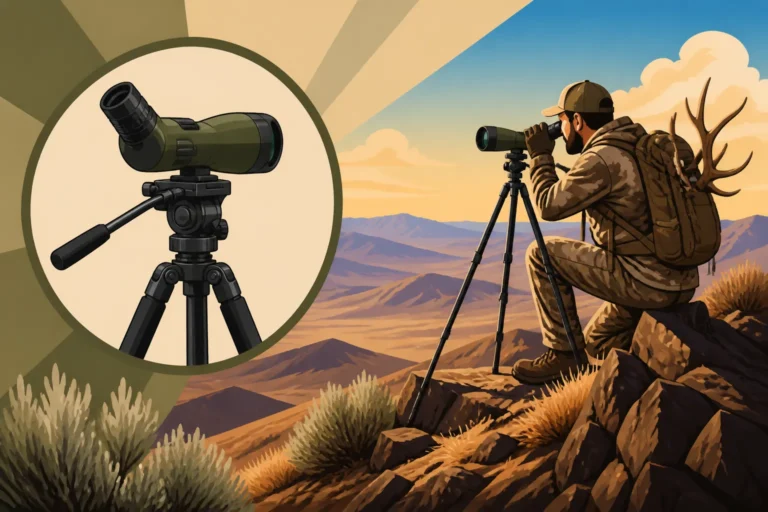
Muzzleloader hunting adds a layer of complexity to your gear list. Beyond your standard hunting essentials, you'll need to consider specific items for your muzzleloader itself. This includes your chosen rifle, powder, primers, and bullets. Pay close attention to Muzzleloader Caliber Minimums for Elk, as Nevada has strict regulations to ensure ethical hunting. Most hunters opt for at least a .50 caliber for elk, but always verify the minimums. Beyond the rifle, you'll need a reliable cleaning kit for the field, a loading block for quick reloads (because one shot might not be enough), and plenty of spare primers or caps. Optics, while potentially restricted on the muzzleloader itself, are absolutely critical for glassing in Nevada's vast, open country. A good spotting scope and binoculars are indispensable for locating elk at long distances before attempting a stalk.
Physical conditioning is paramount. Nevada's elk country is notoriously rugged, often requiring steep climbs, long walks across uneven terrain, and packing heavy loads out. Preparing physically for a high-country elk hunt will significantly improve your chances of success and your overall enjoyment of the experience.
Tactics for Muzzleloader Elk Success
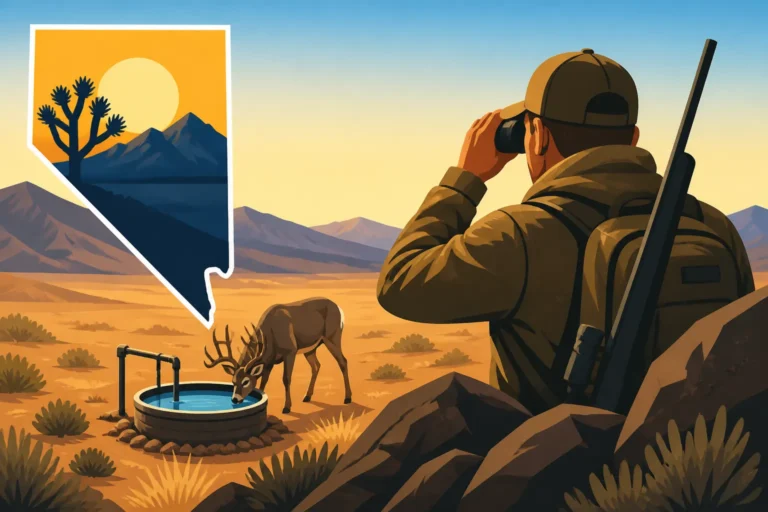
Muzzleloader elk hunts often coincide with the tail end of the rut or the early post-rut period. This means calling can still be effective, but you might need to adjust your strategy from aggressive bugling to more subtle cow calls or glunking. Learning to use Cow Calling Bulls in Thin Timber can be incredibly effective when bulls are less responsive to full-on bugles. Focusing on water sources during drier periods, or areas where elk transition between feeding and bedding, can also be productive. Since ranges can be significant, being proficient with your muzzleloader out to 150-200 yards is a huge advantage, but remember that clean, ethical shots are always the priority.
Always factor in the weather. September and October in Nevada can bring anything from scorching Indian summer days to early snowstorms. Layered clothing is essential for adapting to drastic temperature swings from dawn to dusk. Understanding the specific challenges of Heat Management on an August Archery Hunt might seem irrelevant for a fall muzzleloader hunt, but recognizing how quickly weather can change in the Nevada high desert is key to staying safe and comfortable.
Disclaimer
The information provided in this guide is for general informational purposes only and is subject to change. Hunting regulations, season dates, unit boundaries, and application procedures are determined by the Nevada Department of Wildlife (NDOW) and can be modified annually. Always consult the official NDOW Big Game Seasons and Application Guide for the current year, as well as any emergency orders or updates, before planning or participating in any hunting activity. Failure to do so may result in legal penalties.