Can You Use a Scope on a Muzzleloader?
It’s a question that trips up so many hunters, especially those new to Nevada or coming from states with different regulations: can you actually slap a scope on your muzzleloader? You might have bought that sleek new inline, thinking about those longer shots, only to realize the rules aren't as straightforward as they seem. This guide is here to untangle the confusion, walk you through Nevada's specific regulations, and help you understand the "why" behind the rules, so you can hunt legally and ethically.
The Nuance of Nevada's Muzzleloader Scope Regulations
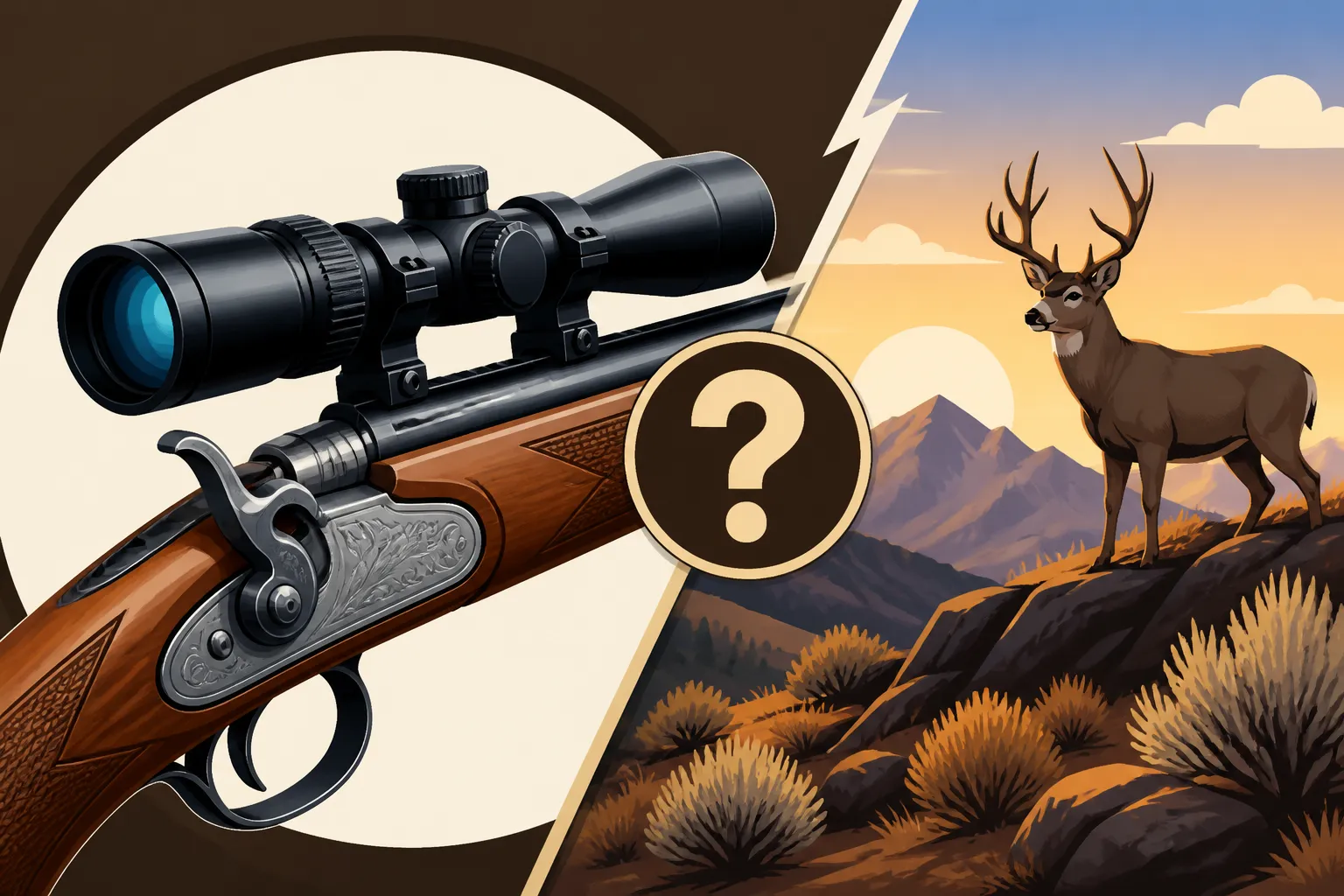
The short answer to "Can you use a scope on a muzzleloader in Nevada?" is often a resounding "No" for dedicated muzzleloader seasons, but it depends entirely on the specific hunt you've drawn or are participating in. This isn't just a casual guideline; it's a critical legal distinction that can mean the difference between a legal harvest and a serious violation. Many hunters get frustrated by the varying rules, especially if they’re used to more liberal setups in other states, but understanding the underlying intent helps.
"Primitive Weapon" vs. General Seasons
Nevada's hunting regulations are designed to offer a variety of experiences, from truly primitive hunts to more modern general firearm seasons. The key distinction often lies in the "primitive weapon" designation. When you see a hunt code that specifically calls for a "muzzleloader" or "primitive weapon," it almost universally means that optical sights, or scopes, are not permitted.
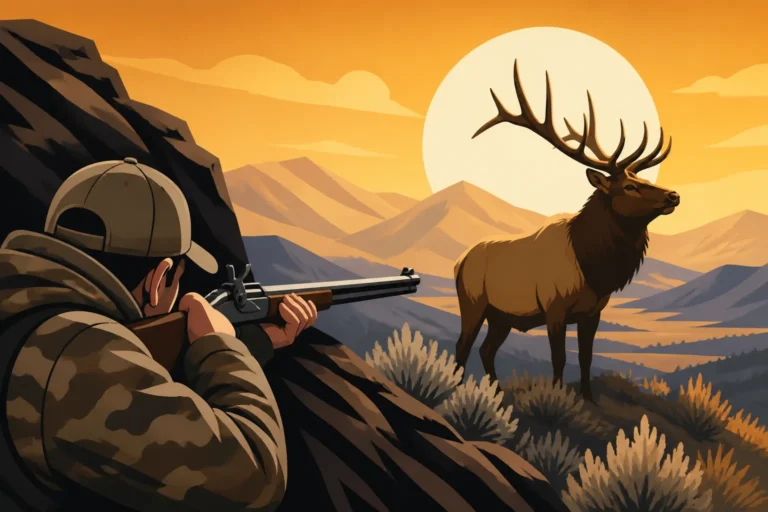
During these dedicated muzzleloader seasons, hunters are typically restricted to using open sights or iron sights. This regulation isn't arbitrary; it's rooted in the desire to preserve a more traditional hunting challenge, requiring hunters to develop different skills and get much closer to their quarry. If you've drawn a tag for one of Nevada's cherished muzzleloader deer seasons, or an elk hunt during its specific Nevada Elk Muzzleloader Timing by Unit, you'll need to leave the scope at home. This applies to most big game species during their designated muzzleloader-only periods.
However, if you're participating in a general firearm season, and your muzzleloader is your weapon of choice, then yes, a scope is typically permitted. These general seasons allow for a broader range of firearms, including modern rifles, shotguns, and muzzleloaders that meet the minimum caliber requirements. In these scenarios, your muzzleloader is simply another legal firearm, and the restrictions on optical sights are lifted. It's crucial to consult the current Nevada Department of Wildlife (NDOW) regulations for the specific unit and season you are hunting, as these details are updated annually and can vary.
Interpreting NDOW's Current Guidelines
Navigating state hunting regulations can feel like deciphering ancient texts sometimes, but it's absolutely non-negotiable for a legal hunt. The Nevada Department of Wildlife (NDOW) publishes a comprehensive "Big Game Seasons and Application Guide" annually, and this document is your bible. It clearly outlines weapon restrictions for each hunt code, species, and season.
When you're researching a hunt, pay close attention to the weapon type listed. If it says "Muzzleloader," then immediately check the accompanying text for specific rules about sights. NDOW's typical language for muzzleloader-only seasons will state something to the effect of "Only open or iron sights are permitted on muzzleloaders." There's no wiggle room there. Trying to use a scope, even a low-power one, during a primitive weapon season would be a violation.
For example, for deer, while there are specific When Nevada Muzzleloader Deer Season Runs that are primitive weapon hunts, if you happened to use a muzzleloader during a general rifle season, the scope would likely be legal. It's this level of detail that makes thorough research with resources like the NDOW guide, or even dedicated platforms like GoHunt, so vital. You don't want to show up on opening day only to find your carefully sighted-in scoped muzzleloader is suddenly illegal. Always double-check the year's regulations because things can change.
Why the Rules Matter: The Intent Behind Muzzleloader Seasons
The regulations regarding scopes on muzzleloaders aren't there to simply make your hunt harder; they're designed with a deeper purpose. They aim to provide diverse hunting opportunities and preserve certain aspects of the hunting tradition. This can be a point of contention for hunters who prioritize technological advantage, but it’s a crucial aspect of how game management agencies manage species and hunter experiences.
Embracing the Traditional Challenge
Dedicated muzzleloader seasons are often about embracing a different kind of hunting challenge. By restricting hunters to open sights, the rules inherently limit effective range, demanding a greater focus on stalking skills, wind reading, and patience. It forces you to get closer to your animal, often within 100-150 yards, which truly elevates the "hunt" in hunting. It harks back to an earlier era of hunting, before high-powered optics and long-range rifles became commonplace.
Many hunters who pursue these tags specifically seek that heightened challenge. They enjoy the satisfaction of closing the distance, of making a perfect shot with simpler tools, and of feeling a more direct connection to the historical aspects of hunting. It's a way to step away from the modern advantages and immerse oneself in a more "primitive" experience, despite the fact that modern inline muzzleloaders are far from truly primitive in their design. The spirit of the hunt in these seasons is about skill over technology, about the close encounter rather than the distant shot across a vast Nevada basin.
The Practical Impact on Shot Distance and Strategy
When you remove the scope from a muzzleloader, your effective range shrinks considerably for most hunters. While some exceptionally skilled individuals can make accurate shots with open sights out to 200 yards or more, for the vast majority, the comfortable and ethical range is much shorter – often 50 to 100 yards. This fundamentally changes how you approach a hunt.
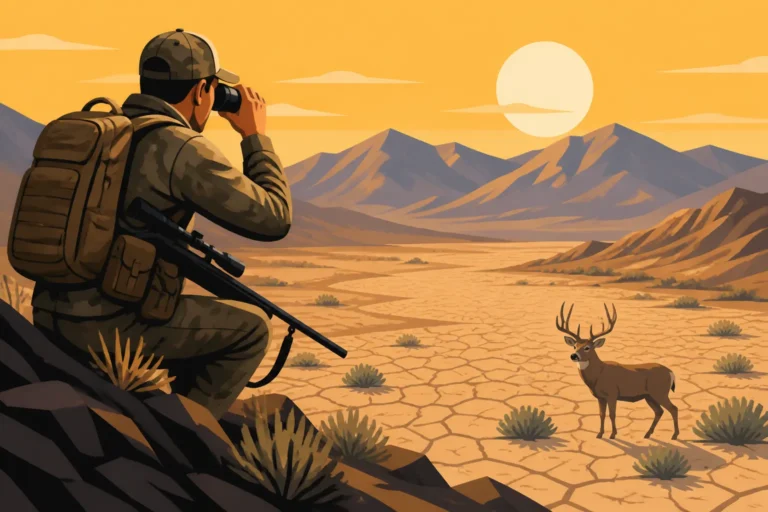
Instead of setting up for a potential 200-yard shot, you're constantly thinking about how to get within that crucial 100-yard bubble. This means more rigorous scouting to identify bedding areas, travel corridors, and feeding grounds. It means perfecting your stalking technique, paying meticulous attention to wind direction, terrain features, and breaking up your silhouette. You become a master of using draws and ridges to conceal your approach, understanding that every foot of gained ground is a victory. This shift in strategy can lead to incredibly rewarding hunts, as it forces you to engage with the landscape and the animal on a much more intimate level. It’s also why understanding things like Muzzleloader Deer Tactics in a One-Week Window becomes paramount, as the reduced effective range dictates a different, more hands-on approach.
When a Scope Might Be an Option and Choosing the Right One
Alright, so we've established that for Nevada's dedicated muzzleloader seasons, scopes are generally a no-go. But what about those general firearm seasons where your muzzleloader is simply another legal option? If you're using your muzzleloader in such a context, and scopes are permitted, then the world of optics opens up to you. Choosing the right scope for a muzzleloader has its own set of considerations, largely due to the unique characteristics of these firearms.
Scopes for General Firearm Seasons
In Nevada, if you're hunting during a general big game season where rifles, shotguns, and muzzleloaders are all legal, and there's no specific "primitive weapon" sight restriction, then mounting a scope on your muzzleloader is usually perfectly fine. This means you can take advantage of the increased accuracy and target acquisition that a good optic provides. For many, this makes their muzzleloader a much more versatile hunting tool, especially in the expansive, open terrain that defines so much of Nevada.
Think about the vast sagebrush flats or the wide-open slopes of the mountains; having a scope can greatly assist in quickly identifying game, judging distances accurately, and making a precise shot if the opportunity arises. This is particularly true for longer shots that might present themselves in such environments, though it's always critical to know your ethical range with your specific muzzleloader and load. While a modern rifle might be the Best All-Around Caliber for Open Country, a scoped muzzleloader can still be highly effective.
Key Considerations for a Muzzleloader Scope
When choosing a scope for a muzzleloader, you need to consider a few factors that might differ slightly from a centerfire rifle scope. Muzzleloaders, especially magnum loads, can produce significant recoil, which means your scope needs to be durable and hold zero reliably.
Here's what to look for:
- Durability and Recoil Resistance: This is paramount. Look for scopes designed to handle heavy recoil. A one-piece tube construction is often a good indicator of robustness. Brands known for ruggedness like Leupold, Vortex, and Bushnell are popular choices.
- Eye Relief: Muzzleloaders often produce more perceived recoil than a comparably powered centerfire. Good eye relief (3.5-4 inches) is critical to prevent "scope bite," especially with heavier loads.
- Fixed vs. Variable Power: Many muzzleloader hunters prefer lower magnification scopes, often in the 1-4x, 2-7x, or 3-9x range. Since most ethical muzzleloader shots are within 200 yards, extreme magnification isn't usually necessary. A variable power scope offers versatility, allowing you to dial down for close-range quick shots or crank up for a more precise longer shot.
- Reticle Type: A simple duplex reticle works well, but some hunters appreciate ballistic reticles or those with holdover points for different ranges, especially if they’ve extensively practiced with their load.
- Light Transmission: Nevada often means hunting at dawn and dusk. A scope with good light-gathering capabilities (larger objective lens, quality glass) can make a huge difference in those critical low-light conditions.
- Waterproofing and Fogproofing: The weather in Nevada can be unpredictable, from crisp mornings to sudden rain or snow. A nitrogen-purged, O-ring sealed scope is essential to prevent internal fogging and ensure performance in adverse conditions.
When researching and comparing options, checking out detailed reviews and specifications on platforms like GoHunt can provide invaluable insights into how different scopes perform in real-world hunting scenarios.
Mounting and Sighting in Your Muzzleloader Scope
Once you've picked your scope, proper mounting and sighting in are crucial. Muzzleloaders have different barrel configurations and recoil impulses than centerfire rifles, so attention to detail is key.
- Mounts: Use high-quality, sturdy scope rings and bases. A single-piece base can offer extra rigidity. Ensure everything is tightened to the manufacturer's recommended torque specifications. Many muzzleloaders come drilled and tapped for scope bases, but some might require a gunsmith.
- Bore Sighting: Start by bore sighting your muzzleloader to get it on paper. This can be done with a laser bore sighter or by visually aligning the bore with the target if your rifle allows.
- Range Time: This is where the real work happens. Muzzleloaders can be finicky, and loads often vary more than centerfire cartridges. You'll need to shoot multiple groups with your chosen powder charge, bullet, and primer combination to find what shoots best. Given the open terrain of Nevada, it's wise to zero your muzzleloader at a practical distance, perhaps 100 yards, and then understand your bullet drop at 150 and 200 yards. This might involve setting a Rifle Zero Distance for Long Sage Shots that balances trajectory and point of aim.
- Recoil Management: Practice shooting from various positions (prone, kneeling, sitting) and get comfortable with the recoil. Consistency is key for accuracy.
- Cleanliness: Muzzleloaders get dirty quickly. Understand how many shots your rifle can take before accuracy degrades, and factor cleaning into your range sessions and hunt preparation.
Adapting Your Approach for Muzzleloader Success
Whether you're hunting a primitive weapons season with open sights or a general season with a scoped muzzleloader, success in Nevada comes down to preparation, skill, and an understanding of the terrain. The vastness of the landscape demands a particular approach, especially when your effective range is more limited.
Mastering Open Sights for Primitive Hunts
If you've drawn one of those coveted muzzleloader-only tags, learning to shoot accurately with open sights is paramount. It’s a skill that many modern hunters rarely practice, but it's incredibly rewarding.
- Sight Picture: Focus on a clear front sight post, with the rear sight slightly blurred, and the target even more so. Practice acquiring a consistent sight picture quickly.
- Trigger Control: This becomes even more critical with open sights. A smooth, controlled trigger press minimizes movement and maximizes accuracy.
- Practice at Varying Ranges: Don't just practice at 50 yards. Work on 25, 75, and 100 yards to truly understand your muzzleloader's trajectory and your own limitations. Knowing your maximum ethical range under pressure is vital.
- Shoot from Hunting Positions: Practice shooting offhand, from kneeling, and using natural rests like rocks or your backpack. Getting a steady hold with open sights can be more challenging than with a scope, so practice makes perfect.
- Understand Holdovers: With open sights, you often can't adjust for different distances with turrets. You'll need to learn holdovers or hold-unders for various ranges.
- Light Conditions: Open sights can be tough in low light. Be aware of your visibility and limit your shots to situations where you have clear target definition.
Successfully How Long the Muzzleloader Deer Window Runs is often tied directly to how well you master these fundamentals.
Scouting and Stalking for Close Encounters
Regardless of your sight choice, muzzleloader hunting in Nevada is inherently a game of closing the distance. This means scouting and stalking are your most valuable skills.
- E-Scouting: Before you even leave home, spend hours with satellite imagery, topo maps, and tools like GoHunt or onX. Identify potential bedding areas, water sources, and travel corridors. Look for terrain features that could aid a stalk – draws, ridges, isolated patches of cover. Reading a Nevada Hunt Unit Before You Apply thoroughly, even before the season, is crucial.
- Boots on the Ground: Nothing beats preseason scouting. Walk the terrain, look for fresh sign, and verify the access you saw on maps. Understand the thermals and prevailing winds in different areas of your unit.
- Glassing, Glassing, Glassing: Nevada is a glassing state. Whether you're using a scope or not, you'll be spending a huge amount of time behind your binoculars and spotting scope. Learn to pick apart distant hillsides and understand Glassing Grids Across a Nevada Basin to systematically cover ground. This allows you to locate animals from a distance, assess them, and then plan your approach.
- Wind is King: Always, always, always play the wind. A mule deer or elk's nose is its primary defense. A single puff of wind in the wrong direction can undo hours of stalking. Carry a wind checker and use it constantly.
- Slow and Deliberate: Stalking is an exercise in patience. Move slowly, deliberately, using every piece of cover available. Avoid breaking the skyline. Pay attention to the ground underfoot – sharp volcanic rock or crunching sagebrush can give you away in an instant.
- Know Your Ethical Shot: Even with a scoped muzzleloader, know your limits. Practice extensively with your chosen load and only take shots you are 100% confident in. A wounded animal in the vastness of Nevada is a tragic outcome.
By combining meticulous scouting, strategic stalking, and a solid understanding of your muzzleloader's capabilities, you can have an incredibly successful and rewarding hunting experience in Nevada, regardless of the sight limitations. It's all about putting in the effort and embracing the challenge.
| Feature | Scoped Muzzleloader (General Seasons) | Open Sight Muzzleloader (Primitive Seasons) |
|---|---|---|
| Legality in NV | Typically legal in general firearm seasons | Mandated for dedicated muzzleloader seasons |
| Effective Range | Generally 100-200+ yards (with practice) | Typically 50-125 yards (highly skill-dependent) |
| Accuracy | Enhanced precision, easier shot placement | Requires significant practice and skill |
| Target ID | Easier at longer distances, better in low light | More challenging beyond 100 yards, difficult in low light |
| Recoil Impact | Requires durable scope & good eye relief | Less concern for scope bite, more about managing rifle's kick |
| Stalking Req. | Still important, but can afford slightly longer shots | Absolutely critical for close-range opportunities |
| Traditionalism | Less "primitive" feel | Embraces a classic, challenging hunting experience |
| Cost | Higher initial investment with quality scope | Lower initial cost, focus on rifle fundamentals |
Disclaimer
Please be aware that hunting regulations are subject to change. While this guide provides general information and best practices, it is absolutely essential to consult the most current Nevada Department of Wildlife (NDOW) regulations and season proclamations before heading afield. Always verify specific rules for your chosen hunt unit, species, and season. This information is for educational purposes only and should not be considered legal advice.