Taxidermy Referrals Your Outfitter Can Make
You’ve just wrapped up an incredible Nevada hunting adventure, maybe the hunt of a lifetime. The hard work is done, the animal is on the ground, and now you’re standing there, admiring your trophy, filled with pride and a little bit of anxiety. What do you do next to ensure those antlers, that hide, or that skull are preserved perfectly? Especially if you’re from out of state, navigating the world of taxidermy referrals can feel daunting, but a good Nevada outfitter can be your best ally in connecting you with reputable professionals, ensuring your cherished memories are expertly cared for and preserved for years to come.
The Value of an Outfitter's Local Connections for Taxidermy
Bringing down a magnificent animal in Nevada's vast and rugged landscapes is an achievement, but the work isn't truly over until your trophy is on its way to being immortalized by a skilled taxidermist. For many hunters, especially those traveling from afar, the immediate aftermath of a successful hunt can be a whirlwind of adrenaline, packing out, and logistics. That's where a seasoned Nevada outfitter truly shines, offering invaluable local connections that can make all the difference in the preservation of your trophy.
Why Local Knowledge Matters for Trophy Care
Think about it: your outfitter spends their entire season, year after year, working with hunters who harvest animals. They see firsthand how different taxidermists handle capes, skulls, and antlers. They hear feedback, both good and bad, and they develop long-standing relationships with the artists who consistently deliver quality work and handle hunter expectations professionally. This isn't just about finding any taxidermist; it's about finding one who understands the unique challenges of working with animals harvested in Nevada's specific environment, whether it's the tough hide of a desert mule deer or the thick coat of a high-country elk. A local taxidermist often has a better grasp of state regulations regarding trophy transport, CWD testing requirements, and even the nuances of working with local game species.
Furthermore, an outfitter’s referral usually means a taxidermist who is accustomed to dealing with hunters coming off the mountain. They understand the need for quick, efficient processing of capes and antlers, especially if you've harvested an animal in warm conditions. When you're Field Dressing in August Heat, getting that cape cooled and prepped quickly is paramount to avoiding hair slip and ensuring a high-quality mount. A referred taxidermist will be ready for this, often having dedicated facilities to handle the initial stages of preservation immediately upon arrival from your hunt. They’re also likely familiar with the various ways hunters wish to display their trophies, from shoulder mounts to full pedestals, and can guide you through those choices with expertise.
Streamlining Logistics for Out-of-State Hunters
If you've ever tried to coordinate the transport of a cape, skull, or antlers across state lines, you know it can be a logistical headache. Rules and regulations for interstate transport of game animal parts can vary widely, and getting it wrong can lead to costly delays or even confiscation. This is where an outfitter's referral becomes a true game-changer. They can connect you with a taxidermist who is experienced in preparing trophies for shipment, ensuring all necessary permits and packaging requirements are met. This often means the taxidermist will handle the entire process of getting your trophy ready for a commercial shipper or for you to personally transport it home.
Imagine wrapping up an incredible elk hunt in the Ruby Mountains, your bull safely down, and the challenging task of Packing an Animal Out of Roadless Country now behind you. The last thing you want is to then worry about how to get that magnificent cape and antlers home to your preferred taxidermist several states away. Your outfitter can bridge that gap, making introductions to a local taxidermist who can properly skin, salt, and prepare the cape, clean the skull, and secure the antlers for transport. They often have established relationships with shipping companies, too, ensuring your trophy makes its journey safely and legally. This can save you countless hours of research, phone calls, and potential stress, allowing you to focus on the memories of your hunt rather than the administrative burden. Understanding What a Fully Guided Nevada Elk Hunt Includes will often highlight that while the hunt is covered, the final disposition of your trophy usually involves these additional, but crucial, steps.
What to Expect from an Outfitter's Taxidermy Referral
When your outfitter suggests a taxidermist, it's usually more than just a random name from a phone book. These are often established relationships built on trust, quality, and reliability. Understanding the nature of these referrals can help you set realistic expectations and ensure a smooth process.
Understanding Referral Networks and Partnerships
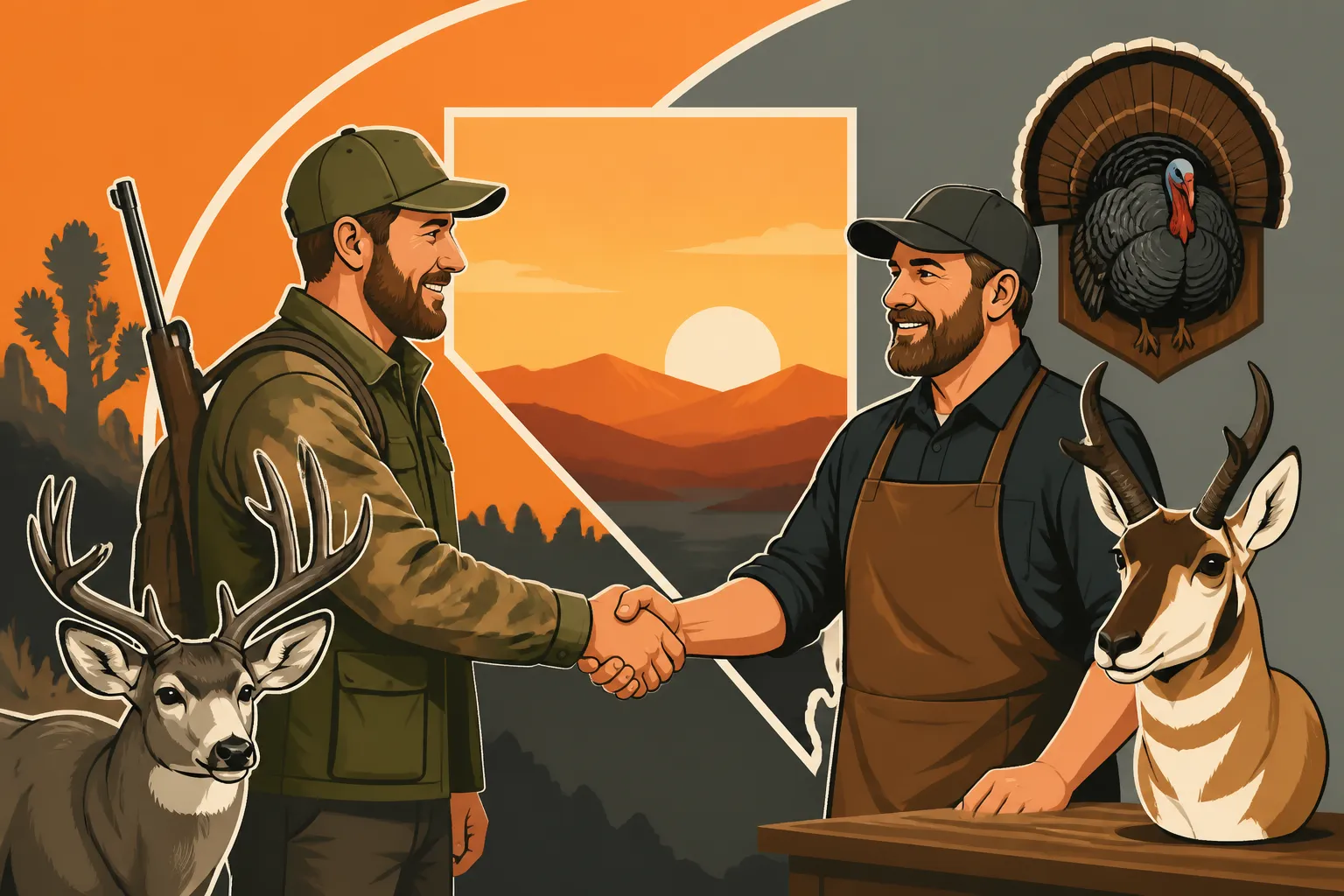
Outfitters often develop a network of trusted professionals, including taxidermists, meat processors, and even local mechanics for those remote hunting vehicle issues. When they refer a taxidermist, it's typically someone they've worked with repeatedly and whose work they trust. These relationships might even involve informal partnerships where the taxidermist prioritizes work from the outfitter’s clients or offers consistent communication about the status of your trophy. This often means you're stepping into a proven system, rather than taking a gamble on an unknown entity.
Sometimes, an outfitter might have a preferred taxidermist located conveniently close to their base camp or staging area, making drop-off seamless. Other times, they might refer you to someone slightly further afield if that particular taxidermist specializes in a certain type of mount or species. For example, if you’ve taken a truly exceptional desert bighorn, they might know a taxidermist renowned for their sheep mounts. These referrals are typically a service they provide to ensure client satisfaction from start to finish, not just during the hunt itself. It’s important to clarify upfront whether the outfitter simply provides contact information or if they facilitate the initial drop-off of your trophy at the taxidermy shop. In some cases, especially with larger operations or those listed on platforms like GoHunt or BookYourHunt, they might have formal agreements with taxidermists to ensure a seamless experience for their clients.
Discussing Costs, Turnaround, and Shipping Logistics
While an outfitter’s referral is incredibly helpful, remember that taxidermy services are almost universally separate from your hunting package. It's crucial to understand What Outfitter Prices Almost Never Include, and taxidermy is at the top of that list. Your outfitter might be able to give you a ballpark figure based on past clients' experiences, but the exact cost will need to be discussed directly with the taxidermist. This conversation should cover the type of mount you desire (shoulder, half-life, full-life, European skull mount), any custom details, and the total fee. Don't be shy about asking for a detailed quote.
Turnaround time is another critical factor. Quality taxidermy takes time, often a year or more, especially for detailed mounts or during peak hunting seasons. Be sure to ask the referred taxidermist for their current estimated completion time. They should also be transparent about their payment structure—do they require a deposit, and if so, how much? What are the payment milestones? Finally, if you're an out-of-state hunter, discuss the Shipping Capes and Horns Home logistics in detail. The taxidermist should be able to explain their process for preparing the finished mount for shipment, including crating, insurance, and chosen carriers. They should also inform you of any additional costs associated with shipping. A good taxidermist will walk you through these steps clearly, alleviating much of the concern for hunters who are unfamiliar with the process.
| Service | Typically Included in Outfitter Package | Requires Separate Arrangement/Cost | Key Discussion Points |
|---|---|---|---|
| Guide Services | Yes | No | Daily rate, species, hunt duration |
| Lodging/Meals | Often (check package) | No | Camp amenities, food quality |
| Field Dressing | Yes | No | Initial processing, meat care |
| Meat Processing | No | Yes (usually) | Cut & wrap, smoking, shipping |
| Taxidermy Prep (field care) | Yes (basic) | No | Skinning, caping, salting basics |
| Full Taxidermy Work | No | Yes | Mount type, cost, turnaround |
| Trophy Shipping | No | Yes | Crating, carrier, insurance, cost |
| Transportation during hunt | Yes | No | Vehicle type, pick-up points |
| Licensing/Tags | No | Yes | Combination license, tag fees |
Vetting the Referral: Your Due Diligence
Even with a trusted outfitter's recommendation, it's always wise to perform your own due diligence. This is your trophy, a lasting memory of your hunt, and you want to ensure it's in the best hands.
Questions to Ask the Referred Taxidermist
Once your outfitter provides a referral, make direct contact with the taxidermist. This is your opportunity to ask specific questions and get a feel for their professionalism and artistic style. Here are some key questions to consider:
- Experience and Specialization: How long have you been in business? Do you specialize in certain species or types of mounts (e.g., mule deer shoulder mounts, full-body elk)? Have you worked with animals from Nevada before?
- Portfolio: Can you share photos of your past work, especially of the species I harvested? Seeing their previous mounts will give you a good indication of their quality and style.
- Trophy Care Procedures: What is your process for preparing the cape and skull? Do you tan hides in-house or send them to an external tannery? What measures do you take to prevent damage or deterioration? This is especially important for proper Getting Meat Cooled on an Early Season Hunt, as proper field care directly impacts the taxidermist's ability to produce a high-quality mount.
- Payment and Contract: What are your payment terms (deposit, installments, final payment)? Do you have a written contract outlining services, costs, and timelines?
- Turnaround Time: What is your current estimated turnaround time for a mount of my species and type?
- Shipping and Handling: If I’m from out of state, how do you handle shipping the finished mount? What are the typical costs and insurance options? What are the Evidence of Sex Requirements on a Carcass that I need to be aware of for transport?
- References: Can you provide references from recent clients, particularly those who have shipped mounts out of state?
These questions will give you a comprehensive understanding of their services and help you determine if they're the right fit for your trophy.
Making Your Final Decision for Trophy Preservation
After speaking with the referred taxidermist and perhaps comparing them to one or two others you've researched (or if your outfitter has given you a couple of options), it's time to make your decision. Consider not just the cost, but also the quality of their work, their communication style, and your overall comfort level. Look for attention to detail in their portfolio, realistic eyes, natural expressions, and clean finishing work. Prompt and clear communication is also a strong indicator of professionalism.
If you’re still feeling uncertain, don't hesitate to ask your outfitter for further input or clarification. They often have valuable insights into the taxidermist's work ethic and reliability. Remember, this is an investment in preserving your hunting memory, so take your time and choose wisely. Whether you found your outfitter through a service like BookYourHunt or perhaps via a direct referral, they should remain a resource for you in making these crucial post-hunt decisions. Your ultimate goal is a beautiful, lasting tribute to your successful Nevada hunt.
Beyond the Referral: Preparing Your Trophy for the Taxidermist
A taxidermist, no matter how skilled, can only work with the material you provide. The initial field care of your trophy is absolutely critical to the final quality of the mount. Even if you're using an outfitter's referral, understanding these steps is paramount.
Field Care: The First Critical Steps
The moment your animal is down, the clock starts ticking, especially in warmer temperatures. Proper field care begins immediately. This involves gutting the animal to allow the carcass to cool, and then carefully skinning for the desired mount. For a shoulder mount, you'll need to leave plenty of cape—a good rule of thumb is to cut well behind the shoulder, leaving enough hide to drape over the chest and forelegs. This gives the taxidermist ample material to work with, which is always better than too little.
When making your cuts, be clean and precise. Avoid unnecessary nicks or cuts to the hide, as these can be difficult to hide during the mounting process. For the head, skin carefully around the eyes, ears, and mouth, taking your time to avoid cutting through the eyelids or lips. The ears should be skinned all the way to the cartilage tips. If you're unsure about caping, and your outfitter or guide is present, ask for their assistance. Many guides are skilled at caping for taxidermy and can ensure it's done correctly. This attention to detail in the field, even when you're elated from the harvest, directly impacts the quality of the final mount. Consider carrying a small, dedicated caping knife and sharpener as part of The Gear List Your Outfitter Will Send to ensure you're prepared.
Caping and Salting: Ensuring Quality Preservation
Once the cape is removed, the next crucial step is proper preservation, particularly if there will be any delay before it reaches the taxidermist. The most common and effective method is salting. First, thoroughly flesh the cape, removing as much meat and fat as possible from the underside of the hide. This is often the most labor-intensive part of the process, but absolutely vital for proper salt penetration and preventing spoilage. Fat, especially, can cause hair slip.
After fleshing, liberally apply non-iodized salt (fine-grain is best) to the entire flesh side of the cape, ensuring every inch is covered. Pay extra attention to thicker areas like the neck and around the ears. Rub the salt in well. Fold the cape, flesh side to flesh side, and let it sit for 24-48 hours. The salt will draw out moisture. After this initial salting, shake off the wet salt, and apply a fresh, generous layer of dry salt. This second salting is very important. At this point, the cape can be rolled up and placed in a breathable bag (like a game bag, not plastic) and kept cool and dry until it can be delivered to the taxidermist. If you’re in a remote The Logistics of a Horseback Drop Camp or far from civilization, Satellite Communication From a Hunting Camp can be used to coordinate pick-up or transport options for your trophy, ensuring it gets to care quickly. Freezing is also an option for shorter periods if a freezer is readily available and the cape is properly fleshed and rolled. Always consult with your taxidermist beforehand regarding their preferred method of initial preservation.
Disclaimer
This article is for general informational purposes only and does not constitute professional advice. Laws, prices and regulations vary by location and change over time. Consult a qualified professional for guidance on your specific situation.