What Semi-Guided Actually Means on a Hunt
The world of guided hunts can feel like a maze, especially when you start encountering terms like "semi-guided." It's enough to make your head spin, leaving you wondering exactly what you're paying for and what you're still on the hook to figure out yourself. This guide is here to untangle that confusion, breaking down precisely what a semi-guided hunt typically entails in the rugged, expansive country of Nevada, so you can decide if it's the right fit for your next adventure.
Deconstructing the "Semi-Guided" Concept
Let's be honest, the term "semi-guided" can be a little vague. It hints at help, but not full help, leaving a lot to interpretation. For many hunters, especially those new to Nevada's vast public lands, understanding this middle ground is crucial to setting proper expectations and avoiding disappointment. It's not a DIY hunt, but it's certainly not the full-service experience of a traditional guided trip either.
The Spectrum of Support: From DIY to Fully Guided
To truly grasp what "semi-guided" means, it helps to visualize a spectrum of hunting support. On one end, you have the pure Do-It-Yourself (DIY) hunt. This is where you, the hunter, are responsible for absolutely everything: scouting, travel, gear, food, camp, finding game, field dressing, packing out, and navigating all the rules and regulations. It's the ultimate test of self-reliance and often the most budget-friendly option, though it comes with the most unknowns, especially in a new area. If you're considering this end of the spectrum, you might find valuable insights in Planning a DIY Public Land Hunt in Nevada.
On the opposite end, you have the fully guided hunt. Here, an outfitter or guide handles nearly every aspect of your trip. They've scouted, they know where the game is, they provide transportation to the hunting grounds, set up comfortable camps, cook your meals, help you locate and stalk animals, assist with field dressing, and even help pack out your harvest. This is the most hands-off experience for the hunter and usually the most expensive, offering a high level of expertise and convenience.
Semi-guided sits squarely in the middle. It's designed for hunters who want some professional assistance and local knowledge, but still desire a significant amount of independence and hands-on involvement in their hunt. It's often a stepping stone for those transitioning from DIY to more supported hunts, or for experienced hunters looking for a local edge without the full price tag.
Key Characteristics of a Semi-Guided Hunt
When an outfitter advertises a semi-guided hunt in Nevada, you can generally expect a few common elements. These hunts are built on the premise of providing crucial support and information, while leaving the daily hunting execution largely in your hands.
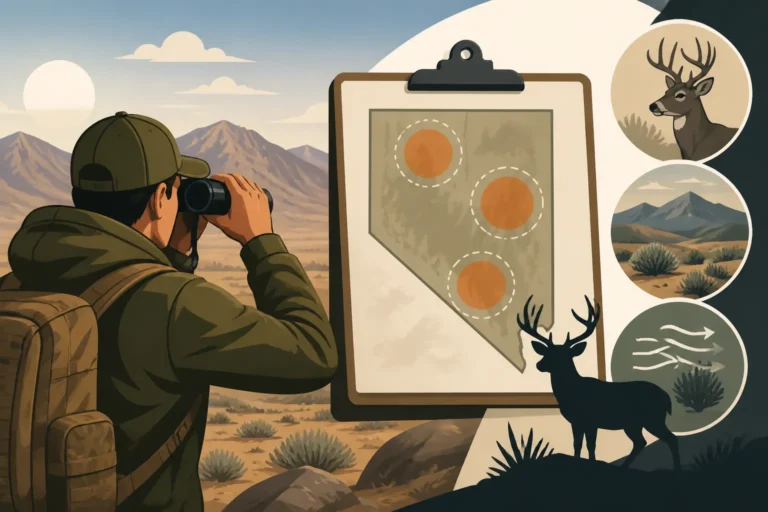
First and foremost, a significant part of a semi-guided hunt revolves around information and logistics. The outfitter usually provides pre-scouted areas, maps, and intel on game movement, water sources, and access points. They might drop you off at a pre-set camp or a specific location with a good chance of finding game. You're getting the benefit of their local knowledge and months of scouting without paying for them to walk every step with you.
Secondly, partial support for camp and equipment is common. This could mean the outfitter sets up a comfortable wall tent camp for you, complete with cots, a stove, and cooking equipment. They might even haul in your water and some non-perishable food items. However, you're typically responsible for your own personal gear, cooking your own meals, and maintaining the camp during your stay. This differs significantly from a full-service camp where meals are prepared for you.
Lastly, limited in-field assistance defines the "semi" part. Don't expect a guide to be by your side for every stalk or to call in animals for you. Instead, they might meet you at the beginning of the day to suggest areas to hunt, check in with you periodically via radio or satellite phone, or retrieve your animal once you've made the harvest. The actual hunting – the tracking, stalking, and shooting – is yours to manage. This approach offers a fantastic opportunity for hunters to hone their skills and truly feel like they "earned" their animal, but with a safety net of professional support.
What a Semi-Guided Hunt Typically Provides in Nevada
Nevada's vast, often remote landscape makes a semi-guided hunt particularly appealing for many. The sheer scale of the units, the extreme terrain, and the often-sparse populations of big game can be incredibly daunting for an uninitiated hunter. A semi-guided service tries to bridge that gap, giving you a serious leg up without robbing you of the full hunting experience.
Scouting and Pre-Hunt Information
This is arguably one of the most valuable aspects of a semi-guided hunt in Nevada. Imagine rolling into a unit you've never seen before, with hundreds of square miles of sagebrush and mountains, and trying to locate a specific animal. It's like finding a needle in a haystack. Outfitters, especially those listed on platforms like BookYourHunt or discovered through advanced mapping tools like GoHunt, spend countless hours throughout the year scouting their permitted units.
For a semi-guided hunt, this translates into critical pre-hunt information. You can expect:
- Detailed Maps and Waypoints: The outfitter will often provide maps, either physical or digital (for your GPS device), marked with areas where they've seen game, bedding areas, water sources, and good glassing knobs. They might point out specific ridges to focus on or drainages where bucks like to hide. This is invaluable for breaking down an overwhelming amount of country into manageable chunks.
- Game Movement Intel: Nevada's deer and elk can be incredibly patterned around water, feed, and escape routes. An outfitter will have a good understanding of current game movements, recent sightings, and what pressure they're experiencing. This intel can help you refine your daily strategy, especially if you're trying to time your hunt around the When the Mule Deer Rut Actually Starts or looking for active elk wallows.
- Access Advice: Knowing which roads are passable, which gates are locked, and where private land begins and public land ends is critical in Nevada. Outfitters will guide you on the best access points for the areas they've identified, saving you hours of frustrating dead ends or potential trespassing issues.
This level of pre-scouted knowledge means you're not starting from scratch. You're hitting the ground with actionable intelligence, which drastically improves your odds compared to a purely DIY approach. Many outfitters excel at providing detailed What Preseason Scouting Reports Include that can jumpstart your hunt planning.
Camp Setup and Logistics
The logistics of setting up a comfortable, functional camp in Nevada's backcountry can be a monumental task. From hauling in water and supplies to ensuring you have adequate shelter against unpredictable weather, it's a lot of work. A semi-guided hunt often takes a significant portion of this burden off your shoulders.
Here's what you might expect:
- Pre-set Camps: Many semi-guided services include a pre-established camp. This often means sturdy wall tents with wood stoves, cots, and perhaps a designated cooking area. The outfitter drives everything in, sets it up, and makes sure it's comfortable before you arrive. This frees you up from needing to haul in large camping gear and spend your precious hunting time pitching tents. You can read more about what these types of arrangements might include in What a Nevada Drop Camp Actually Includes.
- Water and Fuel Delivery: In the arid Nevada landscape, water is gold. Hauling enough water for several days in a remote camp can be a huge chore. Outfitters often deliver potable water to camp and might even provide propane for cooking or generator fuel if they're running a larger setup. This logistical support is a game-changer for staying hydrated and comfortable.
- Emergency Communication: While you're responsible for your daily hunting, the outfitter usually maintains communication with you. This might be via satellite phone, two-way radio, or a daily check-in schedule. This provides a crucial layer of safety, especially when you're far from cell service in Nevada's remote units. It’s always smart to have your own Satellite Messenger Use in Remote Country plan, but knowing your outfitter has one too is reassuring.
It's important to clarify the specifics of what's provided for camp. For instance, while they might provide cooking equipment, you're almost always bringing and preparing your own food. This is a key difference from a fully guided experience.
Support During the Hunt (and its limitations)
This is where the "semi" truly comes into play. You won't have a guide shadowing your every move, but you're not completely alone either. The level of in-field support can vary, so it's vital to have a clear understanding with your outfitter upfront. When you're asking Questions Worth Asking Before You Book, make sure to dive deep into this.
Typical in-hunt support might include:
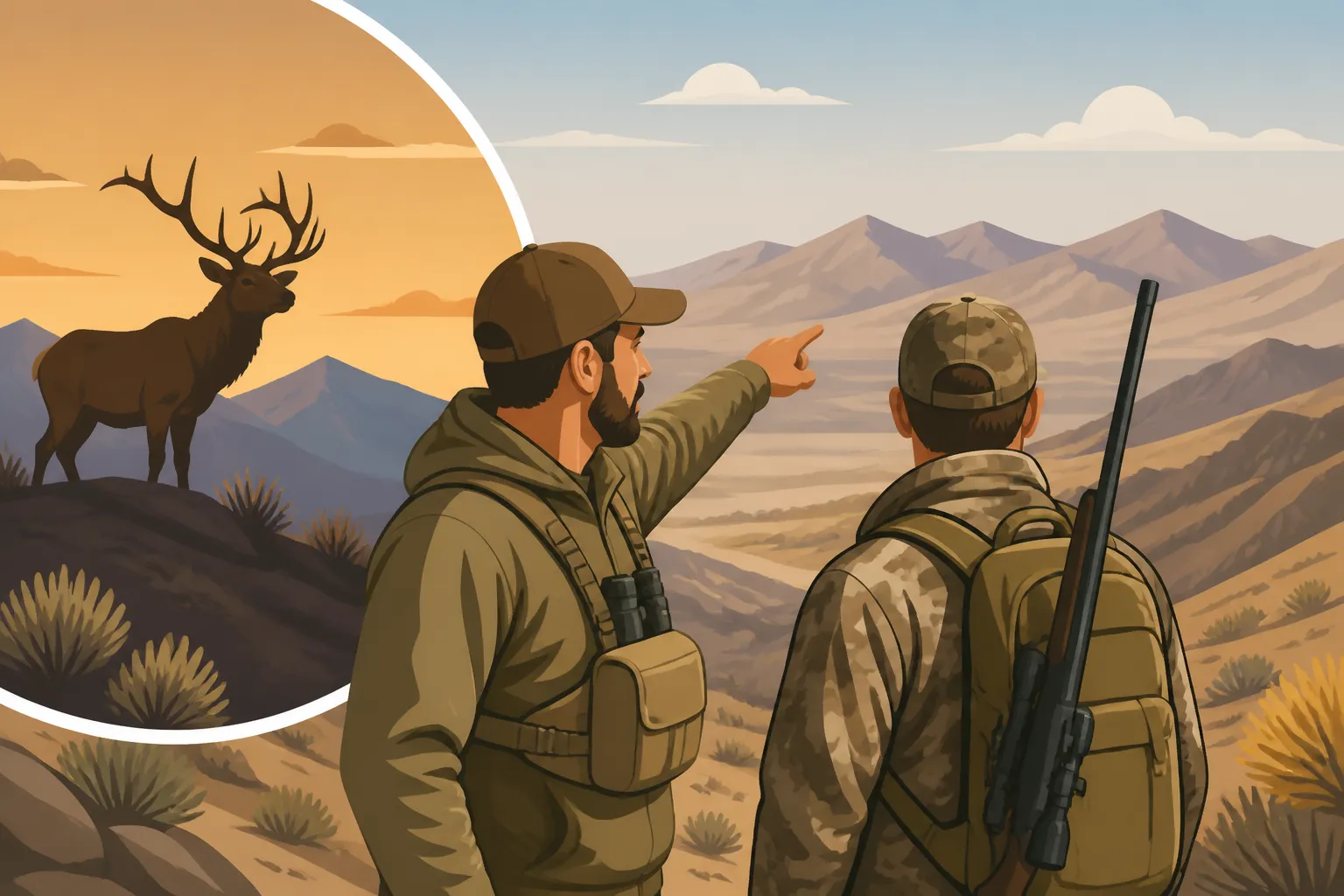
- Daily Check-ins and Strategic Advice: The outfitter might meet you at a designated spot each morning or evening to discuss your plans, review your success, and offer strategic adjustments based on recent observations or weather changes. They might suggest a different ridge to glass or a new canyon to explore based on what they've seen or heard from other hunters.
- Animal Retrieval Assistance: This is a big one, especially in Nevada's rugged terrain. Once you've successfully harvested an animal, many semi-guided services will assist with retrieval. This could mean driving a truck to a reachable location, bringing in an ATV, or even providing horses or mules for a pack-out from particularly difficult areas. Packing an animal out of roadless country, especially a large mule deer or elk, can be back-breaking work, and this support is incredibly valuable. Knowing your outfitter can help with Packing an Animal Out of Roadless Country can make all the difference in where you feel comfortable hunting.
- Limited Tracking/Spotting: Some semi-guided options might offer brief periods of spotting or tracking assistance if you're struggling to locate game in a particular area, or if you've wounded an animal and need help with the recovery. However, this is usually on an "as-available" basis and not a guaranteed, continuous presence. It's a helping hand, not a continuous guiding service.
What it doesn't typically include is someone walking with you, glassing for you, or making the decisions on the ground. You're the one making the stalks, judging the animal, and pulling the trigger. This is a crucial distinction and what makes it appealing to hunters who want to develop their skills and still have a sense of accomplishment.
The Pros and Cons of Choosing a Semi-Guided Hunt
Deciding on a semi-guided hunt means weighing the balance between assistance and independence. It’s a choice that offers a unique blend, but it’s not for everyone. Understanding the advantages and disadvantages can help you determine if this hybrid approach aligns with your hunting style and expectations for a Nevada adventure.
Advantages: Cost, Independence, and Learning
There are compelling reasons why many hunters opt for a semi-guided hunt, especially in a state as challenging as Nevada.
- More Affordable Than Fully Guided: This is often the primary driver. Fully guided hunts, especially for coveted species like Nevada elk or bighorn sheep, can carry a hefty price tag. Semi-guided options significantly reduce the financial commitment by minimizing the guide's direct in-field time. You're paying for their expertise and logistics, not their constant presence, making a tag in Nevada feel more accessible. You'll find these price differences reflected in comparisons like Drop Camp Against Semi-Guided Hunts.
- Greater Independence and Personal Satisfaction: For many hunters, the essence of the hunt is the challenge and the self-reliance. A semi-guided hunt allows you to make your own decisions, execute your own stalks, and truly feel like you've earned your animal. You're not being "babysat." This fosters a deeper connection to the experience and can be incredibly rewarding. It allows you to implement your own Hunting the Post-Rut Migration for Big Bucks strategies or Using Draws and Rims to Close Distance tactics.
- Learning Opportunity: Being responsible for the daily hunting decisions forces you to learn and adapt. You'll gain invaluable experience in reading terrain, understanding animal behavior, and making on-the-fly decisions in a new environment. The outfitter's initial intel and daily check-ins act as a high-level coaching session, accelerating your learning curve far beyond what a pure DIY hunt might offer, especially if you're working on Judging a Mule Deer Buck at Distance or Reading Antelope Body Language on a Stalk.
- Access to Prime Areas: Outfitters often have permits to operate in specific, desirable units that might be difficult for an individual hunter to access or navigate effectively. Their knowledge of these areas, combined with their ability to set up comfortable camps in remote locations, opens up opportunities that might otherwise be out of reach.
Disadvantages: Self-Reliance and Potential for Misunderstanding
While semi-guided hunts offer many benefits, they also come with their own set of potential drawbacks. It’s crucial to go into one with your eyes wide open and a realistic understanding of your own capabilities.
- Requires Significant Self-Reliance: This is the flip side of independence. You need to be physically capable, proficient with your weapon, and have a solid grasp of basic hunting and navigation skills. If you get turned around in the vast sagebrush, it's on you to figure it out. If you wound an animal, you might be tracking it mostly solo until the outfitter can assist. This isn't a hunt for beginners who need constant supervision. You'll need to be prepared for Preparing Physically for Long Glassing Days and carrying enough Water You Must Carry on a Desert Day Hunt.
- Potential for Miscommunication: Because the level of support is nuanced, there's a higher chance for misunderstandings between the hunter and the outfitter. What "pre-scouted" means to one might mean something entirely different to another. This is why asking detailed questions about every aspect of the hunt before booking is absolutely critical. Don't be shy about asking your outfitter to explain How Outfitters Plan Emergency Evacuations or what their specific in-field communication protocols are.
- Less Direct Guiding/Coaching: If you're looking for someone to patiently teach you how to read sign, call game, or execute a perfect stalk, a semi-guided hunt might fall short. The outfitter is there to facilitate your hunt, not to provide continuous instruction. If you need that hands-on coaching, a fully guided trip or even a Two-Hunter Calling Setups That Actually Work scenario with a dedicated guide might be a better fit.
- Still a Significant Investment: While cheaper than a fully guided hunt, a semi-guided trip is still a considerable expense compared to a purely DIY hunt. You're paying for convenience and expertise, so you want to ensure the services provided are truly what you need and expect for that investment. Always review the Reading the Cancellation and Refund Terms carefully.
Ultimately, the success of a semi-guided hunt heavily relies on good communication between you and the outfitter, and an honest assessment of your own hunting experience and self-sufficiency.
When a Semi-Guided Hunt Makes Sense (and when it doesn't)
A semi-guided hunt is a fantastic option for a specific type of hunter and particular scenarios. It's not a universal solution, and understanding if you fit the profile can save you a lot of heartache and money.
Ideal Candidates for Semi-Guided Hunts
If you nod along to most of these points, a semi-guided hunt in Nevada might just be your perfect fit:
- Experienced DIY Hunters Looking for an Edge: You've cut your teeth on plenty of public land hunts, maybe even in other Western states. You're confident in your hunting skills, navigation, and physical endurance. However, you're new to Nevada or applying for a premium unit and want local knowledge to maximize your odds without sacrificing the thrill of the "do-it-yourself" element. You know the importance of Glassing Grids Across a Nevada Basin but want a head start on where to apply that technique.
- Hunters with Limited Time: You might have the skills, but not the luxury of endless scouting trips. A semi-guided hunt bypasses the need for extensive pre-season reconnaissance, allowing you to show up, get the crucial intel, and start hunting immediately. This is especially true if you're traveling a long distance for a Nevada Elk Rifle Hunts Stretch From October Into December tag.
- Budget-Conscious Hunters Seeking More Than DIY: You want more support than a pure DIY hunt, particularly with camp logistics or animal retrieval, but a fully guided trip is simply out of your price range. A semi-guided option provides a happy medium, allowing you to access remote areas and professional insights at a more accessible cost.
- Hunters Seeking Adventure with a Safety Net: Nevada's backcountry can be unforgiving. If you love the challenge of remote hunting but appreciate having professional backup for emergencies, communication, and heavy lifting after a successful harvest, a semi-guided hunt offers that reassurance. This includes having someone who understands Heat Management on an August Archery Hunt and how critical it is for early season success.
- Physical Limitations or Unique Access Needs: Perhaps you or a hunting partner have a physical limitation that makes a full pack-out challenging, or you require specialized vehicle access to reach certain areas. A semi-guided service can often provide the specific assistance needed to overcome these hurdles, making a dream hunt possible. This could also be a consideration if you're looking at The Logistics of a Horseback Drop Camp as part of your support package.
Situations Where Other Options Might Be Better
Conversely, a semi-guided hunt isn't the best choice for everyone. Consider these scenarios where you might be better off with a different type of hunting experience:
- First-Time Hunters (Especially in the West): If you're brand new to big game hunting or have limited experience, especially in the vast, open, and physically demanding terrain of Nevada, a semi-guided hunt might throw you in the deep end. You'll likely benefit more from the constant supervision, instruction, and hands-on guidance of a fully guided trip. You need someone right there to help you with Reading Wind on a Long Sage Stalk or Deciding on a Buck Before He Moves.
- Hunters Who Prefer Minimal Responsibility: If your ideal hunt involves showing up, being led to animals, having meals cooked, and not worrying about logistics, then a fully guided hunt is what you're looking for. A semi-guided hunt still requires you to be actively involved in the day-to-day operations and decision-making.
- Hunters Expecting Guaranteed Success: While outfitters provide a significant advantage, a semi-guided hunt is not a guarantee of success. You're still the one doing the hunting. If you're investing heavily and absolutely need an animal in the truck, a reputable fully guided outfitter with a strong track record might offer a higher probability (though never a guarantee) because of their continuous presence and ability to adapt in real-time.
- Hunters Who Crave Complete Solitude: While you'll be hunting independently, you'll still be interacting with the outfitter for check-ins, advice, and camp logistics. If your definition of a perfect hunt is total isolation from any other human support or contact, then a well-planned DIY hunt, where you control every single variable, is likely your best bet.
- Budget Hunters on a Shoestring: If every dollar counts and you're truly trying to do the hunt as cheaply as possible, even a semi-guided hunt might be too much. For absolute budget hunting, a carefully researched and meticulously planned DIY trip, taking care of all expenses and logistics yourself, will always be the least expensive option.
When choosing, be honest about your skills, expectations, and budget. There's a perfect hunt for everyone out there, and knowing the nuances of "semi-guided" can help you find yours in the Silver State.
Comparing Hunt Support Options in Nevada
To help clarify the differences we've discussed, here's a quick overview of what you can generally expect from different levels of hunt support in Nevada. Remember, these are broad generalizations, and it's always critical to discuss specific services with any outfitter you consider.
| Feature | DIY Hunt | Semi-Guided Hunt | Fully Guided Hunt |
|---|---|---|---|
| Scouting | 100% hunter responsibility | Outfitter provides pre-scouted areas & intel | Outfitter handles all scouting & in-field direction |
| Camp Setup | 100% hunter responsibility | Outfitter sets up camp, provides some amenities | Outfitter sets up, maintains, and stocks camp |
| Meals | Hunter buys & cooks all meals | Hunter buys & cooks own meals (outfitter might supply water) | Outfitter plans, prepares, and cooks all meals |
| In-field Guide | None | Limited support (daily check-ins, advice, retrieval) | Guide with hunter at all times |
| Animal Retrieval | 100% hunter responsibility | Outfitter assists with retrieval (truck, ATV, pack stock) | Outfitter handles all retrieval logistics |
| Local Knowledge | Hunter must research extensively | Outfitter shares detailed local expertise | Outfitter applies continuous local expertise |
| Cost | Lowest | Moderate | Highest |
| Independence | Highest | Moderate to High | Lowest |
| Physical Demands | Very High (all tasks on hunter) | High (daily hunting, some camp tasks) | Moderate (focus on hunting, guide assists) |
This table should give you a clearer picture of where a semi-guided hunt fits in and help you determine if its blend of support and independence aligns with what you're looking for in your next Nevada hunting adventure.
Disclaimer
This article is for general informational purposes only and does not constitute professional advice. Laws, prices and regulations vary by location and change over time. Consult a qualified professional for guidance on your specific situation.