How BLM Nevada Issues a Joint Permit
Navigating the world of guided hunts in Nevada can feel like deciphering a cryptic map, especially when you consider that much of the state's prime hunting ground falls under federal jurisdiction. For an outfitter, it's not enough to simply have a state license; they often need a separate permit from agencies like the Bureau of Land Management (BLM) to operate legally on public land. This guide will peel back the layers of that process, specifically detailing how the BLM in Nevada issues what's known as a joint permit, ensuring both hunters and guides understand the intricacies involved.
The Dual Licensing Challenge for Nevada Guides
Imagine dedicating your life to understanding Nevada's vast landscapes, mastering the art of guiding hunters to their dream animals, and then discovering that your state-issued guide license isn't the only piece of paper you need. This is a common reality for many outfitters. The complexity stems from the fact that while the state of Nevada regulates who can be a guide, the federal government controls who can operate a business on the immense tracts of public land it manages. It’s a hurdle that competent guides clear, but it’s certainly something a client should understand.
State vs. Federal Requirements
The Nevada Department of Wildlife (NDOW) is responsible for issuing hunting guide licenses. This is where an individual proves their competency, ethical standards, and legal eligibility to lead hunts. They'll go through an application process, perhaps take an exam, and demonstrate an understanding of the state's hunting regulations and safety protocols. Once they have that shiny state license in hand, they're officially recognized as a guide in Nevada. However, that license doesn't grant them automatic permission to set up camp, drive clients, or conduct commercial operations on every acre of Nevada's hunting country.
Here's where the federal layer comes in. With How Much of Nevada Is Public Land being managed by agencies like the BLM and the U.S. Forest Service, these lands have their own rules for commercial activities. Think of it like needing both a driver's license (state) and a special permit to operate a commercial tour bus (federal) on public roads. Without both, you're not fully legal. This dual requirement often surprises new guides and can be a point of confusion for hunters who are used to simpler regulations in other states. It’s a critical distinction to grasp.
Why Federal Land Permits Exist
The Bureau of Land Management, or BLM, manages a staggering amount of land across Nevada—more than 48 million acres, in fact. These lands are held in trust for the public and are designated for multiple uses, including recreation, grazing, mining, and, yes, hunting. When a commercial enterprise, such as a hunting outfitter, wants to conduct business on these lands, the BLM requires a Special Recreation Permit (SRP).
Why do they do this? It's not just about collecting a fee, though fees are certainly part of the equation and help fund land management efforts. More fundamentally, these permits allow the BLM to:
- Manage visitor impact: Commercial operations can bring increased traffic, waste, and resource use. Permits help the BLM track and mitigate these impacts.
- Ensure public safety: By vetting commercial operators, the BLM can ensure that guides are qualified and insured, protecting clients and other public land users.
- Allocate resources fairly: In popular hunting units, limits might be placed on the number of commercial outfitters to prevent overcrowding and maintain a quality experience for all users, including DIY hunters.
- Protect natural resources: Permits often come with stipulations regarding vehicle use, camp locations, and waste disposal, all aimed at preserving the health of the ecosystem.
It’s about responsible stewardship of public lands. When a guide operates under a federal permit, it signifies that they've agreed to adhere to specific operational guidelines designed to protect the land, its wildlife, and the experience of everyone who uses it.
Understanding BLM's Special Recreation Permit (SRP) System
The Special Recreation Permit (SRP) is the foundational document that allows commercial and organized group activities to take place on BLM-managed lands. It's a broad category that covers everything from mountain biking tours and photography workshops to, you guessed it, guided hunting trips. For hunters seeking to book an experience in Nevada, understanding this permit system is key to ensuring they choose a legitimate and ethical operator.
What is an SRP and Who Needs One
At its core, an SRP is an authorization document issued by the BLM that grants permission for specific activities on federal lands. If an activity involves a fee, generates income, or is organized by a third party, it generally falls under the commercial use category and requires an SRP. For hunting, this explicitly means any individual or business charging clients to guide them on BLM land needs one. It's not optional; it's a legal requirement.
Outfitters need to demonstrate that they have the appropriate state licenses, insurance, and a sound operating plan. The BLM isn't just handing these out; they're looking for professional, responsible operators who understand their commitment to public land ethics. They want to see that the guide knows the Motorized Travel Rules on Nevada Public Land and understands concepts like Wilderness Study Area Vehicle Limits. This vetting process ultimately benefits the hunter, providing a layer of assurance that their guide is operating within legal and ethical boundaries.
Types of Commercial Permits
While the term "Special Recreation Permit" is overarching, the BLM often categorizes commercial permits based on the nature and scope of the activity. For hunting outfitters, the most common type would be an "Outfitting and Guiding" permit. These permits can be issued for varying durations:
- Temporary permits: For short-term, single-event activities.
- Annual permits: Renewed yearly, often after a review of the previous year's operations.
- Long-term permits: Sometimes issued for established businesses with a proven track record, though these are less common for general hunting.
The key takeaway for hunters is that their chosen outfitter should hold a valid, current SRP for commercial guiding. It's not just a nice-to-have; it's a non-negotiable legal requirement for operating on these federal lands. Without it, the guide is technically trespassing, and any hunt they conduct is in violation of federal law. This is why when you're doing your due diligence, asking about this permit is just as important as asking about references.
The Joint Permit Process: A Streamlined Approach
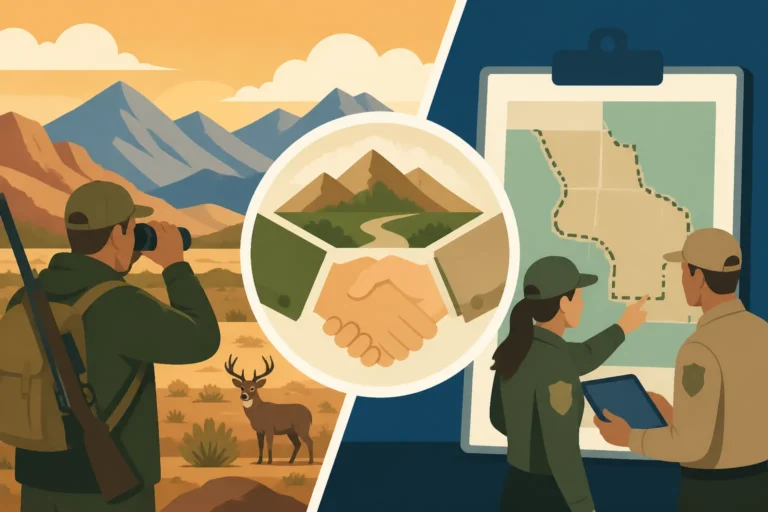
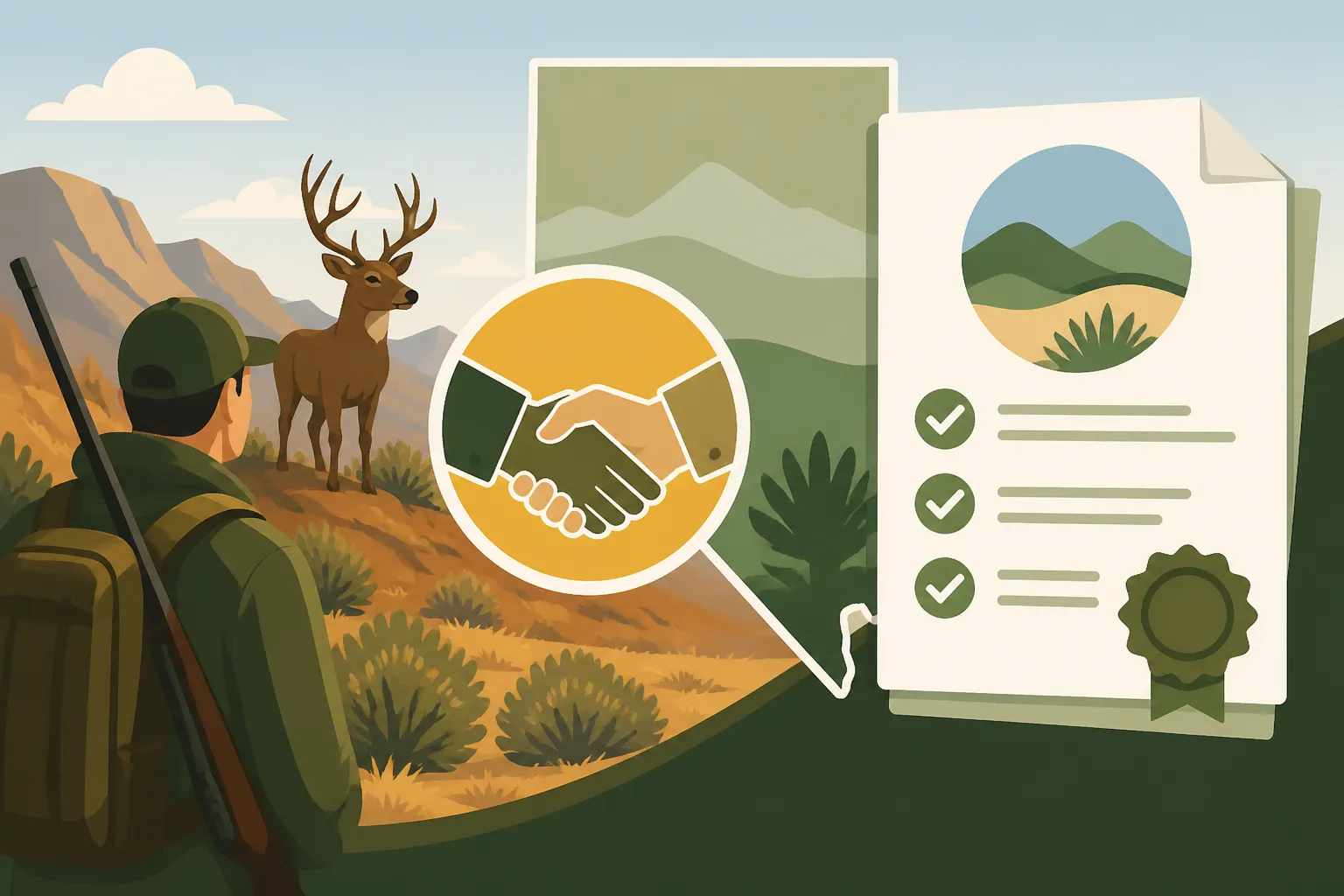
Recognizing the administrative burden on guides who had to deal with both state and multiple federal agencies, the Nevada Department of Wildlife (NDOW) and the Bureau of Land Management (BLM) developed a cooperative system. This collaboration aims to simplify the process, creating a "joint permit" that covers both the state and federal requirements in a more efficient manner. This is a huge win for guides, saving them time and effort, and ultimately benefiting the hunting community by promoting legitimate operations.
NDOW's Role in BLM Joint Permits
NDOW plays a pivotal role in this joint permit system. Instead of an outfitter having to apply separately to NDOW for their state license and then to each relevant BLM field office for their federal permit, NDOW acts as a central hub for part of the process. Essentially, when a guide applies for or renews their state guide license with NDOW, the department can then forward necessary information or facilitate the BLM's permit issuance.
This doesn't mean NDOW grants the BLM permit itself, but rather it streamlines the data exchange and helps ensure that the guide has met the foundational state requirements before the federal agency reviews their application. Think of it as NDOW giving a "green light" from the state perspective, which then allows the BLM to proceed with their specific federal land management review. NDOW ensures the guide is legally sound within Nevada, then the BLM ensures their operations are sound on federal lands. This collaboration means outfitters only need one point of contact for much of the initial paperwork and verification. This helps explain Why Nevada Guides Need Federal Permits on Top of a State License.
Benefits of the Joint Permit System
The joint permit system offers several clear advantages for both guides and, indirectly, for the hunters they serve:
- Reduced bureaucracy: Guides spend less time navigating two separate application processes and submitting redundant information. This saves them valuable time and resources they can put back into scouting, client relations, and improving their services.
- Improved compliance: By simplifying the process, there's a greater likelihood that all guides will obtain the necessary permits, leading to more ethical and legal operations across the state. This helps to level the playing field and ensures all outfitters are operating under the same set of rules.
- Clearer oversight: The cooperative effort allows both NDOW and the BLM to have a more comprehensive view of guiding operations, which can lead to better management of hunting resources and public lands. If there's an issue, both agencies are more easily able to coordinate.
- Enhanced professional standards: For hunters, seeing a guide operating under a joint permit confirms they've met both state and federal requirements. It's a stamp of legitimacy and professionalism. When you're looking for a guide, always ask about their permitting. Questions to Ask a Nevada Outfitter should definitely include this.
Ultimately, this joint system is designed to make it easier for legitimate operators to do business while maintaining high standards for land and wildlife stewardship. It’s a pragmatic approach to managing public land use for commercial purposes in a state where public lands are so integral to the hunting experience.
Applying for a BLM Joint Permit
While the term "joint permit" suggests a simplified process, it's still a rigorous application that requires careful attention to detail. Outfitters are essentially asking permission to run a commercial enterprise on public land, and the BLM takes this responsibility seriously. The process involves more than just filling out a form; it's about demonstrating a comprehensive understanding of their operational impact and commitment to responsible land use.
Initial Steps and Documentation
For an outfitter in Nevada, the journey to obtaining a BLM joint permit typically begins with ensuring all state requirements are met. This means holding a current and valid Nevada Guide License from NDOW. Without this foundational state license, the federal permit application won't even get off the ground.
Once the state license is in order, the guide will gather a range of documentation, which commonly includes:
- Proof of Insurance: Liability insurance is mandatory to protect both the guide's clients and the federal government in case of an accident. The coverage limits need to meet BLM's specific requirements.
- Operating Plan: A detailed description of how the outfitter intends to conduct their business. This isn't just a vague outline; it covers everything from proposed hunt units, types of game pursued, duration of hunts, number of clients, and even their approach to Heat Management on an August Archery Hunt or Packing an Animal Out of Roadless Country.
- Client Information: While not always required at the initial application stage, an outfitter must demonstrate how they plan to manage client numbers and safety.
- Financial Capability: Proof that the business is financially sound enough to operate responsibly.
- Emergency Procedures: A clear plan for handling medical emergencies, lost clients, or other unforeseen incidents in remote backcountry settings.
The key here is thoroughness. Any missing information or vague descriptions can delay the application significantly. The BLM wants to see a well-thought-out, professional approach to operating on public lands.
Working with the Appropriate BLM Field Office
Nevada is a big state, and the BLM has multiple field offices, each responsible for specific geographic areas. A guide doesn't apply to a single statewide BLM office; they must apply to the specific field office that manages the public land where they intend to conduct their hunts. This is a critical step, and getting it wrong can cause major delays.
For example, if an outfitter plans to guide elk hunts in the Ruby Mountains near Elko, they'd work with the Elko Field Office. If their primary focus is mule deer in central Nevada's vast basins, they might be dealing with the Battle Mountain or Tonopah field offices. Understanding Which District Office a Master Guide Applies To is vital.
The process usually involves:
- Contacting the field office: Initiating communication with the recreation or outdoor recreation planner at the relevant BLM office. They can provide the most current application forms, specific requirements for their district, and any local nuances.
- Submitting the application: Providing all required documentation, including the operating plan and insurance certificates.
- Site visits or meetings: Sometimes, a BLM ranger or recreation planner might want to meet with the applicant or visit proposed operating areas to better understand the scope of the planned activities.
This localized approach allows the BLM to manage resources and commercial use effectively at a regional level, tailoring permit stipulations to specific environmental and recreational considerations of that particular area.
Operating Plans and Environmental Review
The operating plan is arguably the most crucial component of a BLM joint permit application. This document details precisely how the outfitter will conduct their business on public lands. It's not just a formality; it's a commitment.
What's typically included in an operating plan?
- Hunt Units and Species: Explicitly listing the Nevada hunt units where the outfitter will operate and the species they will pursue. This ties directly into the state licensing.
- Season Dates: Specifying the dates of operation, often aligned with Nevada Rifle Deer Season Timing or Nevada Elk Muzzleloader Season Timing.
- Number of Clients and Guides: Stating the maximum number of clients they'll take per trip and the number of guides working. This impacts group size and potential impact.
- Vehicle Use: Detailing the types of vehicles used, designated routes, and adherence to Motorized Travel Rules on Nevada Public Land. This is especially important in areas with Wilderness Study Area Vehicle Limits.
- Camping Strategy: Where camps will be established, how waste will be managed, and adherence to Camping Rules on Nevada BLM Ground. Leave No Trace principles are paramount.
- Food, Water, and Waste Management: How they'll handle provisions, ensure clean water, and dispose of human and solid waste responsibly to prevent pollution and minimize impact.
- Client Education: How clients will be briefed on ethical hunting, safety, and public land etiquette.
In some cases, depending on the scale and location of the proposed operations, the BLM might conduct an environmental review. This assessment evaluates potential impacts of the commercial activity on natural and cultural resources. This isn't always a separate, lengthy process, but it underscores the BLM's commitment to ensuring commercial use doesn't degrade the public lands they manage. It's another layer of protection for the environment that hunters value.
Ongoing Responsibilities and Compliance
Earning a BLM joint permit isn't a "set it and forget it" situation. It comes with ongoing responsibilities that ensure the outfitter continues to operate ethically, safely, and in alignment with federal land management objectives. It’s a continuous commitment to good stewardship, not just a one-time approval.
Annual Reporting and Fees
Once a permit is issued, it typically needs to be renewed annually or for the term specified. This annual renewal process often requires:
- Usage Reports: Outfitters must submit reports detailing their actual operations from the previous year. This includes the number of clients served, the number of days spent on BLM land, and sometimes even harvest success information. This data helps the BLM understand actual use patterns and adjust future management plans.
- Annual Fees: There are usually annual permit fees, often calculated based on the gross revenue generated from activities on federal lands. These fees contribute directly to the management and maintenance of the very public lands the outfitter uses. They are a tangible way that commercial users support the resource.
- Updated Documentation: Providing current proof of insurance, updated operating plans if there have been significant changes, and ensuring all state licenses remain valid. This ensures that the guide remains compliant with all requirements year after year.
This annual cycle ensures accountability. It allows the BLM to track commercial activity, collect necessary fees, and verify that the outfitter continues to meet the standards set forth when the permit was first issued. For a hunter, it means that an outfitter who has held a permit for many years is likely a consistent, reliable operator.
Adhering to Permit Stipulations
Beyond the general rules and regulations that apply to all public land users, a BLM permit often comes with specific stipulations tailored to the outfitter's operation and the particular resources of the area. These stipulations are legally binding and are crucial for the long-term health of the land and wildlife.
Common stipulations might include:
- Designated Routes and Areas: Limiting vehicle travel to existing roads and trails, prohibiting travel in sensitive habitats, or restricting access to Wilderness Study Area Vehicle Limits.
- Camp Locations: Prescribing where camps can be set up, minimum distances from water sources, and requirements for pack-it-in, pack-it-out waste management.
- Group Size Limits: Caps on the number of hunters and guides in a party to minimize impact and maintain a quality backcountry experience.
- Resource Protection: Specific measures to prevent erosion, protect archaeological sites, or avoid disturbing sensitive wildlife during certain times of the year, such as the elk rut.
- Client Conduct: Requirements that the outfitter ensure their clients understand and adhere to all federal regulations and ethical hunting practices.
Failure to adhere to these stipulations can result in fines, suspension, or even revocation of the permit. The BLM takes enforcement seriously because these permits are tools for responsible resource management. Therefore, a hunter can expect that a reputable, permitted guide will emphasize these rules and ensure their clients understand and follow them. This commitment to compliance is a hallmark of a professional outfitter, and it's a good Red Flags When Booking a Guided Hunt to watch out for if a guide seems to brush off these rules.
Finding a Permitted Outfitter and What to Look For
As a hunter, your primary goal is a successful and memorable experience. Part of ensuring that success and peace of mind involves doing your due diligence when choosing a guide. Knowing about the BLM joint permit process empowers you to ask the right questions and verify your guide's legitimacy, protecting yourself and supporting ethical operations.
Verifying a Guide's Credentials
It's one thing for a guide to say they're licensed and permitted; it's another to verify it. Don't be shy about asking for proof. Reputable outfitters will be proud to share their credentials.
Here’s how you can verify:
- Ask for Permit Numbers: Request the guide's Nevada Guide License number (issued by NDOW) and their BLM Special Recreation Permit number.
- Contact NDOW: The Nevada Department of Wildlife maintains a list of licensed guides. You can often check their website or call their offices to verify a guide's state license. This is a crucial first step, as How NDOW Licenses Guides and Outfitters is the bedrock of their legitimacy.
- Contact the Relevant BLM Field Office: If you know the specific hunt unit where you'll be hunting, you can contact the corresponding BLM field office. While they might not provide specific details about an outfitter's operating plan due to privacy concerns, they can often confirm if an outfitter holds a valid commercial permit for that area. Be ready to provide the outfitter's name and the unit(s) in question. This is especially useful for checking a specific Which District Office a Master Guide Applies To.
- Check Outfitter Directories: Many online platforms and directories, such as BookYourHunt or GoHunt, often include information about an outfitter's licensing and permit status. While these can be good starting points, always cross-reference with the official agencies if you have any doubts. They are useful for discovering outfitters, but direct verification is always best.
- Look for Affiliations: Many professional outfitters belong to organizations like the Nevada Outfitters and Guides Association (NOGA). Membership often requires adherence to a code of ethics and proof of licensing.
Remember, if a guide seems evasive or reluctant to provide this information, consider it a significant red flag. You're investing considerable time and money, so you have every right to ensure you're dealing with a fully legitimate operator. Understanding Verifying a Nevada Guide License is key to your peace of mind.
The Importance of Fully Licensed Operations
Choosing a fully licensed and permitted outfitter isn't just about avoiding legal trouble; it's about making an ethical choice that supports responsible hunting and land stewardship.
Here's why it matters:
- Safety and Professionalism: Legitimate outfitters are typically insured, trained in first aid, and operate under stricter guidelines for client safety. They've gone through the due diligence process with both state and federal agencies, signifying a higher level of professionalism.
- Ethical Hunting Practices: Permitted guides are expected to uphold ethical hunting standards, follow game laws, and practice responsible land use. They understand the nuances of Baiting and Trail Camera Rules in Nevada and generally adhere to stricter codes of conduct. Choosing them supports these practices statewide.
- Environmental Stewardship: When you hire a permitted guide, you're indirectly supporting the federal agencies that manage public lands. The fees and compliance requirements help fund conservation efforts and ensure these lands remain healthy and accessible for future generations of hunters.
- Peace of Mind: Knowing your guide is operating legally frees you to focus on the hunt itself. You won't have to worry about potential fines, legal issues, or having your hunt cut short due to an unpermitted operation. It allows you to enjoy the experience, confident that all legal bases are covered.
- Accountability: If issues arise during your hunt, a licensed and permitted guide has a clear chain of accountability through NDOW and the BLM. You have avenues for recourse or to report concerns, which you wouldn't have with an unlicensed operator. This is why Filing a Complaint About a Nevada Guide is a possibility, but only if they are licensed.
In essence, booking with a guide who has gone through the rigorous BLM joint permit process means you're investing in a quality, legal, and ethical hunting experience. It's a testament to their commitment to their profession, their clients, and the incredible public lands of Nevada.
| Requirement Type | State (NDOW) | Federal (BLM) |
|---|---|---|
| Primary Focus | Guide competency, ethical conduct, game laws | Commercial operations on federal land, resource protection |
| Who Needs It | Any individual charging to guide hunters in Nevada | Any commercial operator (including guides) on BLM land |
| Application Process | Application, fees, potential exam, background check | Application, operating plan, insurance, fees, environmental review |
| Governing Body | Nevada Department of Wildlife (NDOW) | Bureau of Land Management (BLM) Field Offices |
| Key Documents | Nevada Guide License | Special Recreation Permit (SRP) |
| Renewal Cycle | Typically annual | Typically annual (based on permit type) |
| Oversight | Nevada game wardens, NDOW | BLM rangers, recreation planners |
Disclaimer
This article is for general informational purposes only and does not constitute professional advice. Laws, prices and regulations vary by location and change over time. Consult a qualified professional for guidance on your specific situation.