Satellite Communication From a Hunting Camp
There's nothing quite like the feeling of chasing mule deer across a remote Nevada basin or listening for an elk bugle echo through a high-country canyon. But let's be honest, that incredible sense of escape often comes with a nagging worry: what if something goes wrong? Many of us have experienced the frustration of dead cell service just when you need it most. This guide is all about cutting through that anxiety, helping you understand how satellite communication can keep you safe, connected, and give you peace of mind on your next big game adventure in the vast and often unyielding Nevada wilderness.
Why Reliable Communication Matters in Nevada's Backcountry
Nevada's public lands are enormous and stunningly beautiful, offering some of the most challenging and rewarding hunts in the West. But with that wildness comes isolation. You could be hours from the nearest paved road, let alone a town with cell service. That quiet solitude is part of the appeal, right? Until you slip and twist an ankle, your truck breaks down in a wash, or you realize you're more turned around than you thought as dusk settles in. That's when the silence suddenly becomes a very real problem.
The Isolation Factor in Remote Units
Picture this: you've finally drawn that coveted bull elk tag for a unit deep in eastern Nevada, perhaps the Schell Creek Range. You've spent months E-Scouting a Nevada Unit Before the Season, pouring over maps, marking water sources and potential bedding areas. Now you're out there, miles from the nearest established trailhead, deep within a roadless area. Your cell phone, once your constant companion, is now just an expensive camera, utterly useless for calls or texts. This isn't just an inconvenience; it can be genuinely disorienting and frankly, a bit scary when you realize just how disconnected you truly are.
Nevada's vast landscapes are famous for their lack of infrastructure. Even in units with decent road access, getting just a few miles off a main dirt track can plunge you into a cellular dead zone. This isn't unique to Nevada, of course, but the sheer scale of the wilderness here amplifies the problem. When you're Packing an Animal Out of Roadless Country, dealing with heat, fatigue, and challenging terrain, the last thing you want is to discover you can't reach anyone for help or updates. This is where dedicated satellite communication steps in, bridging the gap where traditional cell networks simply don't exist.
Emergency Situations and Peace of Mind
Let's face it, hunting in Nevada can be tough. The terrain is often steep, rocky, and unforgiving. Temperatures can swing wildly, especially during early season hunts where Heat Management on an August Archery Hunt is critical, or during late rifle seasons when winter weather can move in rapidly. Accidents happen, and they tend to happen far from help. A fall, a medical emergency, an unexpected change in weather that traps you, or even just a broken-down vehicle miles from any tow service—these are all scenarios where emergency communication isn't just nice to have, it's potentially life-saving.
Beyond the critical stuff, having a reliable way to communicate offers immense peace of mind, both for you and for the loved ones back home. Imagine being able to send a quick "I'm okay" message, or letting your family know you'll be a few hours late getting back to town. That small gesture can alleviate a lot of worry. For those undertaking physically demanding hunts, like Preparing Physically for Long Glassing Days in the high country, knowing you have a lifeline can allow you to focus more fully on the hunt itself, rather than constantly worrying about "what if."
Staying Connected for Logistics and Updates
It's not all doom and gloom and emergencies, though! Satellite communication also serves a vital role in everyday hunting logistics. Perhaps you're hunting with a partner, and you've split up to cover more ground. A quick text message to coordinate a rendezvous point, share a sighting, or even just check in on progress can be invaluable. This is especially true in open country where visual contact might be impossible over long distances.
If you're using an outfitter, especially one with a drop camp setup, satellite communication can be critical for coordinating supply drops, communicating changes in plans, or requesting a pickup. Even for DIY hunters, being able to check a weather forecast, receive updates on fire closures, or relay a change in travel plans to your support crew back home can make a huge difference in the success and safety of your trip. Companies like BookYourHunt often emphasize guides who understand the importance of reliable comms, as it streamlines the entire hunting experience.
Types of Satellite Communication Devices for Hunters
The world of satellite communication has come a long way from bulky, expensive satellite phones. Today, hunters have a variety of options, each with its own set of features, benefits, and price points. Understanding the different types is the first step to figuring out what's right for your style of hunting.
Satellite Messengers and GPS Devices
These compact devices have revolutionized backcountry safety. Think of them as souped-up personal locator beacons (PLBs) with added functionality. The most popular models offer two-way text messaging, allowing you to send and receive messages with family, friends, or emergency contacts, often directly through your smartphone via a paired app. They also typically include GPS tracking, letting loved ones follow your progress on a map, and a dedicated SOS button for true emergencies. When you push that button, it sends a distress signal and your location to a 24/7 monitoring center, like GEOS, which then coordinates with local search and rescue.
Many satellite messengers integrate seamlessly with mapping applications on your phone, providing a more robust navigation experience, even without cell service. This blend of messaging, tracking, and navigation makes them incredibly versatile for hunters exploring remote units. They're often smaller, lighter, and have a longer battery life than traditional satellite phones, making them a favored choice for backcountry enthusiasts who prioritize safety and basic communication without the need for voice calls. Some popular devices, while I can't name specific models or plans, are widely known for their reliability and ease of use in transmitting crucial information when cell service is nonexistent, which is a common scenario when checking Cell Coverage Across Nevada Hunt Units.
Satellite Phones for Voice Communication
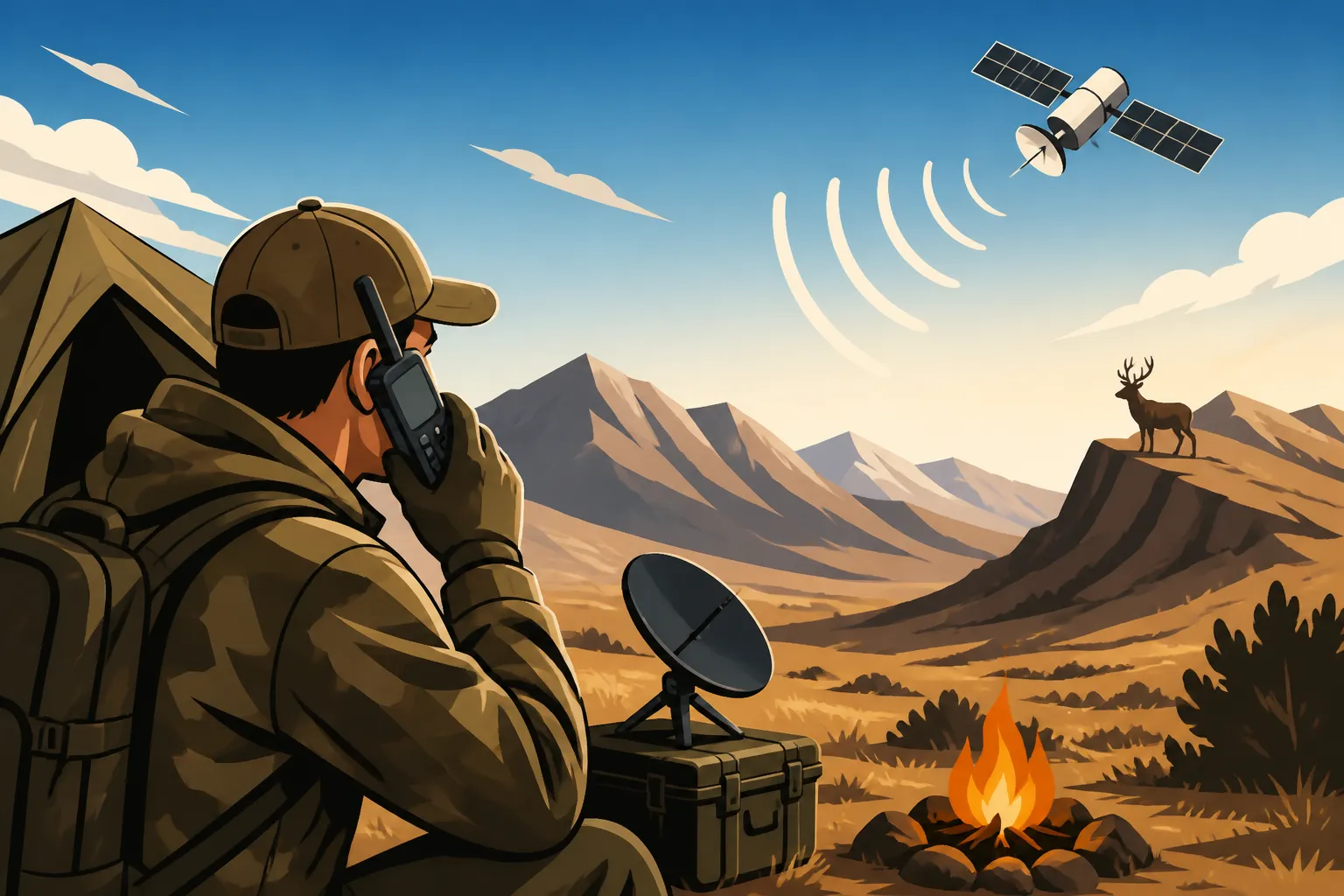
For those who need full voice communication capabilities, a satellite phone is the way to go. These devices connect directly to orbiting satellites, allowing you to make and receive calls from virtually anywhere on the planet, regardless of cellular infrastructure. If you're coordinating complex logistics, managing a large hunting party, or simply prefer the directness of a voice conversation in the field, a satellite phone provides that direct link.
However, satellite phones tend to be larger, heavier, and generally more expensive to purchase and operate than satellite messengers. Their battery life is typically shorter, and call quality can sometimes be affected by obstructions like dense tree cover or deep canyons. For many hunters, especially those on solo or smaller group trips, the full voice capabilities might be overkill, and the added cost and bulk may not justify the benefits over a more streamlined messenger. But for certain situations, like a high-dollar guided hunt in extremely remote country, a satellite phone might be the preferred choice.
Integrating with Smartphones and Apps
One of the best developments in satellite communication has been the ability to pair these dedicated devices with your everyday smartphone. Many satellite messengers, for instance, connect via Bluetooth to an app on your phone. This allows you to type out messages more easily using your phone's keyboard, access your phone's contact list, and view your tracking data on detailed maps. This integration makes the entire experience much more user-friendly and leverages the powerful capabilities of your smartphone for navigation and data display, while the satellite device handles the actual transmission.
Imagine marking a potential water source you found while Hunting Water in Nevada's Driest Country directly on a topo map on your phone, and then sending that exact coordinate to your hunting partner via your paired satellite messenger. That kind of seamless integration enhances both safety and efficiency. Apps like GoHunt, for example, are fantastic for planning and navigation, and while they don't directly handle satellite communication, the ability to view your location and plan routes on these robust mapping platforms, while using a dedicated device for transmitting, creates a powerful combination for any Nevada hunter. Satellite Messenger Use in Remote Country is greatly enhanced by this smartphone pairing.
Choosing the Right Device for Your Nevada Hunt
Deciding on the perfect satellite communication device isn't a one-size-fits-all situation. Your choice should be tailored to your specific hunting style, the remoteness of your chosen unit, your budget, and your personal comfort level with technology. It's about finding the sweet spot between capability and practicality.
Assessing Your Communication Needs and Budget
Before you even start looking at models, sit down and honestly assess what you truly need. Are you a solo hunter venturing into extreme wilderness for days on end, where full voice communication might be a priority? Or are you typically hunting with partners, usually within a day's walk of a main dirt road, where basic text messaging and an SOS function would suffice? The answer to these questions will steer you toward either a satellite phone or a more compact messenger.
Budget is also a huge factor, not just for the device itself, but for the ongoing service plan. Satellite messengers generally have a lower upfront cost and more affordable monthly or annual plans. Satellite phones, on the other hand, typically require a larger initial investment and their usage plans, especially for voice minutes, can add up quickly. Consider the total cost of ownership, including the device and a minimum of one year's service, before making your decision.
Coverage, Reliability, and Battery Life
When you're out in the wide-open spaces of Nevada, coverage is paramount. Most modern satellite communication devices utilize global satellite networks, so broad coverage isn't usually an issue for the continental US. However, obstacles like deep canyons, heavy tree cover, or steep mountain faces can sometimes impede a clear line of sight to a satellite. It's worth researching how a particular device performs in varied terrain.
Reliability in extreme conditions is another non-negotiable. Your device needs to withstand dust, moisture, drops, and wide temperature swings. Check specifications for ruggedness and water resistance. Finally, battery life is critical. You won't always have access to power, especially on multi-day backcountry trips. Look for devices with long battery life, and consider carrying supplementary power like a portable battery pack or a small solar charger. This is especially important if you're planning for extended periods away from your vehicle or any power source, when Water You Must Carry on a Desert Day Hunt is often just the beginning of your packing list.
Understanding Service Plans and Costs
Unlike your cell phone, satellite communication devices require a separate service plan to function. These plans vary widely. Most satellite messengers offer flexible monthly plans that you can suspend during the off-season, or annual plans that often provide better value if you're a frequent user. These plans dictate how many text messages, tracking points, and emergency features you have access to.
Satellite phone plans are often more complex, with different tiers for voice minutes, data, and SMS messages. Some plans are pay-as-you-go, while others are contract-based. Always read the fine print to understand activation fees, minimum commitments, and any charges for exceeding your allotted usage. While I can't give you specific pricing, expect a range of options that can fit different usage patterns, from casual weekend trips to extended expeditions.
Here's a quick comparison of the general characteristics of satellite messengers versus satellite phones:
| Feature | Satellite Messenger (e.g., common handheld models) | Satellite Phone (e.g., common handheld models) |
|---|---|---|
| Primary Function | Two-way text, tracking, SOS | Two-way voice, SMS, basic data |
| Device Size | Typically compact and lightweight | Larger, heavier |
| Cost (Device) | Generally lower upfront cost | Higher upfront cost |
| Cost (Service) | More flexible, often suspendable monthly plans | More complex, higher per-minute/data rates |
| Battery Life | Often superior (days to weeks) | Good, but shorter than messengers (hours to days) |
| Ease of Use | Very user-friendly, smartphone integration common | Can be more complex, especially for voice calls |
| Emergency Focus | Dedicated SOS button, 24/7 monitoring | Direct voice connection to emergency services possible |
| Ideal For | Backpackers, solo hunters, smaller groups, safety | Complex logistics, extended expeditions, large groups |
Best Practices for Using Satellite Communication in the Field
Having the right gear is only half the battle; knowing how to use it effectively and responsibly is just as crucial. A satellite communication device is a powerful tool, but it's not a magic bullet. Proper planning, familiarization, and communication protocols will ensure you get the most out of it when it matters most.
Pre-Trip Planning and Device Familiarization
Never, ever head into the backcountry with an untested device. Before any hunt, especially if it's your first time using a satellite messenger or phone, take the time to fully charge it, activate your service plan, and send a few test messages. Make sure your emergency contacts are properly programmed and that you understand exactly how to trigger the SOS function. Read the manual! Many devices have subtle features or operational quirks that are much easier to learn in your living room than on a cold, windy ridge in a remote Nevada unit.
Part of your pre-trip planning should also involve sharing your trip itinerary with your designated contacts. Let them know your planned route, expected return date, and which device you'll be using. Establish clear check-in times and protocols. For instance, agree to send a simple "all good" message every evening. This proactive communication prevents unnecessary worry and helps your contacts know when to genuinely be concerned. This level of detail is also something good outfitters stress; if you're Vetting a Nevada Outfitter Before You Send a Deposit, ask about their communication protocols for clients.
Power Management and Charging Solutions
Battery life, while often excellent on modern satellite messengers, isn't infinite. In the backcountry, every electron counts. Make sure your device is fully charged before you leave home. Carry a portable power bank, especially if you'll be using your device frequently for tracking or messaging, or if you plan to charge your smartphone from it. For longer trips, a small, lightweight solar charger can be a game-changer, allowing you to top off batteries during the day.
Practice good power hygiene: turn off unnecessary features like continuous tracking if you don't need it, dim the screen, and avoid leaving it searching for satellites constantly if you're in a known dead zone. Cold weather can also significantly reduce battery performance, so keep your device in an inside pocket to keep it warm if temperatures drop. Understanding the limitations and managing power proactively will ensure your device is ready when you need it most.
Communicating Effectively with Your Support Team
Establish clear and concise communication protocols with your emergency contacts. Who should you message first? What information should you include in a routine check-in versus an urgent but non-SOS message? Keep messages brief and to the point, as satellite transmission speeds can be slower than cell service, and message limits might apply to your plan. Provide your exact location coordinates, a brief description of the situation, and what kind of assistance, if any, you need.
It's also a good idea to have a backup communication plan. What if your primary contact can't be reached? Who is the secondary? Sharing your detailed trip plan and contact information with your hunting partners is also essential. Even if you're not using satellite devices for direct group communication, having that information readily available can make all the difference in an emergency. This goes hand-in-hand with understanding Remote Road Conditions Across Nevada and planning for potential vehicle issues.
Registering for Emergency Services
Most satellite messengers come with the option to register for a dedicated emergency monitoring service, like GEOS. This is not optional; it's a critical safety feature. Ensure your device is properly registered, and your personal information, including emergency contacts and any relevant medical conditions, is up to date. When you hit that SOS button, this service is your direct link to professional rescuers. They receive your exact coordinates and the information you've provided, allowing them to dispatch appropriate help.
It's important to understand that the SOS button is for genuine emergencies where life or limb is at risk. It's not for a flat tire or running out of coffee. However, for those dire situations, knowing that a dedicated team is standing by, ready to coordinate with local search and rescue, provides an unparalleled level of safety and confidence when you're exploring the vastness of Nevada's hunting units.
Disclaimer
This article is for general informational purposes only and does not constitute professional advice. Laws, prices and regulations vary by location and change over time. Consult a qualified professional for guidance on your specific situation.