How Long the Muzzleloader Deer Window Runs
It can be incredibly frustrating to dial in your muzzleloader, practice those long shots, and then realize the actual hunting window for deer in Nevada is incredibly brief. Many hunters, especially those new to the Silver State's draw system, are surprised by just how short and intense these seasons often are. This guide is here to shed light on exactly how long the muzzleloader deer season typically runs in Nevada, explain why these windows vary, and help you strategize to make the most of every precious minute in the field.
Understanding Nevada's Muzzleloader Deer Season Lengths
Unlike some other states that might offer more extended periods for muzzleloader hunters, Nevada's approach to big game seasons is often about creating specific, focused opportunities. For mule deer, the muzzleloader season is a prime example of this, frequently presenting a very concise window that demands preparedness and efficiency from hunters. It's not uncommon for these highly anticipated hunts to be just a week long, sometimes even less in certain units or specific years. This brevity is by design, aimed at managing harvest numbers and providing unique experiences, but it certainly adds a layer of challenge.
The Typical One-Week Window
The majority of Nevada's general muzzleloader deer hunts often fall into a compact, intense period, frequently spanning about seven days. This short duration means that every day counts, and pre-season scouting, physical conditioning, and gear readiness become absolutely paramount. Imagine spending months applying, years building points, and then drawing that coveted tag, only to have a single week to make it all come together. It's a high-pressure, high-reward situation. For instance, many units might see their muzzleloader deer season open in late September or early October, wrapping up before you've barely had time to settle into camp. This concentrated timeframe is what makes Nevada muzzleloader hunting such a unique beast; you're not just hunting deer, you're racing against the clock.
This narrow window also shapes the kind of experience you'll have. You won't have the luxury of slow, methodical scouting once the season opens. Instead, you'll need to hit the ground running, often with a solid game plan for specific areas where you've located deer. This is where meticulous e-scouting a Nevada unit before the season and solid pre-hunt intel become invaluable, as you'll be deploying a "seek and destroy" mission rather than a leisurely exploration.
Why Seasons Are So Short
The primary reasons behind these short muzzleloader seasons in Nevada are tied directly to wildlife management objectives. The Nevada Department of Wildlife (NDOW) carefully allocates tags and sets season lengths to achieve specific harvest goals, manage herd health, and ensure sustainable populations. By limiting the number of days hunters can be in the field with a muzzleloader, they control hunter pressure and overall success rates.
Think about it: muzzleloaders, while having limitations compared to modern rifles, are still incredibly effective tools. If the seasons were as long as general rifle seasons, the impact on deer populations could be significant. These short windows also help create a diverse range of hunting opportunities across archery, muzzleloader, and rifle seasons, allowing different types of hunters to pursue game during specific times of the year. It's a balancing act to provide opportunity while protecting the resource, and a brief muzzleloader season is a key tool in that management strategy. The intent is often to provide a specialized hunting experience rather than a broad, extended opportunity.
Unit-Specific Season Lengths and Dates
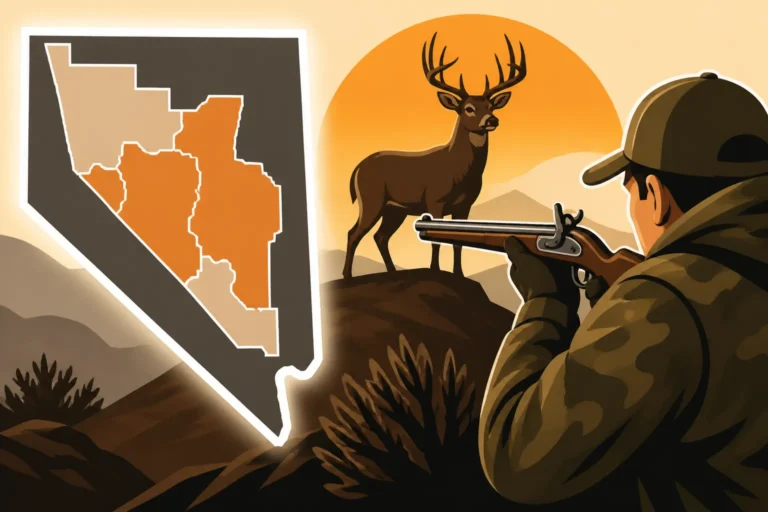
While the "one-week window" is a common theme, it's absolutely critical to understand that Nevada's hunting regulations are highly unit-specific. What applies to one unit in the eastern part of the state might be entirely different from a unit in the west or south. This variation extends not just to season dates, but also to the actual duration of the muzzleloader season. You cannot assume a statewide standard; you must dive into the regulations for the specific unit you're interested in, or for which you've drawn a tag.
Reading the Nevada Hunting Regulations
The official Nevada Big Game Seasons and Regulations booklet is your Bible. Every year, NDOW publishes this comprehensive document, detailing every hunt unit, species, weapon type, and season dates. You'll find sections specifically outlining the various deer hunts, including muzzleloader-only seasons. It's not the most thrilling read, but understanding how to navigate this document is non-negotiable for any serious Nevada hunter. Pay close attention to the hunt numbers, as they encode a lot of information about the season, weapon type, and even the general timing. Learning how to read a Nevada hunt number before you apply will save you a lot of guesswork.
For example, a hunt unit might have a "Muzzleloader Deer" season listed with a specific start and end date. It's here that you'll confirm if your particular tag is for a 7-day, 9-day, or perhaps even a slightly longer or shorter window. Always double-check the current year's regulations, as dates and durations can shift subtly from one year to the next based on survey data and management decisions. Tools like GoHunt can also be invaluable for quickly looking up unit information, including season dates and historical draw odds, presenting it in an easily digestible format that complements the official regulations.
Example Muzzleloader Deer Season Windows
To give you a clearer picture, let's look at some hypothetical, yet realistic, examples of how muzzleloader deer seasons might vary across different Nevada units. Remember, these are illustrative, and you must consult current NDOW regulations for precise dates.
| Hunt Unit (Example) | Muzzleloader Season Start | Muzzleloader Season End | Duration (Days) | Typical Timing | Notes |
|---|---|---|---|---|---|
| Unit 081 | Sept 22 | Sept 28 | 7 | Late September | Common, short window |
| Unit 162 | Oct 6 | Oct 12 | 7 | Early October | Often overlaps with archery in other units |
| Unit 102 | Oct 13 | Oct 22 | 10 | Mid-October | Slightly longer, less common |
| Unit 171 | Sept 15 | Sept 21 | 7 | Mid-September | Can be earlier for some units |
As you can see, the typical duration often hovers around seven days. However, there can be slight variations. These precise details underscore why checking the specific regulations for which Nevada units run a muzzleloader deer hunt is absolutely vital. You don't want to show up a day late or leave a day early because you made an assumption!
Strategies for a Short Muzzleloader Window
Given the often-brief nature of Nevada's muzzleloader deer seasons, success hinges on maximizing your efforts before and during the hunt. This isn't a hunt where you can ease into it; you need to be firing on all cylinders from the moment the season opens.
Intense Pre-Season Scouting and E-Scouting
When you only have a week to hunt, your chances of success skyrocket if you've already put in the work before the season begins. This means extensive pre-season scouting, both boots-on-the-ground and using digital tools. E-scouting using satellite imagery, topo maps, and public land ownership layers (many of which are available through services like GoHunt) allows you to identify potential travel corridors, bedding areas, water sources, and feeding grounds from the comfort of your home. You should be pinpointing specific ridges to glass from, potential stalk routes, and even fallback locations if your primary spots are unproductive.
Actual physical scouting trips, if possible, are even better. Getting out there to observe deer patterns, locate fresh sign, and identify where the deer are concentrated will be the most valuable use of your time. Remember, the goal is to reduce the "searching" phase during your short hunting window and jump straight into the "hunting" phase. Knowing where deer are likely to be before opening day is your biggest advantage. For those drawing a tag, understanding the terrain that hides an approach in open country through scouting can be the difference maker.
In-Season Tactics for Compressed Hunts
With only a handful of days, your in-season tactics need to be aggressive and efficient.
- Hit it Hard from Day One: Don't waste the first day setting up camp or casually looking around. Have your primary spots identified and be ready to hunt hard at first light on opening day. This might mean an early morning hike to a glassing point or a strategic setup near a known travel route.
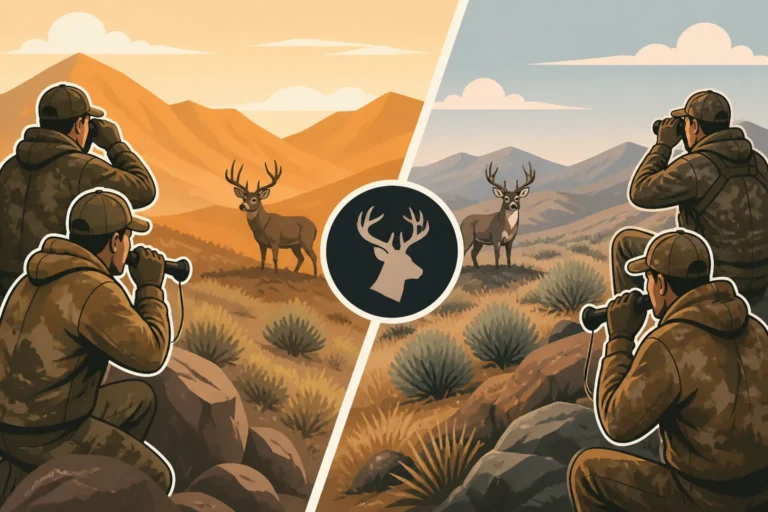
- Glass, Glass, Glass: In Nevada's vast basin and range country, your optics are your most important tools. You'll spend far more time glassing than walking. Focus on breaking down large landscapes into small, manageable grids, meticulously searching for deer. This is especially true when you're on a tight schedule. Learn the grid glassing method, step by step, to ensure you're covering ground effectively.
- Be Flexible and Mobile: While pre-scouting is crucial, don't get married to a single plan if it's not working. If your primary area isn't producing, be ready to pick up camp (or at least move your hunting focus) and try another pre-identified backup spot. This requires a strong understanding of your unit and multiple potential locations for deer.
- Weather Awareness: Keep a close eye on the weather forecast. A sudden cold front, rain, or snow can change deer behavior dramatically, often in your favor by getting them up and moving. Adjust your hunting strategy accordingly. Conversely, hot weather means concentrating on water sources and early morning/late evening movement.
- Early Morning and Late Evening Pushes: During these short windows, deer often move most actively at dawn and dusk. Plan your days to capitalize on these peak movement times, positioning yourself for a shot during these critical periods. This might mean getting into position well before sunrise and staying out until well after sunset, making the most of every legal shooting hour.
Key Considerations for Muzzleloader Hunters
Muzzleloader hunting presents its own unique set of challenges and requirements, especially within Nevada's short season framework. Being prepared for these specifics is crucial for a successful and enjoyable hunt.
Equipment and Ammunition Preparation
Your muzzleloader itself needs to be in tip-top shape. This means regular cleaning, maintenance, and consistent practice. Are you comfortable with your load? Have you sighted it in at various distances? Understanding your muzzleloader caliber minimums for big game (for deer, typically .45 caliber or larger, but always check regulations) is foundational. Moreover, if your muzzleloader is scope-equipped, make sure that scope is securely mounted and zeroed. While some traditionalists prefer open sights, a scope can dramatically extend your effective range, which is often necessary in Nevada's wide-open terrain. Also, familiarize yourself with sabot bullets in a muzzleloader if you plan to use them, as they offer increased accuracy and velocity.
Beyond the firearm, think about all the other gear:
- Loading Supplies: Plenty of powder, primers, bullets, and cleaning patches. You won't want to run out of anything crucial a few days into a short hunt.
- Optics: High-quality binoculars and a spotting scope are non-negotiable for glassing vast areas. Remember, why Nevada deer hunting is a glassing game.
- Clothing: Layering for basin and range temperature swings is critical. Nevada can go from freezing mornings to warm afternoons, even in September and October.
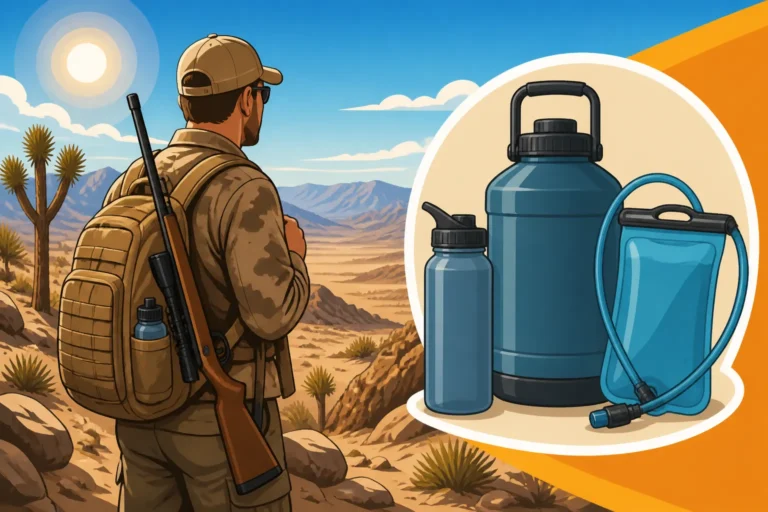
- Water and Food: Always carry more water than you think you need, especially in the dry Nevada climate. Dehydration can quickly derail a short, intense hunt.
Physical Demands and Wilderness Preparedness
Nevada's hunting grounds are often remote, rugged, and unforgiving. Even a one-week muzzleloader hunt can feel like an expedition if you're not physically ready. You'll be covering vast distances, often at elevation, and potentially packing out an animal over rough terrain. Preparing physically for long glassing days and strenuous stalks is not just about comfort; it's about safety and increasing your odds of success. Incorporate cardio, strength training, and hiking with a weighted pack into your routine well before the season.
Furthermore, consider the wilderness aspects:
- Navigation: Always have reliable navigation tools, whether it's a GPS unit, a smartphone with mapping apps (like those offered by GoHunt with offline maps), or good old-fashioned map and compass. Cell service is spotty at best in many units.
- First Aid: A comprehensive first aid kit is essential. You'll be far from help if something goes wrong.
- Emergency Plan: Let someone know your hunting itinerary, including where you'll be and when you expect to return. Have a satellite messenger or inReach device for emergencies.
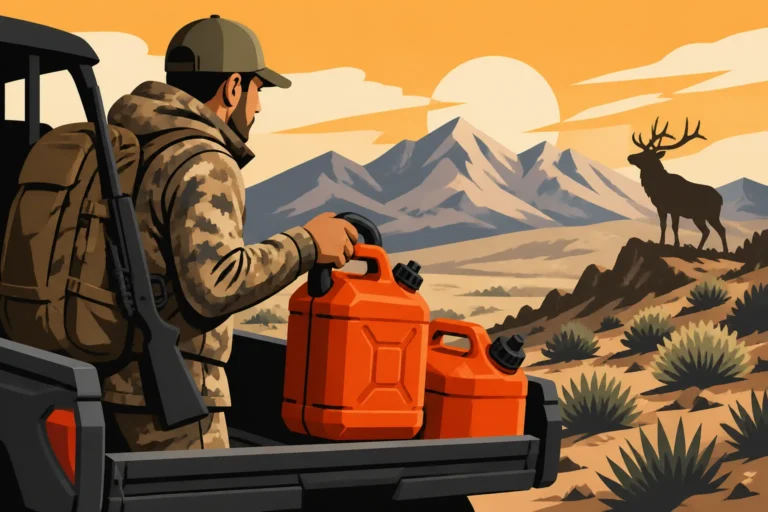
- Vehicle Prep: Ensure your vehicle is in excellent condition, especially tires, and carry extra fuel, water, and emergency supplies. Remote Nevada roads can be brutal on vehicles.
By understanding the limited duration of Nevada's muzzleloader deer seasons and meticulously preparing for the challenges, you significantly increase your chances of having a memorable and successful hunt in this incredible state.
Disclaimer
The information provided in this guide is for general informational purposes only and is not intended as legal advice. Hunting regulations in Nevada are subject to change, and it is the hunter's responsibility to review and comply with all current laws and regulations set forth by the Nevada Department of Wildlife (NDOW) before participating in any hunting activity. Always consult the official NDOW regulations booklet for the most up-to-date and accurate information regarding season dates, unit boundaries, licensing requirements, and weapon restrictions.