When Nevada Rifle Deer Seasons Fall
The thought of planning a Nevada rifle deer hunt can often feel like peering through a thick sagebrush curtain – you know there’s something amazing out there, but finding the exact path to it is far from straightforward. Many hunters get overwhelmed by the unit-specific seasons and the sheer variety of dates, making it tough to even know when to start looking at a calendar. This guide aims to clear up that confusion, giving you a solid understanding of when Nevada's rifle deer seasons typically fall, and what you need to know to navigate the system effectively.
General Timing of Nevada Rifle Deer Seasons
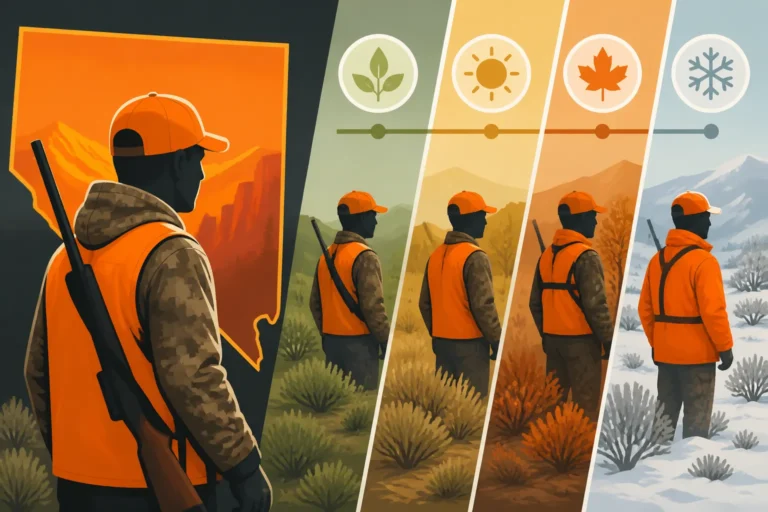
Nevada’s rifle deer seasons are not a single, statewide affair. Instead, they are carefully segmented by specific hunt units and designated timeframes, often reflecting the unique ecology and deer populations of those areas. This means you'll see a patchwork of dates ranging from late September into November, each offering a distinct hunting experience. It's this precise management that allows Nevada to maintain healthy herds and offer quality opportunities, but it also demands a bit more homework from us hunters.
Early Rifle Season Opportunities
Generally speaking, Nevada's early rifle deer seasons kick off in late September and can extend into the first week or two of October. These hunts often take place in the higher elevation units where mule deer spend their summer months, enjoying the lush forage and cooler temperatures before the first serious snows hit. If you’re lucky enough to draw one of these tags, you’ll likely be hunting bucks that are still patterned on their summer routines, often in scattered groups or bachelor bands.
The challenges with these early hunts can include warmer weather, making meat care a critical concern, and deer that haven't yet been pushed by cold or rut activity. They're typically in their feeding and bedding patterns, meaning a lot of patience and keen glassing are required to locate them. You might find yourself scouring expansive basins and canyon systems, looking for a flash of antler against a backdrop of aspen or juniper. On the flip side, the early season can offer easier access to high-country roads before snow drifts become an issue, longer daylight hours, and generally more comfortable camping conditions. Success here often hinges on diligent scouting and an understanding of how deer use terrain during mild weather.
Mid-Season Challenges and Transitions
The window for what could truly be called a "mid-season" rifle deer hunt in Nevada is often quite narrow, or it manifests as a transitional period between the early and late hunts. You might see some units with dates falling squarely in mid-October. During this time, the deer are starting to feel the shift in seasons. Temperatures are dropping more consistently, and the initial stirrings of the pre-rut might begin to influence buck behavior in some areas.
Hunting during this brief mid-season can be a bit of a mixed bag. Deer might be changing their patterns, moving from summer ranges to areas they'll use in the fall and winter. This can make them harder to predict, but also potentially more active as they feed heavily to build up reserves for the upcoming rut. Weather becomes a significant variable; you could still have crisp, sunny days, or you might be hit with an early snowstorm, completely altering the landscape and deer movement. For hunters, this means being prepared for anything and adapting on the fly. It's a time when you really need to be reading the sign, understanding the topography, and perhaps adjusting your game plan daily.
Late Rifle Season Potential for Trophy Bucks
This is where many Nevada deer hunters, especially those chasing mature bucks, focus their attention: the late rifle deer seasons. These hunts typically run from late October through November, often coinciding with the mule deer rut. This is arguably the most sought-after period, and for good reason. As the temperatures plummet and winter snows begin to blanket the higher elevations, deer are pushed to lower, more accessible wintering grounds. More importantly, the impending rut makes mature bucks far more visible and less cautious than at any other time of the year.
This is the season where the phrase "Why Late Seasons Produce Bigger Bucks" truly rings true. Bucks are actively seeking does, often abandoning their secluded haunts in favor of open basins and draws where does congregate. A fresh snowfall can be a game-changer, concentrating deer and making their tracks easy to follow. However, these hunts come with their own set of challenges. Bitter cold, fierce winds, and deep snow can make hunting conditions brutal. Access can become a real issue, as many forest service and BLM roads close due to snow. Additionally, these coveted hunts often see increased hunting pressure in accessible areas, meaning you might have to work harder, or go further, to find solitude and a quality buck. The anticipation of a late-season snow event, combined with the allure of the rut, makes these tags incredibly competitive and rewarding for those who draw one.
Navigating the Nevada Draw and Hunt Codes
Getting a Nevada rifle deer tag isn't as simple as walking into a sporting goods store. Nevada operates on a highly competitive draw system, meaning you have to apply well in advance and hope your luck (and bonus points) hold out. Understanding this system is crucial to even having a chance at those prime season dates.
Deciphering Nevada's Hunt Codes
The backbone of Nevada's tag allocation system is its hunt code. Every single hunt opportunity—whether it's archery elk, muzzleloader deer, or rifle antelope—is assigned a unique, multi-digit code. These codes "Reading a Nevada Hunt Number Before You Apply" are packed with information, specifying the species, the general unit or unit group, the weapon type (rifle, muzzleloader, archery), and the specific season dates. For instance, a code might start with '11' for deer, followed by digits indicating the unit (e.g., '131' for unit 131), and then another set of digits for the specific season and weapon.
It’s absolutely vital to pay close attention to the last few digits of these codes, as they denote the season type and timing. A small change in a digit can mean the difference between an early rifle hunt in September and a late rifle rut hunt in November. These codes are how NDOW manages opportunities, and how you, as a hunter, select your desired hunt. Always double-check the official regulations each year, as slight adjustments to these codes or their associated dates can occur. Never assume last year's code is exactly the same as this year's.
Understanding Application Deadlines and Draw Results
The journey to a Nevada rifle deer tag begins long before the hunting season, with the application period. For Nevada big game, applications "Nevada Applications Run March 23 to May 13" typically open in late March and close in mid-May. Missing this window means you're out of luck for the primary draw that year, no matter how many bonus points you've accumulated. It’s a hard deadline, and there are very few exceptions, so mark your calendar!
Once the application period closes, the waiting game begins. The draw process itself is a complex calculation of bonus points, preferences, and random numbers. Finally, typically at the end of May, Nevada releases the draw results "Nevada Draw Results Land at the End of May". This is the moment of truth when you discover if your application for that coveted late rifle deer tag was successful. For many, it's a mix of excitement and disappointment, but knowing these key dates is essential for planning not just your hunt, but your entire year. Resources like GoHunt are invaluable here, providing detailed draw odds and unit breakdowns that can help inform your choices before you even apply, giving you a much better chance at understanding what you're up against.
The Impact of Bonus Points on Rifle Deer Tags
Nevada's draw system is unique and heavily influenced by its bonus point structure. Unlike some states that use a true preference point system (where the person with the most points always draws first), Nevada employs a "squared" bonus point system "Nevada Squares Your Bonus Points Into Draw Chances". This means that for every bonus point you have, your application gets squared (e.g., 3 points gives you 9 chances, 4 points gives you 16 chances). While it's still a random draw, the squared system significantly increases your odds with more points, rewarding long-term applicants.
For the most sought-after rifle deer tags, especially those prized late-season rut hunts, accumulating a significant number of bonus points is often the only realistic path, particularly for non-residents. These tags are incredibly competitive, with hundreds, if not thousands, of applicants vying for just a handful of permits. If drawing a specific tag seems like a very long shot, Nevada also offers the option of simply applying for a point only "Buying Nevada Points Without Applying to Hunt". This allows you to continue building your point bank without committing to a specific hunt choice that year, preserving your funds and maximizing your future chances. Understanding the intricacies of "Reading Nevada Hunt Draw Statistics" is key to making informed decisions about where and when to apply.
Factors Influencing Nevada Rifle Deer Season Dates
Why do these season dates fluctuate, and why are they so specific? It's not arbitrary. The Nevada Department of Wildlife (NDOW) meticulously crafts these seasons based on a host of biological and environmental considerations, all aimed at maintaining healthy wildlife populations while providing sustainable hunting opportunities.
Herd Management Objectives
At the core of all Nevada hunting season decisions are the herd management objectives set by NDOW. These objectives are driven by extensive research and data collection, including annual population surveys, fawn ratios, and winter mortality data. Biologists are constantly monitoring the health and size of deer herds in each unit. If a herd is struggling, perhaps due to a harsh winter or prolonged drought, tag quotas might be reduced, or season lengths adjusted to allow the population to rebound. Conversely, if a herd is thriving and exceeding its population objectives, NDOW might increase tag numbers or expand season opportunities.
This adaptive management approach means that season dates aren't static; they respond to the current conditions of the deer population. The goal is to balance the desire for hunter opportunity with the long-term sustainability of the resource. Understanding that these decisions are based on sound science, rather than arbitrary dates, helps us appreciate the complexity of wildlife management in a state as vast and diverse as Nevada.
Habitat and Environmental Conditions
Nevada is a high desert state, and few things influence its wildlife, and thus its hunting seasons, more than habitat and environmental conditions. Drought, in particular, "How Drought Affects Great Basin Deer" can have a profound impact. Prolonged dry periods reduce forage quality and quantity, making it harder for does to successfully raise fawns and for bucks to put on significant antler growth. In such years, NDOW might consider adjusting seasons to reduce stress on the herd, though this is more commonly reflected in tag numbers than wholesale shifts in rifle season dates.
Winter severity is another critical factor. A mild winter might mean higher fawn survival and better buck growth, potentially leading to more generous tag allocations in subsequent years. Conversely, a brutal winter can cause significant mortality, leading to more conservative hunting opportunities. The availability of water sources, especially during dry spells, can also concentrate deer, making some areas more viable for hunting during early seasons. This is particularly true for those summer hunts where "Sitting Water on a Nevada August Hunt" can be a primary strategy. All these environmental factors are weighed heavily by NDOW when they propose and finalize hunting season frameworks each year.
Legislative and Regulatory Changes
While less common than biological adjustments, legislative and regulatory changes can occasionally impact Nevada's hunting season structure. The Nevada Board of Wildlife Commissioners, comprised of appointed members, holds public meetings to review and approve NDOW's season proposals. These meetings are an opportunity for public input, where hunters, conservationists, and other stakeholders can voice their opinions. Sometimes, this public input or even broader legislative action can lead to modifications in season lengths, weapon restrictions, or even the creation of new hunt categories.
It's important for hunters to be aware of these processes and stay informed. While major legislative overhauls of hunting seasons are rare, smaller regulatory adjustments happen more frequently. The best practice is to always refer to the most current official NDOW hunting regulations, which are published annually. Many reputable hunting information platforms, like GoHunt, also meticulously track these regulatory changes and publish easy-to-digest summaries, saving you hours of sifting through dense legal text and ensuring you have the most up-to-date information before you apply.
Typical Nevada Rifle Deer Season Characteristics
To help visualize the general timing and characteristics of Nevada's rifle deer seasons, here's a basic overview:
| Season Phase | Typical Dates (Approx.) | Key Characteristics | Hunter Strategy Considerations |
|---|---|---|---|
| Early Rifle | Late Sept – Early Oct | Deer still in summer patterns, higher elevations, warmer weather, scattered bucks. | Focus on high country basins, glassing for feeding deer. Utilize water sources. Glassing Nevada's Basin and Range for Mule Deer |
| Late Rifle | Late Oct – Mid Nov | Pre-rut to peak rut, potential snow, deer moving to lower elevations. Bucks are more visible. | Target migratory routes, thicker cover, and post-snow concentrations. Hunt hard during the rut. Why Late Seasons Produce Bigger Bucks |
Disclaimer
Please remember that hunting regulations, season dates, and unit boundaries can change. Always consult the official Nevada Department of Wildlife (NDOW) regulations for the current year before planning any hunting activity. This guide provides general information and should not be considered a substitute for the official regulatory documents.