Nevada Elk Rifle Hunts Stretch From October Into December
Drawing a Nevada elk tag is often considered the pinnacle of Western hunting, a true lottery win that can take years, even decades, to achieve. But once you have that coveted piece of paper in hand, the real work — and the real excitement — begins. For many, a Nevada elk rifle hunt means hitting the rugged landscape between October and December, presenting unique challenges and incredible opportunities to pursue these magnificent animals. This comprehensive guide will walk you through everything you need to know to maximize your chances of success during these expansive rifle seasons.
Understanding Nevada's Elk Rifle Seasons
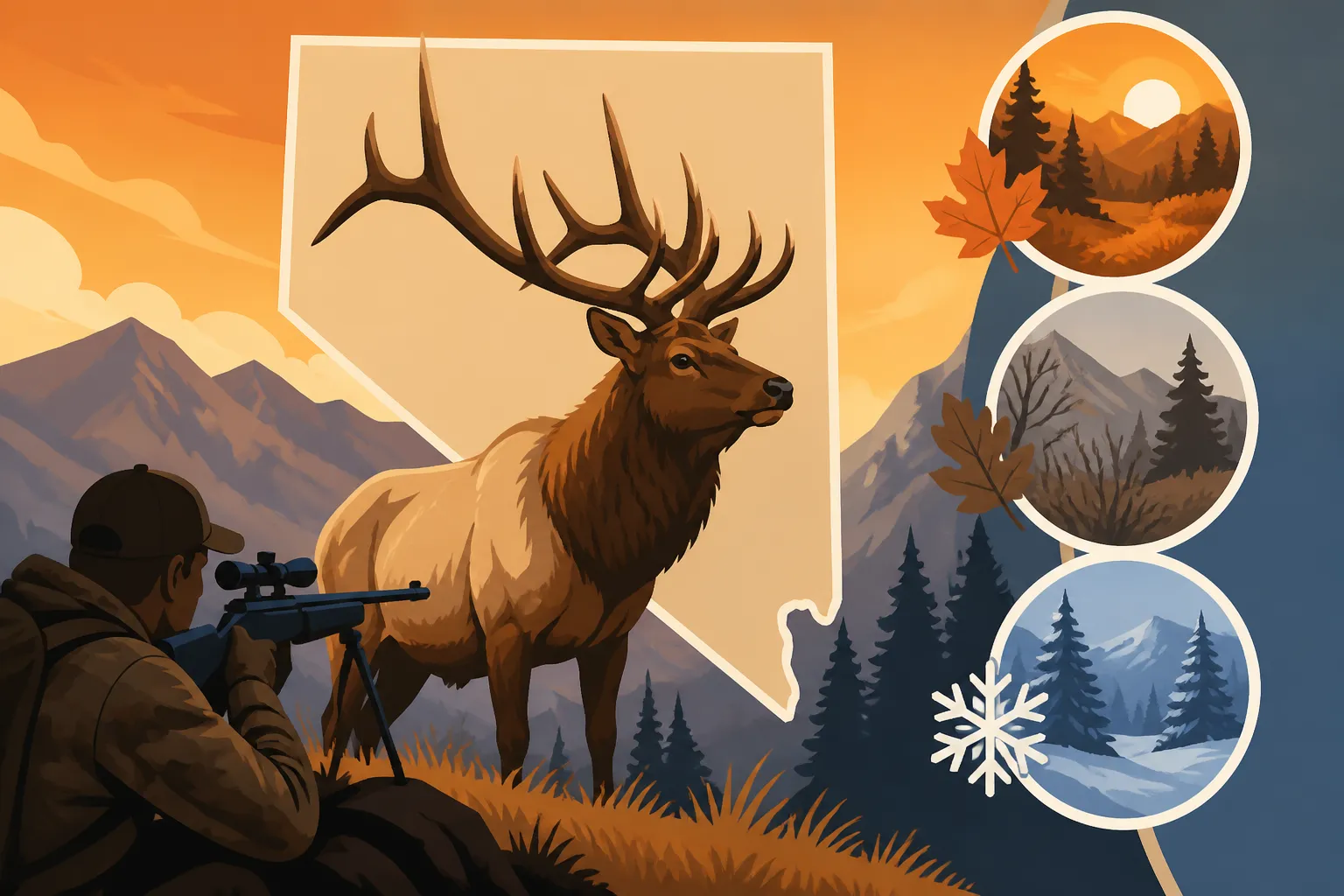
Nevada's big game hunting seasons are meticulously structured, and elk rifle hunts are no exception. Unlike some states with short, intense windows, Nevada offers a more staggered approach, with rifle seasons often stretching from early October all the way through the end of December in various units. This extended period means hunters can experience a wide range of weather conditions, elk behaviors, and hunting strategies depending on their tag. It's crucial to understand the nuances of these different periods to properly plan your hunt.
Early October Opportunities
The early October rifle hunts often kick off shortly after the intense bugling of the September archery and muzzleloader seasons has faded. While the peak rut activity might be winding down, it's not entirely over, especially in certain units or if a secondary rut cycle is still active. Bulls are still relatively visible as they haven't entirely transitioned into their winter bachelor groups, though they're certainly more wary than during the full rut. The weather in early October can be incredibly variable; you might encounter crisp, cool mornings that give way to warm, almost summer-like afternoons. This can mean elk are still moving into higher elevation feeding grounds at dawn and dusk, then bedding down in thick timber or north-facing slopes during the warmer parts of the day. Hunters need to be prepared for everything from light snow flurries to dusty, dry conditions, often within the same hunt period. Access to higher elevations is generally still good, with most forest roads open, but always check local conditions.
Mid-Season Challenges and Rewards
As November rolls in, Nevada's elk rifle hunts enter a distinct mid-season phase. The days become noticeably shorter, and the cold begins to set in with more permanence. Snow becomes a more common occurrence, especially at higher elevations, and can often push elk down from their summer ranges into traditional wintering grounds. This can be a double-edged sword: while elk might be concentrated in more accessible areas, the weather can also become a significant factor, potentially limiting road access or creating dangerous hunting conditions. However, these challenging conditions can also be incredibly rewarding. Fresh snow can make tracking easier, and elk, focused on feeding to build up winter reserves, might be less alert than during the rut. The landscape starts to transform into a stark, beautiful winter wonderland, offering unique aesthetic and strategic advantages. Hunters should prepare for sustained cold, potential blizzards, and the need for robust cold-weather gear and reliable 4×4 vehicles.
Late Season Hunts into December
The late season hunts, which can run well into December, are often the coldest and most physically demanding, but they can also offer some of the highest rewards for tenacious hunters. By this point, elk are firmly on their winter range, often concentrated in lower elevation areas, dense timber, or south-facing slopes that offer both forage and protection from the elements. Bulls have usually shed their velvet and are in hard horn, often regrouped into bachelor herds. Snow cover can range from light dusting to deep drifts, dictating elk movement and hunter access. Hunters pursuing tags during these late windows, as detailed in our article on How Late Nevada Elk Season Runs, will find that elk are prioritizing survival, making them predictable in their patterns between bedding and feeding. However, they are also incredibly sensitive to human pressure. Spotting these animals against a snowy backdrop can be easier, but closing the distance without spooking them requires immense patience and meticulous stalking skills. The sheer beauty of a winter elk hunt in Nevada's rugged ranges, though, is an experience not soon forgotten.
Deciphering Nevada's Elk Hunt Units
Navigating Nevada's hunting regulations and unit structures can feel like cracking a complex code, especially for new applicants or non-residents. Each hunt unit in Nevada presents its own unique landscape, elk populations, and draw odds. Understanding which units align with your hunting style and target species is paramount for success, particularly for coveted elk rifle tags that can take years to draw. Tools like GoHunt can be invaluable in dissecting these complex data points.
Key Units for Rifle Elk Success
Nevada boasts a number of units renowned for their trophy potential and healthy elk populations, though drawing a tag in these units is incredibly challenging. Areas like the Schell Creek Range, Ruby Mountains, and parts of the Jarbidge Wilderness are often mentioned in hushed tones among seasoned elk hunters. These units typically feature diverse terrain, from high-alpine timber to sagebrush-covered foothills, providing ample habitat for elk to thrive and grow large. However, even units with lower draw odds can offer fantastic hunting, often with less pressure. For instance, some units in central Nevada might not produce the same number of record-book bulls as the more famous areas, but they can offer solid opportunities for a quality bull if you put in the legwork and scouting. The key is to research not just the reputation of a unit, but its specific topography, access points, and historical harvest data for the particular season you're applying for.
Reading Hunt Codes and Regulations
Nevada's hunt codes are an essential part of understanding your tag. A typical hunt code, such as "Elk Unit 111-23," tells you a tremendous amount of information. The first set of numbers (111) identifies the specific geographic hunt unit or combination of units. The second set (23) often indicates the species, weapon type, and season dates. It's a system designed for precision, but it demands careful attention. You'll want to cross-reference this code with the official Nevada Department of Wildlife (NDOW) regulations to confirm the exact boundaries, legal weapon types, and opening and closing dates for your specific tag. Don't rely on memory or assumptions; the regulations can change year to year, and misinterpreting a hunt code can lead to legal issues. Understanding how Reading a Nevada Hunt Unit Before You Apply can make or break your application strategy, ensuring you apply for the hunt that truly fits your goals. Always download the most current Big Game Seasons and Application Guide from the NDOW website well before the application deadline.
Utilizing E-Scouting Tools Like GoHunt
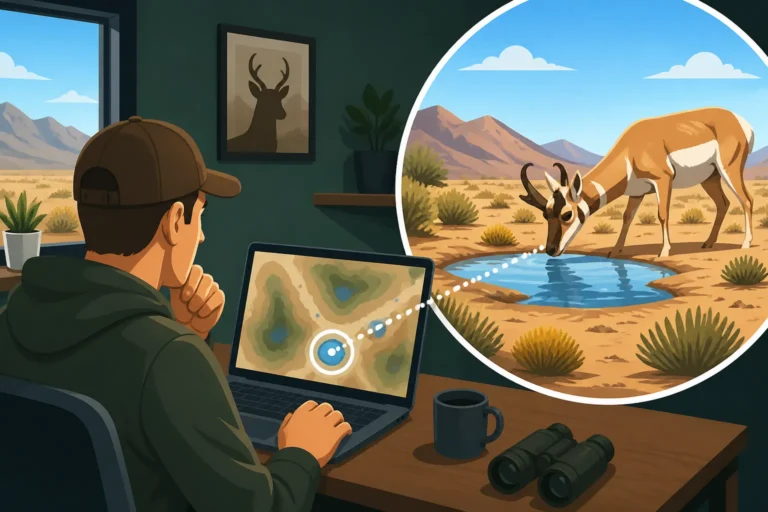
In today's digital age, e-scouting has become an indispensable tool for any serious big game hunter, and Nevada's vast, public lands make it particularly relevant. Platforms like GoHunt offer a wealth of information at your fingertips, allowing you to pour over topographic maps, satellite imagery, and historical data from the comfort of your home. You can identify potential bedding areas, feeding zones, water sources, and travel corridors long before you ever set foot in the unit.
For Nevada elk, using GoHunt to overlay public and private land boundaries is critical, as well as marking potential access roads and glassing points. You can also analyze draw odds and harvest statistics by unit and hunt code, which is invaluable for making informed application choices. This kind of detailed reconnaissance helps you create a strategic plan, pinpointing areas worth physical scouting and even identifying specific ridges or draws where elk might be concentrated during your season. It's like having a digital tour guide for the entire state, helping you to understand everything from Nevada Elk Rifle Season Structure to the best access points for your specific unit.
Strategies for a Successful Rifle Elk Hunt
Nevada's landscape demands a specific approach to elk hunting, especially with a rifle during the later seasons. Forget dense timber stands and close-range encounters typical of some other regions. Here, vast open basins, steep mountain ranges, and expansive sagebrush flats define the experience. Success often hinges on your ability to see elk at long distances, execute precise stalks, and adapt to the ever-changing high desert environment.
Glassing as Your Primary Tool
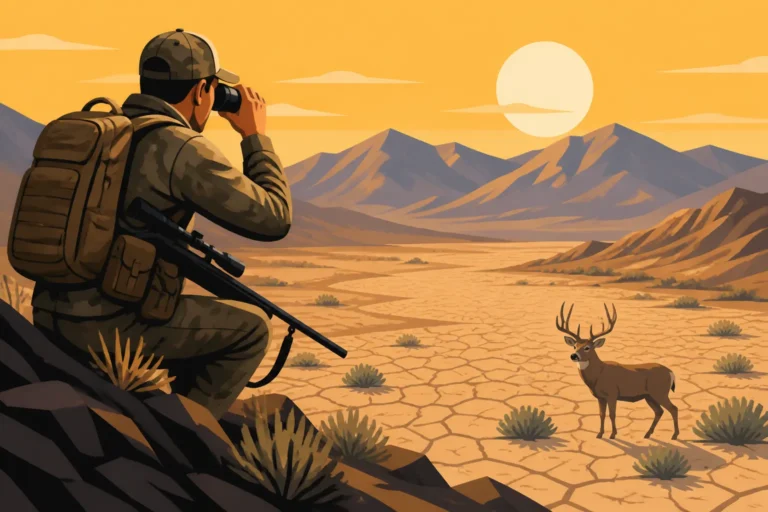
In Nevada, your optics are arguably more important than your rifle. This is not a state where you'll typically still-hunt through thick timber, hoping to stumble upon an elk. Instead, the game is played on a grand scale, with miles of terrain often visible from a single vantage point. Effective glassing is the cornerstone of Why Nevada Deer Hunting Is a Glassing Game, and it's equally true for elk. You'll spend hours, often days, behind binoculars and a spotting scope, systematically picking apart mountain slopes, canyon bottoms, and distant sagebrush pockets. A good tripod is non-negotiable for stable glassing, allowing you to hold your optics steady for extended periods. Start early in the morning, focusing on shaded slopes where elk might be feeding, and continue through the day, checking bedding areas on north-facing aspects. As the sun begins to set, shift your focus to feeding grounds where elk will emerge for their evening meal. Patience is paramount; a speck you dismiss might turn into a bull an hour later. Understanding Optics Power for Nevada's Long Sightlines is crucial for efficient scanning and identifying elk at extreme distances.
Spot and Stalk Tactics in Open Country
Once you've spotted an elk, especially a bull you want to pursue, the real challenge of the spot and stalk begins. Nevada's open country offers little cover, meaning every movement you make needs to be calculated and concealed. This is where excellent map reading skills, aided by e-scouting, truly shine. You need to identify terrain features – draws, ridges, rock outcrops, even large sagebrush patches – that can provide cover for your approach. Wind direction is critical; elk have an incredible sense of smell, and a shifting wind can quickly give away your position. Always try to approach from downwind, or at least crosswind, taking advantage of thermals that typically rise in the morning and fall in the evening.
Closing the distance often involves long, arduous hikes, sometimes requiring you to drop into and climb out of multiple drainages. Pay close attention to the elk's behavior; if they seem agitated or nervous, freeze and reassess your approach. The goal is to get within your effective shooting range without being detected. This isn't always about getting as close as possible, but rather finding the best shooting rest and angle for a clean shot. For Rifle Zero Distance for Long Sage Shots, practice shooting from various field positions, including prone, kneeling, and using shooting sticks or a bipod.
Adapting to Weather and Terrain
Nevada's weather and terrain are notoriously unpredictable, especially during the October to December rifle seasons. You might start your day in comfortable shirt sleeves and end it battling a blizzard. Prepare for rapid temperature swings and be ready to layer up or down. Our article on Layering for Basin and Range Temperature Swings offers excellent advice on this. Snow can quickly cover roads, turning a simple drive into a treacherous ordeal, or it can make steep, rocky slopes even more hazardous. Always check weather forecasts before heading out and have backup plans for extreme conditions.
The terrain itself is physically demanding. You'll encounter everything from loose scree and sharp volcanic rock to dense sagebrush that makes walking feel like wading through molasses. Choosing durable, comfortable boots is essential; our guide on Choosing Boots for Sharp Volcanic Rock provides insight. Be prepared for long days on foot, covering significant distances in challenging conditions. The mental aspect of adapting to these variables is just as important as the physical. Maintaining a positive attitude, even when faced with setbacks, is crucial for success.
| Season Period | Typical Weather | Elk Behavior | Access Considerations | Key Challenges |
|---|---|---|---|---|
| Early October | Mild to warm days, cool nights. Potential for early snow. | Post-rut, transitioning to feeding. Bulls still somewhat visible. | Generally good road access. | Variable weather, wary elk. |
| Mid-November | Colder, increasing snow probability, frosty mornings. | Moving to lower elevations, focus on feeding. | Roads may be impacted by snow/ice. | Colder temps, potential road closures. |
| Late December | Cold, harsh winter conditions, significant snow. | Concentrated on winter range, predictable patterns. | Deep snow can severely limit access. | Extreme cold, deep snow, physically demanding. |
Essential Gear for Nevada Elk Hunters
A successful Nevada elk hunt in the rifle seasons stretching from October into December demands a well-thought-out gear list. The diverse and often extreme conditions of the Great Basin mean your equipment needs to be rugged, reliable, and capable of performing in everything from mild autumn days to bitter winter blizzards. Overlooking crucial items can turn a dream hunt into a miserable experience.
Rifle and Optics Considerations
Your rifle is, of course, central to a rifle hunt. For elk in Nevada's open country, you'll want a caliber capable of delivering sufficient energy at extended ranges. Many hunters opt for cartridges like the .300 Win Mag, 7mm Rem Mag, .30-06, or similar, paired with high-quality, accurate ammunition. Remember that ethical long-range shooting requires extensive practice, especially considering the potential for significant crosswinds across wide basins. Our article on Best All-Around Caliber for Open Country can offer more insights. A reliable, clear scope with good light-gathering capabilities is non-negotiable for those dawn and dusk shots. Don't skimp on optics here; a low-quality scope will only frustrate you when you need it most.
Beyond your rifle, your binoculars and spotting scope are truly your most important tools. As discussed earlier, glassing is how you'll find elk. Invest in high-quality binoculars, 10x or 12x, that can be comfortably used for hours. A spotting scope, preferably with a 60-80mm objective lens, mounted on a sturdy tripod, is essential for truly picking apart distant hillsides and evaluating potential animals. These optics will often prove their worth many times over before you ever need to raise your rifle.
Clothing and Layering for Desert Mountains
Nevada's desert mountains are famous for their drastic temperature swings. You could experience freezing temperatures at sunrise and be sweating in the mid-day sun, only to have another cold front blow in by evening. Layering is not just a suggestion; it's a necessity. Start with a moisture-wicking base layer, add insulating mid-layers like fleece or down, and top it off with a waterproof and windproof outer shell. For late-season hunts, a heavy insulated parka and pants are critical. Don't forget quality gloves, a warm hat that covers your ears, and gaiters to keep snow and debris out of your boots. The key is to be able to add or shed layers quickly to regulate your body temperature, staying comfortable and dry no matter what the weather throws at you. Remember, Legal Shooting Hours and Blaze Orange in Nevada might also apply, so ensure you have appropriate blaze orange gear, usually an outer garment, especially when moving.
Navigational Tools and Emergency Preparedness
Even with extensive e-scouting, things can go wrong in Nevada's vast and remote backcountry. A reliable GPS device or a smartphone with a robust hunting app (like onX Hunt) is crucial. Download offline maps and satellite imagery for your entire hunt unit, as cell service is often non-existent. Always carry a physical map and compass as a backup, and know how to use them. A satellite messenger or personal locator beacon (PLB) is a non-negotiable safety item, allowing you to communicate or call for help in emergencies.
Beyond navigation, consider general emergency preparedness. A well-stocked first-aid kit, enough water for at least a day, water filtration or purification tablets, high-energy snacks, a headlamp with extra batteries, fire-starting materials, and a small survival kit are all essential. Breakdown on a remote dirt road is common, so pack extra fuel, a spare tire, tire repair kit, and vehicle recovery gear. Planning for these contingencies can prevent minor mishaps from turning into major disasters, especially when you're hunting miles from the nearest paved road.
Physical and Mental Preparation
Nevada elk hunting is not for the faint of heart. The terrain is rugged, the distances are vast, and the conditions can be extreme. Successfully pursuing a bull during the rifle seasons from October into December demands significant physical and mental fortitude. Many hunters focus solely on gear and scouting, but neglecting your personal readiness can quickly lead to frustration and missed opportunities.
Conditioning for Rugged Terrain
Imagine climbing a steep, rocky slope at 7,000 feet, only to drop into a canyon and climb out the other side, all while carrying a heavy pack and bracing against a biting wind. This is the reality of many Nevada elk hunts. To perform at your best, you need to be in excellent cardiovascular shape. Start training months in advance, incorporating activities like hiking with a loaded pack, stair climbing, and long-distance walking. Mimic the terrain you'll encounter by seeking out hills or mountains in your local area. Pay particular attention to strengthening your core, legs, and ankles to prevent injuries on uneven ground. Don't just focus on strength; build endurance. Our article Preparing Physically for Long Glassing Days applies directly to the demands of elk hunting, emphasizing the stamina needed to spend hours behind optics and then execute a swift, quiet stalk. Remember, you might be packing out hundreds of pounds of meat over several miles, often in the dark, so physical readiness is paramount.
Mental Toughness for Long Days
Beyond the physical grind, Nevada elk hunting can be a significant mental challenge. Days are long, often starting before dawn and ending well after dark. You'll spend countless hours glassing, often seeing nothing but rocks and sagebrush. Setbacks, like elk spooking or weather turning foul, are inevitable. It's easy to get discouraged, tired, and lose focus. Mental toughness means maintaining a positive attitude, even when things aren't going your way. It means pushing through fatigue, staying patient when elk are nowhere to be found, and making smart, ethical decisions under pressure.
Visualization can be a powerful tool; mentally walk through different hunting scenarios, from successful stalks to unexpected challenges. Practice deep breathing techniques to manage stress and stay calm during critical moments. Remember your "why" – the incredible privilege of being in these wild places and the challenge of pursuing a magnificent animal. This resilience will keep you focused and determined, increasing your chances of success when that opportunity finally presents itself.
Camp Logistics and Comfort
After a grueling day in the field, returning to a comfortable and well-organized camp can make all the difference in maintaining your spirits and preparing for the next day. Dispersed camping on BLM ground is a common practice in Nevada, but understanding the rules is key. Our article on Camping Rules on Nevada BLM Ground provides valuable guidelines. Choose a camp location that offers some shelter from the wind and is relatively flat. Invest in a good quality tent that can withstand strong winds and snow, and a sleeping bag rated for temperatures well below what you expect to encounter.
Efficient camp setup, meal preparation, and organization will save you time and energy. Pre-plan your meals, opting for nutrient-dense, easy-to-prepare options. Keep your gear organized so you can quickly find what you need in the dark. Don't forget essentials like a reliable stove, plenty of fuel, and a method for collecting and purifying water. For most Nevada units, Water You Must Carry on a Desert Day Hunt is a crucial consideration, as reliable natural water sources can be scarce. A comfortable camp allows you to rest, recharge, and stay focused on the hunt.
Post-Harvest Considerations
Successfully harvesting a Nevada elk is an incredible accomplishment, but the work is far from over once the animal is down. In the rugged, often remote terrain of Nevada, and with rifle seasons extending into colder months, proper post-harvest procedures are critical for preserving the meat and fulfilling your legal obligations.
Field Dressing and Meat Care in Varying Temperatures
The immediate priority after harvesting an elk is proper field dressing and meat care. In early October, daytime temperatures can still be warm, which means you need to work quickly to cool the carcass. Get the hide off as soon as possible, quarter the animal, and hang the meat in breathable game bags to allow air circulation. If possible, find a shady spot or even a snowdrift to help cool the meat down. For mid-to-late season hunts, cooler temperatures are your friend, but don't become complacent. While the cold will help preserve the meat, extreme freezing and thawing can still affect quality. Protect the meat from dirt, insects, and scavengers. Use clean knives and surfaces to prevent contamination. The goal is to get the internal temperature of the meat down as quickly as possible to prevent spoilage, regardless of the ambient air temperature.
Packing Out Your Elk
Packing an elk out of Nevada's backcountry is one of the most physically demanding aspects of the hunt. An adult bull can weigh over 700 pounds live, translating to hundreds of pounds of bone-in meat, plus the hide and antlers. If you're fortunate enough to hunt in areas with vehicle access, retrieve your animal quickly. However, many trophy units require packing out game from roadless areas. Our detailed guide on Packing an Animal Out of Roadless Country is a must-read for any hunter facing this challenge. You'll need a sturdy pack frame, good game bags, and a strong will. Don't underestimate the number of trips it might take. Breaking the animal down into manageable loads and having a plan for multiple trips is crucial. Consider bringing friends or hiring a packer if you're hunting deep in the backcountry. Remember that in many areas, Motorized Travel Rules on Nevada Public Land strictly prohibit off-road vehicle use for game retrieval, so be prepared for a foot-powered extraction.
Mandatory Harvest Reporting
Nevada, like most states, has mandatory harvest reporting requirements. After successfully harvesting an elk, you are typically required to report your kill to the Nevada Department of Wildlife (NDOW) within a specified timeframe. This is not just a formality; it's a vital component of wildlife management, providing biologists with critical data on harvest success, population health, and management effectiveness. The specific method of reporting can vary, but it often involves an online portal or a phone call. It’s imperative to follow these instructions precisely. Failure to report your harvest can result in fines or the loss of future hunting privileges. Always review the current regulations booklet for the most up-to-date information on Mandatory Reporting After a Nevada Harvest to ensure you comply with all legal requirements.
Respecting Regulations and Ethics
Nevada's vast public lands offer incredible hunting opportunities, but they come with a responsibility to uphold the law and practice ethical hunting. Understanding and adhering to regulations is not just about avoiding citations; it's about respecting the wildlife, the land, and the hunting tradition.
Legal Shooting Hours and Blaze Orange
One of the most fundamental rules to understand is legal shooting hours. In Nevada, big game hunting hours generally begin one-half hour before sunrise and end one-half hour after sunset. These times are precisely defined and change throughout the season as day length fluctuates. Always carry a reliable light source, like a headlamp, for navigating before and after legal shooting hours. Attempting to shoot outside these times is illegal and unethical. Additionally, Blaze Orange Requirements Through the Season are often in effect for big game rifle hunters in Nevada. Generally, a minimum amount of blaze orange (often 400 square inches visible from 360 degrees) is required for safety. Check the current regulations carefully, as specific requirements can vary by species and season. Even if not legally mandated, wearing blaze orange is a smart safety practice when sharing the landscape with other hunters.
Understanding Public vs. Private Land
Nevada is predominantly public land, with the Bureau of Land Management (BLM) managing a vast percentage of the state. However, private lands, especially in the valleys and along water sources, are interspersed throughout. It is your responsibility to know exactly where you are at all times and to respect private property boundaries. Trespassing, whether intentional or accidental, can lead to legal penalties and tarnish the public image of hunters. Use reliable mapping apps with public/private land overlays, such as those found on GoHunt, and always carry a physical map as a backup. Pay attention to fences, signs, and other boundary markers. If you plan to access private land, ensure you have explicit, written permission from the landowner. Understanding How Much of Nevada Is Public Land is a good start, but knowing the specific boundaries of your unit and avoiding trespass is crucial. Our guide on Reading a Nevada Unit Boundary Before You Apply can help you scout and understand these land ownership nuances well before your hunt.
Ethical Hunting Practices
Beyond the letter of the law, ethical hunting practices are paramount. This includes making clean, humane shots, actively pursuing wounded game, and ensuring no meat is wasted. Only take shots you are confident you can make, well within your effective range. Avoid risky shots that could wound an animal or endanger others. If you wound an animal, dedicate all necessary effort to tracking and recovering it, even if it means long hours or difficult conditions. Remember, you have a responsibility to that animal.
Good sportsmanship also extends to your interactions with other hunters and outdoor enthusiasts. Be courteous, share information responsibly, and avoid interfering with another hunter's pursuit. Pack out all your trash, leave no trace, and strive to leave the land better than you found it. This includes picking up spent casings, human waste, and anything else that might detract from the wilderness experience. Ethical conduct preserves the future of hunting for everyone.
Disclaimer
Please note: Hunting regulations and seasons can change. Always consult the official Nevada Department of Wildlife (NDOW) website or their current Big Game Seasons and Application Guide for the most up-to-date and accurate information before planning any hunt. This content is for informational purposes only and does not constitute legal advice.