Spotlighting Rules for Predator Hunting
Few things are as frustrating for a hunter as wanting to do the right thing, only to be utterly confused by the regulations. When it comes to predator hunting in Nevada, the rules around "spotlighting" can feel like a tangled mess, leaving many unsure if they're even allowed to shine a light on a coyote after dark. This guide is here to untangle that knot, laying out exactly what's permitted and what's not, so you can hunt confidently and legally.
Understanding Nevada's General Spotlighting Law
Nevada's hunting regulations, like those in many states, have specific provisions regarding the use of artificial lights to locate or hunt wildlife. This is often where the confusion begins, as the term "spotlighting" carries a general negative connotation related to poaching, but the specifics for predator hunting can be quite different. It's crucial to distinguish between the broad prohibitions and the carefully carved-out exceptions.
The Core Prohibition Against Spotlighting Big Game
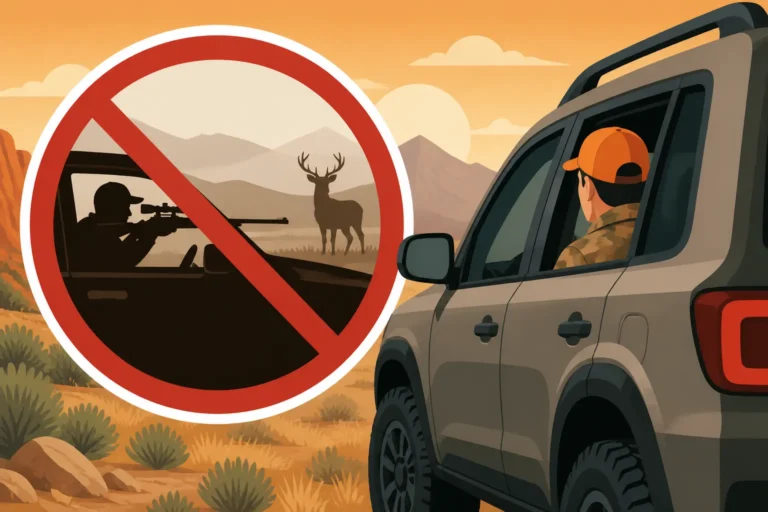
At its heart, Nevada law strictly prohibits the use of artificial light to spot, locate, or take big game animals like mule deer or elk. This isn't just about shooting them with a light; it's about using any artificial light source, including vehicle headlights or handheld spotlights, to even find or observe these animals during prohibited hours. The intent behind this rule is crystal clear: to prevent poaching and ensure fair chase. Imagine trying to hunt a wary mule deer during the day, only for someone to drive up at night and shine a thousand-lumen beam on it, getting an easy shot. That's exactly what the law aims to stop.
This prohibition extends beyond just the act of shooting. If you're out driving around a unit at night and happen to spot a deer with your headlights, it's generally best practice to move on quickly and not dwell on it. Stopping to observe the animal with the aid of those lights, even without a firearm, could potentially put you in a grey area, depending on the interpretation. The spirit of the law is to eliminate any advantage gained by illuminating big game after dark.
Distinguishing Predators from Big Game
However, the rules are not one-size-fits-all, and this is where the nuance for predator hunting comes in. Unlike big game species, many predators, particularly coyotes and foxes, are classified differently under Nevada law. Their populations are often managed with different goals, and in many areas, their numbers are stable or even abundant, leading to different hunting regulations. This is why you'll often hear about hunters pursuing coyotes at night.
The state recognizes that predators can be hunted year-round and, in many cases, often provide nuisance control for ranchers and landowners. Because of this, the strict prohibitions that apply to big game do not universally extend to all species. This distinction is vital for understanding why Is Night Hunting Legal for Coyotes Out West? in general, also applies with specific conditions in Nevada. The key is knowing which species fall under which category and what the specific conditions are for hunting them after legal shooting hours.
Specific Rules for Predator Spotlighting in Nevada
Now that we've established the general framework, let's dive into the specifics for predator hunting. Nevada Department of Wildlife (NDOW) regulations carve out clear exceptions that allow for the use of artificial light when hunting unprotected predatory mammals. But "allowed" doesn't mean "anything goes." There are distinct timeframes, location restrictions, and considerations for how these lights can be used.
Legal Hours for Predator Hunting with Lights
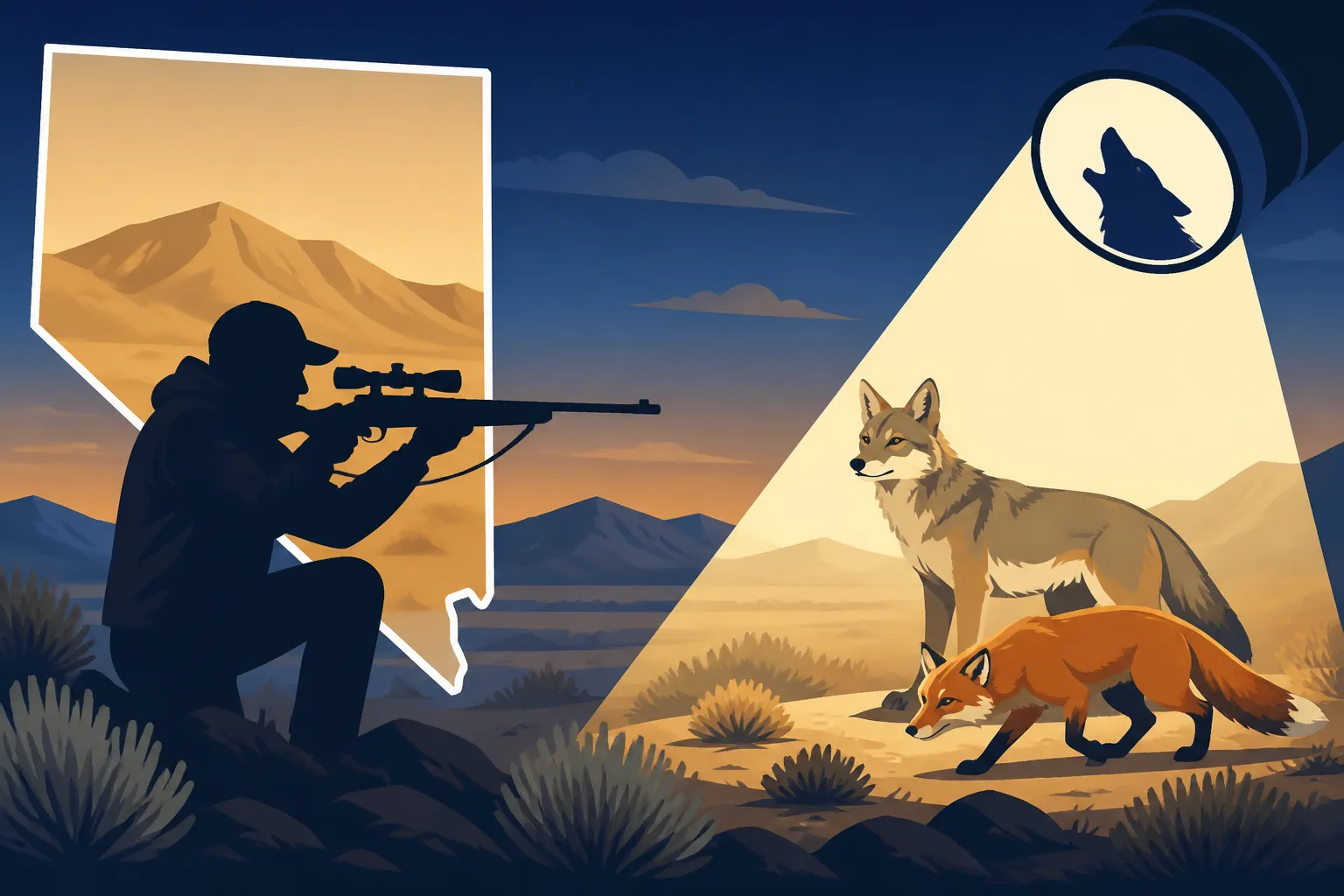
The most common question regarding spotlighting predators is when it's actually legal. In Nevada, it is generally lawful to use artificial light for the purpose of hunting or taking unprotected predatory mammals (like coyotes, bobcats, or foxes, but always check the current regulations for the most up-to-date list) from sunset to sunrise. This means once the sun dips below the horizon, and until it appears again in the morning, you can typically employ lights.
This timeframe is a significant departure from big game hunting hours, which usually strictly adhere to specific civil twilight periods. For predators, the full span of darkness is fair game. However, even within these hours, hunters must remain acutely aware of their surroundings and local ordinances, as private land or specific public land designations might have additional restrictions. Always consult the latest NDOW regulations before heading out, as these rules can change.
Restrictions on Location and Proximity
Just because you can hunt predators at night with lights doesn't mean you can do it anywhere. Nevada law includes crucial restrictions based on location, primarily concerning dwellings and public roadways. You cannot lawfully discharge a firearm within a certain distance of an occupied dwelling, and this applies equally to night hunting. The exact distance can vary, so always err on the side of caution and maintain significant separation. This rule is in place for public safety and to respect private property.
Furthermore, there are strict rules against Rules on Hunting From a Vehicle or shining a light from or across a public road, especially if a firearm is present. Even if you're not shooting from the vehicle, shining a light from the road onto private land or public land with the intent to hunt could be problematic. It's best practice to park legally, turn off your vehicle, and then deploy your lights and begin your hunt on foot, ensuring you are well off any public thoroughfare. Many hunters use mapping tools, like those found on GoHunt, to verify their location relative to roads and property lines.
Essential Gear and Ethical Considerations for Night Hunting
Equipping yourself for night hunting predators involves more than just a powerful light. It requires careful consideration of optics, communication, and, most importantly, ethical practices to ensure a clean hunt and minimize disturbance.
Lights, Night Vision, and Thermal Optics
When it comes to artificial lights, the options are plentiful. Many predator hunters utilize handheld spotlights with colored filters (red or green are popular as they are thought to be less alarming to some animals) or weapon-mounted lights that integrate with your rifle or shotgun. The key is to have enough power to identify your target clearly at various distances without causing excessive glare for yourself or others.
Beyond traditional lights, night vision and thermal optics have become increasingly popular and accessible. Are Drones Legal for Scouting in Nevada? for hunting is generally a no-go, but handheld or weapon-mounted night vision and thermal scopes are legal for hunting unprotected predators in Nevada. These tools offer a distinct advantage by allowing hunters to see in total darkness and detect heat signatures, greatly improving target acquisition. Just remember, while these technologies are effective, they still demand the same commitment to positive target identification and safe backstops as any daytime hunt. Knowing exactly what you're aiming at is paramount.
Ethical Shooting and Minimizing Disturbance
Ethical hunting dictates that you take the most humane shot possible, and this principle becomes even more critical during night operations. Target identification can be challenging in the dark, even with advanced optics. Always confirm your target and ensure a safe shot placement with a clear background. Avoid taking questionable shots that could wound an animal, as tracking at night is incredibly difficult and often impossible.
Another significant ethical consideration is minimizing disturbance to other wildlife and local residents. While night hunting predators, you're likely to encounter deer, elk, and other non-target species. Avoid shining lights on these animals unnecessarily. If you're near residential areas, be mindful of noise, especially reports from firearms, and the impact on local communities. Electronic Calls for Predators and Varmint Hunting are legal and very effective for drawing in coyotes and foxes, but use them responsibly and consider their reach. Always be a good neighbor and ambassador for hunting.
Staying Legal and Safe While Hunting Predators
Navigating the complexities of predator hunting after dark requires diligence, preparation, and a commitment to safety. Disregarding regulations or neglecting safety can have serious consequences, both legal and personal.
Checking Regulations and Land Ownership
Before every hunt, it's absolutely critical to verify the current Nevada hunting regulations. Laws can change, species classifications can be updated, and specific unit restrictions might be implemented. Don't rely on outdated information or hearsay. The official NDOW website is your primary source, and supplemental tools like GoHunt's mapping and regulation summaries can be invaluable for cross-referencing information and ensuring you're compliant. Their features for E-Scouting a Nevada Unit Before the Season can help identify public land access and potential hunting spots far from dwellings.
Always confirm land ownership. Trespassing, even accidentally, is a serious offense. This means taking the time to thoroughly Reading a Land Ownership Layer Correctly on mapping apps before you ever set foot on the ground. Public land designations (BLM, Forest Service) are generally open, but private parcels can be intermingled, especially in checkerboard land patterns often found in Nevada. If hunting on private land, ensure you have explicit, written permission from the landowner. A quick phone call is often not enough; you need clear documentation.
Safety Protocols for Night Operations
Hunting at night inherently adds layers of risk. Visibility is limited, terrain is harder to judge, and other people or animals might be present where you least expect them. Always hunt with at least one partner, and ensure you have clear communication methods, especially where Cell Coverage Across Nevada Hunt Units might be spotty. Satellite messengers are a wise investment for remote areas. Inform someone reliable of your hunting plans, including your exact location and expected return time.
Table: Key Spotlighting & Night Hunting Rules in Nevada
| Aspect | Big Game (Deer, Elk, etc.) | Unprotected Predators (Coyote, Fox, Bobcat) |
|---|---|---|
| Use of Artificial Light | Strictly Prohibited (spotting/taking) | Generally Permitted |
| Legal Hours | 30 mins before sunrise to 30 mins after sunset | Sunset to Sunrise |
| From a Vehicle | Prohibited | Prohibited (discharge, shining w/ firearm) |
| Near Dwellings | Prohibited | Prohibited (safe distance required) |
| Night Vision/Thermal | Prohibited | Permitted |
| Electronic Calls | Prohibited for big game | Permitted |
| Required Permissions | Combination License, Tag | Combination License |
Always check current NDOW regulations for exact species lists and specific unit rules.
Consider your vehicle preparation, especially if you're venturing into remote Nevada roads. Vehicle Prep for Remote Nevada Roads is critical; think about spare tires, extra fuel, and recovery gear. Never assume a road will be well-maintained simply because it's marked on a map. Be aware of your surroundings for venomous snakes, particularly during warmer months, as they are often more active at night. Ultimately, preparedness, adherence to regulations, and a strong safety mindset are your best defenses against unforeseen challenges while predator hunting in Nevada.
Disclaimer
Please remember that hunting regulations can change. It is your responsibility as a hunter to consult the most current Nevada Department of Wildlife (NDOW) regulations and local ordinances before engaging in any hunting activity. This article is for informational purposes only and should not be considered legal advice.