Where Electronic Calls Are Legal for Big Game
It’s incredibly frustrating trying to keep up with all the ins and outs of hunting regulations, especially when you cross state lines or when new technologies emerge. One common area of confusion for many hunters, myself included, revolves around the legality of electronic calls for big game in Nevada. This guide is here to cut through the noise, clarify the rules, and ensure you’re hunting ethically and legally in the Silver State.
The Straight Truth: Electronic Calls and Nevada Big Game
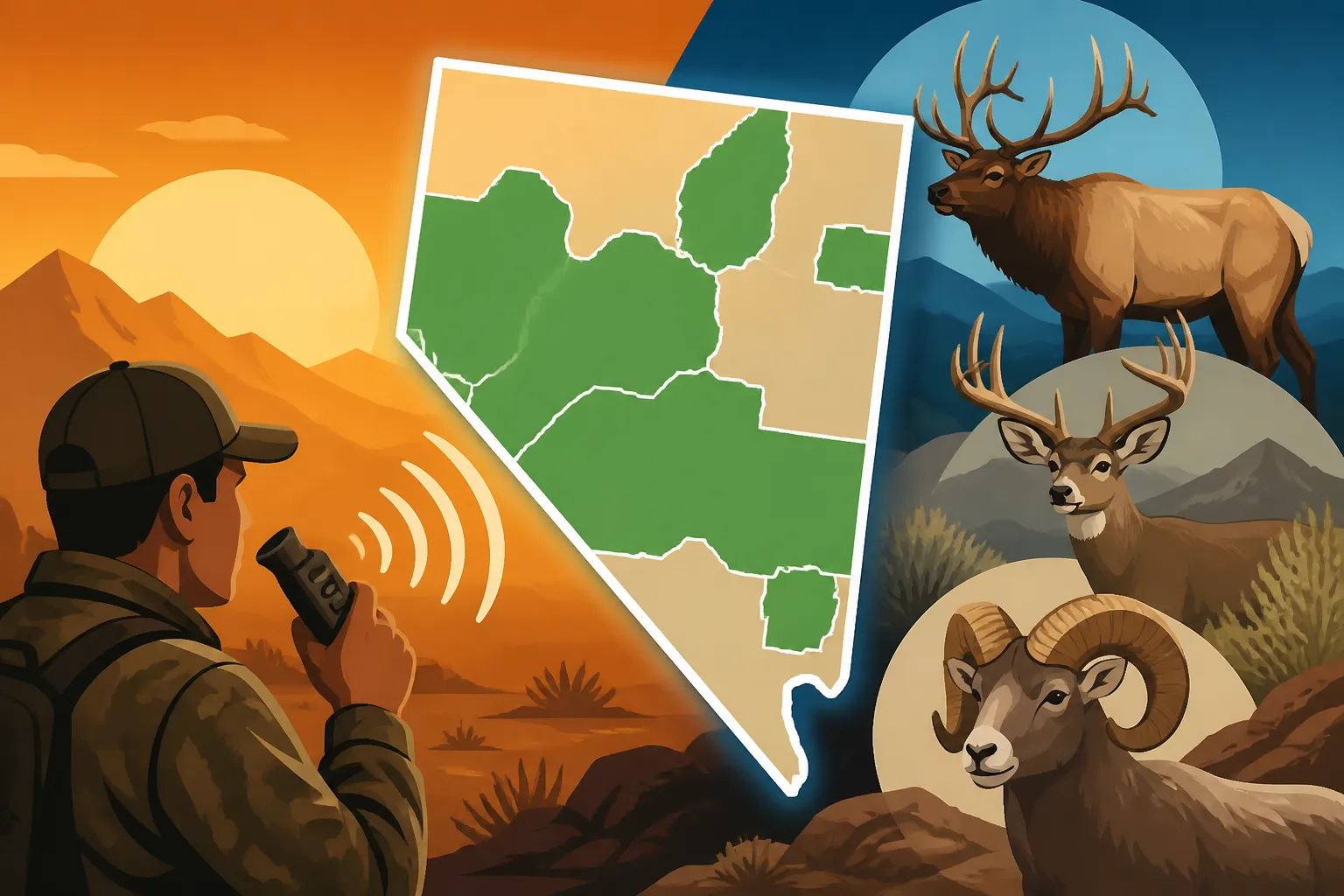
Let's get right to it: the use of electronic calls for big game in Nevada is generally prohibited. This isn't just a suggestion; it's a hard and fast rule embedded in the state's hunting regulations, and it's something every hunter needs to understand crystal clear before they head into the field. The Nevada Department of Wildlife (NDOW) is very specific about the methods of take allowed for species like mule deer, elk, bighorn sheep, pronghorn antelope, mountain goats, black bears, and mountain lions. When it comes to big game, the spirit of fair chase dictates much of what is, and isn't, permitted.
The Legal Prohibition Explained
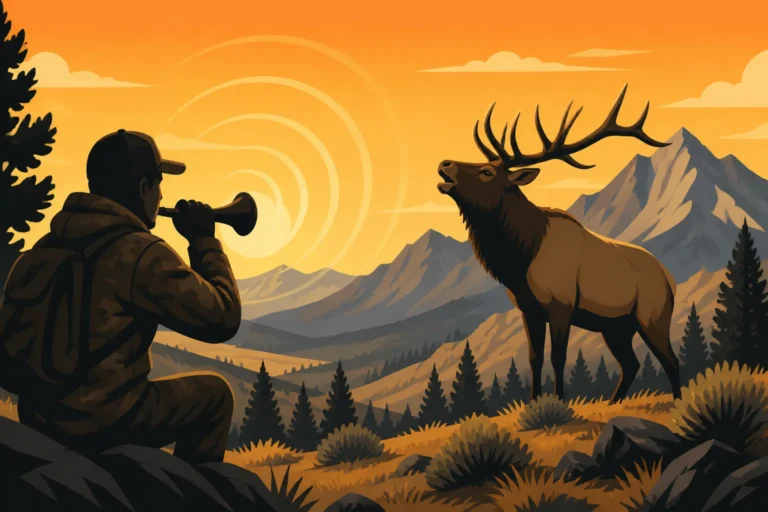
Nevada's administrative code outlines the acceptable methods of hunting big game, and electronic calls simply aren't on the list. This means you cannot use any device that amplifies or reproduces recorded or artificial animal sounds to attract or attempt to attract big game animals. It doesn't matter if it's a high-tech remote-controlled speaker system or a simple handheld device playing a pre-recorded bugle; if it's electronic and you're using it to call in a deer or an elk, you're breaking the law. This prohibition extends to all big game species, without exception, throughout their respective seasons.
For many hunters, especially those who might come from states with different regulations, this can be a real head-scratcher. You might be accustomed to using electronic calls for certain game back home, and it’s easy to assume the rules are similar everywhere. However, Nevada has a very distinct approach, largely rooted in its commitment to what is considered fair chase. This isn't about stifling innovation or making hunting harder; it's about preserving a traditional hunting experience and giving the animal a fair chance. So, before you even think about packing that fancy electronic caller for your Nevada deer hunt, remember that for big game, it needs to stay at home. You can find comprehensive details about specific species and season dates within the official Nevada Big Game Seasons and Application Guide, which should always be your primary reference.
Why the Rule Exists: Fair Chase and Ethics
The underlying philosophy behind prohibiting electronic calls for big game in Nevada, and indeed in many other western states, is centered on the principle of "fair chase." This concept, deeply ingrained in hunting ethics, essentially means that hunters should not have an unfair advantage over the animal they are pursuing. Electronic calls are perceived as providing just such an advantage, making it too easy to lure in unsuspecting animals and thereby diminish the challenge and skill traditionally associated with hunting these magnificent creatures.
Think about the effort involved in learning to use a mouth call or a rattling bag effectively, mastering the timing, the tone, and understanding how to read the landscape and the animal's reaction. This is a skill honed over years, often requiring an intimate knowledge of the animal's behavior and the terrain. An electronic call, by contrast, can instantly reproduce perfectly pitched sounds, often at volumes and durations that would be impossible for a human to maintain. This removes a significant element of the hunter's skill from the equation. NDOW's regulations aim to keep the playing field as level as possible, ensuring that hunters rely on their woodsmanship, tracking abilities, and calling prowess rather than technological shortcuts. This is also why you'll find similar prohibitions against practices like baiting, which similarly reduce the fair chase aspect by luring animals to a fixed location with food. Understanding the spirit of these rules, not just the letter, helps us all appreciate and uphold the ethical standards of hunting.
Where Electronic Calls Are Permitted in Nevada
While electronic calls are a definite no-go for big game, it’s not a blanket ban across all hunting activities in Nevada. There’s a crucial distinction made between big game and other species, and understanding this can prevent confusion and ensure you’re compliant with the law, no matter what you’re pursuing. This is where many hunters get tangled up, sometimes mistakenly believing that if a device is legal for one type of game, it must be for all.
Predator and Varmint Hunting
Here’s the good news for those who enjoy calling: electronic calls are absolutely legal and widely used for hunting predators and varmints in Nevada. This includes species like coyotes, bobcats, foxes, and various small game animals such as cottontail rabbits and ground squirrels. The rationale here is different; these animals are often managed differently, and the use of electronic calls is seen as a legitimate and effective tool for their harvest.
For predator hunters, devices from companies like Foxpro, Primos, and Lucky Duck are staples, creating realistic sounds of distress, prey animals, or other predator vocalizations to draw in curious or hungry animals. This is a highly popular and effective method, and it provides a stark contrast to the big game regulations. If you're planning on hunting coyotes year round in the Great Basin, for instance, an electronic call can be an invaluable piece of gear for locating and luring in wary canids across those vast landscapes. The ability to project sound across long distances, change calls rapidly, and maintain consistent volume can make a significant difference in success rates for these quick and cunning animals. Just make sure that if you're out hunting predators, you haven't accidentally brought your big game tag along for the ride, and keep that electronic caller reserved strictly for its legal application.
Understanding the Call vs. The Aid
It's important to clarify what "electronic call" truly encompasses within the Nevada regulations to avoid any unintended breaches of the rules. The prohibition specifically targets devices that generate or amplify animal sounds to attract game. This means traditional, non-electronic calls like mouth diaphragms, grunt tubes, rattling antlers, or even a simple piece of slate and a striker for turkey hunting are perfectly legal for big game. These require skill, practice, and the hunter's direct manipulation to produce the desired sounds.
What if you have a GPS device that shows animal movements, or a rangefinder that gives you precise distances? These are electronic tools, but they don't produce animal sounds intended to lure game, so they fall outside the scope of the electronic call prohibition. The key is the function of the device: is it emitting recorded or amplified animal sounds to trick an animal into approaching? If the answer is yes, and you're hunting big game, it's illegal. This distinction is crucial because modern hunting often involves a myriad of electronic aids, from powerful optics to e-scouting tools. While you might use a powerful spotting scope power for open country to locate animals from afar, or rely on detailed maps for E-scouting a Nevada unit before the season, these are aids for observation and navigation, not for directly luring game with sound. It's about how the technology directly interacts with the animal's behavior to draw it in versus aiding the hunter's ability to find and approach game.
| Species Category | Electronic Call Legality for Hunting | Primary Rationale/Use |
|---|---|---|
| Big Game | Illegal | Uphold Fair Chase, Ethical Hunting, Traditional Methods |
| (Mule Deer, Elk, Sheep, Antelope, Mountain Goat, Bear, Mountain Lion) | ||
| Predators | Legal | Wildlife Management, Effective Harvest of Abundant Species |
| (Coyote, Fox, Bobcat, Badger) | ||
| Varmints/Small Game | Legal | Pest Control, Sport Hunting, Population Control |
| (Rabbits, Ground Squirrels) | ||
| Upland Game Birds | Generally Illegal for Game Birds | Exception for species like Crow (check specific rules) |
| (Chukar, Quail, Sage Grouse) | ||
| Waterfowl | Legal (with specific limits) | Allowed for ducks/geese, but often restricted on volume/power |
Note: Always consult the current Nevada Department of Wildlife regulations for the most up-to-date and specific rules regarding all species.
Navigating Regulations and Staying Compliant
The landscape of hunting regulations can feel like a constantly shifting puzzle, and Nevada is no exception. It's not just about knowing the rules today, but understanding how they might change, and where to find the most accurate information. Ignorance of the law is never an excuse, and a violation can have serious repercussions, far beyond just a ruined hunt. Staying on the right side of the regulations is every hunter's responsibility, and it starts with proactive research and adherence.
The Importance of Current Regulations
Hunting regulations are dynamic, meaning they can change from year to year, or sometimes even mid-season, depending on wildlife populations, environmental factors, or legislative updates. What was legal last season might not be this season, and vice-versa. Relying on outdated information, or worse, hearsay from a friend of a friend, is a surefire way to get yourself into trouble. Therefore, the single most critical step you can take is to always consult the current Nevada Department of Wildlife (NDOW) regulations. These are typically published well in advance of the hunting seasons and are available both online and in physical booklets at NDOW offices and license vendors.
Before every season, make it a ritual to download and thoroughly read the official Big Game Seasons and Application Guide. This document is the definitive source for everything from legal shooting hours and blaze orange requirements through the season to specific unit boundaries and bag limits. For those who dive deep into unit research and draw odds, platforms like GoHunt provide excellent resources and often highlight regulatory changes or clarifications. While these resources are incredibly helpful for e-scouting a Nevada unit before the season and understanding the nuances of an area, they should always be cross-referenced with the official NDOW publications. Taking the time to understand where the current Nevada regulations are posted and making sure you're always working from the most recent version will save you a lot of headache and potential legal issues down the road.
Consequences of Non-Compliance
It might seem like a small thing, using an electronic call for big game, especially if you're used to it in other contexts. But in Nevada, the enforcement of fair chase rules is taken very seriously, and the consequences for violating these regulations can be significant and far-reaching. It’s not just a slap on the wrist; a violation can lead to substantial fines, forfeiture of your harvested animal, revocation of your hunting license and tags, and potentially a suspension of your hunting privileges for an extended period, not just in Nevada but across many other states as well, thanks to interstate wildlife violator compacts.
Imagine finally drawing that coveted Nevada elk tag after years of building up points, only to have your hunt, your trophy, and your future hunting opportunities jeopardized by a momentary lapse in judgment or a failure to check the rules. The emotional and financial cost would be immense, far outweighing any perceived advantage an electronic call might offer. Moreover, such violations tarnish the reputation of all ethical hunters, creating a negative perception of our shared passion. We all have a responsibility to uphold the integrity of hunting, and that means respecting the laws designed to protect wildlife and maintain fair chase. So, before you ever consider bending the rules, remember that the risk is simply not worth the reward, and it's far better to hunt within the established framework, relying on your skills, knowledge, and ethical approach to find success.
Disclaimer
The information provided in this guide is for general informational purposes only and is not intended as legal advice. Hunting regulations in Nevada are subject to change, and it is the sole responsibility of each hunter to consult and comply with the most current official regulations published by the Nevada Department of Wildlife (NDOW) before engaging in any hunting activities. Always refer to the official NDOW Big Game Seasons and Application Guide and related statutes.