Nevada Antelope Tag Pricing for Nonresidents
It can feel like you need a special decoder ring just to figure out what it'll actually cost to hunt big game, especially when you're a nonresident eyeing a coveted tag like Nevada antelope. The fees often pile up, and it's easy to get lost in the jargon of licenses, applications, and then the actual tag itself. This guide is here to untangle all of that for you, giving you a clear, realistic breakdown of what nonresidents can expect to pay for a Nevada antelope tag.
Breaking Down the Initial Application Costs for Nonresidents
Let's be honest, just getting your foot in the door for a Nevada big game draw as a nonresident can feel like a labyrinth. Before you even think about the cost of an antelope tag, there are a couple of mandatory fees that every nonresident hunter needs to budget for, regardless of whether you actually draw that dream tag. It’s a bit of a commitment upfront, but it’s the price of admission for a chance at Nevada’s incredible hunting opportunities.
The Mandatory Combination License
First and foremost, if you're a nonresident looking to apply for any big game species in Nevada, you absolutely must purchase a Nevada Combination License. Think of this as your base membership, granting you the privilege to hunt and fish in the state. This isn't just an "antelope thing"; it's required for deer, elk, bighorn sheep, and even upland birds if you decide to extend your trip. Many hunters find this a bit frustrating because it's a significant expense that doesn't guarantee a tag. You're essentially paying for the chance to apply, not the tag itself.
As of recent seasons, the nonresident Nevada Combination License usually hovers around the $180-$190 mark. This fee is non-refundable, so whether you draw or not, that money is spent. It's an important consideration when you're looking at your overall budget, especially if you're applying for multiple states or multiple species within Nevada. Some hunters decide to skip applying altogether if this initial cost is too steep, preferring to wait for years with better financial flexibility. This license is valid for a full calendar year, from January 1st to December 31st, so if you happen to draw a tag, you're covered for the season. If you're wondering about the breakdown, check out The Nonresident Nevada Combination License for more details.
Application Fees Per Species
On top of the combination license, each species you apply for comes with its own non-refundable application fee. Nevada Application Fees Per Species vary a bit, but for antelope, it's typically a more modest charge compared to the combination license. This fee covers the administrative costs of processing your application and entering you into the draw. It's another "skin in the game" cost that you won't get back, even if you're unsuccessful in drawing a tag.
For nonresidents, the application fee for an antelope tag is generally around $15. It might seem small on its own, but these fees can add up if you're applying for multiple species (e.g., deer, elk, and antelope) across the state. It's crucial to understand that this application fee is separate from the actual tag fee. When you apply, you're typically only charged for the combination license and the application fee. The substantial tag fee is only charged if you are successful in the draw, which is a relief for many hunters who don't want to tie up thousands of dollars for months.
The True Cost of a Nevada Nonresident Antelope Tag
So, you've paid your combination license, coughed up the application fee, and you've patiently waited through the draw period. Lo and behold, you actually drew a nonresident Nevada antelope tag! Congratulations! Now, let's talk about the big one – the actual tag fee. This is where the real investment comes in, and it's important to have a clear understanding of what that will entail.
The Antelope Tag Itself
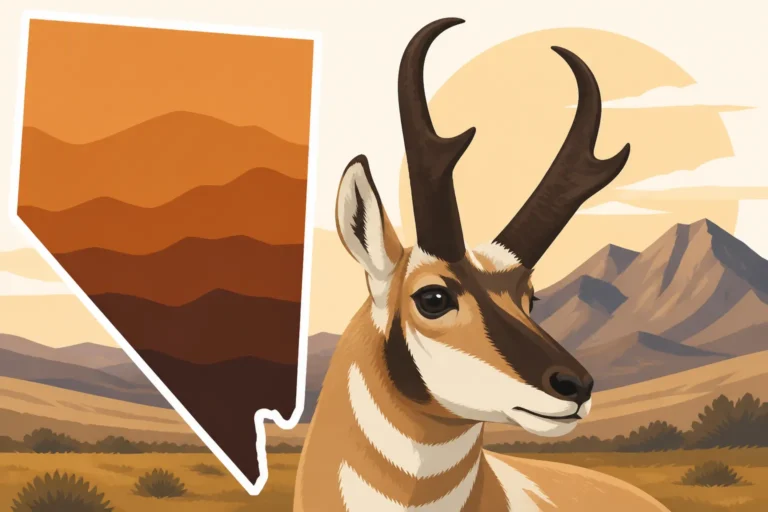
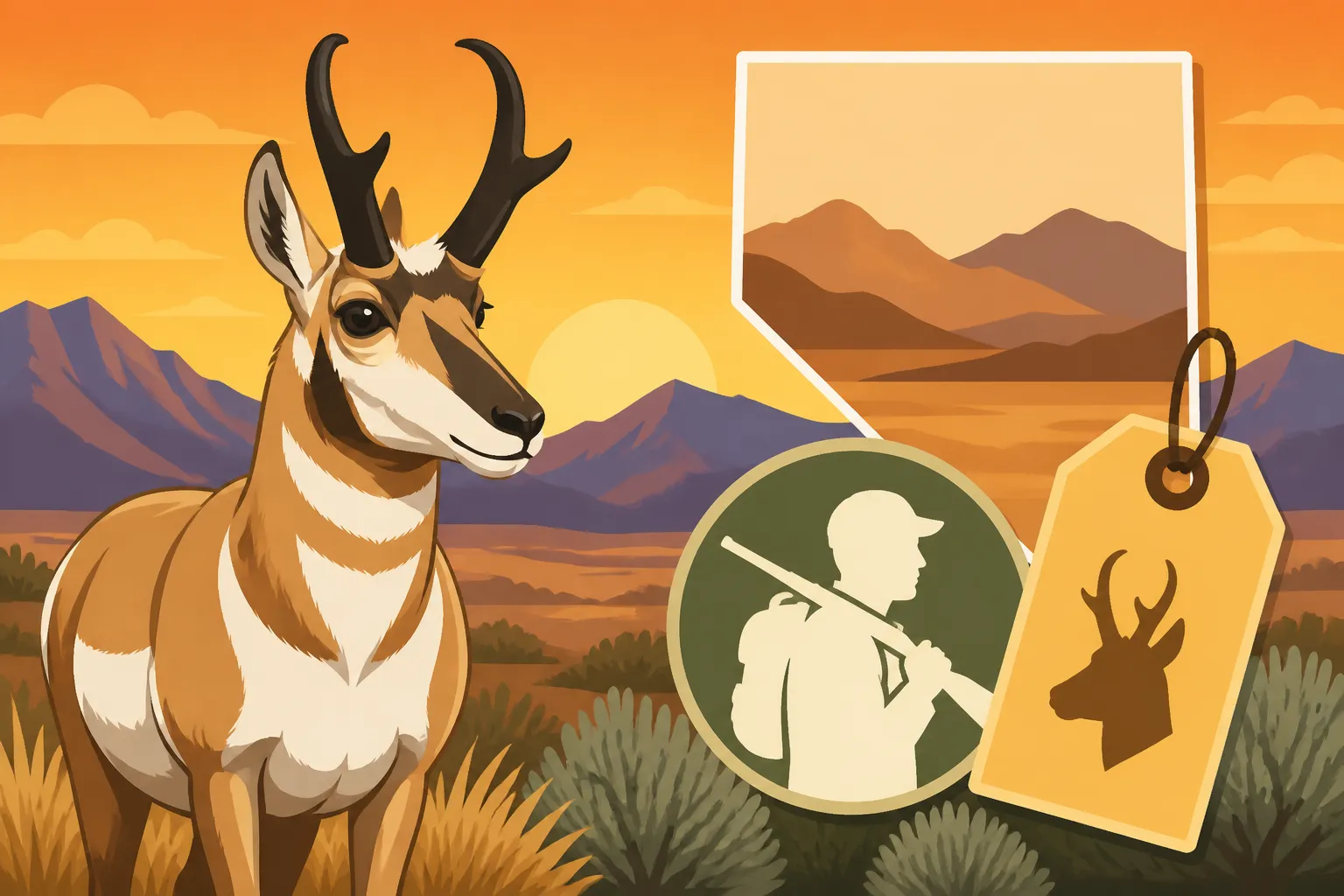
Once you're successful in the draw, the Nevada Department of Wildlife (NDOW) will charge your credit card for the full amount of the nonresident antelope tag. This fee is significantly higher than what residents pay, which is standard practice across most western states that operate on a draw system. For nonresidents, a Nevada antelope tag typically costs in the range of $350-$365. This price covers your right to hunt and harvest one antelope for the specific season and unit you drew.
It's a substantial amount, but when you consider the unique opportunity to hunt pronghorn on Nevada's vast, open flats, many hunters find it well worth the investment. Pronghorn are an iconic species of the American West, known for their incredible speed and keen eyesight. Drawing a tag for them, especially as a nonresident, is a fantastic opportunity. You can find more specific figures for Nevada Antelope and Sheep Tag Pricing within the current year's regulations. Keep in mind that these fees are subject to change slightly year-to-year based on NDOW's regulations and state budgets, so always double-check the most current official regulations when you plan to apply. The key takeaway is to have these funds readily available when draw results are released, typically at the end of May, as your card will be charged automatically.
Comparing Antelope Tag Costs
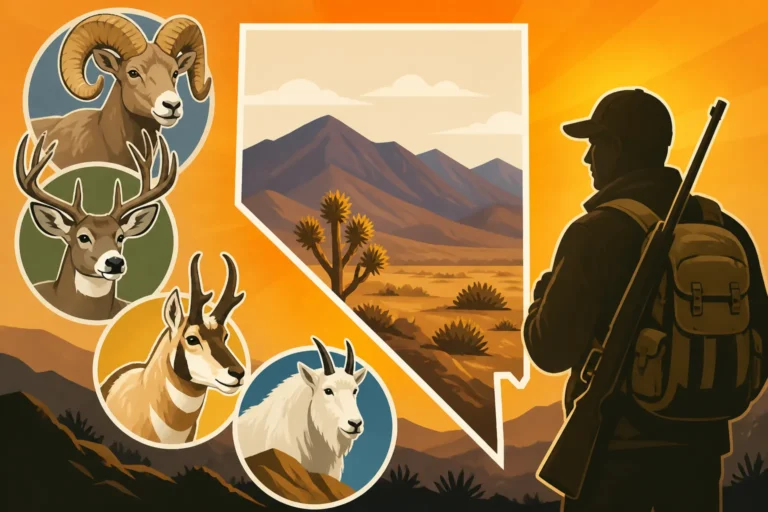
To put the antelope tag cost into perspective, it helps to see how it compares to other big game species for nonresidents in Nevada. This table outlines the approximate nonresident tag fees for major big game species, allowing you to gauge the relative investment.
| Species | Approximate Nonresident Tag Fee |
|---|---|
| Mule Deer | $300 – $350 |
| Elk | $1200 – $1500 |
| Antelope | $350 – $365 |
| Bighorn Sheep | $1200 – $1500 |
| Mountain Goat | $1200 – $1500 |
As you can see, antelope fall into a more accessible price range for nonresidents compared to the coveted elk or bighorn sheep tags. This makes them a popular choice for hunters looking to experience a Nevada big game hunt without the truly steep price tag of other species. However, it's still a significant investment, so careful planning is essential.
Additional Expenses to Factor Into Your Nevada Antelope Hunt
Drawing a tag is a huge hurdle, but the cost of the tag itself is just one piece of the puzzle. A successful nonresident antelope hunt in Nevada involves a lot more than just the permit fee. From travel to gear to processing your harvest, these additional expenses can quickly add up, and it's essential to budget for them realistically. No one wants to be caught off guard when they're miles from the nearest town.
Travel, Lodging, and Logistics
Nevada is a vast state, and antelope hunts often take place in remote, expansive areas far from major cities or even small towns. This means you'll need to factor in significant travel costs. Think about:
- Fuel: You'll be driving a lot, often on dirt roads that eat up gas. Don't underestimate the mileage you'll put on your vehicle just scouting, traveling to your unit, and then driving around the unit during the hunt. Carrying extra fuel in jerry cans is a smart move.
- Vehicle Maintenance: Nevada's backcountry roads can be brutal on tires and suspension. Make sure your vehicle is in top shape, and consider a spare tire (or two!) and a tire repair kit.
- Lodging: Are you camping? If so, your costs might be lower, but you'll still need camping gear. If you're staying in a motel in a small town, be prepared for potentially higher prices due to limited options, especially during hunting season. Many hunters choose to rough it, camping on BLM ground, which can save a lot but requires self-sufficiency.
- Food and Water: While you can pack a lot from home, you'll inevitably need to resupply. Access to potable water can be limited in the desert, so plan to bring plenty or factor in buying bottled water. Proper hydration is critical when Preparing Physically for Long Glassing Days.
- Mapping and Navigation: While not a "travel" cost, good mapping tools like onX Hunt, particularly with premium features, are almost essential for navigating public and private land boundaries, locating water sources, and E-Scouting a Nevada Unit Before the Season.
These logistical considerations can easily run into hundreds, if not thousands, of dollars depending on your setup, how far you're traveling, and how long you plan to hunt.
Gear and Equipment
An antelope hunt requires specific gear, and while you might already own some of it, there could be gaps in your arsenal.
- Optics: Pronghorn have incredible eyesight. High-quality binoculars and a spotting scope are non-negotiable for success. You'll spend a lot of time glassing for those tiny specks across the horizon.
- Rifle/Bow and Ammo/Broadheads: Ensure your equipment is sighted in and appropriate for the species. Check legal requirements for minimum bow draw weight for big game or muzzleloader caliber minimums for elk (which often apply to deer/antelope too).
- Clothing: Layering is key in Nevada's desert climate, which can swing from scorching hot to freezing cold within a single day. Think sun protection, good boots for traversing rugged terrain, and breathable, durable clothing.
- Game Processing Supplies: Once you've harvested an antelope, you'll need the means to field dress it quickly, keep the meat cool (especially in early seasons), and pack it out. This means sharp knives, game bags, a cooler, and plenty of ice.
- Emergency Gear: Remote areas mean self-reliance. Carry a first-aid kit, satellite communication device (like a Garmin InReach or Zoleo), extra food, water, and emergency blankets.
The initial investment in quality gear can be significant, but it pays dividends in safety, comfort, and success over many seasons.
Meat Processing and Taxidermy
After a successful hunt, you'll have to decide how to handle your harvest.
- Butcher: Unless you plan to process the animal yourself in the field, you'll need to find a local butcher. Processing fees can range from $100-$300, depending on the services you choose (e.g., cutting, wrapping, specialty products). Many hunters opt to learn field dressing and processing themselves to save money and ensure their meat is handled precisely to their liking, especially when dealing with August heat management.
- Taxidermy: If you harvest a trophy-quality buck, you might want to preserve the cape and horns. Taxidermy costs can vary widely but generally start at around $600-$800 for a shoulder mount and can go much higher for full mounts or more intricate work. You'll also need to consider the logistics and cost of shipping your cape and horns home if you're traveling a long distance.
These post-harvest expenses are often overlooked but are a very real part of the overall cost of a nonresident Nevada antelope hunt.
Strategic Planning and Research for Your Nevada Antelope Hunt
With all the costs involved, strategic planning is not just helpful; it's essential. Understanding the draw odds, unit quality, and season timing can greatly increase your chances of success and help you allocate your budget wisely. This is where tools and diligent research come into play.
Utilizing Online Resources and Tools
In today's hunting world, there are incredible online resources available to help you navigate the complexities of drawing a tag and planning a hunt. Platforms like GoHunt, for example, offer detailed draw odds, unit profiles, and filtering tools that can be invaluable for nonresidents. They compile years of data on harvest success, bonus points, and application trends, giving you a much clearer picture of your chances.
When you're looking at Nevada, you might want to delve into specific aspects like When Nevada Archery Deer Season Opens or the various Nevada Antelope Season Dates, even if you're focused on rifle hunting, to understand the overall hunting pressure in an area. GoHunt's Insider service provides statistics that break down draw odds by unit and weapon type, which is critical for making informed decisions. For instance, you can use their filtering system to see which units offer the best odds for a nonresident antelope tag based on your bonus point situation, if you have any. This kind of detailed information is incredibly powerful and helps prevent you from applying blind.
Researching Units and Season Timing
Beyond just understanding the draw, it’s vital to research the specific hunt units you’re interested in. What kind of terrain will you be hunting? Are you looking for high-density antelope areas or trying to chase a trophy buck? Reading a Nevada Hunt Unit Before You Apply is a critical step. Tools like GoHunt can provide satellite imagery, public land percentages, and even historical harvest data for each unit.
Consider the season timing as well. Early season hunts, like those in August, can be incredibly hot, requiring specific strategies for Sitting Water on a Nevada August Hunt and dealing with meat care. Later seasons might offer cooler temperatures but could mean different antelope behavior. Understanding these nuances will help you prepare physically and mentally for the hunt, and ensure you've packed the right gear. Many hunters also look at historical weather patterns for their chosen unit during their hunt dates to anticipate conditions. The goal is to maximize your chances by putting in the research before you ever hit the road.
Considering Bonus Points and Application Strategy
Nevada uses a bonus point system that favors persistence. For every year you apply for a species and are unsuccessful, you earn a bonus point. These points are squared, giving you an exponential advantage in future draws. This system makes it beneficial to apply consistently, even if you don't expect to draw right away.
For nonresidents, applying for antelope is often a good way to start building points for other species like deer or elk, or simply to increase your odds for antelope over time. While the upfront costs (combination license + application fee) can be steep, many hunters view it as an investment in future opportunities. Websites like GoHunt often have calculators that can project your odds based on your current bonus points and the units you're considering. This allows you to develop a long-term application strategy, balancing cost, draw odds, and your desired species.
Disclaimer
Please note that hunting regulations, license fees, and tag costs are subject to change by the Nevada Department of Wildlife (NDOW). Always consult the most current official NDOW regulations and fee schedules before applying or planning your hunt. This guide provides general information and estimates based on recent seasons.