Nevada Youth License and Tag Pricing
Getting our youth involved in hunting is one of the most rewarding experiences we can share, but let's be honest, figuring out the licensing and tag costs can feel like navigating a maze, especially when you're trying to budget for an unforgettable adventure in Nevada. It's a common frustration for parents and mentors alike, trying to ensure everything is above board without breaking the bank. This guide aims to clear up the confusion, walking you through everything you need to know about Nevada's youth hunting license and tag pricing.
Understanding the Nevada Youth Combination License
Before any young hunter can even dream of drawing a tag or heading into the field, they'll need a Nevada Combination Hunting/Fishing License. This isn't just a formality; it's the foundation upon which all other hunting privileges are built in the Silver State. Many states have different license categories, but Nevada simplifies it by combining hunting and fishing into one comprehensive license for youth. This can be a bit of a pleasant surprise for families who enjoy both activities.
What the Combination License Covers and Costs
The youth combination license in Nevada is generally for those 17 years of age and younger. It grants the holder the basic privilege to hunt and fish in Nevada, but it's crucial to understand that it does not include any big game tags. Think of it as your child's entry ticket to the general hunting and fishing scene; separate tags are then purchased or drawn for specific game species. The cost for this license is significantly lower than an adult license, reflecting the state's commitment to encouraging youth participation in outdoor sports.
For Nevada residents, the youth combination license is remarkably affordable, usually around $15. This low cost is a huge benefit, making it easier for local families to introduce their kids to hunting and fishing without a significant upfront investment. For non-residents, the price is understandably higher, typically around $150, but it still represents a good value compared to some other western states, especially considering it covers both hunting and fishing. It's really the first step, and without it, your young hunter can't participate in any tag draws or purchase over-the-counter licenses.
Why the Combination License is the First Step
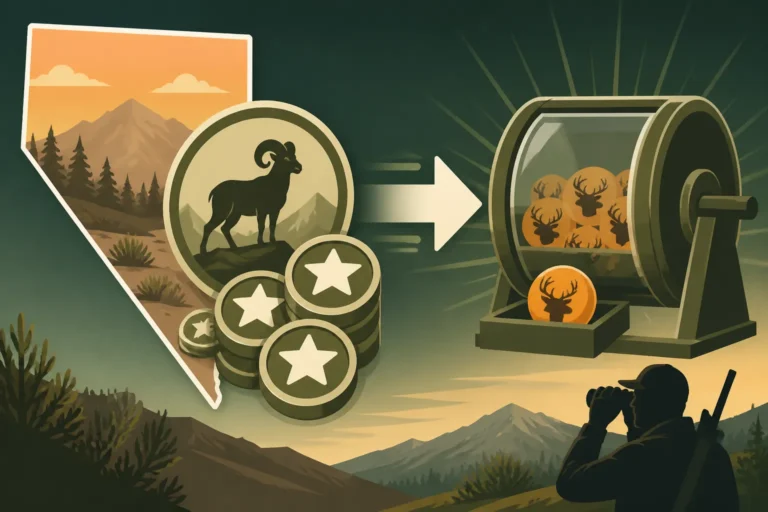
You might wonder why you need a combination license before applying for a big game tag. It’s because the license acts as the hunter identification within the system. When your child applies for a deer, elk, or antelope tag through the Nevada draw system, their application is linked directly to their valid combination license. This system helps the Nevada Department of Wildlife (NDOW) manage hunter numbers and ensure that everyone participating is properly authorized. It's also how bonus points are accumulated if your child doesn't draw a tag, which is a big deal in Nevada's competitive draw system. Understanding how Nevada squares your bonus points into draw chances is vital for long-term planning, and that journey starts with a valid license.
Beyond big game, this license is also required for hunting small game like rabbits or upland birds, and for fishing. So, even if your child doesn't draw a coveted big game tag, they can still enjoy a season of chukar hunting or fishing for trout with just this license in hand. It's a foundational piece that opens up a world of outdoor opportunities in Nevada, truly serving as the gateway to the state's rich hunting heritage for the next generation.
Specific Tag Costs for Popular Youth Hunts
Once the combination license is in place, the next step is looking at the actual tags. Nevada offers various big game opportunities, and the costs for youth tags vary significantly based on the species and residency status. It's important to differentiate between application fees (which are usually non-refundable) and the actual tag fees (which you only pay if successful in the draw).
Mule Deer and Antelope Tags
Mule deer are often the first big game animal many young hunters pursue, given their widespread presence across Nevada's basin and range country. The costs are structured to favor resident youth, making it more accessible for local families. For a resident youth, a mule deer tag, if drawn, typically costs around $25. This is incredibly affordable and a testament to Nevada's efforts to keep hunting accessible for its younger population. Non-resident youth, while still paying less than an adult non-resident, face a higher price point, usually around $120 for a mule deer tag.
Antelope, or pronghorn, offer another exciting opportunity, particularly on Nevada's open flats, and the tag pricing follows a similar structure. Resident youth can expect to pay around $25 for an antelope tag. For non-resident youth, the cost is also in the $120 range. These tags are often drawn through the same application process as adult tags, but many units have specific junior-only hunts with dedicated tag quotas, increasing the odds for young hunters. You can find details on junior deer hunt timing in Nevada within the hunting regulations. Many families find that looking at draw odds for these specific junior hunts on platforms like GoHunt can be incredibly helpful when deciding where to apply.
Elk and Other Big Game Opportunities
Elk tags are the holy grail for many hunters, and while they are notoriously difficult to draw, opportunities do exist for youth. Given the size and trophy potential of Nevada elk, these tags come with a higher price, even for youth. For resident youth, an elk tag might cost around $100. For non-resident youth, an elk tag can climb to approximately $600. While these are substantial amounts, they are still significantly lower than adult nonresident elk tags, which can run well over $1,000. It’s a considerable investment, but for many, it’s a once-in-a-lifetime chance at a trophy bull in Nevada's spectacular elk country.
Other species like bighorn sheep and mountain goat also have youth tag options, but these are extremely rare draws and come with even higher costs, sometimes reaching into the thousands even for youth non-residents. These are truly aspirational hunts, often reserved for those who have been building points for many years. It's worth noting that application fees for all species are usually minimal, often just a few dollars, and are non-refundable whether you draw or not. This covers the administrative cost of processing your application, and while it's a small sum, it's something to factor into your overall budget, especially if applying for multiple species.
Here's a quick overview of typical license and tag fees for youth in Nevada:
| Item/Species (Youth) | Resident Cost (approx.) | Non-Resident Cost (approx.) | Notes |
|---|---|---|---|
| Combination License | $15 | $150 | Required for all hunting/fishing |
| Mule Deer Tag | $25 | $120 | Separate from license |
| Antelope Tag | $25 | $120 | Separate from license |
| Elk Tag | $100 | $600 | Most expensive big game tag |
| Application Fee | $3 – $15 (per species) | $3 – $15 (per species) | Non-refundable, covers processing |
Note: These are approximate costs and can change, always check the current Nevada Department of Wildlife regulations for the most up-to-date pricing.
Navigating Age Requirements and Hunter Education for Youth
Beyond the financial aspects, understanding the age restrictions and mandatory hunter education requirements is absolutely critical for any young hunter in Nevada. The state has clear guidelines designed to ensure safety and responsible hunting practices from a young age.
Minimum Age and Supervision Rules
The minimum age to hunt big game in Nevada is generally 12 years old. This is when a child can typically begin applying for and holding big game tags. However, youth as young as 10 years old can participate in some big game hunts if they are enrolled in an apprentice hunter program and are accompanied by an adult guardian who meets specific requirements. It's a fantastic way to get younger kids exposed to the field, even if they aren't the primary shooter yet. For small game, the age requirements can be slightly more flexible, with some opportunities for even younger children when properly supervised.
Crucially, youth hunters often require direct supervision from an adult. Nevada has specific rules about who can supervise a youth hunter and what qualifications that adult must possess, such as holding a valid Nevada hunting license themselves and being of a certain age. When discussing youth hunting requirements in Nevada, it's always emphasized that the adult mentor plays an integral role, not just in guiding the hunt but in ensuring the safety and ethical conduct of the young hunter. As your child gains experience, the requirements for supervision might change, leading to opportunities where they can hunt unsupervised under specific conditions, but generally, early hunting experiences are always a team effort.
Hunter Education: A Must-Have
One of the most important requirements for any young hunter is completing a hunter education course. Nevada, like most states, mandates hunter education for anyone born after a specific date – in Nevada, it's anyone born after January 1, 1960. So, for virtually all youth hunters today, this course is not optional. The course covers firearms safety, wildlife identification, hunting ethics, and outdoor survival skills, preparing them for responsible hunting.
Nevada accepts hunter education from any state, meaning if your child completed a course in California, Utah, or anywhere else, it would generally be recognized. There are various ways to complete the course, including in-person classes and online options, often followed by a field day. While the online course offers flexibility, many parents find the in-person classes valuable for the hands-on experience and direct instruction. This certification isn't just a piece of paper; it's a foundational skill set that protects both the hunter and the wildlife they pursue. Making sure your child understands the importance of this education is part of instilling a strong hunting ethic from the start.
Maximizing Opportunities with Youth Tags
The thought of getting a youth hunter a big game tag in Nevada, especially for non-residents, can seem daunting. However, with strategic planning and utilizing available resources, you can significantly increase their chances and make the experience both successful and memorable.
Leveraging Junior-Only Hunts and Draw Odds
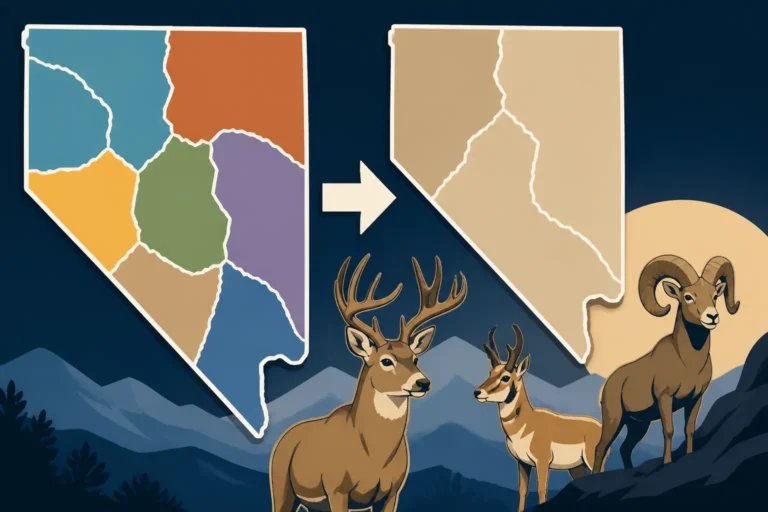
Nevada intentionally sets aside specific junior-only hunts for various species and units. These hunts are designed to provide young hunters with higher success rates and a less crowded experience, often taking place during prime times. These dedicated quotas mean your child isn't competing directly with the massive pool of adult applicants for those tags. This is where researching specific hunt codes and their associated draw odds becomes invaluable. Tools like those found on GoHunt allow you to filter by youth hunts and analyze historical draw data, giving you a clearer picture of which units offer the best chances. For example, some units might have incredible adult odds but much more favorable junior odds, making them prime targets. Understanding how to read a Nevada hunt unit before you apply is a skill that will pay dividends.
Planning ahead, sometimes years in advance, by consistently buying bonus points for your child, can also dramatically improve their odds. Even if they don't draw a tag every year, those points accumulate, building towards a higher chance in future draws. It's a long-term strategy that often pays off with a great tag down the line.
E-Scouting and Planning for a Successful Hunt
Once a tag is drawn, the real planning begins. E-scouting a Nevada unit before the season is an essential step that can save countless hours and miles in the field. Using satellite imagery, topographic maps, and public land ownership layers, you can identify potential water sources, bedding areas, travel corridors, and even likely spots to glass from. For youth hunters, especially, having a well-scouted plan can greatly reduce frustration and increase their enjoyment when they are actually out hunting.
Consider the physical demands of the hunt. Nevada hunting often involves covering vast distances, often over rugged terrain. Planning for logistics like heat management on an August archery hunt, or understanding how you'll be packing an animal out of roadless country, are all parts of the preparation. Involve your youth hunter in this planning process; it teaches them responsibility and helps them mentally prepare for the challenges and rewards of the hunt. This comprehensive approach, from understanding the costs to strategic application and thorough planning, ensures that your young hunter's Nevada adventure is as fulfilling and successful as possible.
Disclaimer
Please note that hunting regulations, license fees, and tag costs in Nevada are subject to change. It is essential to consult the most current Nevada Department of Wildlife (NDOW) regulations and official sources before purchasing licenses, applying for tags, or heading into the field. This guide provides general information and should not be considered legal advice.