Nevada Chukar Season Opening Date
There's nothing quite like the anticipation of chasing chukar across Nevada's rugged, steep terrain. It's a hunt that demands grit, good boots, and a lot of water, but missing the official opening date can quickly turn that excitement into a serious disappointment. This guide is here to walk you through when the chukar season in Nevada typically kicks off, how to stay on top of the exact dates, and what you need to consider to make sure you're ready when those birds finally come into season.
Understanding the Typical Nevada Chukar Season Opener
For many years now, chukar hunters across Nevada have circled a particular date on their calendars, almost instinctively knowing when it's time to lace up the boots and hit the hills. While exact dates can shift slightly from year to year based on wildlife management decisions, there's a strong historical precedent that helps us predict when the season will open.
Historical Precedent for the Opener
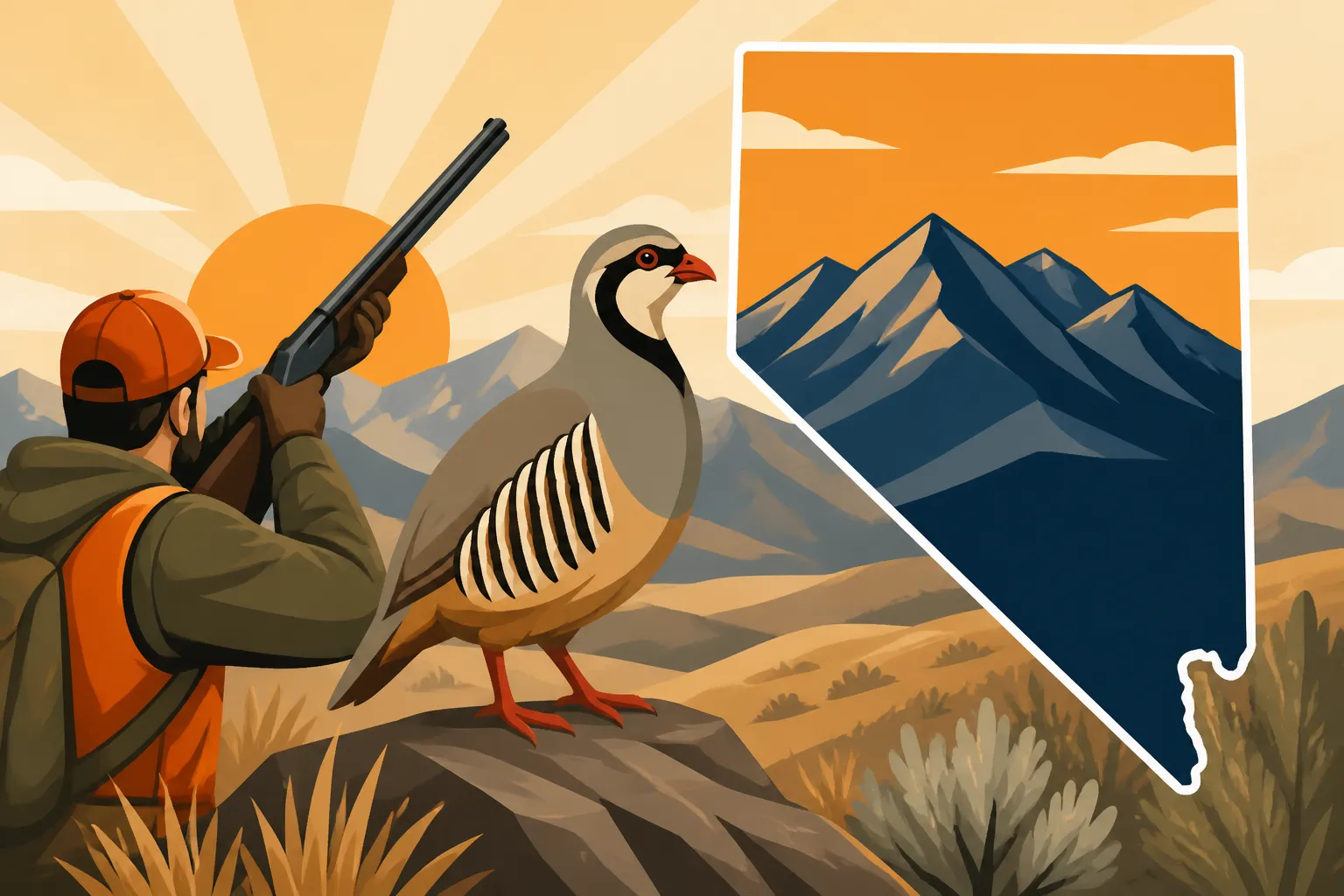
Generally, the Nevada chukar season is structured to open on the second Saturday in October. This timing is pretty consistent, giving hunters a solid timeframe to prepare. This opener often runs concurrently with other upland game seasons, providing a broad window for chasing various species. It’s important to remember that this is the general statewide opener, and while Nevada is vast, chukar management tends to follow a cohesive statewide approach for these general seasons. The beauty of this timing is that the desert temperatures have usually started to cool off a bit, making those grueling climbs a touch more bearable for both hunters and their dogs, though it can still be plenty warm.
Why Flexibility Matters in Setting Dates
Even with a strong historical pattern, the Nevada Department of Wildlife (NDOW) retains the flexibility to adjust season dates and regulations. These aren't arbitrary changes; they're rooted in sound wildlife management principles. Factors like winter survival rates, spring rainfall, and summer brood production can all influence the health and abundance of chukar populations. NDOW biologists conduct surveys and monitor conditions rigorously. If, for example, a severe drought year leads to poor chick survival, they might adjust bag limits, or in extreme cases, even shift season dates, though the latter is less common for the general chukar season opener. This scientific approach ensures sustainable hunting opportunities for future generations, even if it means we, as hunters, need to stay vigilant about checking the current regulations.
The Importance of Early Planning
Knowing the general opening weekend is just the first step. You'll want to use this knowledge to start your pre-season planning. For chukar, this isn't just about loading up on shells; it's about physical conditioning, checking your gear, and scouting potential areas. The terrain these birds call home is famously brutal, and you'll thank yourself for putting in the work early. Many hunters start scouting well before the season, hiking known chukar spots to look for fresh sign, water sources, and escape routes. This early prep helps fine-tune your strategy, making sure you're not just ready for the date, but also for the demands of the hunt itself.
Factors Influencing the Chukar Season Dates
While the second Saturday in October is a reliable starting point, understanding the underlying factors that influence this date and the overall health of the chukar population is crucial. Nevada is a land of extremes, and these variables play a significant role in how good a season might be.
Rainfall and Habitat Conditions
Perhaps no single factor influences chukar numbers and, consequently, NDOW's management decisions, as much as rainfall. Chukar thrive on annual forbs and grasses that flourish after good precipitation. A wet winter followed by a mild, moist spring can lead to an explosion in insect populations, which are vital for growing chukar chicks. Conversely, prolonged drought can severely impact nesting success and chick survival, leading to lower bird numbers. NDOW's decision-making process for season structures and bag limits is heavily informed by these environmental conditions. A hunter keeping an eye on winter snowpack and spring rains can often get a decent read on the upcoming chukar season. You can dive deeper into how vital precipitation is by reading about How Rainfall Drives Chukar Numbers.
Population Surveys and Management Decisions
NDOW conducts regular surveys to assess chukar populations across the state. These surveys often involve roadside counts and habitat assessments, allowing biologists to estimate bird numbers and reproductive success. The data collected from these surveys is what ultimately guides the game managers in setting quotas, bag limits, and season lengths. They aim to strike a balance between providing ample hunting opportunities and ensuring the long-term health of the chukar population. While the opening date is often consistent, bag limits or other specific regulations might be fine-tuned based on these annual assessments. This is why always checking the most current regulations is non-negotiable.
Regional Variations in Season or Opportunities
While the general chukar opener is typically statewide, it's always wise to remember that some highly localized conditions could theoretically lead to specific unit closures or restricted opportunities, though this is rare for chukar. More commonly, regional differences manifest in bird numbers. Some years, certain parts of the state might experience better rainfall or milder winters, leading to stronger chukar populations in those areas. Hunters using advanced mapping tools, like those offered by GoHunt, can often cross-reference historical data with current conditions to pinpoint areas that might have higher concentrations of birds for the opener. Understanding Chukar Country on Nevada's Steep Slopes helps clarify these geographical nuances.
How to Confirm the Official Nevada Chukar Season Opening Date
Never rely on hearsay or last year's calendar. The official regulations are your gospel. Confirming the precise opening date and all associated rules is paramount for a legal and successful hunt.
Official NDOW Channels
The Nevada Department of Wildlife (NDOW) website is your absolute best source for the most current and official regulations. Annually, usually in late summer or early fall, NDOW publishes its "Upland Game, Waterfowl, and Furbearer Seasons and Regulations" booklet. This document will explicitly state the opening date for chukar, along with bag limits, possession limits, and any other pertinent rules. You can typically download this PDF directly from the NDOW website, or pick up a physical copy wherever hunting licenses are sold, such as sporting goods stores or even some larger general stores in rural areas. Make sure you're looking at the regulations for the current hunting year.
Online Hunting Resources
Beyond the official NDOW channels, many reputable online hunting resources do a fantastic job of compiling and interpreting state regulations. Websites like GoHunt provide excellent tools and articles that break down season dates, draw odds, and hunting strategies for various species, including chukar. They often have interactive maps and unit profiles that can be invaluable for pre-season scouting and understanding specific nuances of different hunting areas. Using a platform like this can complement the official NDOW regulations by providing additional context and planning tools. Just remember to always cross-reference any information with the official NDOW regulations to ensure accuracy.
Community and Forum Wisdom
While official sources are non-negotiable, the collective wisdom of the hunting community can also be incredibly helpful. Online hunting forums specific to Nevada, or even local hunting clubs, are great places to connect with other chukar fanatics. You can often find discussions about current conditions, anecdotal reports on bird numbers, and shared excitement about the upcoming season. Just be discerning with the information you find; use these communities for insights and camaraderie, but always verify critical details like season dates and regulations through official channels. Local knowledge can be priceless, especially when trying to Find Low Pressure Ground on Opening Weekend in a vast state like Nevada.
Preparing for the Opener: Beyond the Date Itself
Knowing the Nevada chukar season opening date is a great start, but the real work begins in preparing yourself and your gear for one of the most physically demanding, yet rewarding, upland hunts out there. Chukar hunting isn't just a walk in the park; it's a vertical marathon.
Physical Demands and Gear Essentials
Chukar are famously referred to as "Devil Birds" for a reason – they live on the steepest, rockiest, most unforgiving slopes. This means your physical conditioning needs to be top-notch. Long, steep climbs followed by even tougher descents are the norm. Don't underestimate it. Start an exercise routine well in advance that focuses on endurance and leg strength. When it comes to gear, your boots are arguably the most important piece of equipment. Invest in high-quality, ankle-supporting boots designed for rocky, uneven terrain. Blisters and twisted ankles are common ailments for the unprepared. Read Choosing Boots for Sharp Volcanic Rock for more detailed advice on selecting the right footwear. Beyond boots, layers of clothing suitable for swinging temperatures, plenty of water, and a robust backpack are essential. As we've covered in Preparing Physically for Long Glassing Days, endurance is key in the Nevada backcountry.
Scouting and Unit Selection
Understanding where to hunt chukar effectively is almost as important as knowing when. Nevada's vast landscape offers incredible opportunities, but chukar habitat is specific. They prefer rocky, arid slopes with sparse vegetation, often near water sources. Utilize topographical maps, satellite imagery, and tools like GoHunt's mapping overlays to identify promising areas. Look for broken terrain, rocky draws, and any visible water sources like springs or guzzlers. Many successful chukar hunters start their scouting early, even in the summer, looking for sign, dusting bowls, and escape routes. Chukar Country on Nevada's Steep Slopes details exactly what kind of terrain to look for, and Best Chukar Country in Northern Nevada points to specific regions known for good bird numbers.
Understanding Regulations and Bag Limits
While the opening date is a primary concern, the rest of the regulations are equally important. Pay close attention to the daily bag limit and possession limit for chukar. These can vary year to year based on population health, so always confirm them in the current regulations. Be aware of legal shooting hours, which generally run from sunrise to sunset. Make sure you understand carcass tagging requirements, if any, and other general hunting rules like blaze orange requirements, though it's often not strictly mandated for upland bird hunting, it's always a good idea to wear some for safety, especially in areas with other hunters. For specifics on how many birds you can take, consult Nevada Chukar Bag Limits.
Optics for the Terrain
Unlike many upland bird hunts where a shotgun is your primary tool, good optics are indispensable for chukar. These birds are experts at blending into their rocky surroundings and can be incredibly difficult to spot from a distance. A good pair of binoculars (10×42 or 10×50 are popular choices) and even a spotting scope can help you glass distant hillsides to locate birds, especially in the mornings when they might be feeding or sunning themselves. This allows you to plan your approach more strategically, saving your legs from unnecessary climbs. For more on selecting the right glass, check out Optics Power for Nevada's Long Sightlines.
The Unique Challenge and Rewards
Hunting chukar in Nevada is truly an experience unto itself. These birds are considered Chukar Is Nevada's Signature Upland Bird for good reason; they embody the wild, rugged spirit of the state. It's not just about the birds; it's about the incredible landscapes, the solitude of the vast desert, and the immense satisfaction of earning every single bird you harvest. Understanding Elevation Bands Worth Understanding in Nevada can help you predict where birds might be holding based on temperature and vegetation changes throughout the season. It’s tough, yes, but the payoff of a successful chukar hunt, with those plump, delicious birds in your vest, is unmatched.
Here's a quick reference for the typical season structure for chukar in Nevada:
| Species | Season Type | Typical Opening Date | Typical Closing Date | Daily Bag Limit | Possession Limit |
|---|---|---|---|---|---|
| Chukar | General | Second Saturday in October | Last Sunday in January | 6-8 (variable) | 12-16 (variable) |
| Partridge | General | Second Saturday in October | Last Sunday in January | 6-8 (variable) | 12-16 (variable) |
| Quail | General | Second Saturday in October | Last Sunday in January | 6-8 (variable) | 12-16 (variable) |
Note: Bag and possession limits are typical and subject to change annually. Always consult the current Nevada Department of Wildlife regulations for precise details.
Disclaimer
The information provided in this guide is for general informational purposes only and is not a substitute for the official regulations published by the Nevada Department of Wildlife (NDOW). Hunting laws and regulations can change annually. Always consult the current year's official NDOW hunting regulations before planning or undertaking any hunting activity in Nevada.