Which Nevada Species Require a Guide
Navigating the ins and outs of Nevada's hunting regulations can feel like trying to read a topo map in the dark, especially when it comes to understanding whether a guide is actually required for your dream hunt. Many hunters, particularly non-residents, get a bit lost in the details, worrying they'll spend all that time applying only to find out they need an expensive guided trip. This guide is here to clear up that confusion, explaining exactly when a guide is mandatory, and when it's simply a valuable option.
The General Rule: No Guide Required for Most Nevada Hunts
Let's cut right to the chase because this is where a lot of the anxiety lies: for the vast majority of big game hunts in Nevada, a guide is not legally required. This is a common misconception, especially for out-of-state hunters who might be used to different rules in other western states. Nevada values public land access and independent hunting, so if you draw a standard big game tag, you are absolutely free to embark on your own adventure, whether you're a resident or not.
Resident and Non-Resident Big Game Essentials
Whether you've lived in the Silver State your whole life or are coming from across the country, the fundamental rule remains the same for most big game species. When you successfully draw a tag for mule deer, elk, antelope, or even bighorn sheep through the general draw, you are not mandated by the Nevada Department of Wildlife (NDOW) to hire a licensed guide. You are expected, however, to comply with all other regulations, including having your valid Nevada's Combination License Comes Before Any Tag and the appropriate tag in possession. This means you can pack your bags, scout your unit, and chase game on public lands without needing a professional guide leading the way.
It's a liberating thought, isn't it? The freedom to explore the vast expanse of Nevada's public lands, setting up your own camp, and putting your own scouting and hunting skills to the test is a huge draw for many. While places like the Ruby Mountains or the Jarbidge Wilderness can be incredibly remote and challenging, the choice to go it alone or bring a trusted buddy is entirely yours. This flexibility really opens up opportunities for hunters on a tighter budget who still want to experience Nevada's incredible wildlife.
Understanding Your Standard Draw Tag
When you navigate the application process, perhaps using a tool like GoHunt to analyze draw odds and unit preferences, you're primarily applying for what are considered "standard" tags. These are the tags allocated through the general draw process, which accounts for the vast majority of permits issued each year for species like mule deer, elk, and antelope. For these tags, whether it's an archery, muzzleloader, or rifle season, a guide is optional.
This means if you're holding a tag for late season deer hunts in Nevada or an archery elk tag for one of Nevada's prized units, you're good to go solo or with your hunting partners. The regulations are more focused on ethical hunting practices, legal shooting hours and blaze orange in Nevada, and carcass requirements than on how you choose to navigate the terrain or find your animal. The state's emphasis is on fair chase and responsible hunting, regardless of whether you've paid someone to help you. Many experienced hunters relish the challenge of a DIY hunt, spending countless hours E-Scouting a Nevada Unit Before the Season and planning their approach.
When a Guide Might Be Required or Highly Recommended
While the general rule is "no guide required," there are specific, albeit rare, circumstances where a guide might become a condition of your hunt or, more commonly, highly recommended due to the nature of the tag or the terrain. It's important to differentiate between a legal requirement and a practical recommendation.
Dream Tags, Partnership Tags, and Special Opportunities
This is where the "guide required" question can sometimes pop up. Nevada has a few unique tag programs that operate outside the standard draw:
- Dream Tags: These are highly coveted tags raffled off annually, offering a hunt-of-a-lifetime opportunity for various species. While winning a Dream Tag doesn't always legally require a guide, the terms and conditions for these tags can sometimes include specific provisions, especially if they involve access to certain private lands or highly managed areas. It's crucial to thoroughly review the specific rules associated with the year you win a Dream Tag. For instance, the organization managing the tag might recommend or even facilitate a guided experience to maximize success and ensure compliance with any unique land-use agreements.
- Partnership in Wildlife (PIW) Tags: These tags are offered through conservation groups and are often auctioned off or raffled to raise funds for wildlife projects. Similar to Dream Tags, the specific terms and conditions for PIW tags can vary. While many PIW tags for species like mule deer or elk do not legally mandate a guide, some may include a guided hunt as part of the package or explicitly state that a guide is required, particularly if the hunt involves special access to private lands or unique management units. Always confirm these details with the specific conservation group before participating.
- Disabled Veteran and Mobility Impaired Hunts: These special hunts are designed to provide opportunities for hunters with specific needs. While the state aims to make these hunts accessible, sometimes a guide or an assistant who fulfills guiding duties might be a practical necessity for the hunter's safety and success, though usually not a legal mandate by NDOW itself.
The key takeaway here is to always read the fine print for any non-standard tag. The general draw rules are straightforward, but specialty tags can introduce unique conditions.
Private Land Access Through an Outfitter
Even if a guide isn't legally required by the state, an outfitter can become essential if you're looking to hunt on private land. Much of Nevada is federally owned, but there are significant private land holdings, especially in the valleys and near agricultural areas. Accessing these private properties for hunting almost always requires permission from the landowner, and often, this permission is brokered through a licensed outfitter.
Outfitters often have existing relationships with ranchers and farmers, securing exclusive hunting leases or trespass fee arrangements. In these scenarios, you're not paying for a guide because the state requires it, but because the landowner requires it for access. The outfitter serves as your gateway to hunt specific, high-quality private ground that would otherwise be inaccessible. This is a common arrangement for hunters targeting trophy animals who want to avoid public land pressure, and it's where services like those found on GoHunt, which sometimes highlight guided opportunities, can be useful. A guide in this instance is less about a legal requirement and more about a contractual agreement for access and service.
Choosing a Guide for Challenging Hunts Even if Not Required
Beyond legal mandates, many hunters choose to hire a guide, especially for species known for their difficulty or for hunts in incredibly rugged and remote terrain. For instance, while you don't need a guide to hunt bighorn sheep, it's widely recognized that Nevada Bighorn Sheep Guided Hunts significantly increase your odds of success. These hunts are physically demanding, often occurring in steep, unforgiving landscapes, and finding the sheep can take an expert eye and deep knowledge of the specific unit.
Consider the following species and situations where a guide, though not required, can be a game-changer:
- Bighorn Sheep: These hunts are often once-in-a-lifetime opportunities. The terrain is brutal, and spotting sheep requires specialized skills and optics. Guides often spend months scouting and know the specific drainages and escape routes.
- Mountain Goat: Similar to sheep, these alpine dwellers live in extreme environments. Navigating the high country safely and effectively often benefits from local expertise.
- Trophy Elk or Mule Deer: For hunters targeting specific age-class animals in vast, open country, guides can offer unparalleled knowledge of migration patterns, historical animal locations, and effective Glassing Nevada's Basin and Range for Mule Deer techniques. Their extensive scouting can save you days or even weeks of trial and error.
- Remote Backcountry Hunts: If your tag takes you deep into a wilderness area requiring pack animals or extended stays in extremely rugged terrain, a guide or outfitter can provide crucial logistical support, safety, and expertise in navigating and extracting your animal. This is particularly true for hunts like Packing an Animal Out of Roadless Country.
Even for chukar hunting, which doesn't fall under "big game," while not legally required, hiring a Chukar Guides and Dog Work can turn a punishing search into a rewarding experience, especially if you don't have well-trained bird dogs yourself.
Ultimately, choosing to hire a guide when it's not legally required is a personal decision based on your experience, physical capabilities, available time, and budget. They can provide invaluable assistance, especially when facing the challenges of Preparing Physically for Long Glassing Days or trying to maximize a precious tag.
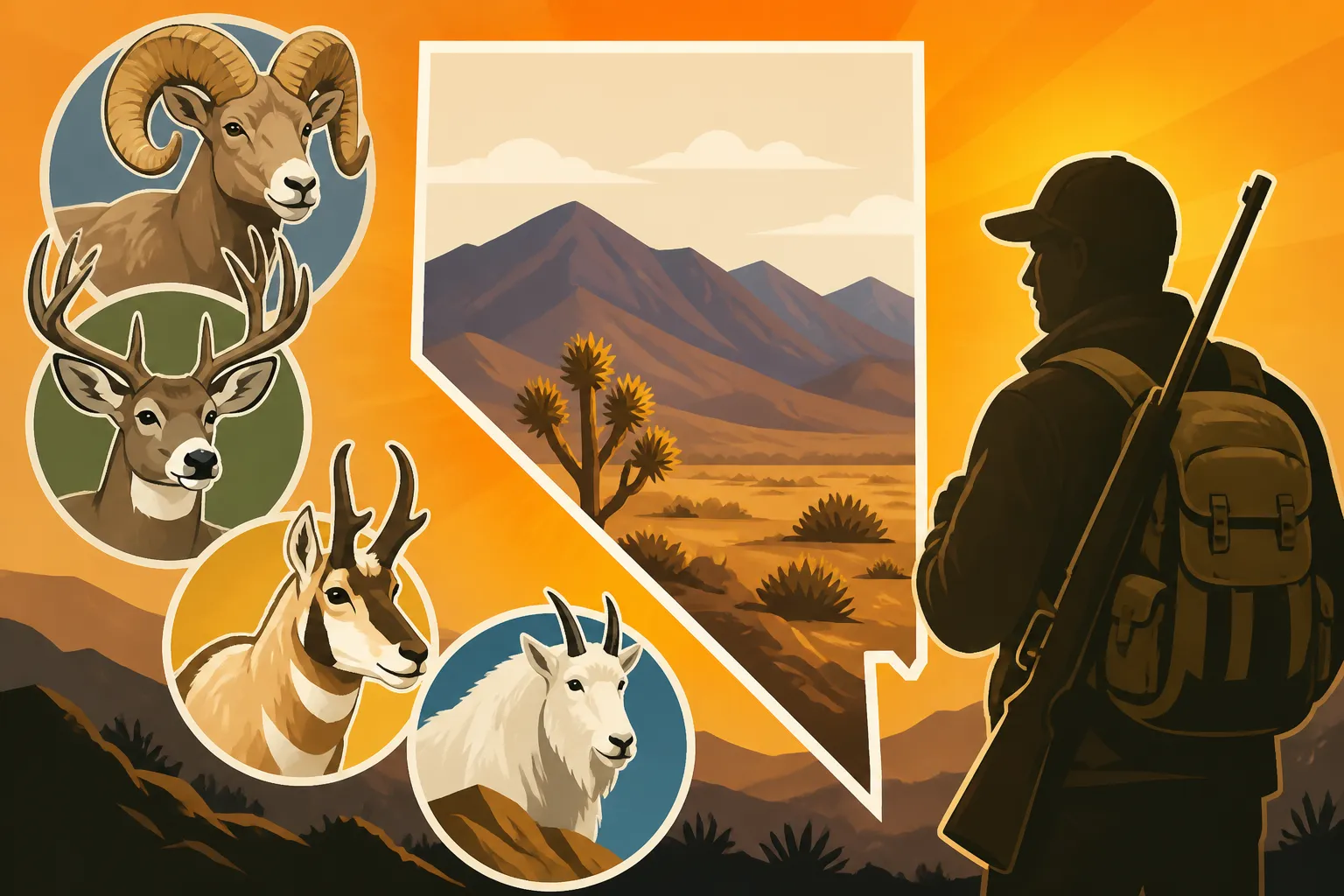
Summary Table: Guide Requirements by Nevada Species (General Tags)
To help visualize, here's a quick reference for general draw tags:
| Species | Resident Guide Required? | Non-Resident Guide Required? | Notes |
|---|---|---|---|
| Mule Deer | No | No | Most popular draw species. Guide optional, but common for trophy hunts or in remote units. |
| Elk | No | No | Guide optional. Often considered for first-time elk hunters or those seeking specific trophy bulls. |
| Pronghorn | No | No | Guide optional. Terrain is often open, making glassing skills paramount, but a guide can help with strategic approaches. |
| Bighorn Sheep | No | No | Guide optional. Highly recommended for success due to rugged terrain and animal behavior. (e.g., Desert, California, Rocky Mountain Bighorn). |
| Mountain Goat | No | No | Guide optional. Similar to sheep, highly recommended for safety and success in extreme high-altitude environments. |
| Black Bear | No | No | Guide optional. Bear hunting in Nevada often involves hounds, which usually means hiring a specialized guide with dogs. |
| Mountain Lion | No | No | Guide optional. Most lion hunting is done with hounds, making a specialized guide with dogs practically essential, similar to bear. |
| Upland Birds | No | No | Guide optional. Chukar and Huns are extremely challenging; a guide with good dogs is a huge advantage. |
| Waterfowl | No | No | Guide optional. Local knowledge of blinds and flyways is valuable, but not required. |
| Small Game | No | No | Guide optional. |
Important Note: This table refers to standard tags drawn through the general application system. Dream Tags, PIW Tags, or private land access arrangements may have different conditions. Always verify the specific rules for your tag.
Making the Choice: DIY vs. Guided
The decision to hire a guide in Nevada is a significant one, impacting your budget, experience, and often, your success rate. Since the state largely leaves it up to you, it's worth taking the time to honestly assess your situation.
Weighing the Benefits of Professional Guidance
A good guide brings a wealth of knowledge and experience to the table that can be invaluable, especially in a state as vast and challenging as Nevada.
- Local Expertise: They know the unit, the historical animal movements, water sources, bedding areas, and escape routes. This can save you days of unproductive scouting and hunting.
- Increased Success Rates: Guides often boast higher success rates because of their experience, dedicated scouting, and ability to react to changing conditions. For a Nevada Elk Rifle Hunts Stretch From October Into December or a late mule deer hunt, this can be critical.
- Logistical Support: From providing horses for pack-in trips to setting up comfortable spike camps, guides handle the gritty details, allowing you to focus purely on the hunt. This includes things like knowing What Vehicle Support Means Far From Town.
- Safety: In remote, rugged country, a knowledgeable guide can be a vital safety net, especially when dealing with unforeseen circumstances like injuries or severe weather. They understand things like Snake Awareness on an August Archery Hunt or navigating treacherous terrain.
- Reduced Learning Curve: For new hunters or those new to Nevada's unique terrain, a guide can fast-track your learning, teaching you valuable skills and strategies that would take years to acquire on your own.
Before committing, it’s crucial to know Vetting a Nevada Outfitter Before You Send a Deposit and ask questions about their experience, what their typical hunt includes, and their success rates for the unit and species you've drawn.
Resources for Planning Your Own Nevada Adventure
If the DIY route calls to you, Nevada is incredibly accommodating. The key is thorough preparation and utilizing available resources.
- NDOW Regulations: The official Nevada Department of Wildlife website is your primary source for all regulations, season dates, and unit information. Always consult the most current hunting proclamation.
- E-Scouting Tools: Platforms like GoHunt, OnX Hunt, and other mapping software are essential for breaking down units, identifying public land boundaries, spotting water sources, and planning access. They can show you everything from Reading a Nevada Hunt Unit Before You Apply to potential glassing points.
- Online Forums & Social Media Groups: Connect with other Nevada hunters. You can learn a lot from their experiences, though always filter advice with a critical eye.
- Physical Maps: Topographic maps from the USGS or BLM are invaluable for understanding terrain features, even if you rely heavily on digital maps. They offer a tangible sense of the landscape.
- Physical Preparation: Nevada hunting is often demanding. Whether it's hiking steep chukar hills or covering miles of sagebrush flats for deer, getting in shape is paramount.
The beauty of Nevada is that it offers both paths. You can undertake an epic solo journey, relying solely on your skills and preparation, or you can leverage the expertise of a professional guide to enhance your experience. The choice, for most tags, is wonderfully yours.
Disclaimer
The information provided in this guide is for general informational purposes only and does not constitute legal advice. Hunting regulations in Nevada are subject to change. Always consult the official Nevada Department of Wildlife (NDOW) regulations and proclamations for the most current and accurate information before planning or undertaking any hunting activity.