Transferring a Nevada Tag to Another Hunter
It's incredibly frustrating, isn't it? You pour over maps, scout for months, anxiously wait for draw results, and then finally — you pull that coveted Nevada tag. But then, life happens. An unexpected injury, a family emergency, or a sudden work commitment throws a wrench in your plans, and suddenly you're wondering, "Can I just transfer this tag to my buddy or my kid?" This guide is here to walk you through the realities of transferring a Nevada big game tag, explaining why it's generally not possible, what alternatives you might have, and how to navigate these often-disappointing situations.
The Immutable Truth: Nevada's Tags Are Non-Transferable
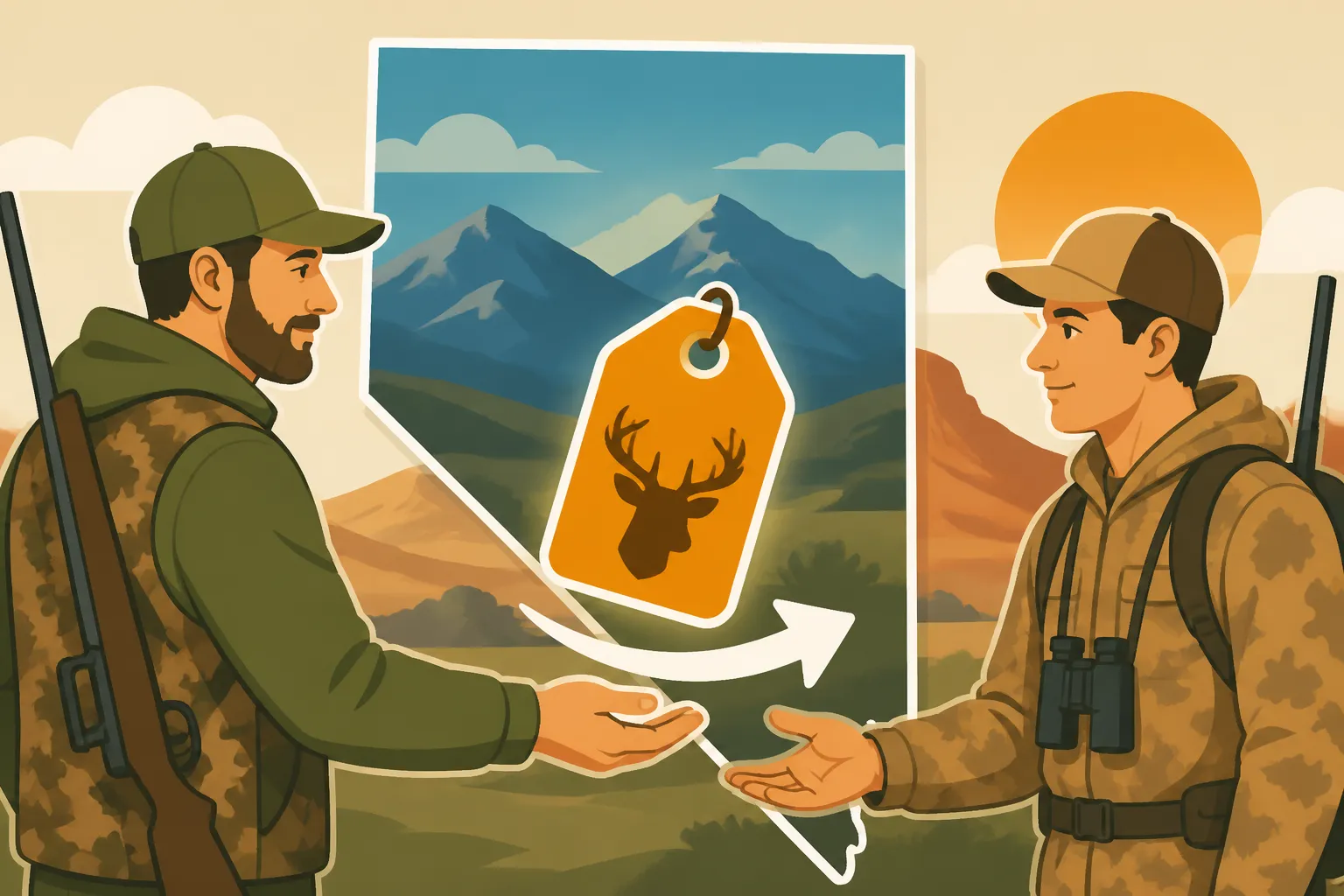
Let's get straight to the point because it's the most common question and often the most heartbreaking answer: In Nevada, big game hunting tags are issued specifically to the individual who applied for and drew them. They are not transferable to another hunter, regardless of the circumstances. This means if you drew a tag for mule deer, elk, or any other species, that tag is tied to your name, and your name alone.
Why Tags Are Strictly Personal and Non-Transferable
The reason for this strict policy comes down to fair chase principles, resource management, and the integrity of the draw system. Nevada, like many Western states, manages its big game populations through limited entry draws to ensure sustainable hunting opportunities and prevent overharvesting.
- Fairness in the Draw: Every tag is a hard-won prize for most hunters, often accumulated over years of building bonus points. If tags could be freely transferred, it would undermine the entire draw system, creating a secondary market and potentially giving an unfair advantage to those who didn't go through the draw process themselves. The system is designed to provide equal opportunity based on points and luck, not on financial leverage or last-minute changes of plans.
- Resource Management: Each tag represents a precise harvest quota for a specific unit and season. When the Nevada Department of Wildlife (NDOW) issues a tag, it's part of a carefully calculated plan to manage herd health and population objectives. Allowing transfers could complicate this management, making it harder to track harvest data accurately or ensure the right number of animals are taken from specific areas.
- Legal Accountability: The person whose name is on the tag is the one legally responsible for adhering to all hunting regulations for that specific hunt. This includes legal shooting hours, blaze orange requirements, and tagging procedures. Transferring a tag would blur this accountability and create a logistical nightmare for game wardens in the field.
What Happens When Life Throws a Curveball?
It’s an agonizing scenario: you’ve got the tag of a lifetime, perhaps a coveted bull elk tag or a late-season mule deer opportunity, and then you break a leg, a critical work project demands your full attention, or a beloved family member falls ill. The desire to pass that tag on to a deserving friend or family member is natural. However, the hard truth is that if you cannot personally participate in the hunt, that tag will unfortunately go unused.
There are no provisions within Nevada's hunting regulations for transferring a tag due to illness, injury, or any other personal hardship. This can feel incredibly unfair, especially when you've invested so much time and money into the application process. It’s a harsh reality that many hunters have faced, highlighting the unpredictable nature of life outside the hunting season.
Unpacking Common Misconceptions and Specific Scenarios
The "no transfer" rule often leads to questions about specific situations or perceived loopholes. It's crucial to understand why these avenues are also closed off to avoid potential legal trouble or wasted effort.
The Indelible Mark of Your Name on the Tag
When you receive your physical tag from NDOW, whether it's by mail or printed from your online account, your name is prominently displayed. This isn't just a formality; it's a legal identifier. That tag is a personal permit for you to harvest a specific animal in a specific area during a specific timeframe. It's akin to a driver's license or a passport – it's issued to an individual and cannot be used by anyone else.
The unique hunt number, such as those found on a Reading a Nevada Hunt Unit Before You Apply document, further identifies the specific parameters of your hunt, and these are all tied back to your individual application and draw success. Any attempt to use a tag issued in another person's name would constitute a serious violation of Nevada hunting laws, potentially leading to fines, revocation of hunting privileges, and even jail time, depending on the severity of the offense. It's simply not worth the risk.
Are There Any Exceptions for Youth or Special Circumstances?
Hunters often ask if exceptions exist for youth hunters or those with disabilities. Unfortunately, for big game tags drawn through the general draw, the same non-transferability rule applies. If a youth drew a tag but then became unable to hunt, that tag still cannot be given to another child or adult.
Nevada does offer specific opportunities like Youth Hunting Requirements in Nevada with dedicated junior-only hunts, but even within these, the individual who drew the tag is the only one authorized to use it. While the intent behind such questions is often noble – wanting a young hunter to experience the outdoors or ensuring a tag doesn't go to waste – the legal framework doesn't allow for it. The system is built on personal participation and individual accountability.
The Legality of "Gifting" a Tag or Selling It
Beyond outright transfer, some hunters might consider attempting to "gift" a tag or, more seriously, trying to sell a drawn tag. It's important to be crystal clear:
- Gifting is Not an Option: Giving someone else your drawn tag, even without money changing hands, is still considered an illegal transfer and a violation of state hunting regulations. The spirit of generosity is admirable, but the law doesn't make such distinctions when it comes to tag ownership.
- Selling is Highly Illegal: Selling a big game tag is a very serious offense, considered trafficking in wildlife permits. This carries severe penalties, including hefty fines, loss of hunting privileges for many years, and even potential felony charges. Nevada's wildlife agencies rigorously monitor for such activities to protect the integrity of the draw system and prevent commercial exploitation of wildlife. You'll find wildlife agencies take these matters very seriously to protect the limited resource and ensure fair opportunity for all legal hunters.
What You CAN Do: Exploring Valid Alternatives When a Tag Goes Unused
While transferring a tag isn't an option, that doesn't mean you're entirely without recourse. Nevada offers specific mechanisms to manage your tag if you can't go hunting, primarily revolving around the bonus point system.
Surrendering Your Tag for Point Restoration
This is arguably the most important alternative to understand if you draw a tag but realize you can't use it. Nevada's draw system is unique in that it squares your bonus points, meaning the more points you have, the exponentially higher your chances of drawing. For example, understanding Why Four Nevada Bonus Points Buy Seventeen Chances highlights just how valuable those points are.
If you drew a tag and cannot hunt, you have the option to surrender that tag back to NDOW. In most cases, if you surrender your tag before the season begins (and sometimes by a specific deadline), you can have your bonus points restored for that species. This means you don't lose the points you've accumulated, effectively allowing you to try again in future draws without starting from scratch.
It's crucial to check the specific regulations each year for the exact deadline and procedure for Nevada Tag Surrender and Point Restoration. Missing this deadline could mean forfeiting your points and the opportunity to apply in future years without having to rebuild. While it's disappointing to give up a tag, restoring your points means your investment in the draw system isn't completely lost, offering hope for a future season.
Considering Applying for Leftover Tags
If you surrender your tag or simply didn't draw one in the initial process, you might still have a chance to hunt later in the year. Nevada often has a limited number of "leftover" tags that weren't claimed in the main draw or were returned. These tags are typically offered on a first-come, first-served basis after the main draw results are posted.
While these leftover tags are usually for less desirable units, specific weapon types (like archery or muzzleloader), or antlerless opportunities, they can still provide a valuable hunting experience. Keep an eye on the NDOW website for announcements regarding Nevada Second Draw and Leftover Tags and when these tags become available for purchase. You'll need to be quick, as they often sell out very rapidly. This is another area where tools like GoHunt can be invaluable, as they often track leftover tag availability, helping you act fast if an opportunity arises.
Can You Return a Nevada Tag for a Refund?
While surrendering your tag can restore your points, it's a different matter when it comes to refunds. Generally, Nevada does not offer refunds for drawn tags that go unused. The application fees are usually non-refundable regardless of draw success, and once a tag is issued, the state considers the transaction complete.
However, specific circumstances might warrant a refund, such as a documented medical emergency or death, but these are handled on a case-by-case basis and are not guaranteed. It's always best to contact NDOW directly if you believe you have an exceptional circumstance. For most situations, the answer to Can You Return a Nevada Tag for a Refund? will unfortunately be no.
Navigating the Draw: Planning and Preparation to Avoid Disappointment
Given the strict non-transferability rule, the best strategy for Nevada hunters is thorough planning and realistic assessment of your availability and physical condition before you apply.
Commitment in the Draw Process
When Nevada Big Game Applications Open in March and run through May, you're making a significant commitment. Understanding the process of How Nevada Notifies Successful Applicants is important, but more so is the commitment you're making if you actually draw. This isn't just about the financial investment of the application fees and the full tag price – consider The All-In Price of a Nevada Nonresident Deer Tag – it's about the time commitment for scouting, preparation, and the actual hunt itself.
The draw system is designed to allocate a finite resource, and each application represents a serious intent to hunt. If you're unsure about your ability to commit to a hunt in a given year, it might be wiser to consider a point-only purchase, which allows you to build points without applying for a tag. This ensures you maintain your point standing for future, more certain opportunities.
Leveraging Tools for Smart Unit Choices
Before you even submit your application, spend considerable time researching your chosen units. This is where resources like GoHunt become incredibly powerful. They provide detailed insights into draw odds, success rates, habitat, and terrain for each unit, helping you make informed decisions. Knowing how to use these tools for Reading Nevada Hunt Draw Statistics can help you assess the real likelihood of drawing and the quality of the hunt.
- E-Scouting: Modern hunters have an incredible advantage with e-scouting. Utilizing tools like onX Hunt or GoHunt maps allows you to virtually explore units, identify potential water sources, access points, and glassing knobs. This in-depth E-Scouting a Nevada Unit Before the Season can give you a realistic picture of the hunt’s demands and help you decide if a particular unit aligns with your physical capabilities and available time.
- Physical Preparation: Nevada hunting is often physically demanding, especially when Preparing Physically for Long Glassing Days in rugged, high desert terrain. If you're applying for a strenuous backcountry elk hunt, honest self-assessment of your physical readiness is crucial. No matter how much you want a tag, if your body isn't ready, the experience will suffer, and you might not even be able to complete the hunt.
| Situation | Can Tag Be Transferred? | Alternative Action | Point Restoration? |
|---|---|---|---|
| Hunter injured/sick | No | Surrender tag to NDOW | Yes (by deadline) |
| Unexpected work/family commitment | No | Surrender tag to NDOW | Yes (by deadline) |
| Hunter wants to give tag to friend/family | No | N/A (Illegal to transfer) | N/A |
| Tag drawn in error / Not desired | No | Surrender tag to NDOW | Yes (by deadline) |
| Missed the season/forgot to hunt | No | Tag goes unused; points typically forfeited | No |
Remember, the goal is not just to draw a tag, but to have a successful and ethical hunt. Part of that means understanding and respecting the rules governing tag ownership. While the "no transfer" rule can be disappointing, it's a cornerstone of responsible wildlife management and fair opportunity for all hunters in the Silver State.
Disclaimer
The information provided in this guide is for general informational purposes only and is subject to change. Hunting regulations, seasons, and tag policies are set by the Nevada Department of Wildlife (NDOW) and can be updated annually. Always consult the official NDOW regulations and website for the most current and accurate information before applying for a tag or heading into the field.