Reading a Nevada Hunt Unit Number
It can feel like you need a secret decoder ring just to understand Nevada's hunting regulations, especially when you encounter those cryptic hunt unit numbers. They're more than just arbitrary digits; they're the key to understanding precisely where, when, and how you can pursue game. This guide will unravel the mystery of Nevada's hunt unit numbering system, transforming those confusing codes into clear, actionable information for your next adventure.
What Exactly is a Nevada Hunt Unit Number?
For many hunters, especially those new to Nevada's vast and diverse landscapes, the string of numbers associated with a hunt can be intimidating. It's not just a random identifier; it’s a carefully constructed code designed by the Nevada Department of Wildlife (NDOW) to manage game populations efficiently and allocate hunting opportunities fairly. Think of it as a condensed instruction manual, telling you a surprising amount about the hunt without having to read a full page of regulations. Understanding this system is fundamental to planning any successful hunt in the Silver State.
The Necessity of Unit Boundaries
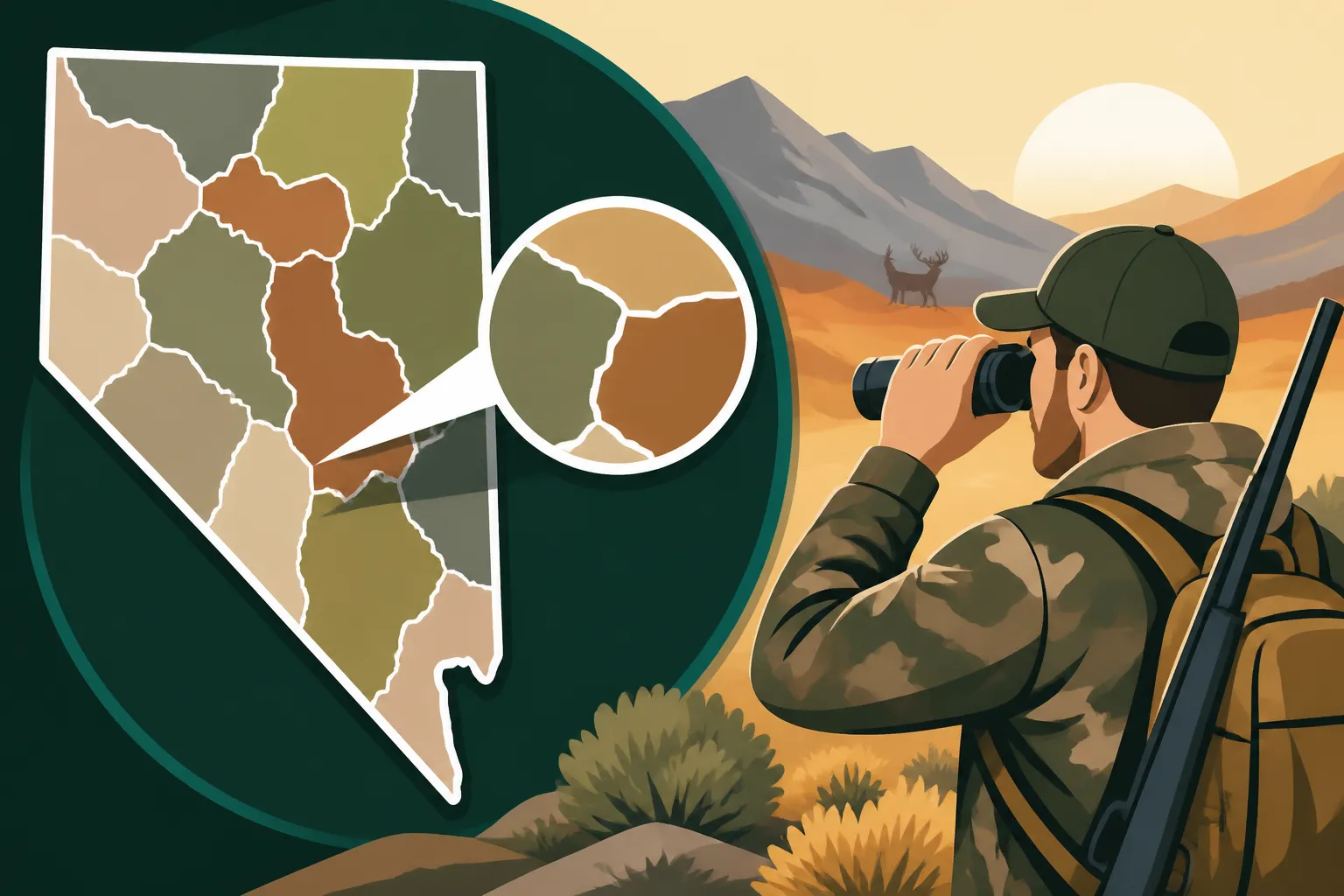
Nevada is an immense state, with a staggering amount of public land covering diverse ecosystems from high alpine peaks to arid desert basins. Managing wildlife across such a varied and expansive territory would be impossible without breaking it down into smaller, more manageable sections. This is precisely why hunt unit boundaries exist. These boundaries allow NDOW to conduct precise population surveys, assess habitat conditions, and set specific harvest quotas for different areas.
Imagine trying to manage deer across the entire state at once – it would be a logistical nightmare! By dividing the state into units, wildlife biologists can tailor management strategies to the unique conditions of each region. This means that a mule deer herd in the northern mountain ranges might be managed differently than one in the central Great Basin, based on localized factors like forage availability, drought conditions, and herd health. For hunters, this translates into specific regulations for each unit, including season dates, weapon types, and tag allocations. It’s why a deer hunt in Unit 111 isn't the same as one in Unit 031; the terrain, deer density, and even the genetics of the animals can be vastly different, offering unique challenges and rewards. Without these boundaries, a popular area could be overhunted while another remains largely untouched, leading to unsustainable practices.
Beyond Just a Number: A Hunting Code
A Nevada hunt unit number is far more than a simple geographical label; it’s a compact piece of information that encodes critical details about the hunting opportunity. Each digit, or set of digits, tells you something specific about the species, the general location, the weapon choice, and often the season's timing. Once you learn to decipher this code, you gain an immediate understanding of a hunt without having to sift through countless pages of the regulations handbook.
This system is invaluable for efficient planning and application. For example, when you're quickly scanning the hunt quotas in the NDOW regulations or using an e-scouting tool, seeing a hunt number like "1114" instantly tells you it pertains to a specific geographical unit (111) and hints at a particular type of hunt (perhaps a rifle deer hunt). If the number were "1111," it might signify an archery deer hunt in the same unit. This immediate contextual understanding saves a tremendous amount of time and helps prevent misinterpretations when researching potential hunts or applying for tags. It's a system designed for clear, albeit coded, communication once you become proficient in reading it.
Breaking Down the Digits: What Each Number Means
Unlocking the secrets of a Nevada hunt unit number involves understanding the function of each segment of the code. While specific numbers can vary based on species and season, the general structure follows a predictable pattern that, once learned, becomes intuitive.
The Geographic Identifier
The initial part of any Nevada hunt unit number is almost always a three-digit code that designates the geographical hunt unit. For instance, "111" refers to Unit 111, a specific area defined by NDOW that remains constant regardless of the species being hunted within it. These units are typically quite large, often encompassing entire mountain ranges and the valleys that lie between them. This base number is the foundational element of the hunt code, establishing the physical boundaries of your potential hunting grounds.
Whether you're applying for mule deer, elk, or pronghorn, Unit 111 will always be the same piece of Nevada landscape. Knowing the precise geography of these base units is incredibly important. You can delve deeper into understanding these boundaries by reading our guide on "Reading a Nevada Unit Boundary Before You Apply", which can help you visualize the physical territory associated with each three-digit code. Many hunters find it helpful to start their research by familiarizing themselves with these larger geographical units before diving into the specific hunt types. The frustration of trying to visualize where these units actually are quickly fades with practice and the right resources, making the vastness of Nevada's public lands feel a bit more manageable.
The Species and Season Indicator
Following the initial three-digit geographic identifier, the next one or two digits in the hunt number usually provide clues about the species and the general season type. This segment of the code begins to narrow down the specific kind of hunt being offered within that geographical unit. For example, staying with our Unit 111, a hunt number might progress to "1114." The "4" in this instance could signify a general rifle deer hunt. If the hunt number were "1111," that "1" might be used to indicate an archery deer hunt within the same unit.
These indicator digits are standardized within the annual Nevada hunting regulations, but they aren't always universally intuitive at first glance; they require a quick cross-reference to the species and season tables provided by NDOW. This is where understanding "How Nevada Unit Groups Combine" can be particularly useful, as it shows how different layers of information (like species and weapon type) are stacked within these numerical codes. It’s crucial to realize that while the base unit (e.g., 111) remains the same, the addition of these next digits completely changes the nature of the hunt. This level of detail allows NDOW to manage specific species and hunter pressure effectively within each defined geographical area.
The Weapon and Specific Hunt Code
The final set of digits, or sometimes a single digit or letter, adds another layer of specificity to the hunt unit number, often detailing the exact weapon type, the precise timing of the season, or even the sex of the animal. This segment refines the hunt code further, ensuring very targeted management and allocation of tags. For example, if we extend our hypothetical hunt number to "11142," the "111" is still our base unit, and the "4" still points to a general deer rifle hunt. However, the final "2" could denote a late rifle hunt, distinguishing it from an earlier rifle season in the same unit, or it might specify a specific limited-entry hunt with unique rules.
In other cases, this final code might indicate a particularly restrictive weapon type, such as a muzzleloader-only hunt, or it might specify an antlerless-only tag. This level of granular detail is vital for hunters, as it directly impacts their equipment choices and their expectations for the hunt. For instance, a late rifle hunt, indicated by such a specific code, often provides opportunities to pursue larger bucks as they begin their migration or rutting activities, as explored in articles like "Late Rifle Deer Seasons in Nevada". Understanding these suffixes is key to ensuring you're applying for and participating in the exact hunt you intend, with the correct gear and mindset.
Here's a simplified breakdown of how a typical Nevada hunt unit number might be structured:
| Position in Code | What it Represents | Example (11142) | Meaning |
|---|---|---|---|
| First 3 digits | Geographic Hunt Unit | 111 | Designates the physical hunting area. Consistent across species within that specific boundary. |
| Next 1-2 digits | Species & Season Type | 4 | Often indicates the target species (e.g., deer) and the general weapon type (e.g., rifle). |
| Final 1-2 digits | Specific Hunt Detail | 2 | Further specifies season timing (e.g., early vs. late), a particular weapon variant (e.g., scoped muzzleloader), or the sex of the animal (e.g., antlered only, antlerless). |
Understanding Unit Groups and How They Combine
Sometimes, what looks like a single hunt unit number on your application or tag might actually represent something much larger. Nevada's system includes the concept of "unit groups," which can be a bit confusing at first glance but are designed to offer more expansive hunting opportunities when wildlife populations range across multiple contiguous units.
Why Units Are Grouped
The Nevada Department of Wildlife will occasionally group several individual geographical units together for a specific hunt. This practice serves several important management objectives. First, it acknowledges that certain animal populations, such as highly migratory mule deer or wide-ranging elk, don't strictly adhere to arbitrary boundary lines. By grouping units, NDOW can create a more realistic and effective hunt area that encompasses the animals' typical movements.
Second, grouping units allows NDOW to distribute hunting pressure more broadly, preventing a disproportionate number of hunters from concentrating in a single smaller unit. This can be particularly important in areas with lower animal densities or sensitive habitats. Finally, unit groups can be used to meet specific harvest quotas more efficiently. If a larger number of tags needs to be issued for a certain species in a general region, combining units into a group makes it possible to offer a more extensive hunt area. You might encounter a hunt number listed as "031-035," for example. This isn't a typo; it means that the tag, if drawn, is valid for individual units 031, 032, 033, 034, and 035. This significantly expands the amount of ground you can cover, offering both more opportunity and a greater challenge in scouting.
How Unit Groups Affect Your Application
When you apply in the Nevada draw, you are always applying for a specific hunt number, not just a geographical unit. If that hunt number corresponds to a unit group, then the tag you receive (should you be successful) will be valid across all the individual units listed within that group. This has profound implications for your hunting strategy. On one hand, it grants you access to a much larger expanse of territory, potentially increasing your chances of finding game and providing more options if conditions change during your hunt. On the other hand, a larger hunt area also means more ground to scout and potentially more hunters with similar tags spread across that broader region.
Understanding "Nevada Unit Groups and How They Combine" is absolutely vital for strategizing your application. It influences not only your draw odds but also your pre-season scouting efforts. If you draw a tag for Unit Group 031-035, you've got a lot of ground to cover! You'll need to think about access points, the distribution of water sources, and where the deer or elk might be concentrated across such a vast area. This might completely change your approach to tactics like "Glassing Nevada's Basin and Range for Mule Deer", as you'll be looking at a much larger landscape than a single unit might present. Being aware of unit groups can help you make more informed decisions when choosing your hunt codes, ensuring your application aligns with the type of hunting experience you're truly seeking.
Practical Application: Using Unit Numbers for E-Scouting and Planning
Once you've grasped the nuances of Nevada's hunt unit numbering system, these once-cryptic codes transform into powerful tools for planning and executing a successful hunt. The true value lies in how you apply this knowledge to your e-scouting, application strategy, and overall preparation.
Cross-Referencing with Maps and Regulations
Decoding the unit number is just the first step; the real work begins when you cross-reference that information with official NDOW hunt regulations and detailed topographical maps. This is where modern e-scouting tools truly shine. Traditional paper maps can be invaluable, but digital platforms integrate layers of data that significantly simplify this process. Many advanced mapping solutions, like those offered by GoHunt, allow you to overlay precise unit boundaries directly onto satellite imagery and topographical maps. This instant visualization helps you understand the terrain, identify public and private land parcels, locate crucial water sources, and pinpoint potential escape cover or bedding areas for game.
The frustration of trying to visualize exactly where these units are located, especially in Nevada's remote and often unmarked landscapes, quickly diminishes with these digital resources. You can zoom in, analyze contour lines, and even mark potential glassing knobs or travel corridors from the comfort of your home. It's crucial, however, to always double-check the exact unit boundaries against the most current NDOW regulations. A slight misreading or outdated map can lead to inadvertently hunting outside your permitted unit, which is a serious offense. Remember, our guide on "Reading a Nevada Unit Boundary Before You Apply" provides a deeper dive into confirming these critical lines on a map.
Improving Your Draw Strategy
A thorough understanding of the unit numbering system can profoundly impact your draw strategy, especially in a state like Nevada where tags for popular species and units are highly sought after. Different hunt numbers, even within the same base geographical unit, can have vastly different draw odds. This variance is often due to factors like the season timing, the specific weapon type (e.g., archery vs. rifle), or whether the tag is for an antlered or antlerless animal.
For instance, knowing that "1111" signifies an early archery hunt and "1114" represents a late rifle hunt in the same Unit 111 can completely change how you approach your application. Archery tags might have slightly better odds but require a different skill set, while late rifle hunts, like those described in "Why Late Seasons Produce Bigger Bucks", often have tougher odds but hold the promise of bigger animals. Nevada's unique squared bonus point system, explained in detail in "How Nevada's Squared Bonus Points Work", means every choice you make on your application carries weight. By meticulously researching each hunt number and its associated draw statistics, you can make more informed decisions that align with your personal hunting goals and the realities of the draw. This meticulous approach helps manage expectations and maximizes your chances of drawing a tag for the experience you desire.
Leveraging Tools like GoHunt
In today's hunting world, leveraging integrated digital platforms is no longer a luxury but a strategic necessity, especially when deciphering complex systems like Nevada's unit numbers. Services like GoHunt have revolutionized how hunters approach the draw and plan their outings by consolidating vast amounts of data into an accessible format. Instead of sifting through dozens of PDFs from various sources, you can pull up a specific unit, see its exact boundaries overlaid on a detailed topographical map, and instantly access historical draw odds, harvest success rates, and even species-specific habitat information. This dramatically streamlines the e-scouting process mentioned in "E-Scouting a Nevada Unit Before the Season".
For instance, if you're targeting "Mule Deer Are the Reason Most Hunters Apply in Nevada", GoHunt allows you to quickly compare different hunt numbers within various units. You can see how "Why Nevada Draw Odds Vary So Much by Unit" are affected by the specific weapon choice or season timing encoded in the hunt number. This comprehensive approach means you can spend less time struggling with regulations and more time strategically planning your hunt. Whether it’s identifying prime "Hunting Water in Nevada's Driest Country" within a particular unit or analyzing "Reading a Nevada Hunt Statistics Table" for a specific hunt number, these tools empower you to make data-driven decisions, significantly improving your chances of success from the application phase all the way through your time in the field.
Disclaimer
The information provided in this guide is for general informational purposes only and is not intended as legal advice. Hunting regulations in Nevada are subject to change, and it is the hunter's sole responsibility to consult the most current official regulations published by the Nevada Department of Wildlife (NDOW) before applying for tags or engaging in any hunting activities. Always verify unit boundaries, season dates, weapon restrictions, and all other applicable rules directly with NDOW.