Nevada Archery Deer Season Structure
Trying to make sense of Nevada's archery deer season can feel like trying to find a needle in a desert haystack, especially with all the talk of unit groups, application periods, and those squared bonus points. It's enough to make any hunter's head spin before they even draw their bow. This comprehensive guide will untangle the complexities of Nevada's archery deer season structure, walking you through the application process, key regulations, and essential hunting strategies so you can focus on chasing that high desert mule deer.
Understanding the Nevada Archery Deer Hunt Landscape
Nevada's vast, wild landscapes offer some incredible opportunities for archery deer hunters, but it's a completely different game than hunting in timbered states. The seasons are structured to take advantage of specific times of year, often before the general rifle seasons, presenting unique challenges and rewards. Knowing these nuances is crucial for success.
The Allure of Early Season Archery
There's a special magic to early season archery in Nevada. We're talking late summer, often August, when bucks are still mostly in velvet and haven't been pressured by hunters. The heat can be brutal, but the opportunities for patterned deer, especially around precious water sources, are unparalleled. You're trying to catch these animals in their summer routines, before the cooler weather and increased human activity scatter them. This early window provides a chance to get out there when most other seasons are still closed, offering a true wilderness experience. The quiet of the sagebrush flats and the crisp, clear mornings, even if followed by scorching afternoons, are a huge draw for dedicated bowhunters seeking an unpressured hunt.
For many, the early archery season is the only chance to chase deer before they become wary of human presence. It allows for more predictable patterns around food and water, which is a huge advantage for bowhunters who need to get in close. This period is when you're most likely to observe deer in larger bachelor groups, presenting a challenge in selecting the right animal without disturbing the others. It's not for the faint of heart, given the heat and the physical demands of still hunting or glassing vast expanses, but the rewards—like connecting with a velvet buck—are truly special. If you're wondering When Nevada Archery Deer Season Opens, it's typically in early August, offering that distinct advantage before other hunters hit the field.
Key Dates and Unit Variations
Nevada's archery deer seasons are not a one-size-fits-all affair. They vary significantly by hunt unit, and sometimes even within unit groups. Most archery seasons open in August and run for a few weeks, but it's absolutely critical to consult the current year's Nevada Department of Wildlife (NDOW) hunting regulations for the precise dates of the unit you're targeting. Some units might have a slightly later opening or closing, and missing these details could invalidate your hunt. This unit-specific approach means that careful planning and research are paramount, as the season you applied for might differ slightly from a neighboring area. This variation allows NDOW to manage deer populations effectively across diverse habitats, from the high alpine ranges to the low desert basins.
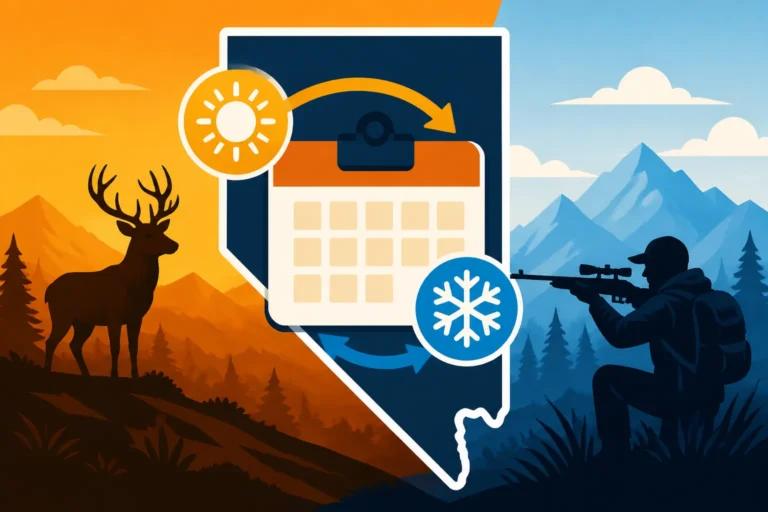
It's also worth noting that some units might offer late archery seasons, often coinciding with or just after the general rifle seasons in late fall, giving hunters a completely different set of conditions to contend with – colder weather, post-rut activity, and potentially snow. These late seasons can be incredibly challenging but also offer the chance at a mature buck in harder-to-reach winter ranges. Understanding these specific windows, like Nevada's August Archery Deer Window, is essential for strategizing your application and hunt. Tools like GoHunt's Insider platform are invaluable for quickly looking up unit-specific dates and application details, helping you cut through the noise and pinpoint the exact season structure for your desired area. This attention to detail can make or break your hunt planning, ensuring you're in the right place at the right time.
Navigating Nevada's Unique Draw System for Archery Deer
Drawing a Nevada archery deer tag can be a tough nut to crack, especially for the more sought-after units. Unlike over-the-counter tags you might find in some states, Nevada operates on a draw system that incorporates bonus points, making it a long-term game for many hunters. Understanding how this system works is key to improving your odds, even if it feels like a marathon, not a sprint.
The Bonus Point System Explained for Archery
Nevada's bonus point system is unique in that it squares your accumulated points for each application, significantly increasing the weight of those who have been consistently applying. For example, if you have two bonus points, you don't just get three chances (your current application plus two points); you get five chances (your application plus 2×2=4 points). This mechanism is designed to reward loyalty and persistence, giving long-term applicants a much better shot at drawing a coveted tag. Each year you apply and are unsuccessful, you gain another bonus point, which then gets squared in subsequent draws. This means that while drawing a tag in your first few years can feel like winning the lottery, sticking with it substantially boosts your chances over time.
This squared bonus point system applies to archery deer tags just as it does to other big game species. It's a system that truly benefits those who are patient and play the long game. Many hunters choose to apply for a point-only if they can't hunt that year, ensuring they continue to build their squared advantage without actually entering the draw for a tag. This strategy is vital for anyone serious about hunting Nevada's premier units down the road. If you're new to the state, it's worth reading up on How Nevada's Squared Bonus Points Work to fully grasp the mechanics and tailor your long-term application strategy. GoHunt's draw odds data is fantastic for analyzing what point levels are typically required for different archery deer units, helping you make informed decisions about where to apply.
Application Strategy for Archery Deer Tags
Developing a smart application strategy is paramount if you hope to draw a Nevada archery deer tag. First and foremost, you need to decide if you're playing for immediate success in a unit with higher draw odds (though potentially lower trophy quality or more crowded conditions), or if you're committing to building points for a premium unit further down the line. Many hunters opt for a balanced approach, applying for a desirable unit as their first choice but selecting a second or third choice with slightly better odds to increase their chances. It's a careful dance between ambition and realism. Remember that if you draw your first choice, your bonus points reset for that species.
The application period itself is crucial, typically running from late March to mid-May, with draw results usually released by the end of May. Missing this window means you're out of luck for the entire year, and you'll lose the opportunity to gain a bonus point. It's a good idea to mark The Nevada Application Deadline Date on your calendar with multiple reminders. Utilizing tools that track historical draw odds, such as those offered by GoHunt, can illuminate which units consistently require fewer points for archery tags versus those that are true long-shot, once-in-a-lifetime draws. Some hunters even pool their applications as a group, though it's important to understand How Nevada Averages Points Across a Group as this can impact your collective chances. A well-thought-out application strategy, informed by data and a clear understanding of your hunting goals, is your best bet for eventually putting a Nevada archery deer tag in your pocket.
Essential Archery Gear and Regulations for Nevada Deer
Beyond the draw, having the right gear and knowing the specific regulations are non-negotiable for a successful and legal archery deer hunt in Nevada. The state has clear guidelines on what equipment is permissible, and ignoring these rules can lead to fines, tag revocation, or worse.
Bow and Broadhead Requirements
Nevada has specific requirements for bows and broadheads used for big game, and deer fall squarely under these rules. For bows, the minimum draw weight for big game, including mule deer, is typically 40 pounds at a 28-inch draw or at the bow's actual draw length, whichever is less. This ensures sufficient kinetic energy for an ethical harvest. It's not just about meeting the minimum; it's about being proficient and confident with your setup to ensure a clean shot. For traditional archers, that draw weight often feels right at home, but compound users should check their specs carefully.
When it comes to broadheads, fixed-blade, replaceable blade, or mechanical (expandable) broadheads are generally legal, but they must have at least two sharp cutting edges. The most critical aspect is the minimum cutting diameter, which for big game is usually 7/8 inch. While expandable broadheads are quite popular for their flight characteristics, ensure they meet the minimum cutting diameter when deployed. Always double-check the current year's regulations for any subtle changes, as these can sometimes be updated. It's really important to ensure your gear meets all these stipulations well before you head into the field. If you're unsure, a quick check on Broadhead Requirements for Bowhunting or Minimum Bow Draw Weight for Big Game will give you the peace of mind you need. Don't risk a perfectly legal shot only to find out your equipment wasn't compliant.
Legal Shooting Hours and Blaze Orange
One aspect that often trips up hunters, especially those new to Nevada, is the legal shooting hours for big game. For archery deer, just like rifle seasons, hunting is generally permitted from one-half hour before sunrise to one-half hour after sunset. This specific window is crucial for ethical hunting, ensuring sufficient light for target identification and a clear shot. It's a good practice to carry a reliable watch or use a hunting app that automatically adjusts for sunrise and sunset times based on your GPS location, as these times change daily and depend on your exact position within the state. Starting too early or finishing too late can lead to legal trouble, and more importantly, it can result in unethical shots.
Another common question, especially for archers, pertains to blaze orange. While blaze orange is required for most general rifle seasons in Nevada, it is typically not required during archery-only deer seasons. This is a significant difference from many other states and allows archers to utilize camouflage effectively without the restriction of bright colors. However, always refer to the current regulations, as exceptions can apply, particularly if you are hunting during a short archery season that overlaps with other open firearm seasons in the same unit. It's wise to carry a blaze orange vest or hat with you, just in case regulations shift or if you encounter another hunter in your area. For definitive answers on Legal Shooting Hours and Blaze Orange in Nevada, always check the most up-to-date NDOW regulations.
| Season Type | Typical Dates | Blaze Orange Required | Minimum Bow Draw Weight | Broadhead Min. Cut Diameter |
|---|---|---|---|---|
| Archery Deer | Early Aug – Early Sep | No | 40 lbs | 7/8 inch |
| Muzzleloader Deer | Mid-Sep | Yes | N/A | N/A |
| Rifle Deer | Early Oct – Dec | Yes | N/A | N/A |
Note: Always consult current NDOW regulations for exact dates and specifications as they are subject to change annually.
Scouting and Hunting Tactics for Archery Deer in Nevada
Hunting Nevada's mule deer with a bow requires a blend of meticulous planning, keen observation, and immense patience. The vast, open terrain means your tactics need to be different from those used in denser cover. It's a game of long-distance glassing and strategic movement.
Early Season Scouting and Water Sources
Success in Nevada archery deer hunting often hinges on preseason scouting, especially for early August hunts. At this time, deer are frequently patterned around reliable food sources and, critically, water. The Nevada desert is unforgivingly dry, and knowing every spring, guzzler, and stock tank in your unit can give you a massive advantage. Bucks, particularly those in velvet, will often frequent water sources during the cooler parts of the day or night, and understanding their travel routes to and from these spots is vital. Satellite imagery and topographical maps, like those available through GoHunt's mapping tools, are indispensable for locating potential water sources and identifying game trails leading to them.
However, simply finding water isn't enough; you need to assess its freshness, the level of animal activity, and the prevailing winds for a potential setup. Deer can be extremely sensitive to human scent around water. When planning your hunt, consider a strategy of Sitting Water on a Nevada August Hunt or setting up blinds well in advance to allow animals to habituate to their presence. Don't underestimate the challenge of heat management on an August archery hunt; deer will be seeking shade and water during the hottest parts of the day, and so should you. Paying close attention to fresh tracks, droppings, and browsed vegetation around water can confirm current deer presence and help you pattern their movements before the season even opens.
Spot and Stalk Challenges and Opportunities
The quintessential Nevada archery deer hunt often involves a demanding spot and stalk. Given the expansive, open terrain of the Great Basin, you'll spend hours, even entire days, behind your binoculars or spotting scope, Glassing Nevada's Basin and Range for Mule Deer. The goal is to locate bucks, often from extreme distances, and then plan an approach that keeps you out of sight and scent. This is where patience truly becomes a virtue. You might spot a buck miles away, and it could take hours to cover the distance, navigating washes, ridges, and sagebrush to close the gap to bow range. It's physically demanding, requiring excellent conditioning and a keen eye for terrain that provides cover.
The biggest challenge is often the wind, which can be fickle and swirling, especially in canyons and draws. A slight shift can betray your presence instantly. Learning Reading Wind on a Long Sage Stalk is a skill honed over many hunts. You'll need to use every contour of the land, every clump of sagebrush, and every dry wash to break your silhouette and mask your movement. While the open country makes getting close difficult, it also offers the advantage of spotting deer from far away, giving you time to plan a meticulous stalk. This long game of hide-and-seek, ending with a heart-pounding close encounter, is what makes Nevada archery deer hunting so incredibly rewarding, even when successful stalks are hard-won.
Post-Harvest Responsibilities and Meat Care
Harvesting a deer with a bow in Nevada is a huge accomplishment, but the work isn't over once the arrow flies true. Proper post-harvest procedures are critical for legality and, especially during early seasons, for preserving your hard-earned venison.
Tagging and Mandatory Reporting
Immediately after harvesting an archery deer in Nevada, you are legally required to properly tag your animal. This involves filling out the tag completely, including the date and time of harvest, and attaching it to the carcass, typically on the antler or ear, before moving the animal from the kill site. Failure to tag your animal correctly or in a timely manner is a serious offense. This tag is your proof of legal harvest and must remain with the animal until it reaches its final destination for processing or consumption.
Beyond tagging, Nevada has mandatory harvest reporting requirements. This means that after you've successfully taken an animal, you must report your harvest to NDOW within a specified timeframe, usually within three business days. This can often be done online through the NDOW website or via phone. This data is incredibly important for wildlife management, helping biologists understand harvest rates and make informed decisions about future tag quotas and season structures. It's a small but vital part of being a responsible hunter. Make sure you understand Mandatory Reporting After a Nevada Harvest before you even step foot in the field. GoHunt often includes reminders for these deadlines in their application and hunt planning tools, helping you stay compliant.
Dealing with August Heat on the Carcass
Perhaps one of the biggest challenges of an early August archery deer hunt is the relentless heat. Daytime temperatures in many Nevada units can soar into the high 90s or even over 100 degrees Fahrenheit. This extreme heat poses a significant threat to game meat if not handled immediately and correctly. The clock starts ticking the moment your animal hits the ground. Field dressing your deer promptly is not just good practice; it's essential for rapid cooling. Getting the guts out quickly helps the carcass begin to cool internally, but that's often just the first step.
Many seasoned Nevada archers carry game bags, often made of breathable synthetic material, to protect the meat from flies and dirt while allowing air circulation. Quartering the animal and getting the meat into these bags, then out of direct sunlight and into the coolest available shade, is paramount. If you're deep in the backcountry, packing the meat out on your back, or with horses or pack goats, becomes a race against time. The goal is to get the meat cooled down to below 40 degrees Fahrenheit as quickly as possible. This often means having coolers packed with ice ready at camp or your vehicle, or even planning to drive directly to a meat processor immediately after retrieving the animal. Neglecting Heat Management on an August Archery Hunt can lead to spoiled meat, a heartbreaking and wasteful outcome for such a hard-earned trophy.
Disclaimer
The information provided in this guide is for general informational purposes only and does not constitute legal advice. Hunting regulations in Nevada are subject to change annually. It is the hunter's responsibility to consult the most current Nevada Department of Wildlife (NDOW) regulations and official state resources before applying for tags or engaging in any hunting activities.