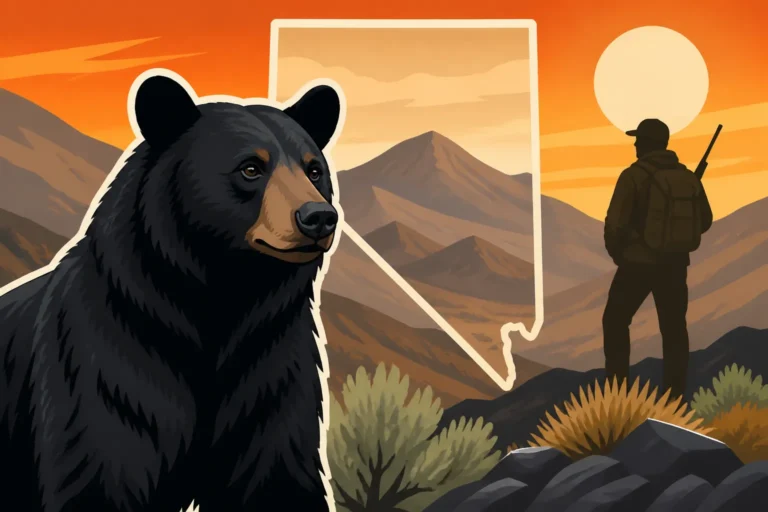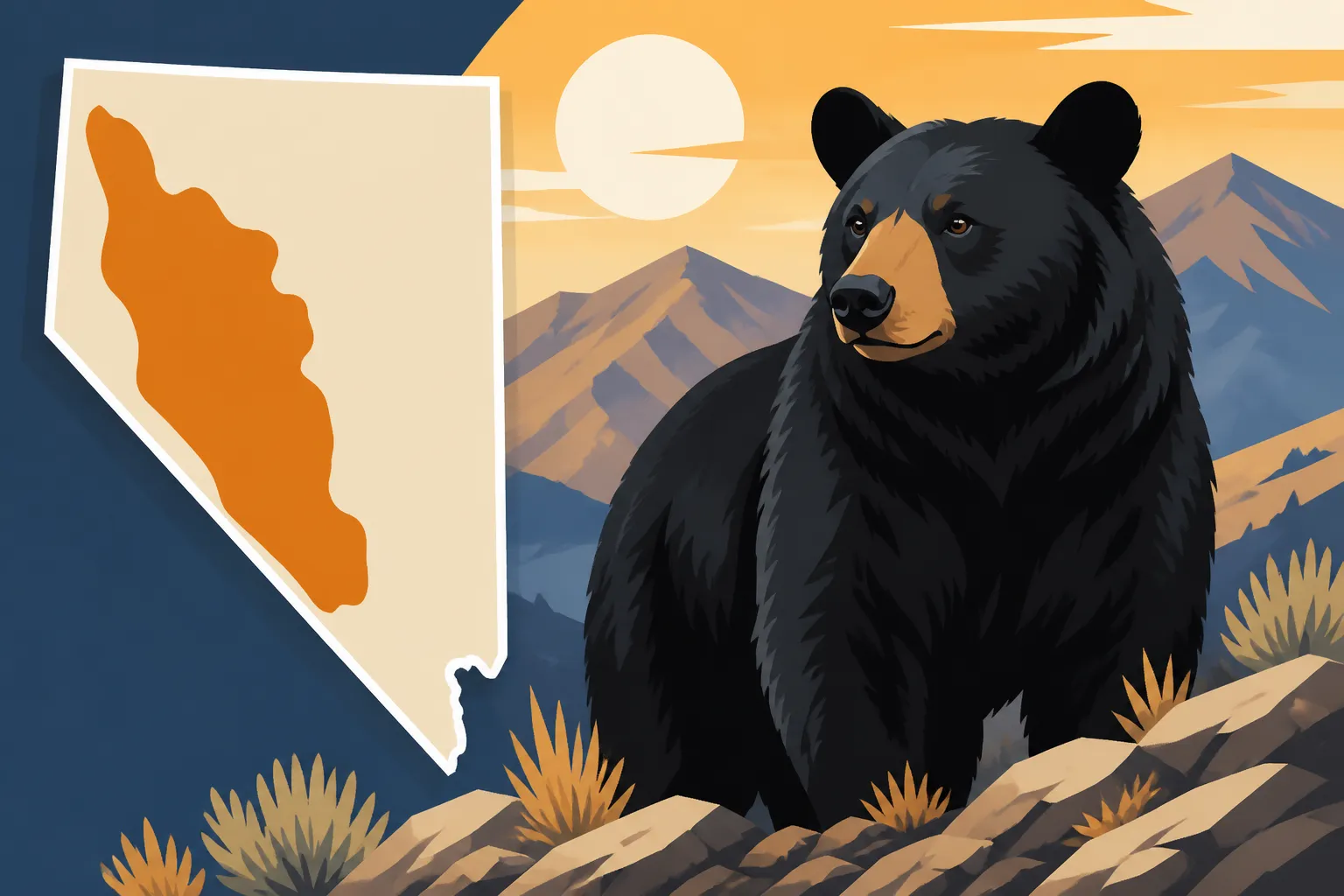
Black Bear Range in Western Nevada
It's easy to think of Nevada as nothing but vast, open desert and sagebrush, a place primarily known for its mule deer and antelope. But for anyone spending time in the state's western reaches, particularly along the Sierra Nevada front, there's a different kind of wild experience unfolding: black bears are increasingly common. If you're an outdoors enthusiast, hunter, or just someone who loves exploring Nevada's wild spaces, understanding where these bears live and how they navigate their environment is crucial for both safety and appreciation. This guide will take a deep dive into the black bear's evolving range in Western Nevada, from their preferred habitats to their seasonal movements and the management efforts in place.
The Return and Expansion of Black Bear Populations in Western Nevada
For a long time, the idea of black bears in Nevada seemed almost mythical to many, or at least confined to the deepest, most remote wilderness pockets. But the truth is, black bear populations, particularly in Western Nevada, have seen a remarkable resurgence over the last few decades. What was once considered fringe habitat is now home to a thriving, reproducing bear population. This expansion isn't just a random occurrence; it's a testament to the resilience of these animals and a change in how we manage and perceive them.
Historical Presence and Modern Resurgence
Historically, black bears certainly roamed parts of Nevada, but their numbers dwindled dramatically by the early 20th century due to habitat loss, unregulated hunting, and human encroachment. Many folks probably grew up never hearing about bears in Nevada outside of perhaps a rare sighting in the highest Sierra peaks. However, starting in the 1980s and continuing through today, black bears from California's robust Sierra Nevada population began to naturally recolonize suitable habitats across the state line. These pioneering bears found fertile ground in Nevada's western mountain ranges, which share many ecological characteristics with their California strongholds. This natural dispersal, coupled with sound wildlife management, has allowed their numbers to grow and solidify.
Today, while the state's overall population might not rival that of, say, California or Colorado, the western portion of Nevada is definitely considered bear country. This makes understanding Black Bear Returned to Western Nevada a vital part of any outdoor planning, whether you're hiking, camping, or hunting. The bears are here, they're not going anywhere, and their presence adds an exciting, albeit sometimes challenging, dimension to our wild spaces.
Factors Driving Population Growth and Range Expansion
Several factors have contributed to this remarkable comeback. Improved habitat conditions, including forest regeneration and better water management in some areas, have played a role. Crucially, increased public awareness and more protective wildlife management policies by the Nevada Department of Wildlife (NDOW) have allowed bears to thrive. As populations grew in California, younger bears seeking new territories naturally pushed eastward, finding available niches in Nevada. The relatively low human population density in many of these western ranges, despite their proximity to urban areas like Reno and Carson City, also provides ample space for bears to establish themselves. NDOW estimates indicate a healthy and growing population, leading to regulated hunting seasons to manage their numbers responsibly.
Key Habitat Zones for Black Bears in Western Nevada
When we talk about black bear range in Western Nevada, we're primarily looking at the Sierra Nevada mountain range and its adjacent lower-elevation foothills and isolated ranges. These areas provide the critical combination of dense cover, water sources, and diverse food options that bears need to survive and reproduce.
The Sierra Nevada Front and Associated Foothills
The most significant black bear habitat in Western Nevada lies along the eastern slope of the Sierra Nevada. Think of places like the mountains west of Reno, Carson City, and Lake Tahoe. This region offers a patchwork of mixed conifer forests, aspen groves, riparian corridors, and brushfields. These dense forests provide excellent cover for denning, travel, and escape from heat. The Sierra's eastern front is also rich in natural food sources, including acorns from various oak species, berries like chokecherry and serviceberry, and abundant herbaceous vegetation. This is prime bear country, and sightings are common, especially in areas bordering national forest lands such as the Humboldt-Toiyabe National Forest.
Many bears here don't recognize state lines, moving freely between the heavily forested areas of California and the eastern slopes in Nevada. The steep canyons and draws provide natural travel corridors, often leading them into surprising proximity to human development, particularly when food resources are abundant or during dry years when they seek out easily accessible water and food. Understanding Camping Rules on Nevada BLM Ground in these areas often involves being bear-aware with food storage.
The Pine Nut Range
Just east of the Carson Valley, the Pine Nut Range stands as another important, albeit somewhat drier, stronghold for black bears. This range, while not as heavily forested as the Sierra, offers pockets of pinyon-juniper woodlands, mountain mahogany thickets, and riparian areas along seasonal drainages. The "pine nut" in its name is no coincidence – pinyon pine nuts are a highly valuable food source for bears, especially in late summer and fall, providing critical fat reserves for winter denning.
The Pine Nut Range serves as a crucial bridge for bear movement, connecting them to other ranges further east, though with less frequency. The elevation changes create diverse microclimates, offering both cooler, higher-elevation refuge and lower-elevation foraging opportunities. Hunters targeting deer or upland birds in the Pine Nuts are increasingly aware of the need to be bear-conscious, particularly when field dressing game or camping remotely.
Wassuk Range and Other Isolated Mountain Islands
Further south and east, ranges like the Wassuk Range, west of Walker Lake, also support smaller, more isolated black bear populations. These "mountain islands" in Nevada's vast basin and range topography provide essential habitat surrounded by arid valleys. While more isolated, these areas still offer critical resources: coniferous forests at higher elevations, reliable Water Sources That Concentrate Desert Game like springs, and a variety of berry and nut-producing shrubs.
These populations tend to be more vulnerable to drought and habitat fragmentation, but they are incredibly important for the overall genetic diversity and long-term viability of bears in the state. For those using tools like GoHunt to scout potential hunting units, looking for these isolated mountain ranges with good water and cover is key to identifying potential bear encounters or even bear hunting opportunities. These areas highlight the adaptability of black bears, thriving in landscapes that many wouldn't typically associate with them.
Seasonal Movements and Foraging Behavior
Black bears are incredibly adaptable, but their movements and daily activities are heavily dictated by the seasons and the availability of food. Understanding these patterns is key to predicting where bears might be and minimizing potential conflicts, whether you're just enjoying the backcountry or actively hunting.
Spring Emergence and Early Summer Foraging
When bears emerge from their dens in spring, often in April or May, they're typically hungry and focused on finding easily digestible food to replenish their reserves. At this time, their diet largely consists of fresh grasses, forbs, and succulent vegetation. They'll frequent south-facing slopes where snow melts first, exposing early greens. Look for them in riparian areas along creeks and rivers, where green growth appears quickly.
As spring turns into early summer, bears will seek out carrion (winterkill deer or elk), insects, and the earliest ripening berries. During this period, their range might expand as they search for these scattered food sources. Human-occupied areas, particularly those with easily accessible trash or bird feeders, can become attractive targets if natural foods are scarce, leading to increased human-bear conflicts. This is why proper food storage and waste management are paramount, especially for backcountry users.
Summer and Fall Hyperphagia
Late summer and fall are critical periods for black bears, known as hyperphagia, where they consume massive amounts of calories to build up fat reserves for winter denning. This is when their movements are most driven by the availability of high-energy foods. Berries like serviceberry, chokecherry, and manzanita become incredibly important. Critically, the pinyon pine nut crop is a huge draw for bears in the Pine Nut and Wassuk ranges. A good mast crop can mean bears stay higher up in the mountains, while a poor one can push them down into lower elevations and closer to human development in search of alternatives.
This is also when bears are most actively preparing for winter, sometimes traveling significant distances to access abundant food sources. Hunters pursuing Nevada's August Archery Deer Season Opens the Year might encounter bears drawn to the same water sources or feeding areas, or even the scent of a fresh kill. Recognizing fresh bear sign – tracks, scat, overturned rocks, or claw marks on trees – becomes crucial during these months.
Winter Denning and Hibernation
As temperatures drop and food becomes scarce, usually by late October or November, black bears will retreat to their dens for hibernation. These dens can be in rock crevices, hollow logs, under root wads, or in self-dug excavations. They might remain in their dens until spring, depending on the severity of the winter and food availability. This denning period is vital for their survival and reproductive success.
While hibernating, their metabolic rate slows dramatically, and they sustain themselves on their accumulated fat reserves. Pregnant sows will give birth during this time, typically in January or February, and nurse their cubs until spring emergence. While bears are mostly inactive during winter, unexpected mild spells can occasionally lead to brief periods of activity. Knowing where bears might den, particularly in steep, timbered areas, can be useful for hunters and outdoor recreationists trying to minimize disturbance during these critical months.
Living and Hunting Safely in Western Nevada Bear Country
Interacting with black bears in their natural habitat requires respect, awareness, and preparation. Whether you're a hiker, camper, or hunter, understanding how to coexist with these incredible animals is paramount for both your safety and theirs.
Bear-Aware Practices for Recreationists
When enjoying Western Nevada's wild spaces, particularly in known bear areas, being "bear-aware" is non-negotiable. This means always storing food and scented items in bear-resistant containers, vehicles, or suspended from trees, never in your tent. The scent of food can attract bears from long distances, and once they associate humans with food, it can create dangerous situations. This is why practices like those advised for Heat Management on an August Archery Hunt also extend to managing food odors. Always pack out all trash, and never leave food scraps or pet food unattended.
When hiking, make noise, especially in dense brush, to avoid surprising a bear. Carry bear spray and know how to use it. If you encounter a bear, remain calm, make yourself look as large as possible, speak in a firm voice, and back away slowly. Never run. If a bear approaches, stand your ground and be prepared to use your bear spray. For hunters, retrieving game quickly and reducing scent can also help mitigate unwanted bear encounters.
Hunting Black Bear in Nevada
Nevada offers limited opportunities for black bear hunting, primarily in the Western Nevada units where populations are strong enough to support a harvest. These hunts are strictly managed through a draw system, typically for a small number of tags, and often have specific unit boundaries and season dates. The goal is sustainable management, ensuring healthy bear populations for future generations. For information on specific regulations and application periods, the NDOW website is the definitive source. When checking draw odds or scouting units, many hunters use resources like GoHunt to analyze data and plan applications.
| Aspect of Bear Hunting | Key Consideration in Western Nevada |
|---|---|
| Season Dates | Typically late summer/early fall, often overlapping deer seasons. |
| Units | Primarily units along the Sierra Nevada front (e.g., portions of Units 192, 201, 202). |
| Tags | Limited draw tags, often highly sought after. |
| Methods | Archery, muzzleloader, and rifle are generally permitted, with specific regulations. |
| Baiting | Baiting Rules That Apply to Bears are very strict; generally prohibited for big game. |
| Hound Hunting | Legal for bears in Nevada, but requires a specialized license/permit and experienced hound handlers. |
| Carcass Care | Critical in warm weather; quick field dressing and cooling are essential to prevent spoilage and attractants. |
Hunters must be thoroughly familiar with How Nevada Manages Its Bear Season, including legal shooting hours, carcass tagging, and mandatory reporting requirements. Retrieving a bear in rugged, remote terrain can be incredibly challenging, so physical fitness and a solid plan for Packing an Animal Out of Roadless Country are essential.
Monitoring and Management Efforts
The Nevada Department of Wildlife (NDOW) plays a crucial role in managing the state's black bear population. Their efforts ensure the health of the bear population, minimize human-wildlife conflict, and provide sustainable hunting opportunities. This involves scientific monitoring, habitat protection, and public education.
Population Surveys and Data Collection
NDOW biologists regularly conduct population surveys using a variety of methods, including hair snares for DNA analysis, trail cameras, and direct observation. This data helps them estimate population size, distribution, and demographic trends. Understanding The Black Bear Population Estimate Explained is vital for setting appropriate tag quotas and season lengths. They also monitor denning success, cub survival rates, and causes of mortality to gain a comprehensive picture of the population's health.
This scientific approach allows NDOW to make informed decisions that balance conservation with public safety and recreational opportunities. For instance, if data suggests a localized population is struggling, they might reduce tag numbers or adjust season dates in that specific unit.
Human-Wildlife Conflict Mitigation
As bear populations expand and human development encroaches on wildlands, conflicts inevitably arise. NDOW is actively involved in mitigating these conflicts through public education campaigns, providing advice on bear-resistant trash containers, and responding to nuisance bear calls. Their goal is to prevent bears from becoming habituated to human food sources, which often leads to bears being euthanized.
Education is a powerful tool, teaching residents and visitors alike about bear behavior and how to minimize attracting them. This often includes advice on securing trash, removing bird feeders, and picking up fallen fruit. When a bear does become a nuisance, NDOW may employ hazing techniques, relocate the animal, or, as a last resort, euthanize it if it poses a significant threat to public safety.
Habitat Protection and Future Outlook
Protecting and enhancing critical bear habitat is another cornerstone of NDOW's management strategy. This involves working with land management agencies like the Bureau of Land Management (BLM) and the U.S. Forest Service to ensure habitat connectivity, maintain water sources, and manage wildfires responsibly. Initiatives that focus on protecting riparian areas, oak woodlands, and pinyon-juniper forests are especially important for black bears.
The future of black bears in Western Nevada looks promising, provided these management efforts continue and the public remains committed to coexistence. Their expansion is a success story of wildlife conservation, demonstrating that even in a state known for its arid landscapes, vibrant and thriving bear populations can find a home.
Disclaimer
Please remember that hunting regulations, seasons, and wildlife distribution can change. Always consult the most current Nevada Department of Wildlife (NDOW) regulations and official publications before planning any hunting trip or outdoor activity. This article is for informational purposes only and should not replace official sources.