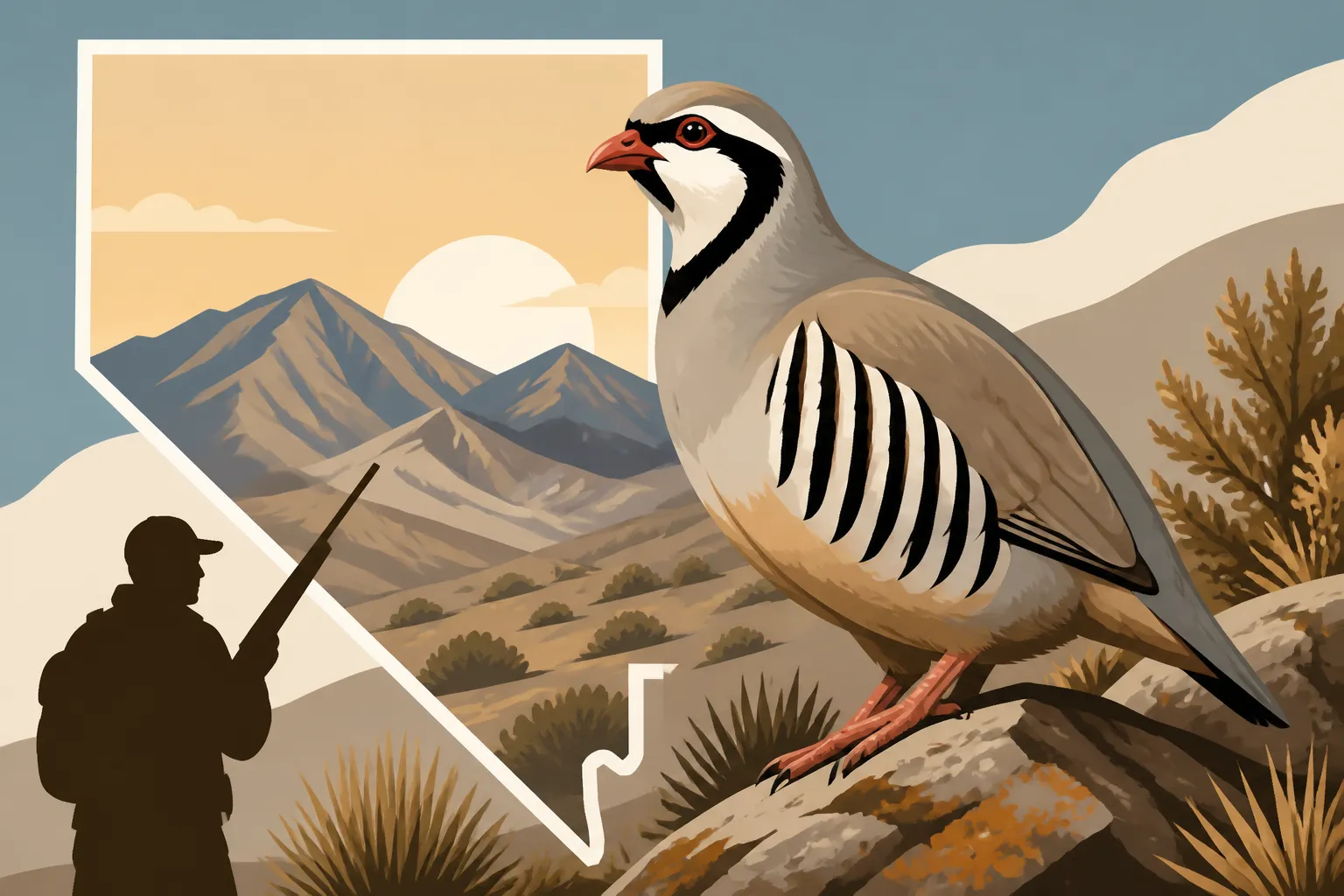
Chukar Is Nevada’s Signature Upland Bird
The sheer physical demand of chasing chukar across Nevada's relentless, steep terrain can leave even the most seasoned hunters questioning their life choices, often feeling like they've climbed a mountain only to watch the birds fly to the next canyon over. This comprehensive guide aims to arm you with the knowledge, strategies, and realistic expectations needed to confidently pursue Nevada's signature upland bird, transforming frustration into rewarding success amidst the state's rugged beauty.
Understanding Nevada's Chukar Habitat and Behavior
Chukar partridge are an introduced species to Nevada, originally hailing from the Middle East and Asia, and they've found an ideal home in the Silver State's arid, rocky, and steep terrain. These birds are masters of their environment, perfectly camouflaged against the sagebrush and volcanic rock, making them incredibly challenging but equally rewarding to pursue. If you're new to chukar hunting, preparing yourself mentally for the landscape these birds call home is half the battle.
Where Chukar Thrive in Nevada's Rugged Landscape
Chukar aren't just in Nevada; they're deeply ingrained in its most challenging landscapes. You'll primarily find them in the state's vast network of steep, rocky canyons and hillsides, typically characterized by volcanic rock outcroppings, sparse cheatgrass, and scattered sagebrush. They absolutely adore the broken, jumbled terrain that offers both cover from predators and easy escape routes downhill. This habitat provides them with everything they need: food (seeds, grasses, insects), water (often from ephemeral springs or dew), and shelter from the elements and aerial predators. Forget the flatlands; you're going uphill, then downhill, then uphill again. This specific kind of "Chukar Country on Nevada's Steep Slopes" is what defines the hunt.
Elevation plays a crucial role too. While you might find chukar anywhere from 3,000 to 10,000 feet, they often prefer the mid-elevations where the cheatgrass thrives after seasonal rains and water sources are more prevalent. It’s not uncommon to find birds high up on sunny, south-facing slopes in the morning, only for them to move down into shaded draws as the day warms. Understanding these subtle shifts in their preferred elevation and aspect is key to locating coveys. It's a game of reading the land and anticipating where these wily birds will be, depending on the time of day and the weather.
The Impact of Rainfall on Chukar Populations and Locations
When it comes to chukar numbers in Nevada, rainfall is the absolute dictator. You'll hear seasoned hunters talk about "good moisture years" and "dry years," and for good reason. A strong spring and early summer rain cycle encourages the growth of crucial grasses and forbs, particularly cheatgrass, which forms the bulk of a chukar's diet. More food means healthier hens, better nesting success, and higher chick survival rates. Conversely, a drought year can devastate chukar populations, leading to fewer birds and more scattered coveys. This direct correlation makes "How Rainfall Drives Chukar Numbers" a constant topic of conversation among upland hunters.
Because of this reliance on precipitation, chukar distribution isn't uniform year after year. Units that were phenomenal a few seasons ago might be barren today if they've suffered from prolonged drought. This is where diligent pre-season scouting and research come into play. Tools like GoHunt can be incredibly useful for looking at historical weather patterns and correlating them with harvest reports or biologist surveys, helping you make informed decisions about where to focus your efforts. Checking current conditions, talking to local wildlife biologists, and even just observing roadside conditions can give you a vital edge in understanding where the birds are likely to be concentrated in any given season. Without rain, the landscape simply can't support as many birds, and finding them becomes a needle-in-a-haystack endeavor.
The Allure and Brutality of Chukar Hunting
Chukar hunting is often described as a love-hate relationship. The physical demands are immense, the terrain is unforgiving, and the birds are notoriously difficult to pin down. Yet, there's a unique satisfaction that comes with conquering those steep hillsides and finally getting into a covey. It's an experience that truly tests a hunter's resolve and fitness.
The Physical Gauntlet of Chasing Chukar
Let's be blunt: "Why Chukar Hunting Is So Punishing" isn't an exaggeration; it's a stark reality. You'll spend hours traversing uneven, rocky ground, often scrambling up slopes that feel like they're at a 45-degree angle or more, only to descend just as steeply. The terrain is a relentless mix of loose scree, jagged volcanic rock, and slippery cheatgrass, all conspiring to trip you up or twist an ankle. It's less of a walk and more of an extended, vertical marathon. Hunters frequently gain and lose thousands of feet of elevation in a single day, often multiple times.
The sheer expenditure of energy is unparalleled in most other forms of hunting. Hydration becomes critical, as the desert air and constant exertion can quickly lead to dehydration. You’ll feel the burn in your lungs, thighs, and calves like never before. It's common to cover significant ground, often 5-10 miles or more, and that mileage doesn't even begin to account for the vertical feet climbed. This isn't a hunt for the casual stroll; it demands peak "Physical Conditioning for a Chukar Hunt" and an unyielding will to push through the discomfort. If you're not prepared, the mountain will break you long before you break the chukar.
The Elusive Nature of Chukar Coveys
Chukar are incredibly wary and masters of evasion. They live in coveys, usually ranging from a handful of birds to several dozen, and they rely on their keen eyesight and astounding speed to escape danger. Spotting a covey from a distance is challenging due to their camouflage, but once they detect you, they're off. Their preferred escape method isn't to fly long distances immediately; it's to run uphill with surprising agility and speed, often disappearing over a ridge before you can close the distance.
This behavior is what makes them so frustratingly elusive. You might spot birds, make a strenuous climb, and arrive at the spot only to find nothing but tracks and dust. When they do decide to fly, it's typically downhill, gaining incredible speed and often using the canyon walls to their advantage, making for incredibly difficult wing shots. A covey rise is exhilarating, but it's often fleeting, with birds scattering in all directions. The goal is to break up the covey, as single birds or small groups are more likely to hold tight, offering better shooting opportunities. But getting to that point requires a combination of stealth, speed, and often, a well-trained bird dog.
Essential Gear for a Successful Nevada Chukar Hunt
You can't just show up in chukar country with any old hunting gear and expect to succeed – or even survive comfortably. The environment demands specific, high-performance equipment designed to withstand the brutal terrain and protect you from its harsh realities. Investing in the right gear isn't just about comfort; it's about safety and effectiveness.
Footwear: The Foundation of Your Chukar Hunt
Your boots are, without a doubt, the single most critical piece of equipment for chukar hunting. These are not leisurely strolls through a forest; you'll be navigating jagged rocks, loose scree, and steep inclines all day long. You need boots that offer exceptional ankle support to prevent twists and rolls, a stiff sole to protect your feet from sharp rocks, and superior traction to maintain grip on slippery, steep slopes. Many hunters prefer a sturdy, mountaineering-style boot that offers both rigidity and comfort. Look for features like waterproof membranes, durable randing around the toe and sides, and deep lug patterns on the outsole. Brands like Kenetrek, Crispi, and Schnee's are popular choices among serious chukar hunters because they understand the demands of "Choosing Boots for Sharp Volcanic Rock".
Don't skimp on socks either. High-quality wool or synthetic blend socks will wick away moisture, prevent blisters, and provide cushioning. Carry multiple pairs and change them out mid-day if your feet get wet or sweaty. The cumulative impact of thousands of steps on rocky, unforgiving ground can quickly lead to painful blisters, which can effectively end your hunt. Break in your boots thoroughly before the season; showing up with brand-new, un-broken-in boots is a surefire way to have a miserable and short-lived experience.
Layering Systems for Desert Temperature Swings
Nevada's high desert environment is notorious for its dramatic temperature swings. A morning start can be brisk, even freezing, especially in late fall, but by midday, temperatures can soar under the relentless sun. This means your clothing system needs to be adaptable, built on layers that you can easily add or shed as conditions change. Thinking about "Layering for Basin and Range Temperature Swings" is absolutely essential for comfort and safety.
Start with a moisture-wicking base layer to draw sweat away from your skin. Next, a mid-layer for insulation – a fleece jacket or a lightweight puffy vest works well. Your outer layer should be durable, brush-resistant, and ideally windproof, protecting you from both abrasive vegetation and the often-gusty winds that sweep across the ridges. Consider sturdy upland hunting pants that can withstand thorns and rocks. Avoid cotton at all costs; once wet with sweat, it stays wet and will chill you to the bone. Pack a lightweight rain jacket, even if the forecast looks clear; weather can change quickly in the mountains. A good hat and gloves are also crucial for those chilly mornings and protecting from the sun.
Water, Navigation, and Safety Essentials
Beyond clothing and footwear, a few other items are absolutely non-negotiable. First and foremost: water. You'll be expending an incredible amount of energy in a dry environment. Carry significantly more water than you think you'll need; a minimum of 3-4 liters per person for a day hunt is a good starting point, but often more depending on exertion and temperature. Staying hydrated is paramount, so always factor in "Water You Must Carry on a Desert Day Hunt".
Navigation tools are also critical. Cell service is often nonexistent in remote chukar country. A reliable GPS device or a smartphone with downloaded offline maps (apps like onX Hunt or GoHunt are invaluable for identifying property boundaries, topo lines, and potential water sources) is essential. Carry a physical map and compass as a backup, and know how to use them. Other safety essentials include a first-aid kit, a headlamp, a fire starter, an emergency blanket, a multi-tool, and possibly a satellite communication device like a Garmin inReach or a Zoleo. Telling someone your hunting plan and expected return time is also a wise practice, as is being aware of "Snake Awareness on an August Archery Hunt," even though chukar season typically starts later.
Mastering Chukar Hunting Tactics and Dog Work
Chukar hunting is not a passive sport; it demands aggressive tactics and often relies heavily on the capabilities of a well-trained bird dog. Understanding how to approach chukar country and work with your canine partner can dramatically improve your success rate and overall enjoyment of the hunt.
Effective Strategies for Locating and Approaching Coveys
The first rule of chukar hunting is to "hunt high and walk down." Chukar prefer to run uphill when spooked, but they will fly downhill. By starting on a ridge or high point and working your way down, you position yourself above the birds, forcing them to fly past you or offer easier downhill shots. This strategy also conserves energy, as climbing is far more taxing than descending. Look for areas with a mix of rocky outcrops, sparse vegetation, and especially, water sources. Even ephemeral seeps or "guzzlers" (wildlife water developments) can concentrate birds, particularly in dry years. Early morning and late afternoon are generally the best times to find birds out feeding and more active.
Listen for their distinctive "chuk-chuk-chuk" call, especially at dawn and dusk. This is often the best indicator of their presence. Once you locate a covey, the goal is to break it up. If they fly, mark where individual birds or small groups land. Single birds tend to hold much tighter than a full covey, offering you a better chance for a shot. Approaching slowly and strategically, using terrain features to conceal your movement, can sometimes allow you to get closer before they flush. It's a constant mental chess match with the birds and the terrain.
The Indispensable Role of a Good Bird Dog
For many, chukar hunting without a dog is simply not an option. A well-trained bird dog, typically a pointing breed like a German Shorthaired Pointer, English Pointer, or Brittany, is an absolute game-changer. These dogs cover immense amounts of ground, tirelessly quartering the hillsides and using their superior nose to locate coveys that a human hunter would simply walk past. Once they point, they give you the critical warning needed to move into position for a shot.
Beyond finding birds, a good dog is invaluable for retrieving downed chukar. These birds are small, tough, and often fall into incredibly dense or inaccessible terrain. Without a dog, many downed birds would be lost, which is not only wasteful but disheartening after all that effort. However, hunting with a dog in chukar country requires specific training and consideration. The sharp rocks can be brutal on paws, so dog boots are often a necessity. Hydration for your dog is just as critical as it is for you, and carrying extra water for them is a must. Building a strong bond and clear communication with your dog before you even hit the field is essential for a safe and successful hunt in this demanding environment.
Navigating Nevada's Chukar Seasons and Regulations
Understanding the timing and specific rules for chukar hunting in Nevada is crucial before you even consider heading into the field. Regulations are designed to manage wildlife populations and ensure fair chase, and they can vary from year to year, so always check the latest NDOW proclamation.
When Nevada Chukar Seasons Open and Close
Nevada's chukar season typically opens in early fall, often in September or October, and can run well into January or February. The exact "Nevada Chukar Season Opening Date" can shift slightly each year, so it's paramount to consult the Nevada Department of Wildlife (NDOW) regulations. These seasons are designed to coincide with times when chukar are abundant and mature, and when hunting pressure will not negatively impact breeding populations. Early season hunts might be warmer, but later in the season, snow can concentrate birds in lower elevations, often near roadsides, but it can also make access to higher terrain treacherous.
It's worth noting that Nevada often has different hunting zone regulations, though chukar are generally open statewide during their main season. Make sure to double-check any specific unit or area regulations if you plan to hunt close to state lines or within designated wildlife management areas, as these might have unique considerations. The duration of the season, extending for several months, provides ample opportunity to get out and chase these birds, but also means you'll experience a wide range of weather conditions from the mild fall to the bitter depths of winter.
Daily Bag Limits and Possession Limits
Nevada enforces specific "Nevada Chukar Bag Limits" to ensure sustainable harvesting. Typically, hunters are allowed to take a certain number of birds per day – known as the daily bag limit – and have a maximum number of birds in their possession at any given time, including those stored at home or in camp, which is the possession limit. For chukar, the daily bag limit is generally 6 birds, with a possession limit of 18 birds. However, these numbers are subject to change, and it's your responsibility as a hunter to confirm the current regulations before each season.
These limits are in place to prevent overharvesting, particularly after years of low rainfall where populations might be more vulnerable. Always count your birds carefully and adhere strictly to these regulations. Miscounting or exceeding limits can lead to significant fines and penalties, and it undermines the conservation efforts that make hunting possible. Remember, ethical hunting includes respecting the resource and playing by the rules, no matter how tired you are at the end of a long, arduous day.
Finding the Best Chukar Hunting Units in Nevada
Nevada is a vast state, and while chukar are found in many areas, some units consistently offer better opportunities than others. Identifying these hotspots often comes down to research, local knowledge, and understanding the specific habitat characteristics.
Top Chukar Producing Regions and Units
While chukar can be found throughout much of Nevada's mountainous terrain, certain regions are renowned for their consistent populations and excellent hunting opportunities. Northern Nevada, particularly the areas around Winnemucca, Elko, and Battle Mountain, is often considered the "Best Chukar Country in Northern Nevada." Here, vast expanses of public land, primarily BLM, offer prime chukar habitat with plenty of the steep, rocky, sagebrush-dotted canyons they love. Specific units in these areas often show up in harvest reports as top producers.
Areas like the Santa Rosa Range, Sonoma Range, and Independence Range are highly regarded, offering significant elevation changes and prime feeding grounds. However, don't overlook central and even some parts of eastern Nevada. The key is to look for units with extensive public land access, significant elevation changes, and a good history of rainfall, which as we discussed, directly correlates to bird numbers. When doing your research, checking NDOW harvest statistics for specific units can provide valuable insights into where hunters have historically found success. Using mapping tools like GoHunt to cross-reference these units with terrain features, water sources, and public land boundaries can help you narrow down your focus. Remember, even in top units, finding the birds still requires effort and perseverance.
Utilizing E-Scouting and Local Resources
Before you ever set foot in chukar country, spend considerable time "e-scouting" from home. Satellite imagery and topographic maps on platforms like onX Hunt or GoHunt are your best friends. Look for steep, south-facing slopes, especially those with volcanic rock and cheatgrass. Identify prominent ridge lines, drainages, and potential water sources like springs or man-made guzzlers. These features often act as magnets for chukar. Trace potential routes, noting areas that might offer a less strenuous ascent or descent, or features that could hide your approach.
Don't underestimate the power of local knowledge. Chat with game wardens, local biologists, or even outdoor shop owners in towns near your chosen units. While they might not give you specific GPS coordinates for coveys, they can often provide invaluable insights into general population trends, recent rainfall impacts, or areas that might be holding more birds that season. Checking online forums or social media groups dedicated to Nevada upland hunting can also be a source of information, though always take online advice with a grain of salt and verify it with official sources or your own scouting. The more informed you are before you go, the better your chances of punching your "Nevada Chukar Bag Limits."
Physical Preparation and Safety for Chukar Country
Given the extreme physical demands and remote nature of chukar hunting, preparing your body and understanding safety protocols are not optional – they are absolutely mandatory for a successful and safe experience.
Conditioning Your Body for the Steep Ascents
Chukar hunting is a serious workout, demanding cardiovascular fitness, leg strength, and endurance. Neglecting physical preparation is a recipe for a miserable, potentially dangerous, and certainly unsuccessful hunt. Start a rigorous training regimen months before the season. Focus on exercises that mimic the demands of the hunt: hiking with a loaded pack, climbing stairs or steep inclines, and incorporating lunges and squats to build leg strength. If possible, hike actual hills or mountains, varying the terrain to get your body accustomed to uneven footing.
Don't forget core strength and flexibility, which are crucial for maintaining balance on steep, rocky ground and preventing injuries. Many hunters underestimate the toll that repeated descents take on the knees and joints, so strengthening the muscles around these areas is vital. Remember, you're not just walking; you're often scrambling, using your hands for balance, and navigating obstacles. The better conditioned you are, the more ground you can cover efficiently, the safer you'll be, and the more energy you'll have to enjoy the hunt rather than merely endure it.
Navigating Remote Terrain and Emergency Preparedness
Nevada's chukar country is often incredibly remote, with vast distances between services and unreliable cell service. This isolation presents significant safety challenges. Always tell someone your exact hunting plan, including your route, unit number, and estimated return time. Carry a fully charged cell phone, but don't rely on it as your sole communication device; a satellite messenger is a wise investment for emergency communication. Having an emergency plan for "Packing an Animal Out of Roadless Country" also translates to planning for self or partner extraction.
Be prepared for sudden weather changes. Even if it starts sunny, a rapid shift to cold wind, rain, or even snow is possible, especially at higher elevations. Carry extra layers, a fire starter, and an emergency shelter. Always have a well-stocked first-aid kit and know how to use its contents. Understand the signs of dehydration, heat stroke, and hypothermia, and how to respond to them. It's also critical to be familiar with the "Rules on Hunting From a Vehicle," as motorized travel limits in some areas mean you'll be on foot for extended periods, far from your truck. Always carry extra food, water, and essential repair items for your vehicle if you're driving remote roads, as breakdowns can strand you miles from help.
Managing Your Harvest and Ethical Considerations
The satisfaction of harvesting chukar after a grueling hunt is immense, but the job isn't done until the birds are properly cared for and all ethical considerations have been met. Respect for the game and the land is paramount.
Field Dressing and Transporting Your Birds
Chukar are small birds, but proper field dressing is still important, especially if you're hunting in warmer early season temperatures. As soon as possible after harvesting, field dress your birds. This involves removing the entrails to allow the carcass to cool quickly, preventing spoilage. You can often breast out chukar in the field, which reduces the weight you have to carry out, but be sure to retain "Evidence of Sex Requirements on a Carcass" if local regulations demand it, although for chukar this is less common than for big game. Keep the breast meat clean and cool.
Transporting your birds effectively is key. A breathable game bag is ideal, allowing air circulation. Avoid plastic bags, which can trap heat and moisture, accelerating spoilage. If hunting in warm weather, consider carrying a small cooler with ice in your vehicle to quickly cool down your birds once you return from the field. Getting them into a cool environment as soon as possible after the hunt ensures the best meat quality. Always keep your harvested birds separate from other hunters' birds if you're hunting in a group, and make sure your daily limit is clear.
Ethical Hunting Practices and Respect for the Land
Ethical hunting extends beyond just following regulations; it encompasses a deep respect for the animal and the environment. Take only clean, ethical shots. If a bird is wounded, make every effort to recover it. This is where a good bird dog truly shines. Leave no trace behind; pack out all your trash, including spent shotgun shells. The remote beauty of chukar country is part of its allure, and we all have a responsibility to keep it pristine.
Respect private property boundaries. Always be aware of where you are in relation to public and private land, using your mapping tools. Even if you've done your "Reading a Nevada Hunt Unit Before You Apply," it's easy to get disoriented in rugged terrain. If you down a bird that falls onto private land, you must obtain permission from the landowner before attempting to retrieve it. Be a courteous and safe hunter, always mindful of other recreational users in the area, whether they are other hunters, hikers, or rock climbers. Our actions in the field reflect on all hunters, and upholding a strong ethical standard is vital for the future of our hunting heritage.
Disclaimer
Please remember that hunting regulations, season dates, and unit boundaries are subject to change. Always consult the most current Nevada Department of Wildlife (NDOW) regulations and proclamations before planning and undertaking any hunting trip. This guide is for informational purposes only and should not replace official sources.