Baiting Rules That Apply to Bears
Hunting black bears in Nevada offers a unique challenge, drawing hunters to the rugged landscapes where these elusive animals roam. However, many hunters, especially those new to Nevada or bear hunting in general, often wonder about the legality and ethics of using bait. It's a common question, born from confusion over differing state regulations, and misunderstanding Nevada's rules can quickly turn a hopeful hunt into a costly legal nightmare. This guide aims to clear up all the ambiguities surrounding baiting for bears in Nevada, ensuring you hunt legally and ethically.
Understanding Nevada's Stance on Baiting for Bears
Nevada takes a very clear, and often strict, approach to hunting regulations, especially concerning big game. This clarity is crucial for hunters to understand before ever stepping foot into the field, as ignorance of the law is no excuse. When it comes to black bears, the state's position on baiting is unequivocal.
The Fundamental Rule: No Baiting for Big Game
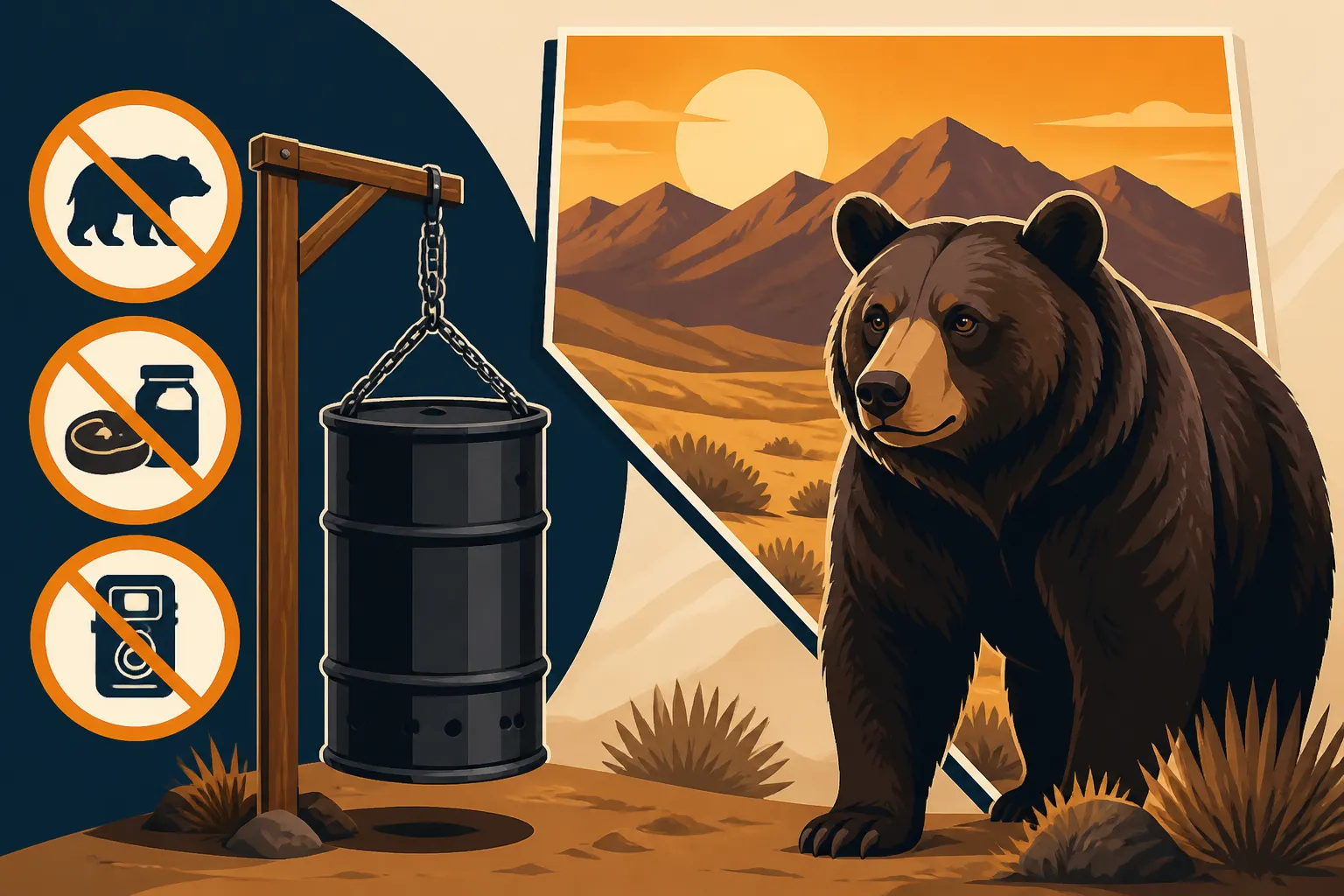
Let's get straight to the point: In Nevada, it is generally illegal to use bait to hunt big game animals, and this absolutely includes black bears. The Nevada Department of Wildlife (NDOW) regulations are designed to uphold the principle of "fair chase," which essentially means hunting an animal under conditions that do not give the hunter an unfair advantage or diminish the challenge inherent in the pursuit. This philosophy is deeply ingrained in wildlife management across the state and is a cornerstone of ethical hunting.
The reasoning behind this prohibition is multifaceted. Firstly, baiting can alter the natural movement patterns of bears, drawing them to specific locations rather than requiring hunters to track and intercept them in their natural environment. Secondly, it can concentrate animals, potentially increasing disease transmission and habituating them to human-provided food sources, which can lead to negative human-wildlife interactions down the line. Lastly, from an ethical standpoint, many feel that baiting diminishes the challenge and skill required for a true hunt, reducing it to more of an ambush over a food pile.
Imagine spending weeks e-scouting a unit, identifying prime Black Bear Range in Western Nevada, only to realize a technique you might have used elsewhere is completely off-limits here. It's a frustration many hunters face when transitioning between states with different regulations. The critical takeaway is that Nevada prioritizes natural hunting scenarios.
What Constitutes "Baiting" in Nevada?
This is where things can get tricky, as the definition of "bait" isn't always as simple as a pile of donuts. In Nevada, bait generally refers to any substance placed for the purpose of attracting game animals. This includes, but isn't limited to, food, minerals, salt, or any other substance that might lure an animal to a specific spot. The intent behind placing the substance is key to the definition. If it's there to attract a bear, it's bait.
Consider a situation where you might leave out a block of minerals or salt on your private property for cattle. If a bear starts frequenting that spot and you then decide to hunt that bear there, it could potentially be seen as hunting over bait, even if your primary intent wasn't initially for the bear. The regulations aim to prevent any action that artificially concentrates or attracts animals for hunting purposes. Even seemingly innocuous items like scented sprays or attractants that aren't food-based can fall under this umbrella if their purpose is to draw an animal in.
It's not just about what you put out, but also about the effect it has. If you're setting up near a natural food source, that's one thing. If you've enhanced or created that food source, you're entering the realm of baiting. Hunters are expected to exercise due diligence to ensure they are not inadvertently hunting over any form of attractant, whether placed by them or others, that could be construed as bait. This means being mindful of what's on the landscape you're hunting.
Specific Regulations and Legal Considerations
Navigating the legal landscape of hunting in Nevada requires meticulous attention to detail. It's not enough to generally know that baiting is prohibited; understanding the nuances and potential consequences is paramount for any responsible hunter.
The "Attractant" Conundrum for Bear Hunters
Beyond actual food products, the term "attractant" can pose a significant conundrum for bear hunters. While many states might have explicit lists of what constitutes legal or illegal attractants, Nevada's regulations tend to be broad, leaning heavily on the "fair chase" principle. This means that anything designed or used to draw a bear closer, whether edible or not, could potentially be considered bait. This includes various commercially available scent lures, urine-based attractants, or even certain non-food items infused with strong odors.
The key question NDOW officials will ask is about intent: was the substance placed there to lure a bear? If the answer is yes, regardless of whether it's a food item or just a scent, you're likely in violation. This places the burden on the hunter to be extremely cautious about any product they might use to enhance their hunting chances. It’s always best to err on the side of caution and assume that if it's designed to attract an animal, it's likely prohibited for bear hunting in Nevada. Consult the current Nevada regulations booklet, which you can usually find on the NDOW website, to stay completely up to date. Remember, regulations like Nevada Black Bear Season Dates and What Triggers a Nevada Bear Season Closure can change, and it's your responsibility to know the latest.
Consequences of Violating Baiting Laws
The repercussions for violating Nevada's baiting laws are severe and can extend far beyond a simple fine. Hunting over bait is considered a serious offense, reflecting the state's commitment to ethical wildlife management and fair chase. Penalties typically include substantial monetary fines, ranging from hundreds to thousands of dollars, depending on the specifics of the offense and any prior violations.
Beyond the financial hit, a conviction for baiting can lead to the confiscation of hunting equipment, including firearms, bows, and even vehicles used in the commission of the crime. Perhaps most impactful for a dedicated hunter, it can result in the suspension or permanent revocation of your hunting license and privileges in Nevada. This revocation can also extend to other states through interstate wildlife compacts, meaning you might lose the ability to hunt anywhere for a significant period.
Imagine investing years in building up your bonus points for a coveted tag, like those discussed in Nevada Squares Your Bonus Points Into Draw Chances, only to have all those efforts negated by a single, illegal act. The impact is devastating. NDOW takes these violations seriously to maintain the integrity of hunting and protect wildlife populations. It's a stark reminder that understanding and adhering to the law is not just a suggestion, but a fundamental requirement of being a hunter in Nevada.
Ethical Hunting and Alternative Bear Hunting Methods
While baiting is off the table, Nevada still offers incredible opportunities for ethical and challenging bear hunting. The essence of hunting here lies in understanding the animal, its habitat, and leveraging your skills in observation and pursuit.
Why Ethical Hunting Matters in Nevada's Bear Management
Ethical hunting is the backbone of wildlife conservation and management, especially in a state like Nevada where hunting is highly valued by many but often scrutinized by others. Adhering to fair chase principles, which includes the prohibition of baiting, helps maintain the public perception of hunting as a legitimate and responsible activity. When hunters operate within ethical boundaries, they demonstrate respect for the animal, the land, and the non-hunting public.
Nevada's black bear population has seen significant changes over the years, and responsible management is crucial for its health and sustainability. How Nevada Bear Numbers Have Changed is a topic that wildlife managers closely monitor. Every hunter plays a part in this. Ethical practices ensure that the harvest is sustainable and that bears maintain their wild instincts, rather than becoming habituated to human presence or food sources. This contributes to a healthier ecosystem and supports the long-term future of hunting in the state, aligning with broader goals like What a Herd Objective Actually Means.
Effective and Legal Bear Hunting Strategies
Since baiting is out, what are the best legal ways to hunt black bears in Nevada? The answer lies in patience, preparation, and mastering the art of observation.
- Spot and Stalk: This is arguably the most common and challenging method for bear hunting in Nevada. It involves locating bears or fresh sign from a distance, typically with high-quality optics like those you might use when determining Spotting Scope Power for Open Country, and then planning a careful, stealthy approach to get within shooting range. Nevada's open, mountainous terrain lends itself well to glassing. Hunters often spend hours, even days, behind their binoculars or spotting scopes, scrutinizing canyons, timbered slopes, and riparian areas where bears might feed or travel. Being physically prepared for long days and challenging terrain is essential, as discussed in Preparing Physically for Long Glassing Days.
- Still Hunting: This method involves moving slowly and deliberately through bear habitat, pausing frequently to observe, listen, and scan for any sign of movement. It requires an intimate understanding of bear behavior, including their feeding habits, bedding areas, and travel corridors. Focus on areas rich with natural food sources like berries, acorns, or other vegetation that bears frequent. The best times are often early morning and late evening when bears are most active.
- Tracking: While less common for bears than other species, learning to identify and follow fresh bear tracks can lead to success, particularly after a fresh rain or in areas with soft ground. This is a very immersive method that requires considerable skill and patience, often leading to a still-hunt scenario once the tracks become fresh enough.
For all these methods, extensive scouting, both in person and through e-scouting tools like GoHunt, is vital. You can use satellite imagery to identify potential food sources, water, and dense cover that bears might use. E-Scouting a Nevada Unit Before the Season can give you a significant advantage. Tools like GoHunt can help you understand the terrain, identify potential bedding areas, and plan your approach routes, all without setting foot in the field or placing any illegal attractants. Understanding the layout of your Reading a Nevada Hunt Unit Before You Apply can make all the difference.
Planning Your Nevada Bear Hunt Legally
A successful and legal bear hunt in Nevada hinges on thorough preparation and an unwavering commitment to understanding and following the state's regulations. Don't leave anything to chance!
Researching Current Regulations and Unit-Specific Rules
Nevada's hunting regulations are dynamic; they can and do change from year to year. Relying on outdated information or assumptions based on other states' laws is a recipe for disaster. Before you even apply for a tag, and certainly before you head into the field, you must consult the most current Nevada Department of Wildlife (NDOW) regulations. These are typically published annually and are available on the NDOW website. You can often pick up a printed copy at NDOW offices or licensed vendors.
Pay close attention to the general statewide regulations, but also look for any unit-specific rules that might apply to your chosen hunting area. Some units might have unique access restrictions or other considerations that could impact your hunt. For example, knowing Nevada Black Bear Season Dates is critical, but so is understanding that the season can be closed early if quotas are met, as detailed in How Nevada Closes a Bear Season Early. GoHunt is a fantastic resource here, as it often aggregates regulation information and provides unit profiles that can help you plan. Don't forget to understand the broader context of land ownership, as Nevada Is the Most Federally Owned State in the Lower 48 means most hunting happens on public land with specific rules.
Leveraging Technology for Legal Scouting
Modern technology has revolutionized how hunters approach scouting, and it's a powerful tool for planning a legal and ethical bear hunt in Nevada. E-scouting, using satellite imagery and mapping applications, allows you to virtually explore your hunt unit from home, identifying key features without ever placing bait.
Start by looking for areas with good cover, such as dense timber or thick brush, interspersed with natural food sources. Bears are omnivores, so identify areas that might produce berries, acorns, or other mast crops during your hunt season. Water sources are also crucial, especially in Nevada's arid environment. Tools like GoHunt maps can highlight these features, allowing you to mark potential travel corridors, bedding areas, and glassing points. You can plan your approach routes, identify escape routes for game, and understand the topography long before you get boots on the ground. This meticulous digital planning helps you focus your efforts when you do get to the field, increasing your efficiency and ensuring your tactics remain within legal boundaries. Remember to check rules on Are Drones Legal for Scouting in Nevada?, as some methods, while technologically advanced, still have legal restrictions.
Understanding Nevada's Bear Season Structure and Quotas
Beyond baiting rules, it’s imperative to grasp how Nevada structures its bear season and manages quotas. Unlike some other big game species, bear seasons are often regulated by specific quotas for different areas or for the entire state. This means a season can close abruptly once the quota for harvested bears is met, even if the published end date hasn't arrived.
Hunters are typically required to check the NDOW website or a dedicated hotline for daily updates on quota attainment. Failing to do so and harvesting a bear after the quota has been met can lead to significant penalties, similar to those for baiting. This adds another layer of responsibility to the hunter. When reviewing the regulations, also pay attention to any specific tagging requirements, mandatory reporting protocols, and evidence of sex requirements that might apply to bear harvests. Being prepared for all eventualities—from knowing your unit’s specific dates to checking daily quotas—is part of being a responsible Nevada bear hunter. Even professional guidance, such as from those listed in Nevada Guides Need Federal Permits on Top of a State License, will emphasize this level of detail.
Comparing Legal vs. Illegal Bear Attractants/Methods
To make it even clearer, here's a quick comparison of what's allowed and what's strictly prohibited when hunting bears in Nevada. This isn't an exhaustive list, but it covers the core principles.
| Feature | Legal / Ethical (Nevada) | Illegal / Unethical (Nevada) |
|---|---|---|
| Food Source | Scouting natural food sources (e.g., berry patches, oak brush). | Placing any food item (donuts, corn, fruit, meat scraps). |
| Scent Attractants | Using cover scents to mask human odor. | Using scent lures or attractants designed to draw bears to a specific spot. |
| Mineral / Salt | Hunting near naturally occurring mineral licks or salt deposits if documented as natural. | Placing salt blocks, mineral licks, or any other mineral attractants. |
| Observation | Glassing large areas from a distance with binoculars/spotting scope. | Using drones to locate or harass animals. |
| Methods | Spot and stalk, still hunting, tracking. | Hunting over any form of bait. |
| Technology Use | E-scouting with mapping apps like GoHunt, GPS. | Using electronic calls for big game (illegal for bear). |
| Harvest | Taking one bear per season as per tag limits. | Exceeding bag limits, failing to tag, or abandoning meat. |
Disclaimer
This article is for general informational purposes only and does not constitute professional advice. Laws, prices and regulations vary by location and change over time. Consult a qualified professional for guidance on your specific situation.