What Makes Unit 162 a Trophy Elk Unit
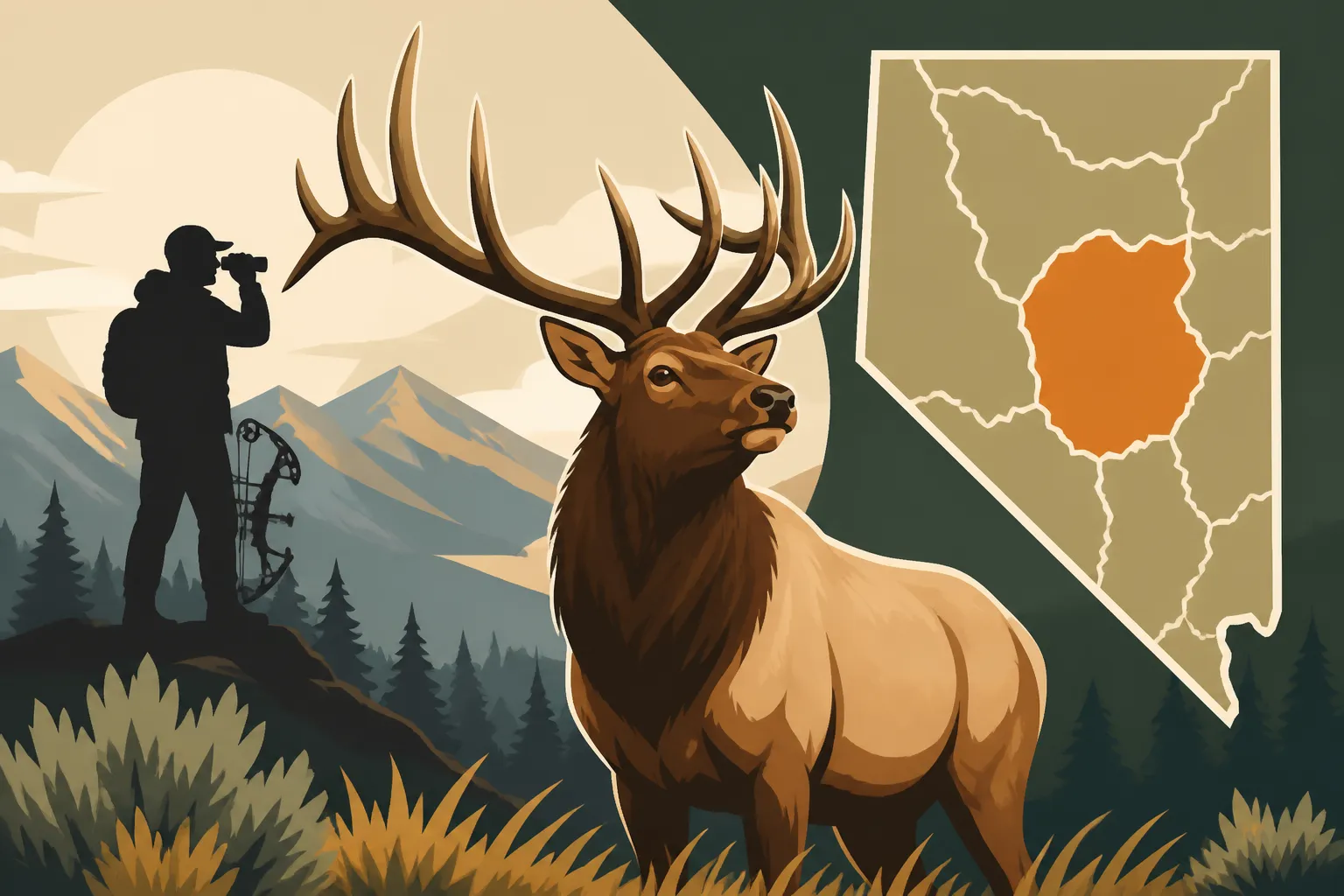
For many serious elk hunters, the thought of drawing a Nevada elk tag feels like winning the lottery, and when it comes to specific units, one name often rises above the rest: Unit 162. This guide dives deep into why this particular area has earned its coveted reputation as a trophy elk unit, exploring the unique blend of geography, management, and challenges that shape its legendary status.
Unit 162's Unique Geography and Habitat
Nevada is often perceived as nothing but desert, but places like Unit 162 defy that stereotype, offering surprising high-country habitat. This specific unit, nestled within some of Nevada's most rugged mountain ranges, presents a diverse landscape that is absolutely critical to growing and holding trophy elk. It's not just about the mountains; it's about what those mountains provide.
Rugged Terrain and Elevation
Unit 162 is defined by its dramatic elevation changes and incredibly rugged terrain. We're talking about towering peaks, deep canyons, and expansive, high-elevation benches that are simply brutal to navigate. This isn't flat, easy walking. This is steep, rocky, and often brushy country that tests every ounce of a hunter's physical conditioning and mental resolve. These extreme conditions, however, play a huge role in the unit's trophy status. The inaccessibility means less human disturbance for elk, allowing bulls to mature without constant pressure. They can find sanctuary in the steepest, most remote pockets, only venturing out to feed or breed. This natural protection, combined with excellent genetics, gives these animals the space and time they need to reach their full potential, both in body size and antler development.
The sheer scale of the landscape also means that elk have vast areas to roam, spreading out and making them harder to locate. This isn't a unit where you'll find elk around every corner, which contributes to its low harvest rates for general applicants, but high success for those who do put in the time and effort. Hunters often spend days just Glassing Grids Across a Nevada Basin from high vantage points, meticulously picking apart distant slopes for any sign of a bull. The physical demands of hunting this country are immense, requiring preparation that goes far beyond just shooting practice.
Water Sources and Forage Quality
While rugged, Unit 162 also boasts crucial water sources and surprisingly rich forage, especially in its higher elevations and along drainages. Mountain springs, perennial creeks, and occasional snowmelt pockets provide year-round hydration for elk, which is a lifeline in Nevada's generally arid climate. These water sources are often surrounded by lush vegetation, including aspens, mountain mahogany, and various palatable grasses and forbs that are essential for antler growth and overall herd health. The abundance of quality feed means bulls can pack on pounds quickly and consistently, directly impacting their antler development each year.
The combination of consistent water and nutrient-rich forage creates an ideal environment for elk to thrive. During the summer months, bulls can be found in high-elevation basins, gorging themselves on protein-rich plants, which is precisely when their antlers are growing at an astonishing rate. As fall approaches, they'll often migrate to slightly lower elevations or move between different feed grounds, always staying close to reliable water. Understanding these patterns and being able to Reading a Nevada Unit Boundary Before You Apply helps immensely in narrowing down where to focus your efforts. This fertile habitat, tucked away in an otherwise harsh state, is a primary driver behind the unit's reputation for producing exceptional bulls.
Herd Management and Genetics
The phenomenal elk hunting in Unit 162 isn't just a happy accident; it's the direct result of thoughtful, long-term herd management strategies employed by the Nevada Department of Wildlife (NDOW) and the natural genetic advantages of the elk in this region. This careful stewardship aims to balance opportunity with the maintenance of a high-quality, mature bull population.
Strategic Quota Setting
One of the most critical factors contributing to Unit 162's trophy status is NDOW's strategic quota setting. Unlike units with higher overall elk populations that might support more general harvest tags, Unit 162's tag allocation is deliberately conservative. This means fewer tags are issued, significantly reducing the hunting pressure on the mature bull segment of the herd. By limiting the number of hunters, older, more experienced bulls are given a much higher chance of surviving year after year, allowing them to reach their genetic potential in terms of antler size. This conservative approach is fundamental to ensuring that bulls have the opportunity to mature into the true giants the unit is known for.
This strategic quota setting is part of a broader management philosophy that aims to create and sustain trophy-quality hunts in specific areas. It’s a delicate balance: provide some hunting opportunity while carefully managing for age structure in the bull herd. For hunters using tools like GoHunt to analyze draw statistics, this low tag quota immediately flags Unit 162 as a tough draw, but one with incredible potential. The goal isn't just to harvest elk, but to cultivate a population where mature animals are a significant component, leading to those coveted record-book encounters. This patient, long-term strategy pays dividends for the quality of the hunting experience.
Strong Genetic Base
Beyond thoughtful management, Unit 162 also benefits from an inherently strong genetic base within its elk population. Over generations, the elk in this area have developed genetics predisposed to growing impressive antlers. This isn't something that happens overnight; it's a testament to the initial stock that established Nevada Elk Herds Grew From Nothing Into a Trophy Draw and the subsequent natural selection within the unit. Good genetics, coupled with the abundant high-quality forage mentioned earlier, create the perfect recipe for growing massive headgear. It’s a combination of nature and nurture working in harmony.
When you look at photos of bulls taken from Unit 162, you often see common characteristics: heavy mass, long tines, and wide spreads. These aren't flukes; they are indicators of a herd with excellent inherent trophy potential. While environmental factors like drought can temporarily impact antler growth, the underlying genetic blueprint remains strong. This means that year after year, given adequate nutrition and age, Unit 162 has the biological capacity to produce true giants. This genetic quality is a major draw for hunters, making the unit one of the most sought-after elk tags in the state, often highlighted in resources like GoHunt.
Hunting Pressure and Access Challenges
Despite its reputation for trophy elk, Unit 162 is not an easy hunt. The factors that contribute to its trophy status—limited tags and rugged terrain—also present significant challenges in terms of hunting pressure and physical access. Understanding these obstacles is crucial for anyone hoping to draw a tag and successfully fill it.
Limited Tag Allocation
The most immediate challenge for any hunter eyeing Unit 162 is the severely limited number of tags issued. As discussed, this is a deliberate management strategy to foster trophy potential, but it means draw odds are exceptionally low. For every hunter who dreams of hunting Unit 162 and Its Record Book Bulls, only a handful will actually get the chance each year. This scarcity creates immense competition in the draw, often requiring many years of accumulating bonus points. For non-residents, the challenge is even greater, as they compete for an even smaller percentage of the total tags.
This limited allocation means that even if you're lucky enough to draw, you'll be one of only a few hunters in a vast landscape. While this theoretically reduces pressure on the elk population, the hunters who do draw are often highly experienced and determined, leading to pockets of intense pressure in accessible areas or known elk haunts. Hunters pour over maps, satellite imagery on tools like GoHunt, and past harvest data to find any edge. The psychological aspect of knowing your tag is incredibly rare can also add to the pressure during the hunt itself. It’s truly a hunt where you need to make the most of every opportunity.
Remote Access and Physical Demands
Beyond the draw, the physical reality of hunting Unit 162 is a formidable hurdle. Much of the unit is remote, with limited maintained roads and vast tracts of wilderness or wilderness study areas where motorized access is restricted. This translates to significant hiking, often uphill, off-trail, and in challenging conditions. Hunters must be prepared to Packing an Animal Out of Roadless Country, which can be an epic undertaking for a full-grown bull elk. The sheer remoteness means that even getting to suitable hunting ground can involve hours of driving on rough, unpaved roads, followed by miles of hiking with heavy packs.
The physical demands are not to be underestimated. Success in Unit 162 often hinges on a hunter's ability to cover ground, climb steep ascents, and maintain stamina for long days in the field. This requires dedicated physical training, often for months leading up to the hunt. Furthermore, water sources, while present, aren't always conveniently located, meaning hunters must often pack in significant amounts of water, especially during earlier seasons, or plan their routes meticulously around known springs. For many, this isn't just a hunt; it's an expedition into truly wild and unforgiving country, demanding both peak physical condition and meticulous planning.
Understanding the Application and Draw Reality
For most hunters, the journey to hunting Unit 162 begins long before they ever set foot in the field—it starts with the application process. Given its trophy reputation, understanding the realities of drawing a tag for this unit is paramount. It’s a game of patience, strategy, and often, a little bit of luck.
High Demand and Low Odds
The unfortunate truth for many aspiring hunters is that Unit 162 is one of Nevada's most difficult elk units to draw. Its reputation precedes it, driving thousands of applications for a mere handful of available tags. This means that even with a significant number of bonus points, drawing a tag is far from guaranteed. Nevada's unique squared bonus point system, explained in articles like Why Nevada Squares Your Bonus Points Into Draw Chances, certainly helps increase your mathematical chances over time, but it doesn't eliminate the challenge. Each year, hunters apply, hoping their name is among the select few when Nevada Draw Results Land at the End of May.
Many hunters choose to apply for Unit 162 year after year, slowly accumulating bonus points, understanding that this is a long-term strategy, potentially a decade or more in the making. For those who cannot commit to such a long wait, or who prefer a more immediate hunting opportunity, Nevada offers other excellent elk units, though perhaps not with the same consistent trophy potential as 162. Researching Elk Harvest Success Broken Down by Unit for other units can help guide alternative choices. The high demand truly makes drawing a Unit 162 tag a once-in-a-lifetime achievement for many.
Scouting and Preparation
Once a hunter is fortunate enough to draw a Unit 162 tag, the real work of preparation begins in earnest. Given the unit's vastness and ruggedness, extensive scouting is not just recommended, it's virtually mandatory for increasing your odds of success. This often starts with intensive e-scouting using satellite imagery, topographical maps, and public land layers on platforms like GoHunt. Identifying potential water sources, feeding areas, bedding cover, and travel corridors from home allows a hunter to prioritize areas for on-the-ground scouting trips. The importance of scouting cannot be overstated, especially for a unit of this caliber.
Beyond e-scouting, physical scouting trips into the unit can provide invaluable first-hand knowledge of current conditions, elk sign, and access routes. Many hunters will spend days, sometimes weeks, in the unit during the summer or early fall, learning the terrain, finding vantage points for glassing, and acclimating themselves to the elevation and physical demands. This intensive preparation includes physical training to ensure you are Preparing Physically for Long Glassing Days, knowing that long hours behind the optics are the norm here. The financial commitment for a trophy elk hunt, including travel, gear, and application fees (remembering What a Nonresident Nevada Elk Tag Costs), makes this level of preparation a wise investment. The more homework you do, the better equipped you'll be to capitalize on the rare opportunity to hunt such a special unit.
Here's a quick look at why Unit 162 stands out:
| Feature | Impact on Trophy Quality | Specific to Unit 162 |
|---|---|---|
| Rugged Terrain | Provides sanctuary, reduces human pressure | Steep mountains, deep canyons, remote wilderness areas |
| Abundant Water | Crucial for hydration and growth | Perennial springs and creeks in high country |
| Quality Forage | Drives antler and body growth | Diverse grasses, forbs, and browse in high basins |
| Conservative Tags | Allows bulls to age and mature | Very low tag quotas, high draw difficulty |
| Strong Genetics | Predisposes bulls to large antlers | History of producing Boone & Crockett class animals |
| Remote Access | Further limits hunter disturbance | Limited roads, extensive hiking required |
Disclaimer
This article is for general informational purposes only and does not constitute professional advice. Laws, prices and regulations vary by location and change over time. Consult a qualified professional for guidance on your specific situation.